In an op-ed for Space.com, author Dean Robbins honors pioneering computer scientist Margaret Hamilton, who passed away on Sept. 30 at age 90. Hamilton served as director of software engineering at MIT, leading the development of in-flight software for NASA's Apollo missions. Her programming proved critical during the 1969 Apollo 11 lunar landing, enabling the computer to prioritize essential tasks during a system overload and preventing a mission abort. Hamilton later founded a software company and gained broad recognition for her contributions to space exploration.
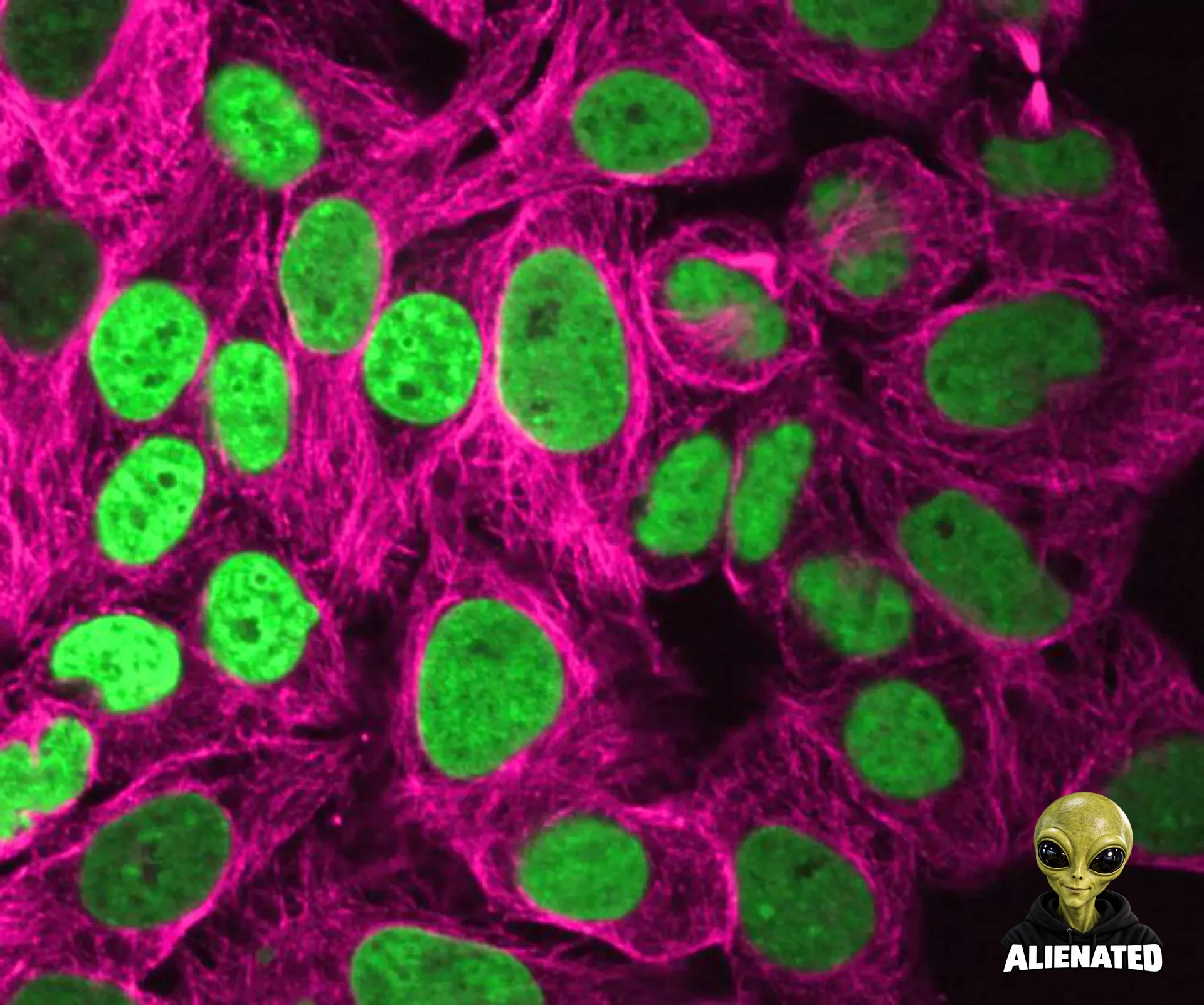
Human cells with fluorescently labeled chromatin (green) and microtubules (magenta) appear elongated after 24-hour exposure to fluid flows. Credit: Kanellakopoulos/Zidovska/NYU
According to a report by Universe Today, a new study published in Science Advances examines the effects of long-duration exposure to microgravity on the human genome. As human spaceflight prepares for longer missions, understanding these genetic impacts addresses pressing questions regarding astronaut health and safety. However, the brief excerpt does not outline specific genetic changes, long-term risks, or health outcomes identified by the researchers.
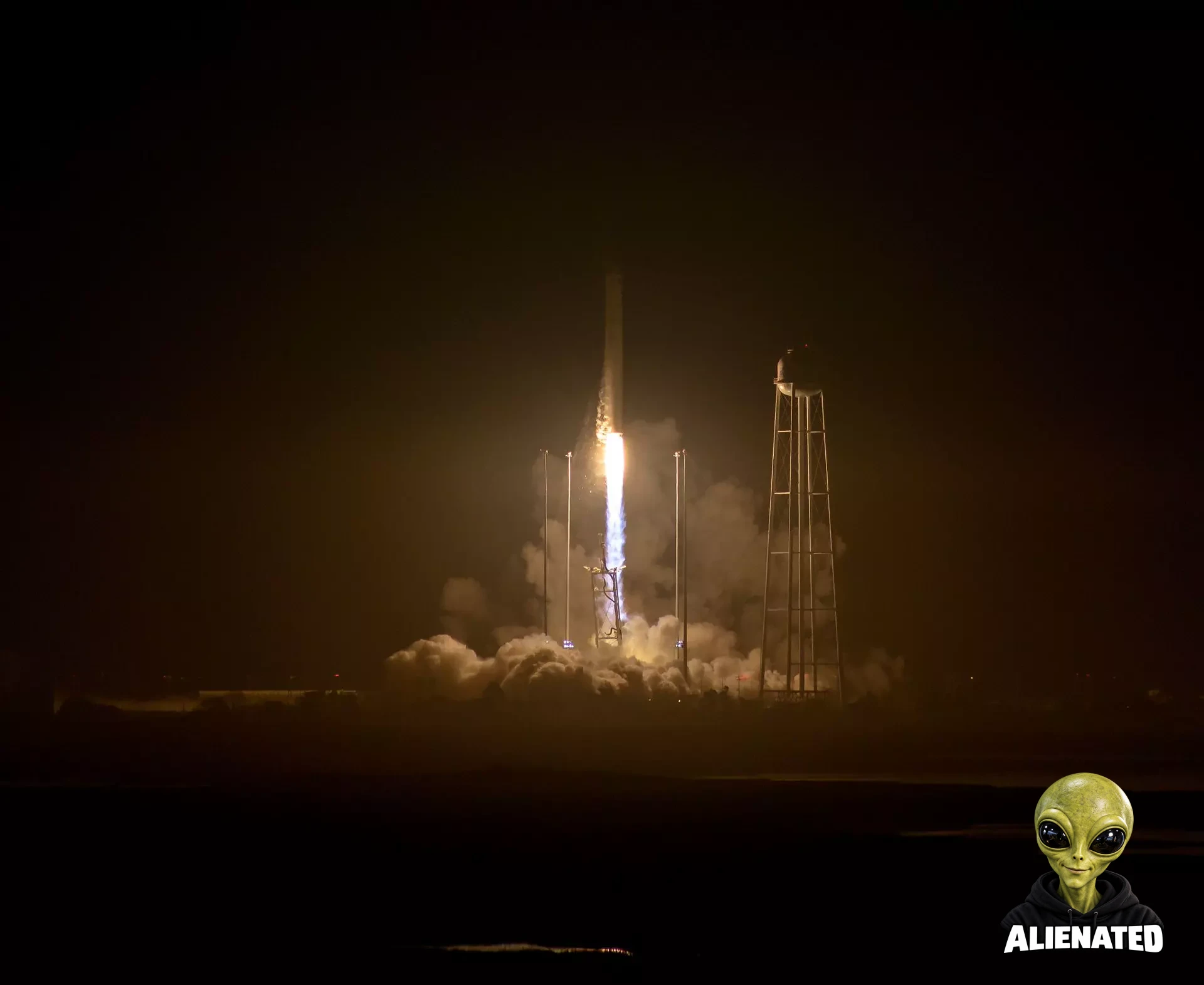
On October 17, 2016, Orbital ATK (now Northrop Grumman Space Systems) successfully launched an upgraded Antares rocket from NASA's Wallops Flight Facility in Virginia. The launch marked a successful return to flight after a catastrophic explosion nearly two years earlier during a previous cargo mission. Carrying the Cygnus cargo spacecraft, the mission safely delivered essential supplies, food, and scientific experiments to the International Space Station (ISS) six days later. Such commercial resupply missions, alongside efforts by SpaceX and international partners, are critical to maintaining
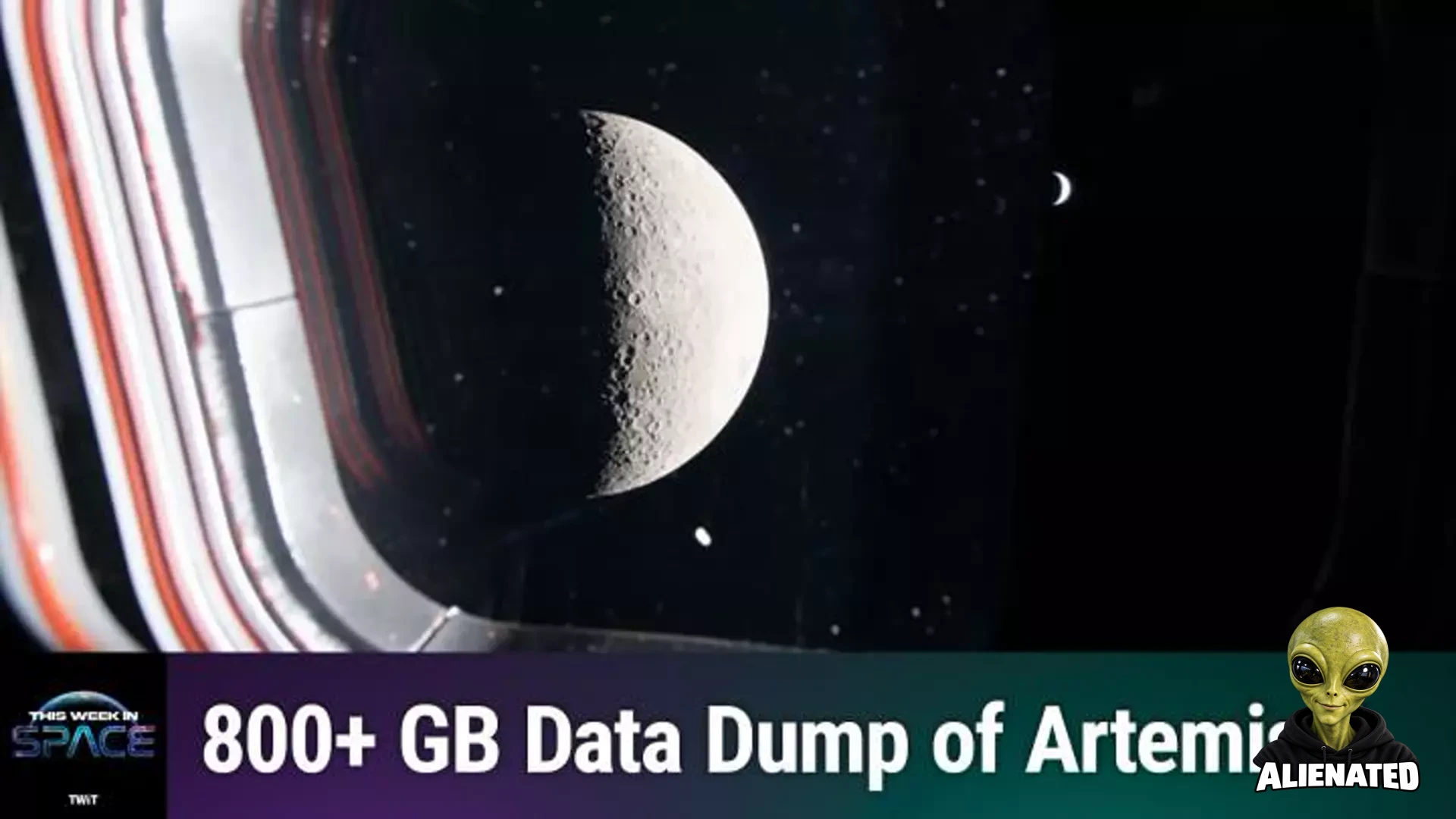
In Episode 232 of the 'This Week In Space' podcast, hosts Rod Pyle and Tariq Malik discuss NASA's release of over 800GB of Artemis II lunar science data and images with guest Chelsea Gohd. The episode highlights astronaut observations from the mission, including reported impact flashes on the Moon's far side, and examines the Artemis III mission profile involving SpaceX and Blue Origin. Additional topics covered include SpaceX's Texas launch goals and a reported green star discovery by astronomers.
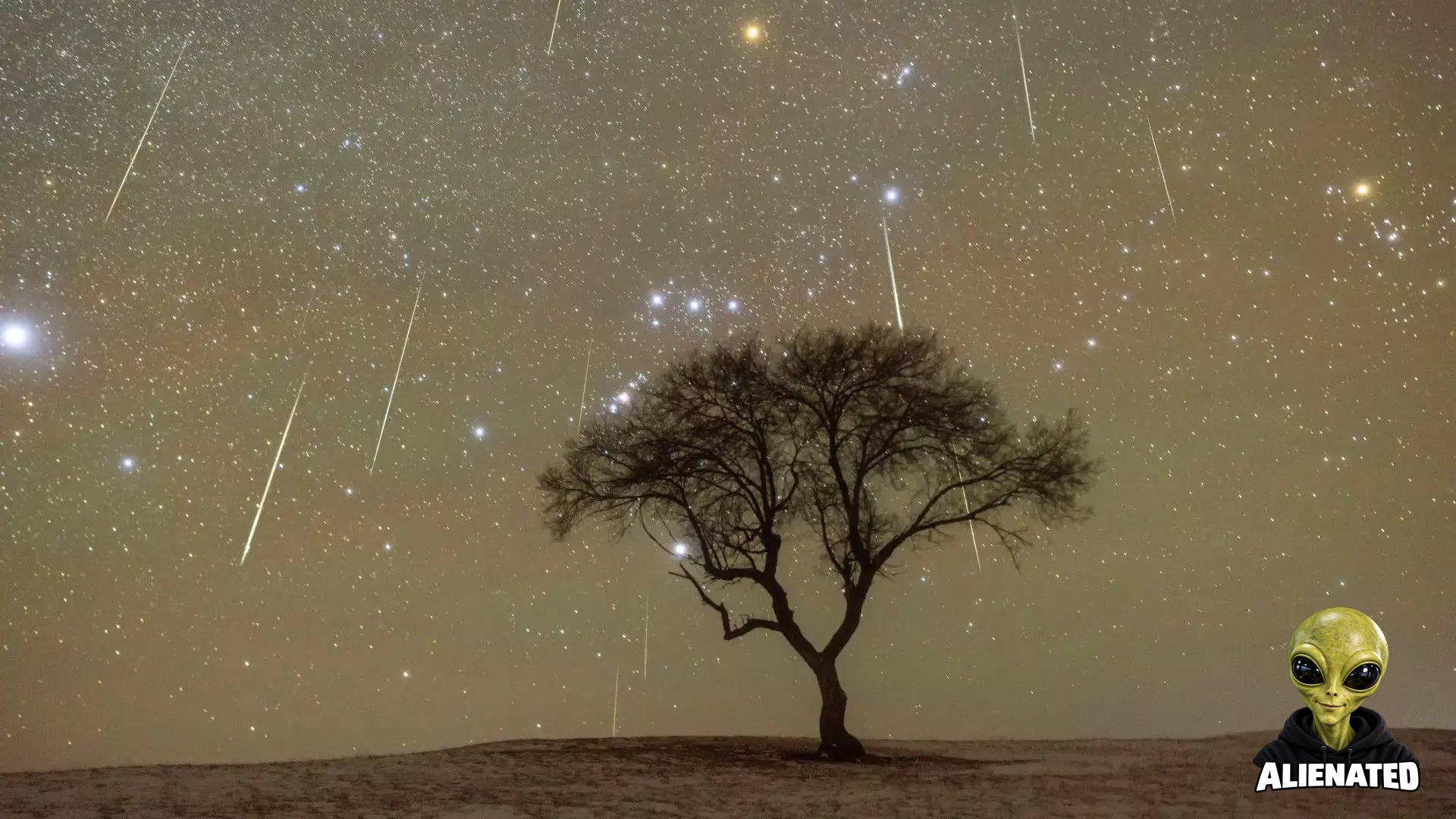
A Space.com writer explains why they are hesitant to sacrifice sleep for the 2026 Orionid meteor shower peak, which occurs overnight on October 21–22. Caused by debris from Halley's Comet, the fast-moving meteors have an estimated peak zenithal hourly rate of 20 or more under ideal conditions. However, an 80%-illuminated waxing gibbous moon will obscure viewing until it sets around 3:00 a.m. local time, leaving only a brief pre-dawn window of complete darkness around 3:00 to 5:00 a.m. The author highlights checking weather forecasts and suggests alternative targets like the Moon and Saturn.
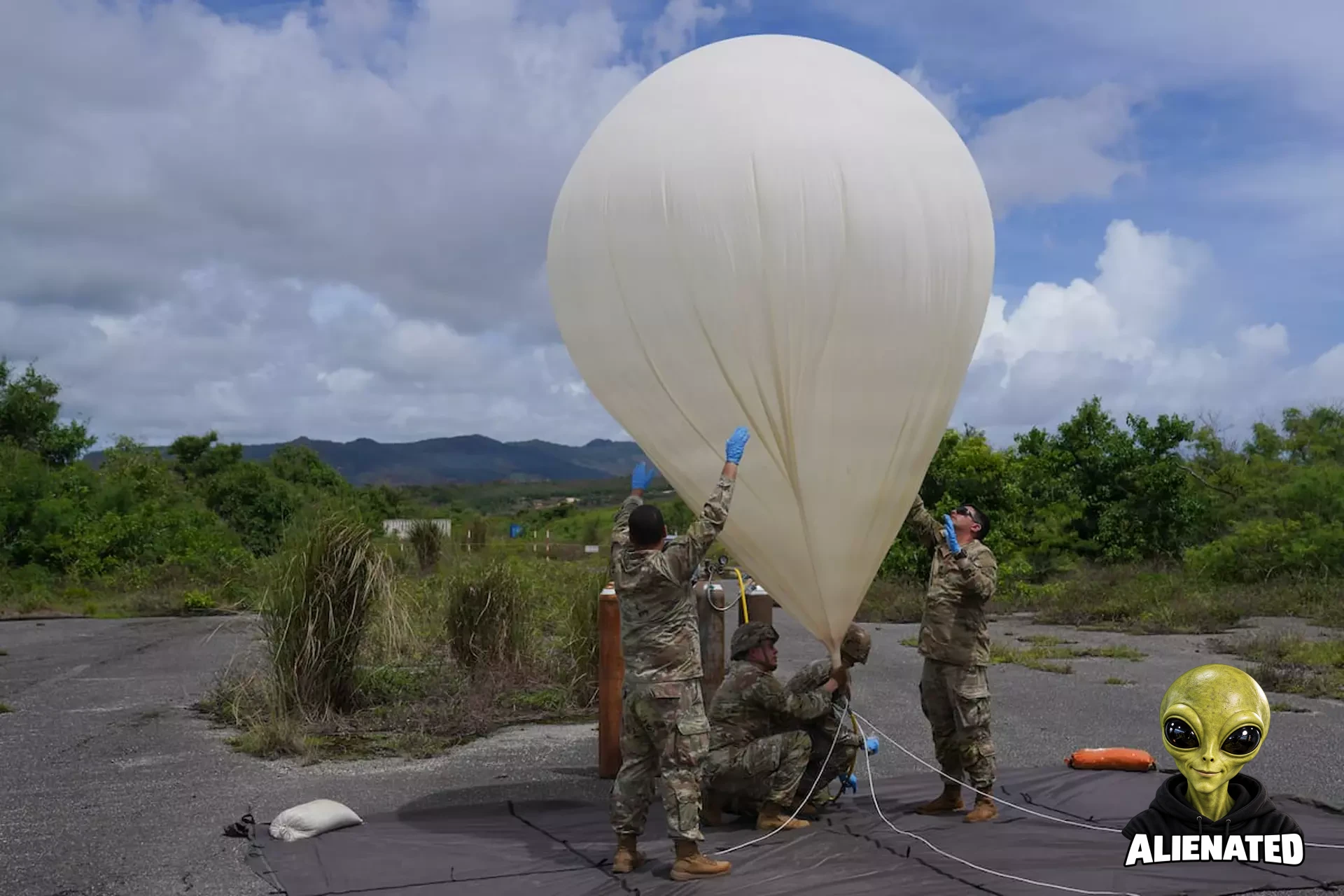
According to U.S. Army officials, the service is expanding tests of high-altitude balloons operating in the stratosphere between 60,000 and 100,000 feet. Col. Joseph Mroszczyk stated the Army is seeking a family of stratospheric systems to deliver space-like capabilities for sensing, communications, and potentially kinetic missions. Testing has already been conducted in Europe, the Pacific, and the Middle East. Military commanders report exploring concepts ranging from high-end payload platforms to large swarms of inexpensive, expendable balloons over the coming year.
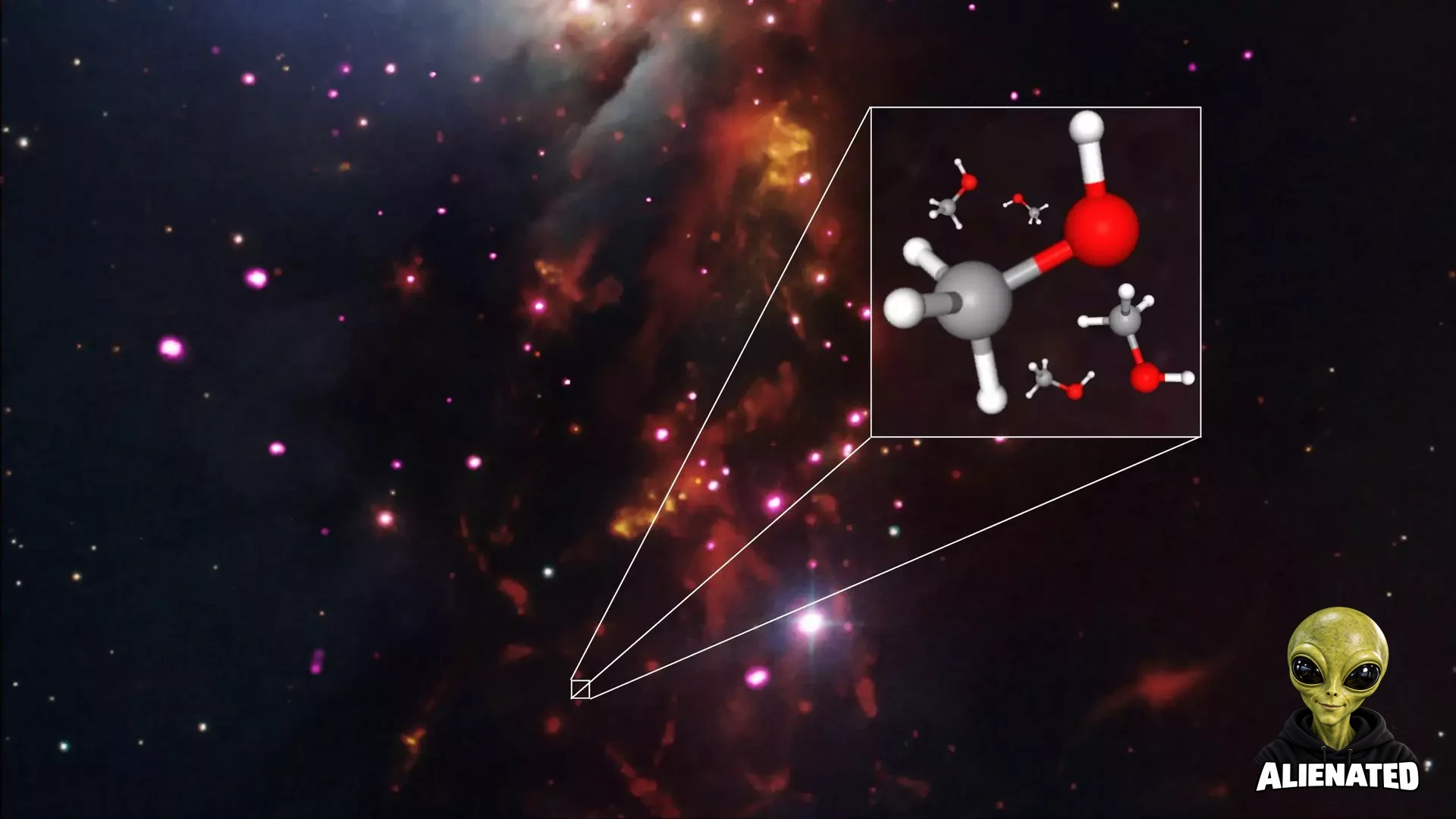
According to a report by Universe Today, an international research team participating in the ALMA COMPASS Large program has detected a rare type of wood alcohol, known as methanol, in space for the first time. The brief excerpt highlights this astronomical detection achieved through the ALMA observatory project but does not provide additional context regarding the specific celestial region where the molecule was found, the potential implications for interstellar chemistry, or the precise methodology used by the researchers during their observations.
An event announcement published by SpaceNews invites participants to a scheduled conversation on October 29 regarding the application of artificial intelligence and spatial intelligence to geospatial intelligence missions. According to the excerpt, the discussion will focus on how machine learning technologies are actively transforming GEOINT operations across various market sectors. The brief notice provides an overview of the topic but does not detail specific speakers, panel formats, registration instructions, or full agenda items in the provided feed text.
SpaceNews has scheduled a panel discussion for October 29 focusing on the application of machine learning within geospatial intelligence (GEOINT) missions across multiple sectors. According to the event notice, the conversation will explore how artificial intelligence technologies are currently transforming GEOINT operations and market applications. However, the short excerpt provides limited context, omitting specific details regarding key speakers, detailed topics, organizational partnerships, or concrete technological implementations.
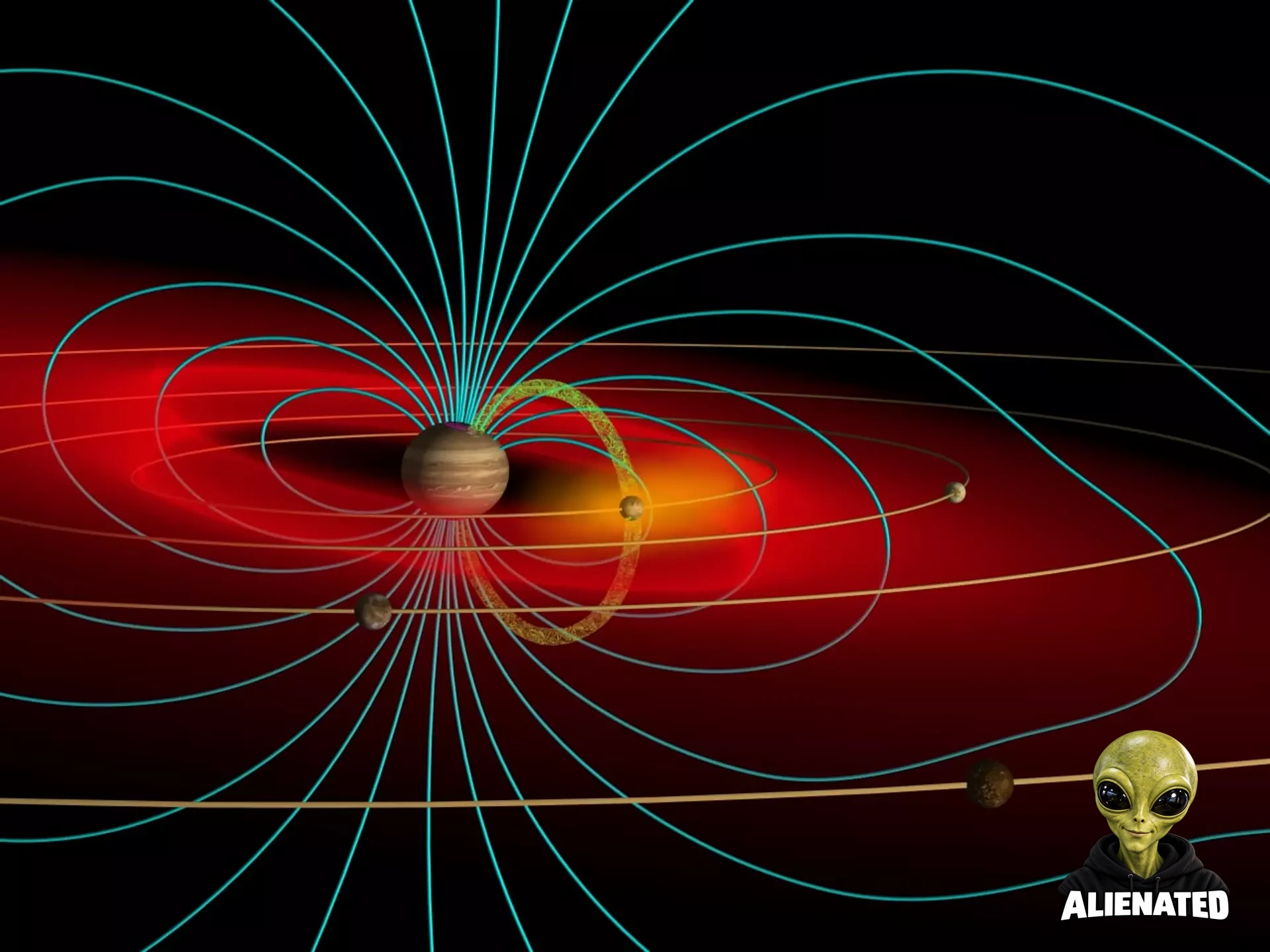
According to a report by Universe Today, new findings derived from NASA's Juno spacecraft data indicate that Jupiter's magnetodisk has a rippling, wavy structure that rotates in tandem with the planet. An international research team led by Shandong University conducted the analysis, which contradicts previous scientific assumptions regarding the stability and geometry of Jupiter's magnetic field environment. The discovery provides updated context on planetary magnetospheres based on direct observations from the orbiting probe.
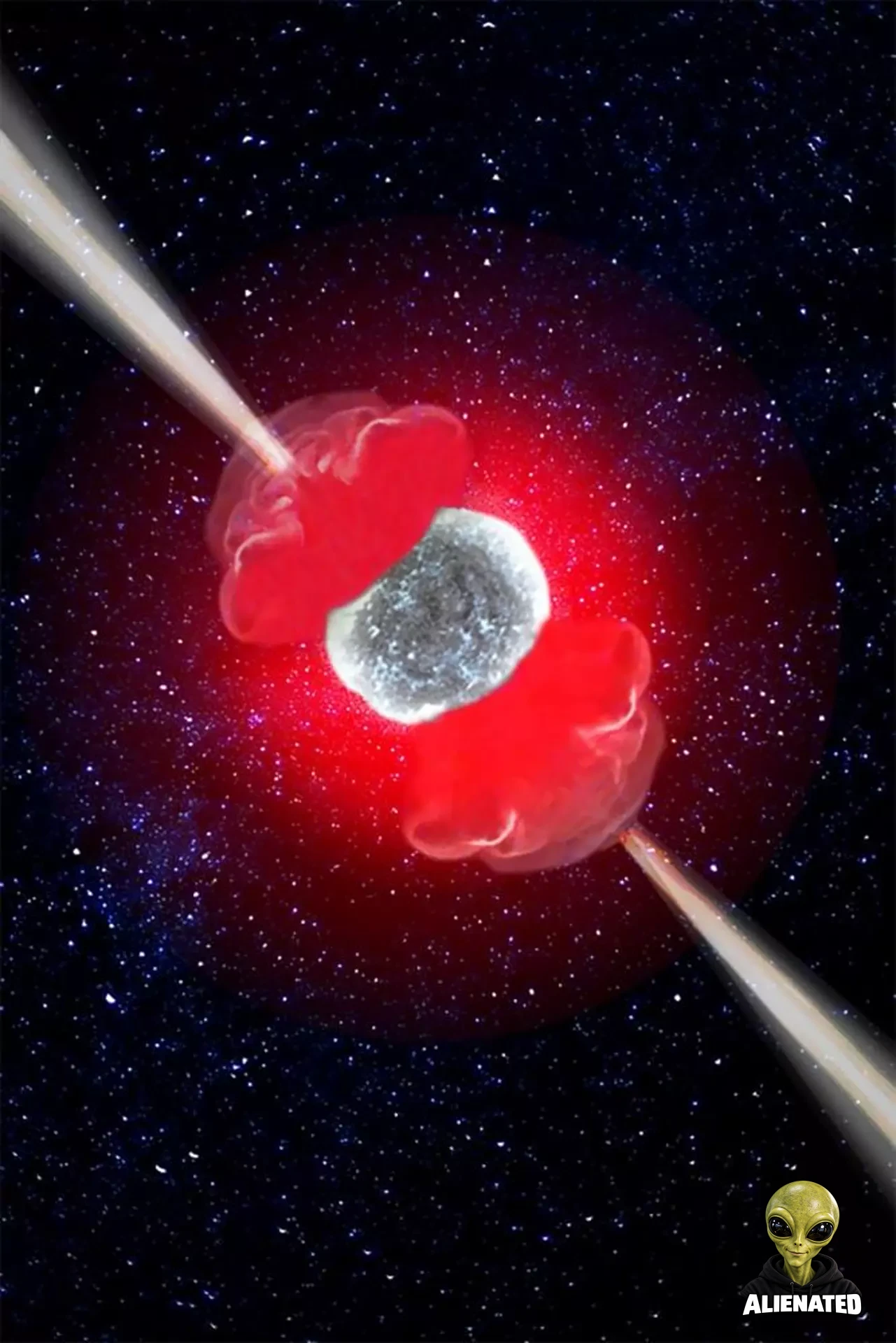
This artist's illustration shows a hypernova, an extremely luminous and energetic type of supernova. They occur when a star with more than about 30 solar masses reaches the end of its life and explodes. Evidence for them is thin, and new research pokes holes in what little there is. Image Credit: Anna Serena Esposito/Spanish National Research Council (CSIC)
According to Universe Today, astrophysicists have long considered hypernovae—the most energetic form of core-collapse supernovae—to be the most powerful stellar explosions in the universe. However, direct evidence supporting their existence remains sparse. New research now challenges the hypernova concept, suggesting that these extreme cosmic events may not actually occur. The excerpt highlights growing uncertainty surrounding these theoretical stellar phenomena, emphasizing that current observational data may be insufficient to confirm their existence.
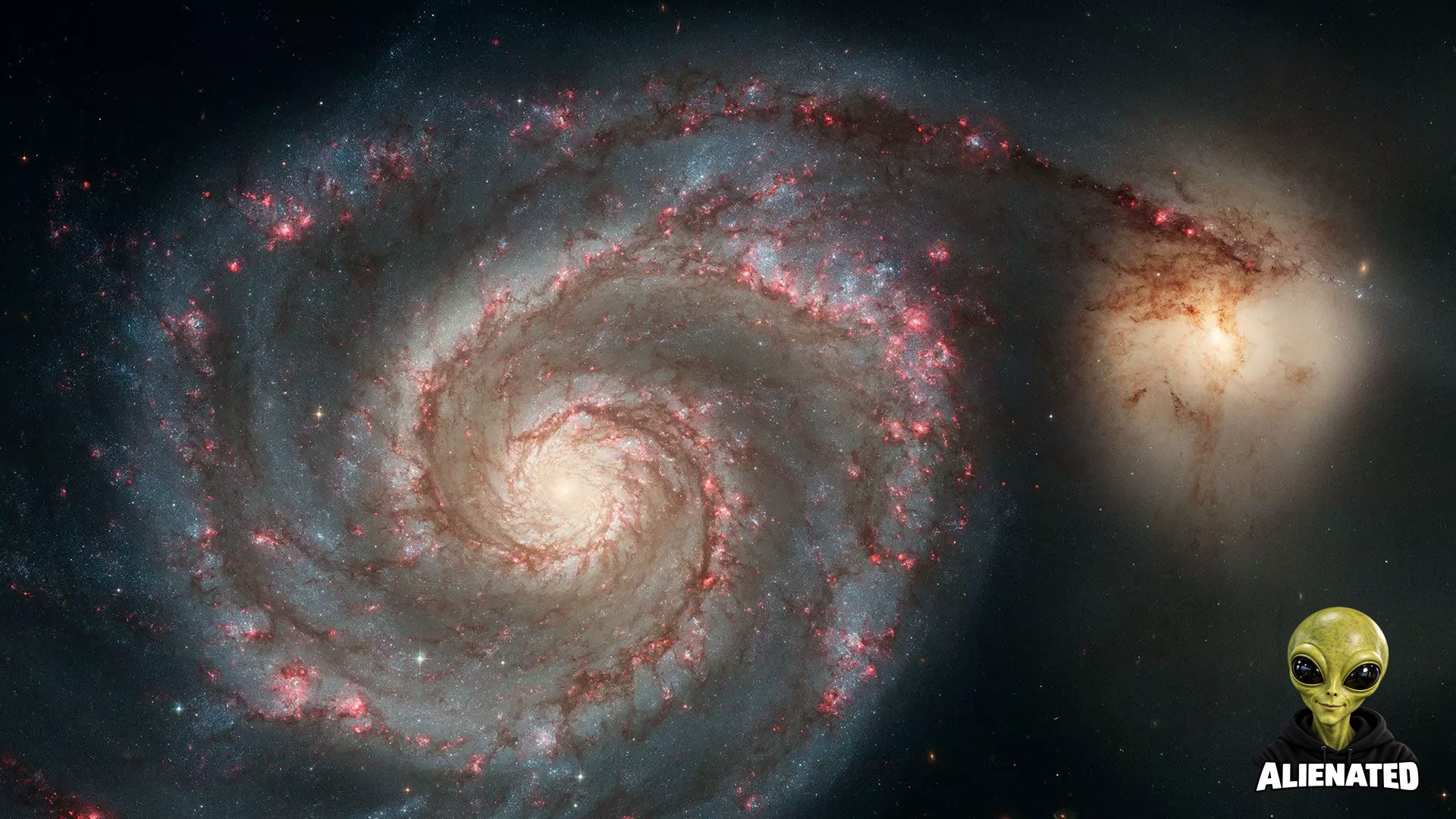
On October 13, 1773, French astronomer Charles Messier catalogued the Whirlpool Galaxy (M51) as a non-comet object, though he could not discern its galaxy status or spiral structure. Later observed by William Parsons as a spiral nebula, Edwin Hubble eventually confirmed M51 was a distinct galaxy. Located approximately 31 million light-years from Earth, M51 displays a prominent spiral shape. NASA scientists suspect this shape and heightened star formation were triggered by a gravitational interaction with its companion galaxy, NGC 5195, around 500 million years ago.
According to panel announcements made at New York Comic Con 2026, the second and final season of the science fiction series "Star Trek: Starfleet Academy" is scheduled to premiere on Paramount+ in March 2027. Executive producers Noga Landau and Alex Kurtzman, alongside cast members Holly Hunter and Robert Picardo, detailed character developments and new cast additions, including Bill Nighy and Rosemarie DeWitt. Kurtzman previewed an action sequence involving Nova Squadron, describing the episode as "Top Gun in space."
The original screen-used Galileo shuttlecraft prop from "Star Trek: The Original Series" has been permanently relocated to the Star Trek Original Series Set Tour in Ticonderoga, New York. After a complete two-year restoration led by collector Adam Schneider following its 2012 auction purchase, the 23-foot mock-up was previously displayed at the Space Center Museum in Houston. Fans funded a dedicated addition to house the exhibit, which was officially unveiled during an opening weekend event featuring series actors and local officials.
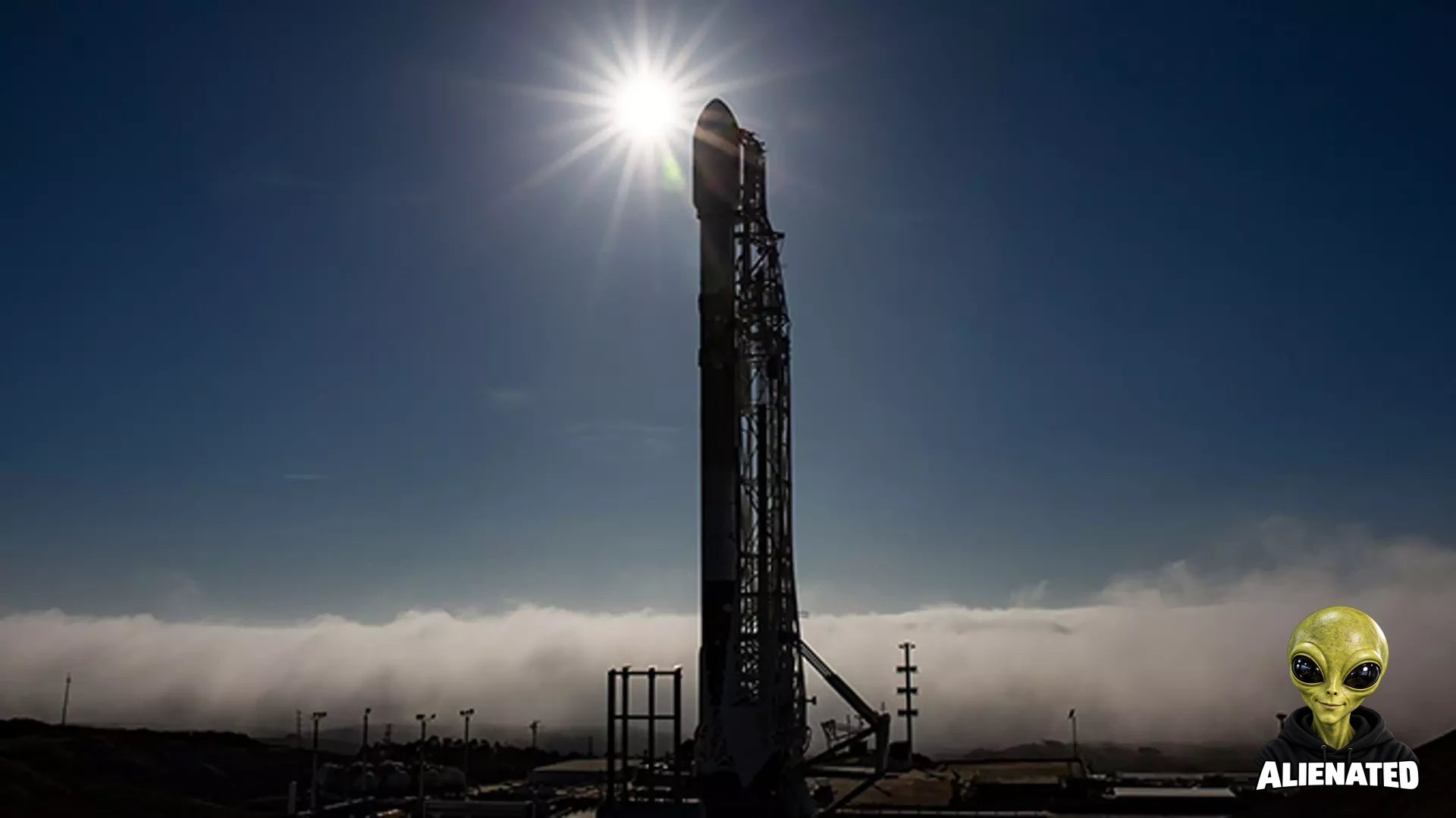
SpaceX is scheduled to launch a Falcon 9 rocket from Vandenberg Space Force Base in California for the Starlink 15-25 mission on Monday at 5:28 p.m. PDT. The rocket will carry 27 Starlink V2 Mini Optimized satellites aimed for a 266-kilometer-high orbit. First-stage booster B1088, making its 20th launch, is targeted to land on the drone ship 'Of Course I Still Love You' about 8.5 minutes into the flight. Payload deployment is scheduled to occur roughly an hour after liftoff, conditional on flight success.
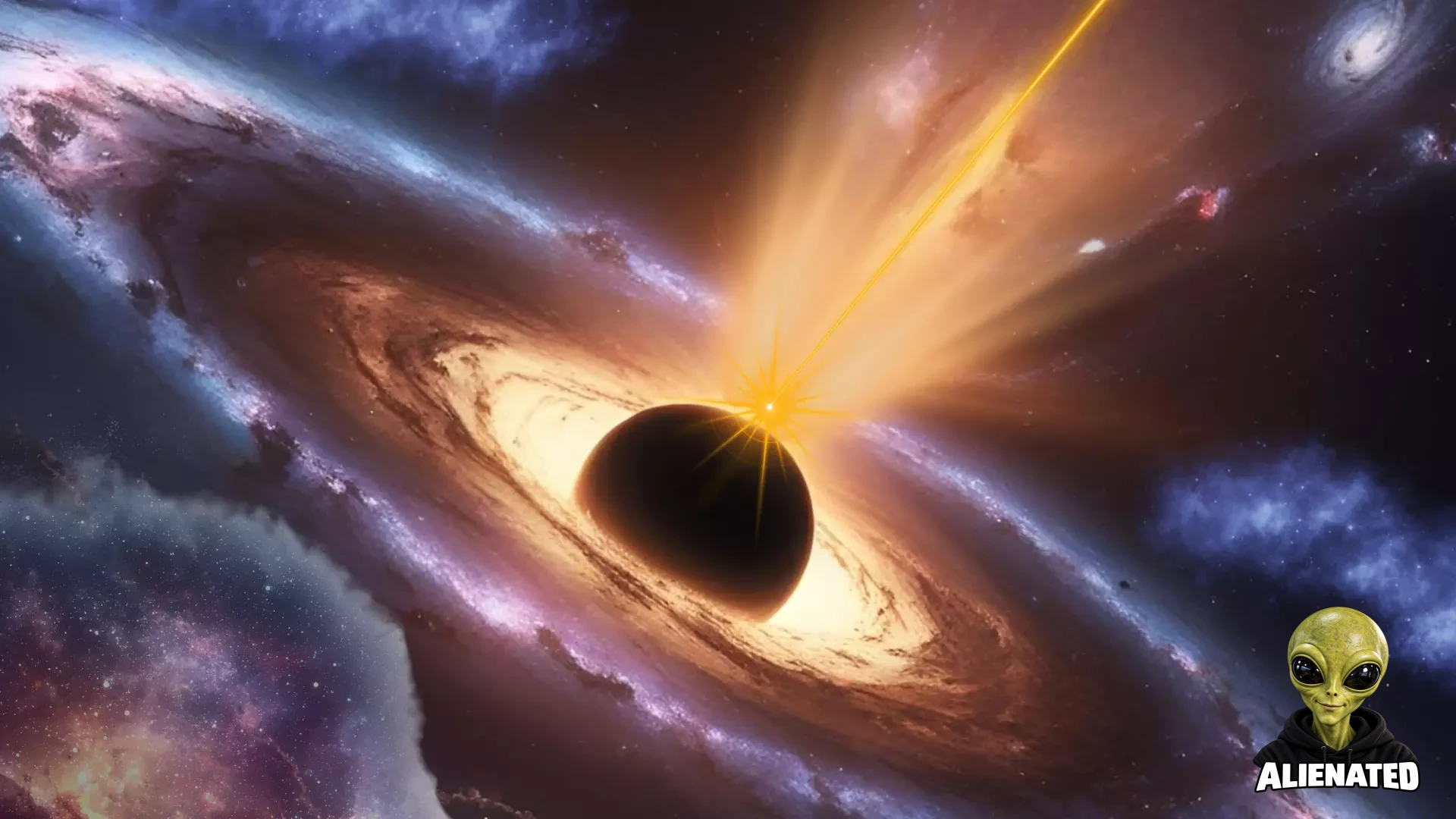
According to research accepted by Astrophysical Journal Letters, astronomers using NASA’s Swift Observatory and radio observations analyzed a supermassive black hole at the center of galaxy NGC 1275 in the Perseus Cluster. Team leader Sarah Ketchum reported a major X-ray flare in February 2023 caused by a spike in matter accretion rather than a star-destroying tidal disruption event. The team found tentative evidence of a 300-day delay between the X-ray flare and subsequent radio jet emissions, offering insight into black hole disk-jet coupling.
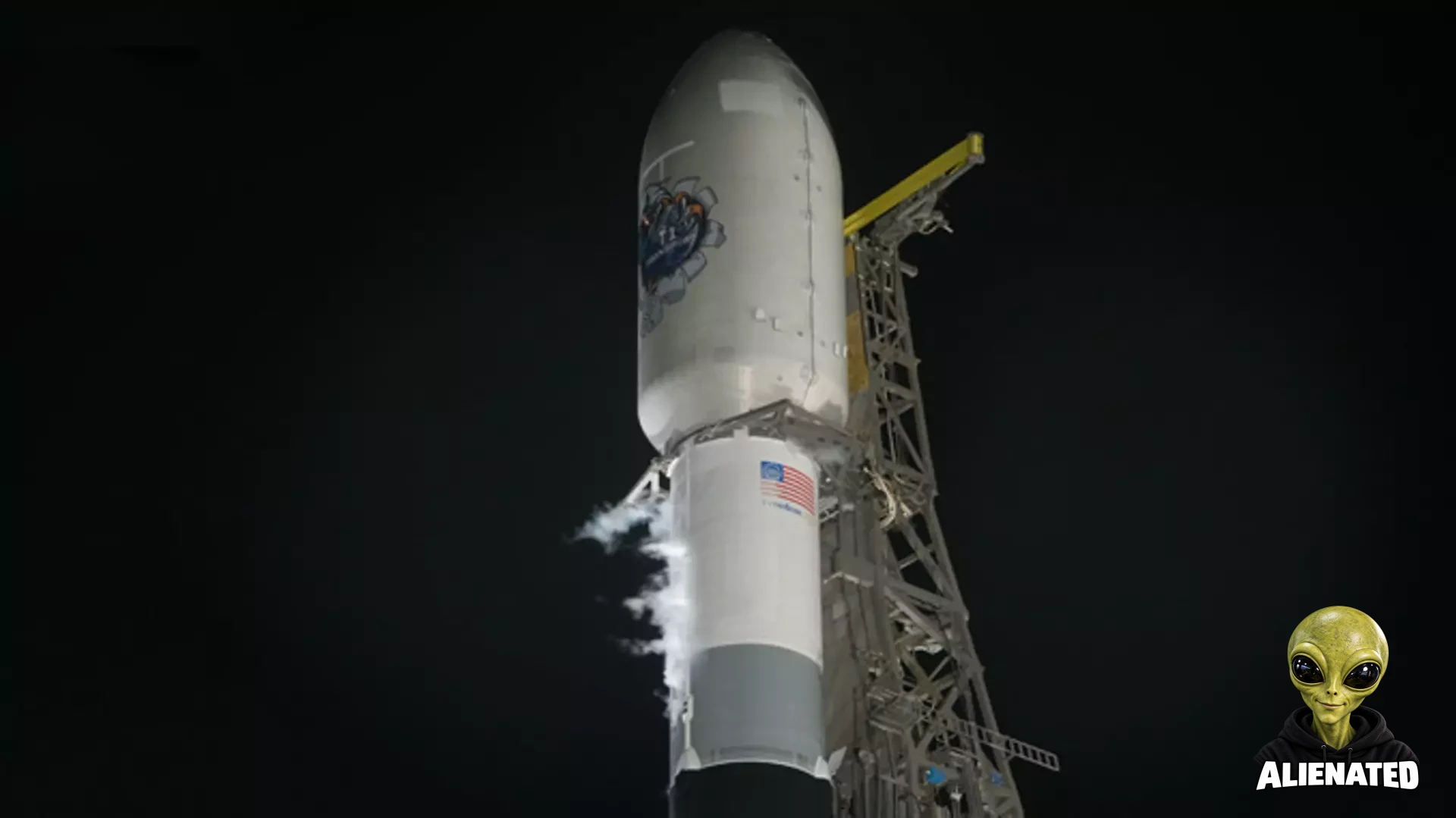
According to Spaceflight Now, SpaceX is preparing for a rescheduled Falcon 9 launch from Vandenberg Space Force Base to deploy 21 Space Development Agency data satellites. The attempt follows an auto-abort 58 seconds before a previous launch window, after which the rocket was lowered for troubleshooting. Designated Tranche 1 Transport Layer A, the mission is part of the military’s Proliferated Warfighter Space Architecture constellation intended for missile tracking and secure communications. The Northrop Grumman-manufactured satellites are projected to begin operational service in 2027.
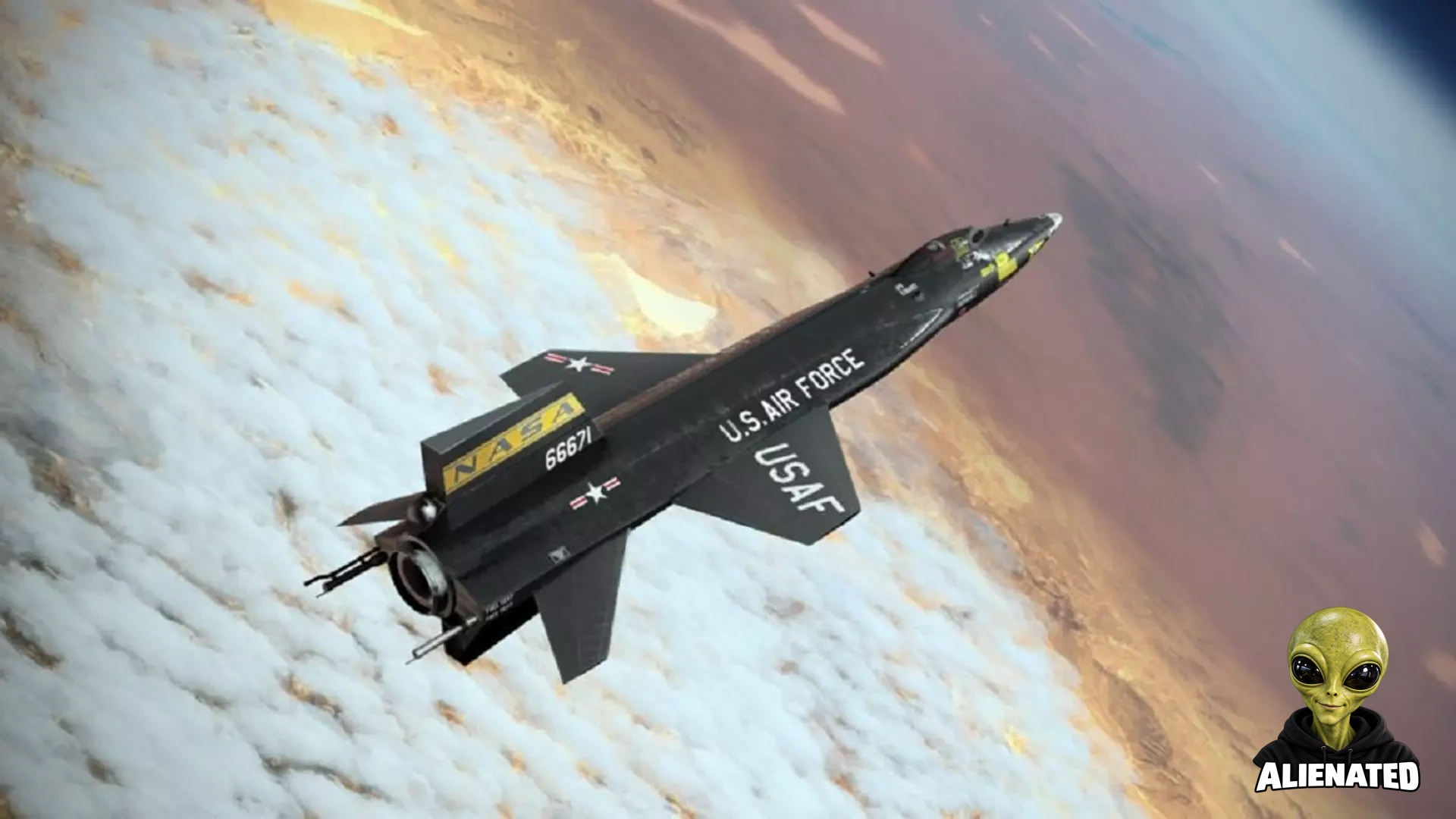
On October 3, 1967, U.S. Air Force test pilot Pete Knight piloted the rocket-powered X-15A2 to Mach 6.7 (4,520 mph) at an altitude of 102,000 feet, setting a record for the fastest manned winged aircraft flight. Released from a B-52 over California, the flight tested hypersonic aerodynamics and heat-resistant materials. During the mission, extreme shockwaves melted an attached dummy ramjet, and a system malfunction forced Knight to land heavily loaded with volatile propellant. The aircraft now resides in the National Museum of the U.S. Air Force.
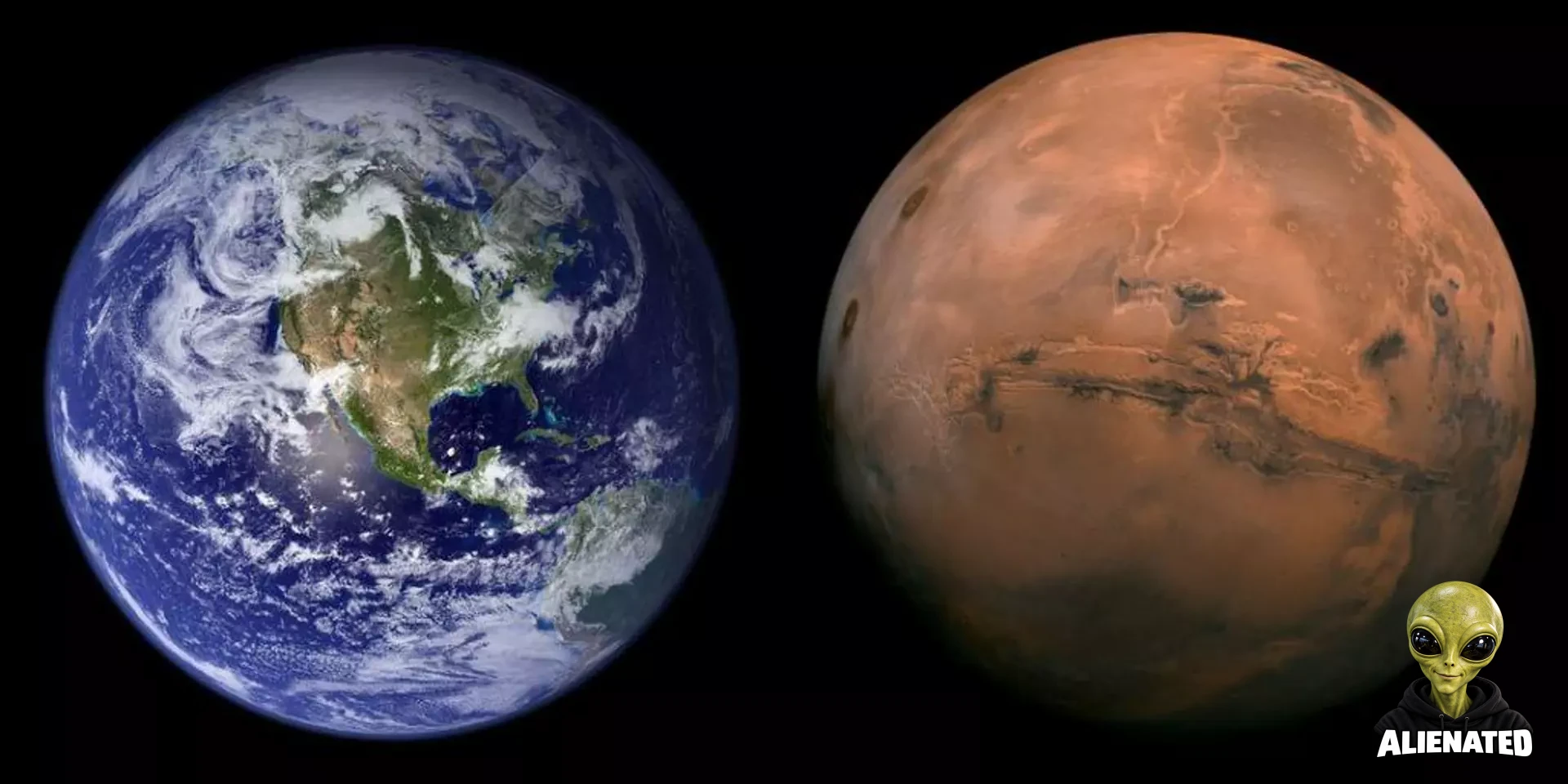
New research indicates that Earth and Mars formed through different processes, a finding that could help in the search for habitable exoplanets. Credits: NASA
According to a study reported by Universe Today, Earth and Mars may have formed through entirely different processes. This surprising discovery provides new insights into planetary formation mechanics within our solar system. Researchers suggest that understanding these distinct evolutionary paths for Earth and Mars could assist scientists in evaluating whether distant exoplanets possess conditions suitable for life, improving methods for determining exoplanet habitability.
According to a SpaceNews post, Santa Rosa, California-based Deposition Sciences, Inc. (DSI) announced an expansion of its Sunshade® Tape offering by introducing a new 12″ × 30″ format. DSI identifies as a provider of advanced thin film coatings. The provided text is a truncated excerpt from a corporate announcement dated October 2026, leaving out full details regarding product specifications, application uses, manufacturing capabilities, or commercial availability beyond the newly announced dimensions.