According to a study published in Frontiers in Environmental Archaeology by Dr. Roselyn Campbell of Purdue University, re-examination of First Dynasty human remains from Abydos, Egypt, provides evidence supporting century-old suspicions of retainer sacrifice. Analyzing 46 preserved skulls originally excavated by Flinders Petrie in the 1920s, Campbell discovered linear and sharp-force trauma on nearly 39% of the crania. These findings suggest intentional violence rather than natural fractures, though incomplete post-skull skeletal data limits definitive conclusions.
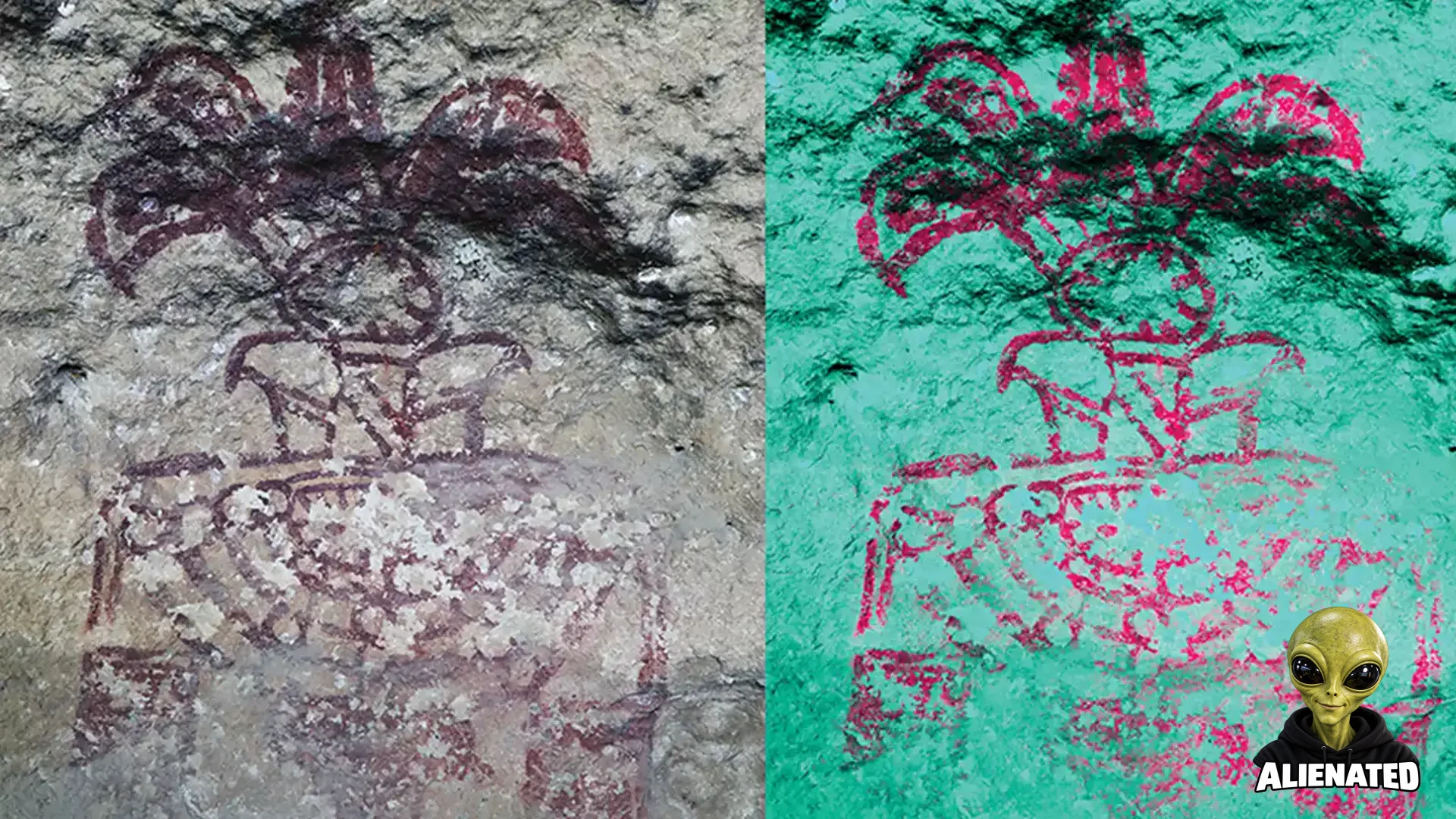
In a study published in Antiquity, researchers analyzing 1,500-year-old red paintings in Cave 19 at Chalcatzingo, Mexico, suggest ancient visitors from Teotihuacan performed rituals at the site. Using digital enhancement, archaeologists identified three glyphs, including one translating to "Singing Mountain"—a destination also depicted in murals at Teotihuacan. Other glyphs depict warrior emblems and a star-covered frame above a fire-blackened stone shelf. Researchers hypothesize the cave served as a pilgrimage site for commemorating or potentially cremating dead warriors, providing evidence t
According to a report by The Debrief, a Polish-Peruvian research team using drone-mounted LiDAR technology discovered over 1.6 miles of previously unknown Inca roadways near Peru’s Machu Picchu National Archaeological Park. Led by Bartłomiej Ćmielewski, Jeff Rocky Contreras Soto, and Prof. Mariusz Ziółkowski, the survey revealed roads, platforms, and terraces across the Urubamba Valley near the Mandor Wall. Researchers state these findings provide new evidence of Inca activity on the opposite bank of the valley. The team plans further remote-sensing and partial excavations through 2027 to veri
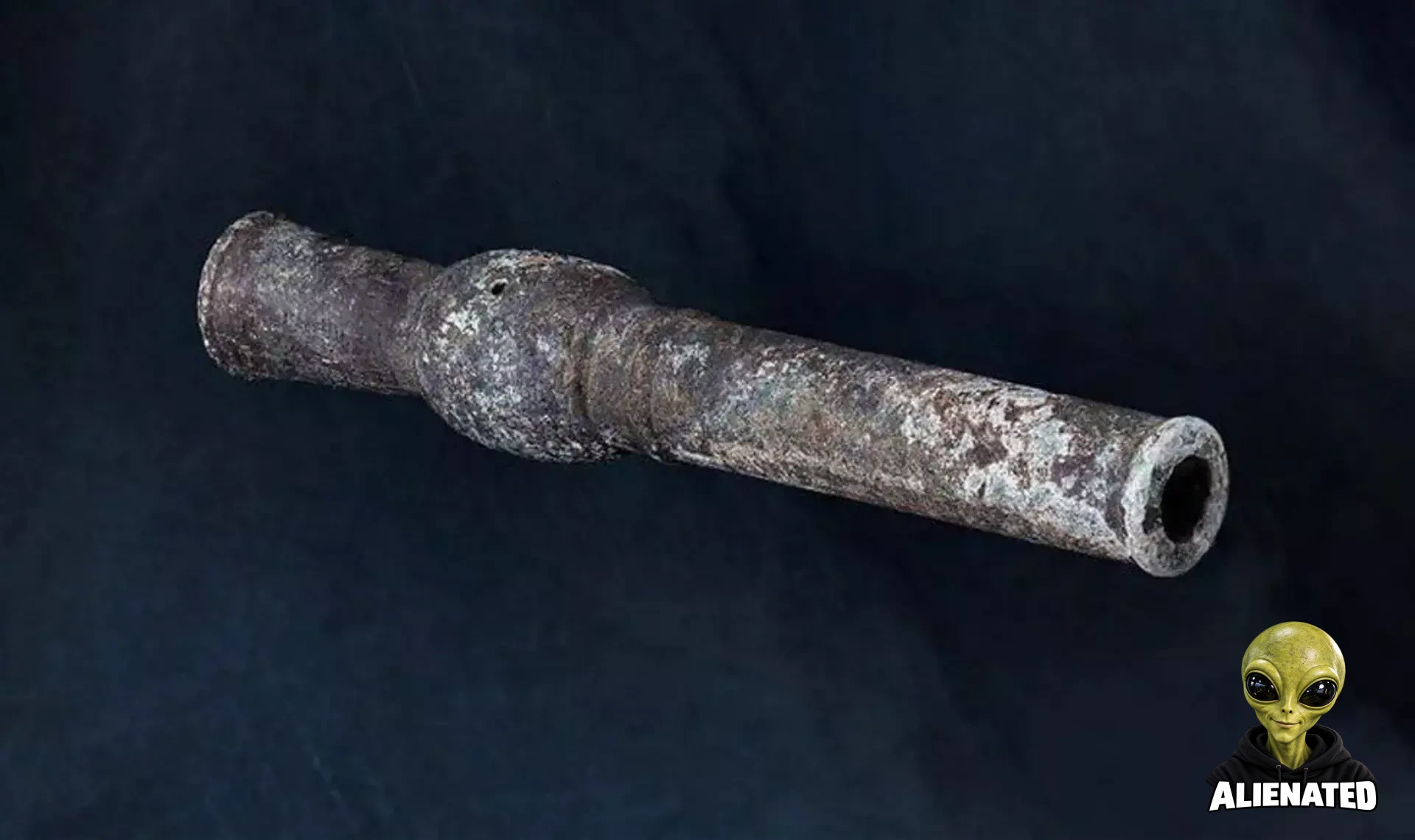
South Korean soldiers conducting landmine clearance operations near Mount Geumseong discovered the earliest known Korean firearm, identified as a Hwangja Hwatong (Yellow-Character Hand Cannon). According to the National Naju Research Institute of Cultural Heritage, preliminary research indicates the 10-inch bronze artifact likely dates to either 1377 or 1437, periods marked by Goryeo Dynasty gunpowder development or King Sejong's artillery standardization. Inscriptions detail its production official and maker.
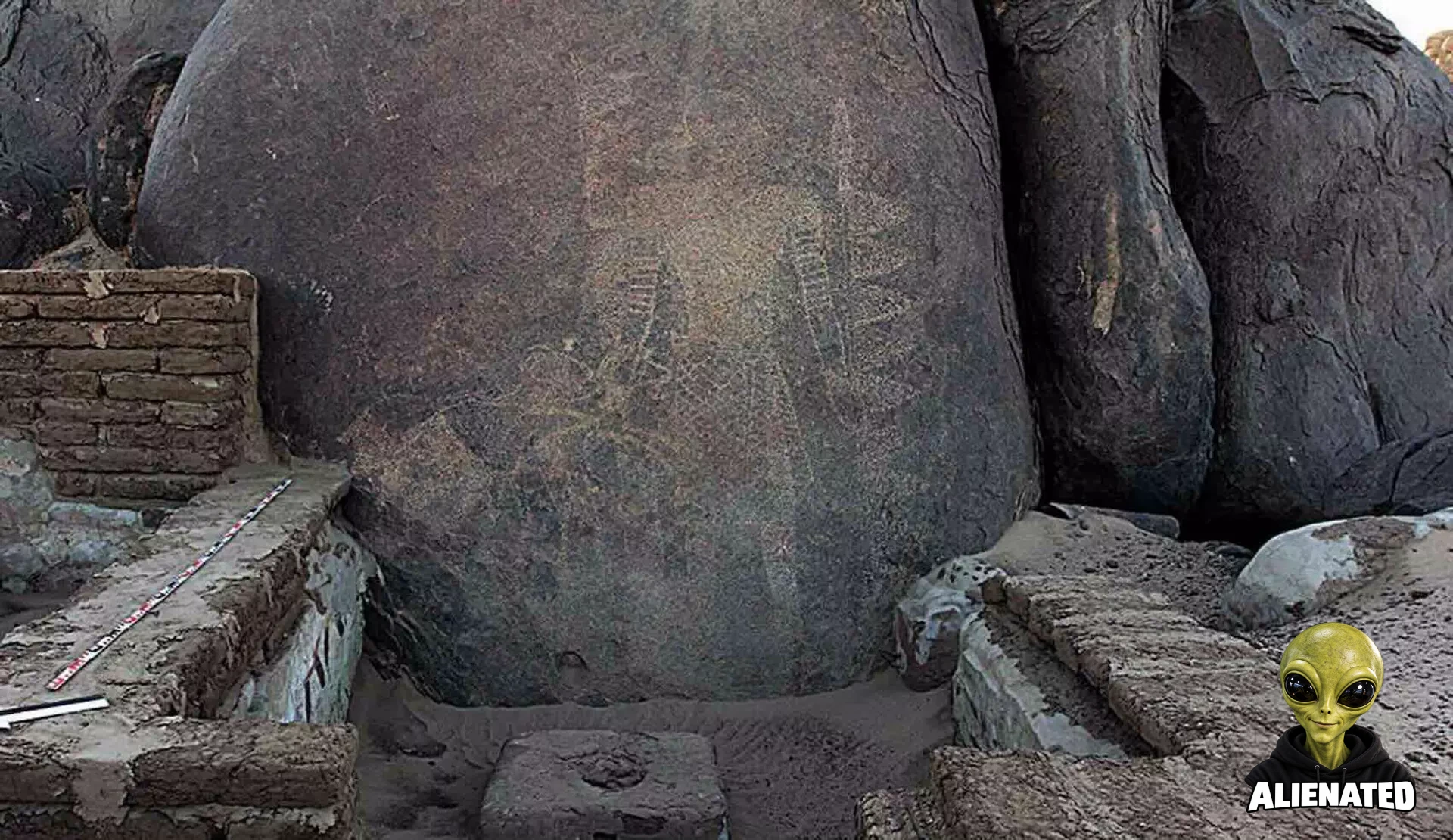
According to a report by The Debrief on a study published in Antiquity, researchers led by Dr. Joanna A. Ciesielska of the University of Warsaw have uncovered new context regarding a life-sized granite petroglyph in Miseeda, Sudan. The ancient figure, incorporated into a seventh-century Christian church site, may depict an ancient Kushite king or Nubian ruler marking a historic borderland, drawing comparisons to a carving at Gebel Qeili. However, researchers emphasize that the exact age and identity of the figure remain unknown, requiring additional investigation to confirm their hypotheses.
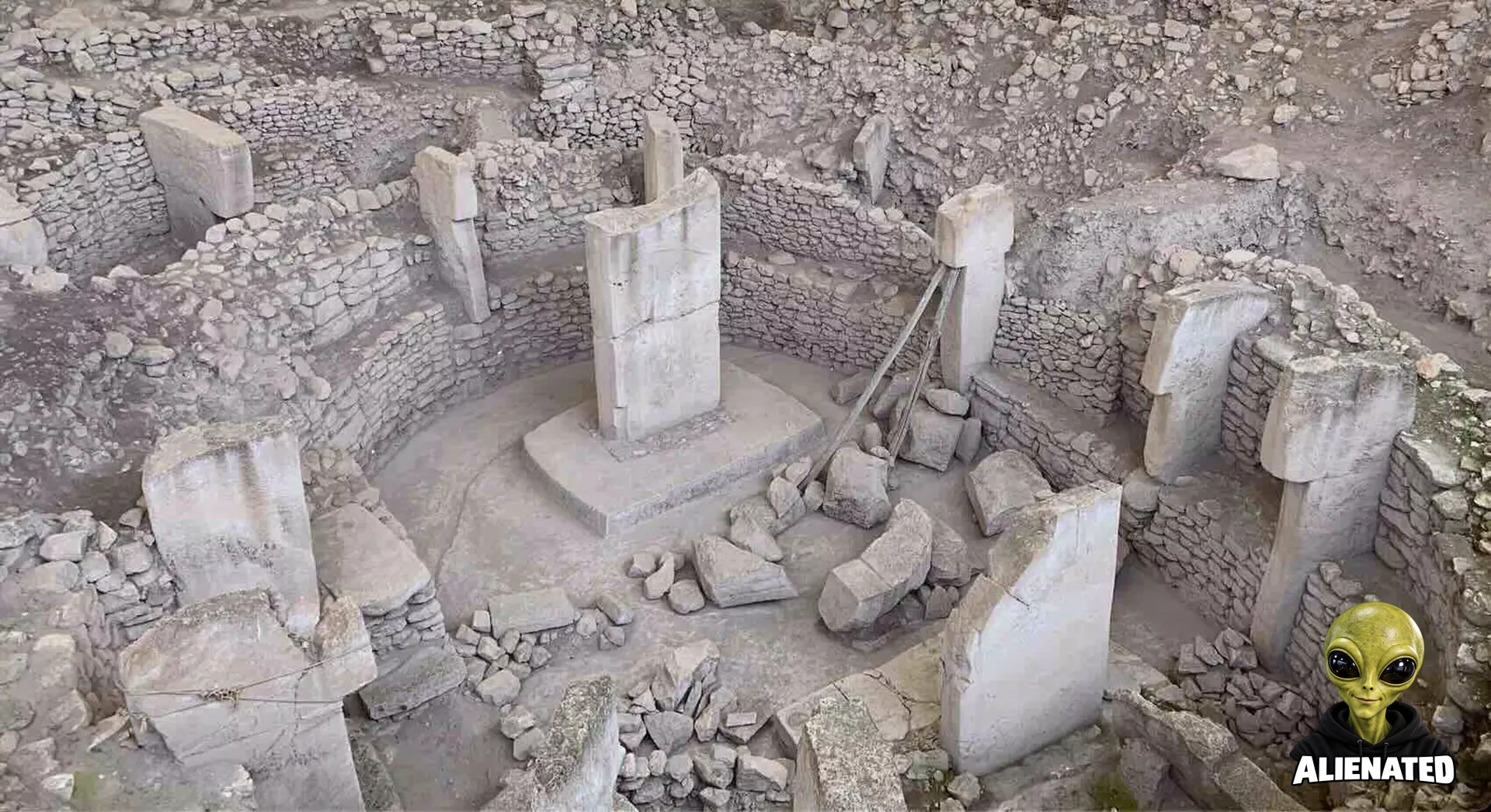
According to a report by The Debrief, archaeologists Lee Clare and Julia Gresky have documented the first confirmed human burials at Göbekli Tepe in a PLOS One study. Located in southeastern Turkey, the 11,600-year-old site was long interpreted primarily as a ceremonial gathering place or the world's first temple. However, the recent discovery of two intact burial pits dating between 8,700 and 8,000 BCE, alongside earlier signs of grain storage, strengthens arguments that the ancient complex also served as a permanent habitation site.
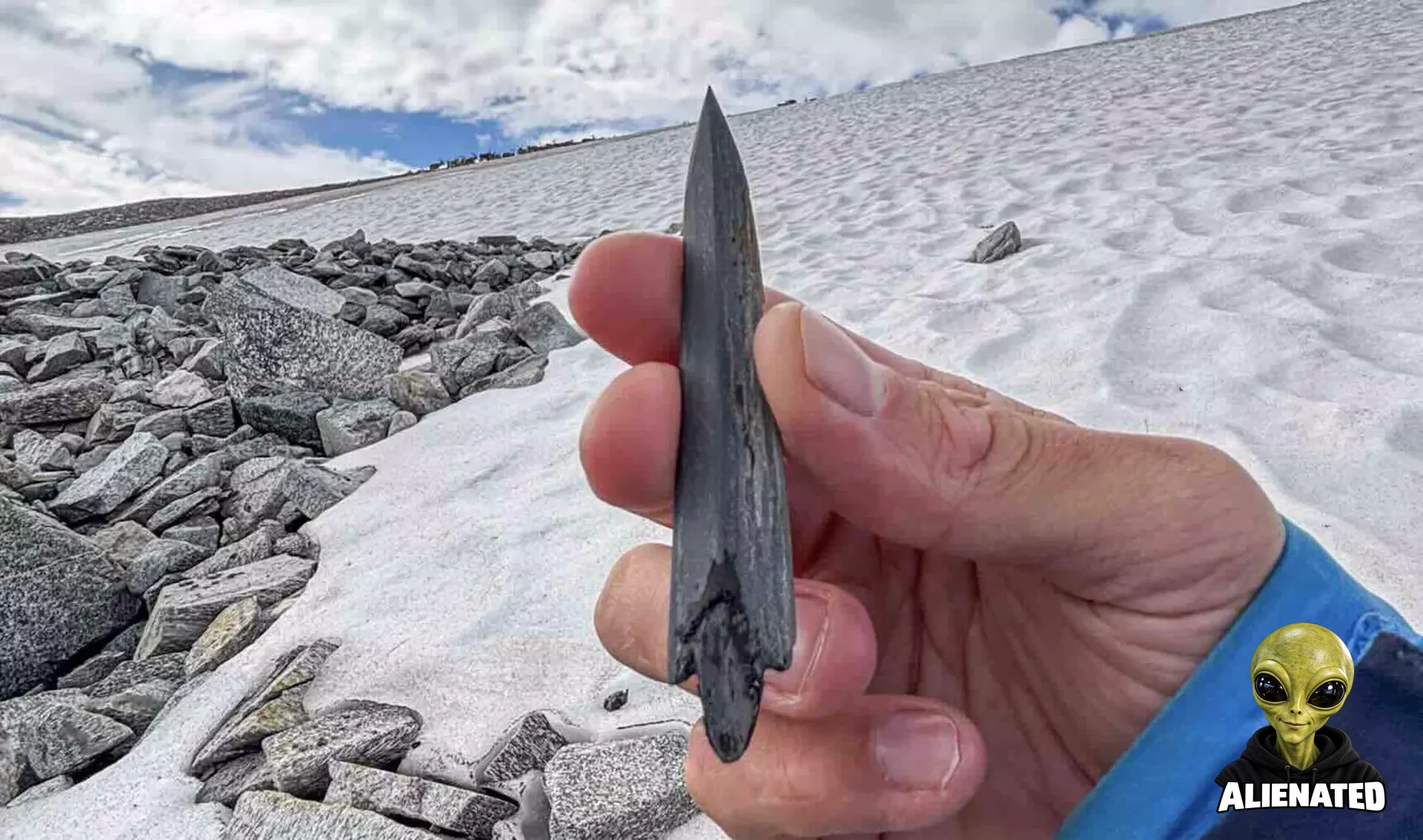
Archaeologists with Norway’s Secrets of the Ice program have uncovered nearly 50 prehistoric arrows, including a remarkably preserved 6,000-year-old specimen, in the Jotunheimen mountains. Rapidly melting mountain ice patches are exposing organic artifacts—such as wooden arrow shafts, bows, and clothing—from the Stone, Bronze, and Viking Ages. Over 5,000 artifacts across 73 sites have been documented since 2006. However, researchers emphasize that exposure to sunlight and air quickly degrades these ancient items, creating an urgent race against time as climate warming accelerates glacial melti
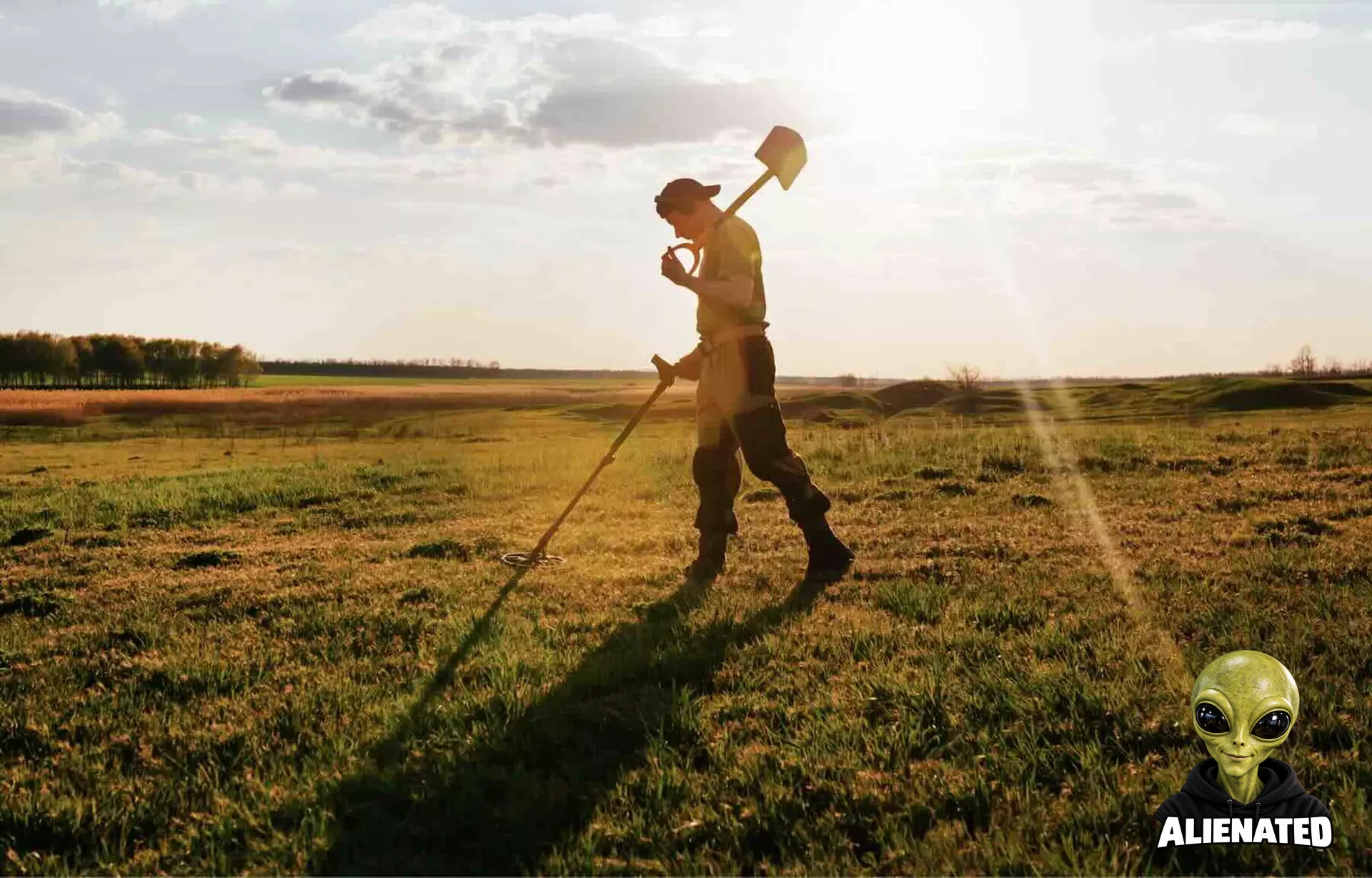
Authorized metal detectorist Oliver Riedl uncovered a massive hoard of over 934 ancient Roman denarii near Wesseling, Germany. After his initial discovery, Riedl contacted archaeologists from Germany's LVR Office for Archaeological Heritage Management, who excavated the nearly seven-pound silver collection. Believed to be buried around A.D. 125 during Emperor Hadrian's reign, the hoard spans centuries of coinage from 148 B.C. to the era of the Flavian emperors and Hadrian. It marks the largest known coin hoard from this period ever discovered in Germany.
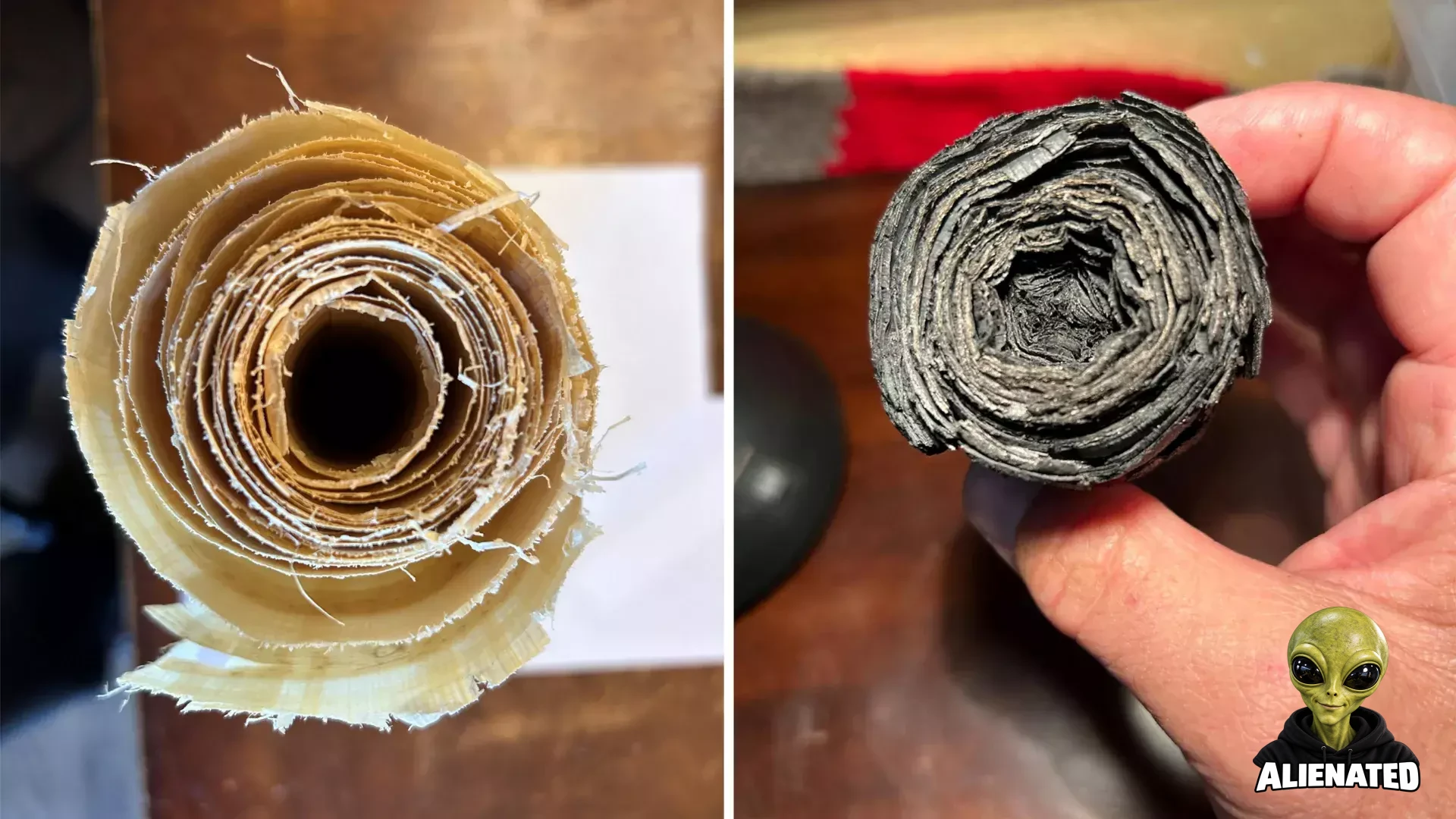
A contemporary papyrus scroll before and after burning in a nearly oxygen-free chamber, which carbonized but did not destroy the material. Credit: Seiler et al., 2026, PLOS One
According to ScienceDaily, scientists discovered that tiny amounts of lead in ancient ink can make writing inside burned papyrus scrolls stand out dramatically during X-ray scans. This imaging technique could potentially help researchers read lost Greek and Roman texts preserved during the eruption of Mount Vesuvius nearly 2,000 years ago. The brief report suggests that scanning lead-marked inks offers a non-destructive method to decipher fragile, carbonized ancient documents, though full details on the experimental scroll burning process remain limited in the excerpt.