
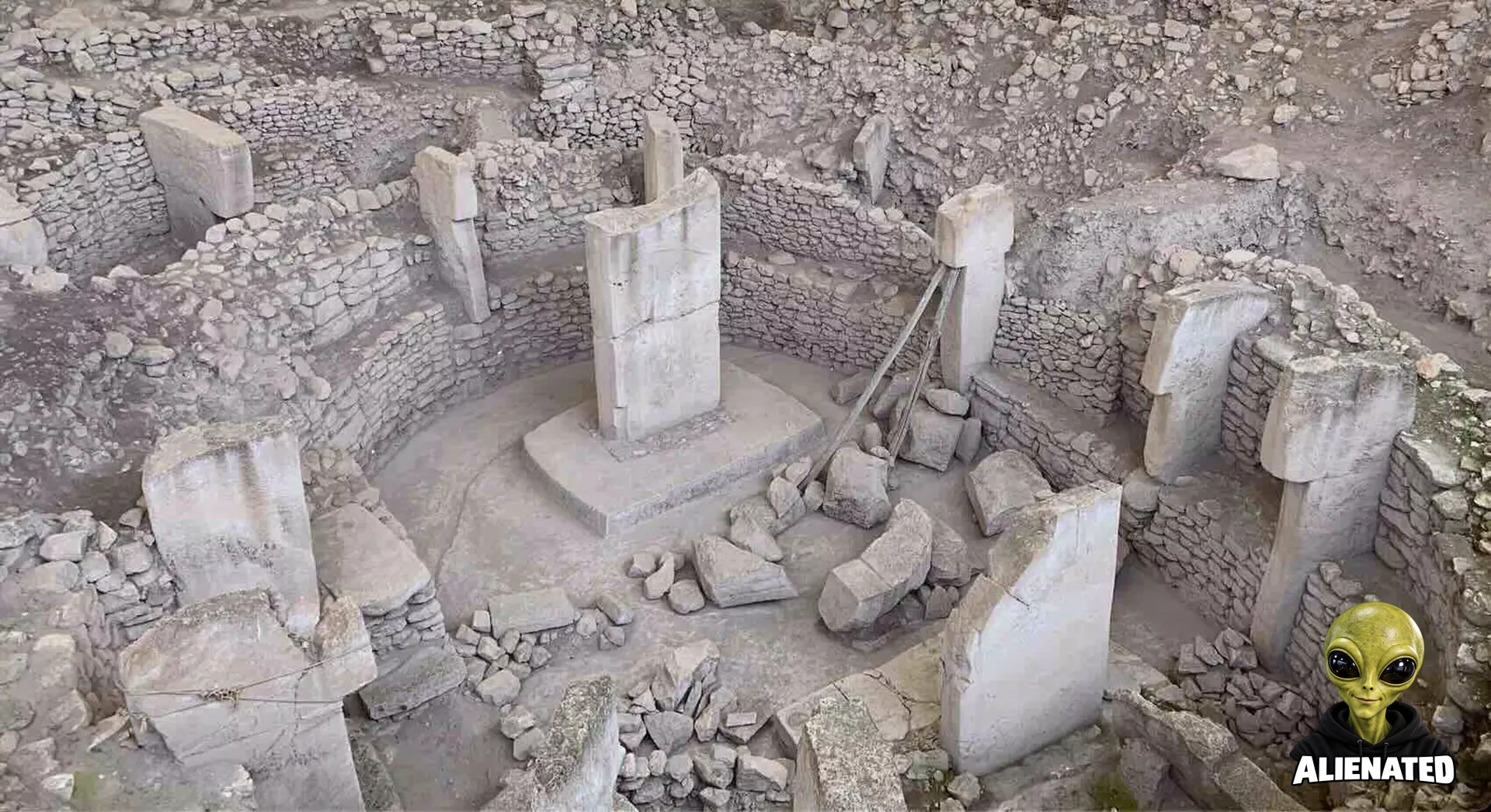
Göbekli Tepe Remains an 11,600-Year-Old Enigma—and a New Discovery is Challenging Past Views on Its Mysterious Purpose
 Tommy Alien ·
Automatically curated summary from The Debrief.
According to a report by The Debrief, archaeologists Lee Clare and Julia Gresky have documented the first confirmed human burials at Göbekli Tepe in a PLOS One study. Located in southeastern Turkey, the 11,600-year-old site was long interpreted primarily as a ceremonial gathering place or the world's first temple. However, the recent discovery of two intact burial pits dating between 8,700 and 8,000 BCE, alongside earlier signs of grain storage, strengthens arguments that the ancient complex also served as a permanent habitation site.
Context and limitations
The interpretation of Göbekli Tepe as a permanent settlement relies on a small sample size of two newly discovered burials and grain storage indicators. Additionally, explanations for previously found fragmented remains, such as natural redeposition via landslides or past hypotheses of a 'skull cult,' remain unproven and require further archaeological verification.
Comments
Related articles
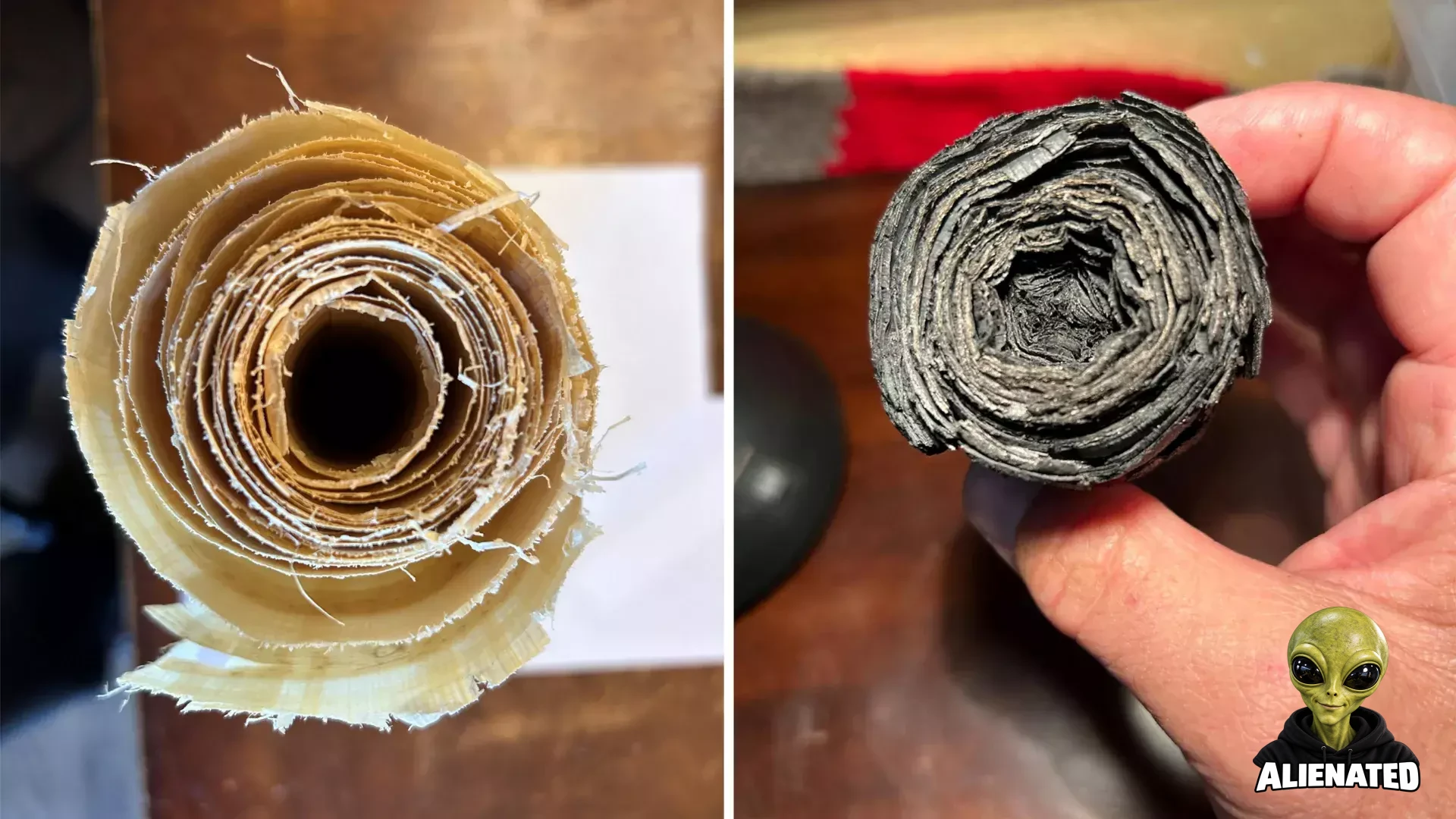
Scientists burned their own scrolls to unlock a 2,000-year-old mystery
ScienceDaily — Archaeology

A Metal Detectorist Kept Finding Ancient Coins in a German Field—Then He Hit a 1,900-Year-Old Jackpot
The Debrief
Century-Old Suspicion of Human Sacrifice in Ancient Egypt Surfaces in a Startling Discovery
The Debrief