
A Metal Detectorist Kept Finding Ancient Coins in a German Field—Then He Hit a 1,900-Year-Old Jackpot

 Tommy Alien ·
Automatically curated summary from The Debrief.
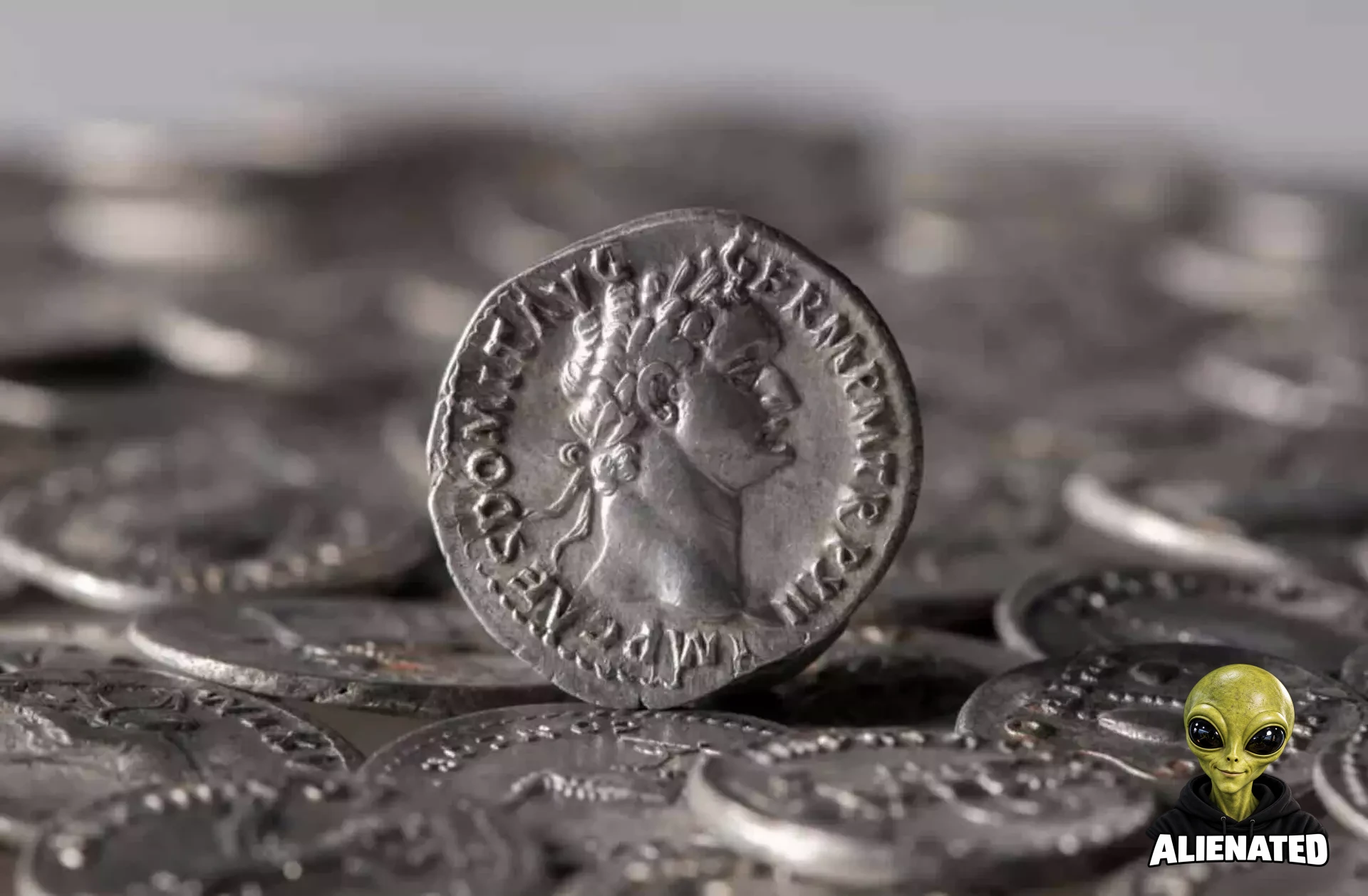
Authorized metal detectorist Oliver Riedl uncovered a massive hoard of over 934 ancient Roman denarii near Wesseling, Germany. After his initial discovery, Riedl contacted archaeologists from Germany's LVR Office for Archaeological Heritage Management, who excavated the nearly seven-pound silver collection. Believed to be buried around A.D. 125 during Emperor Hadrian's reign, the hoard spans centuries of coinage from 148 B.C. to the era of the Flavian emperors and Hadrian. It marks the largest known coin hoard from this period ever discovered in Germany.
Context and limitations
The identity of the hoard's owner, the exact reason for its burial, and why it was left unretrieved remain unknown, with no direct evidence currently linking the deposit to military activity.
Comments
Related articles
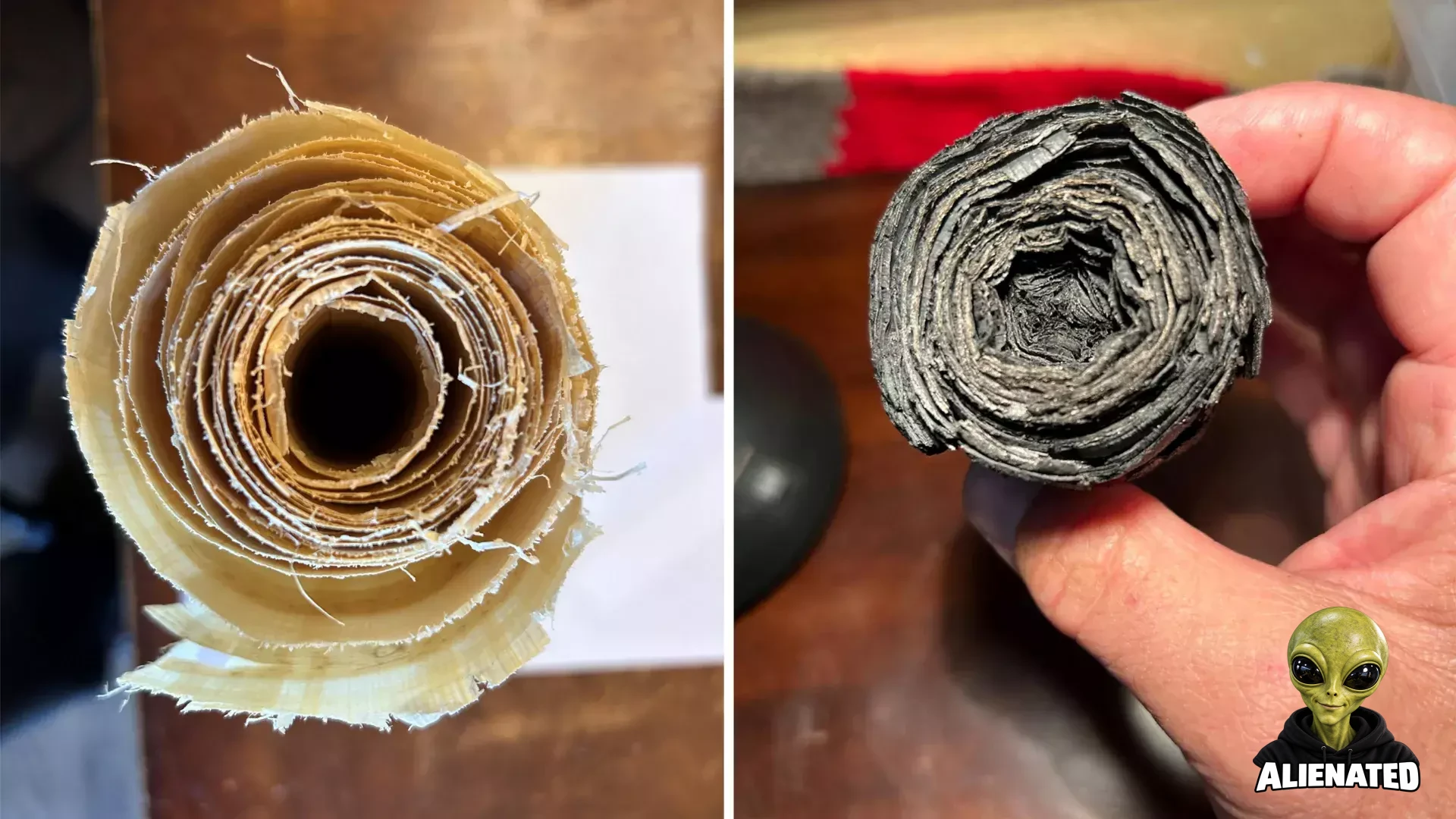
Scientists burned their own scrolls to unlock a 2,000-year-old mystery
ScienceDaily — Archaeology

Century-Old Suspicion of Human Sacrifice in Ancient Egypt Surfaces in a Startling Discovery
The Debrief

Hidden in a Mexican Cave for Centuries, This Trio of Mysterious Glyphs Offers New Evidence of an Enigmatic Ancient Writing System
The Debrief