
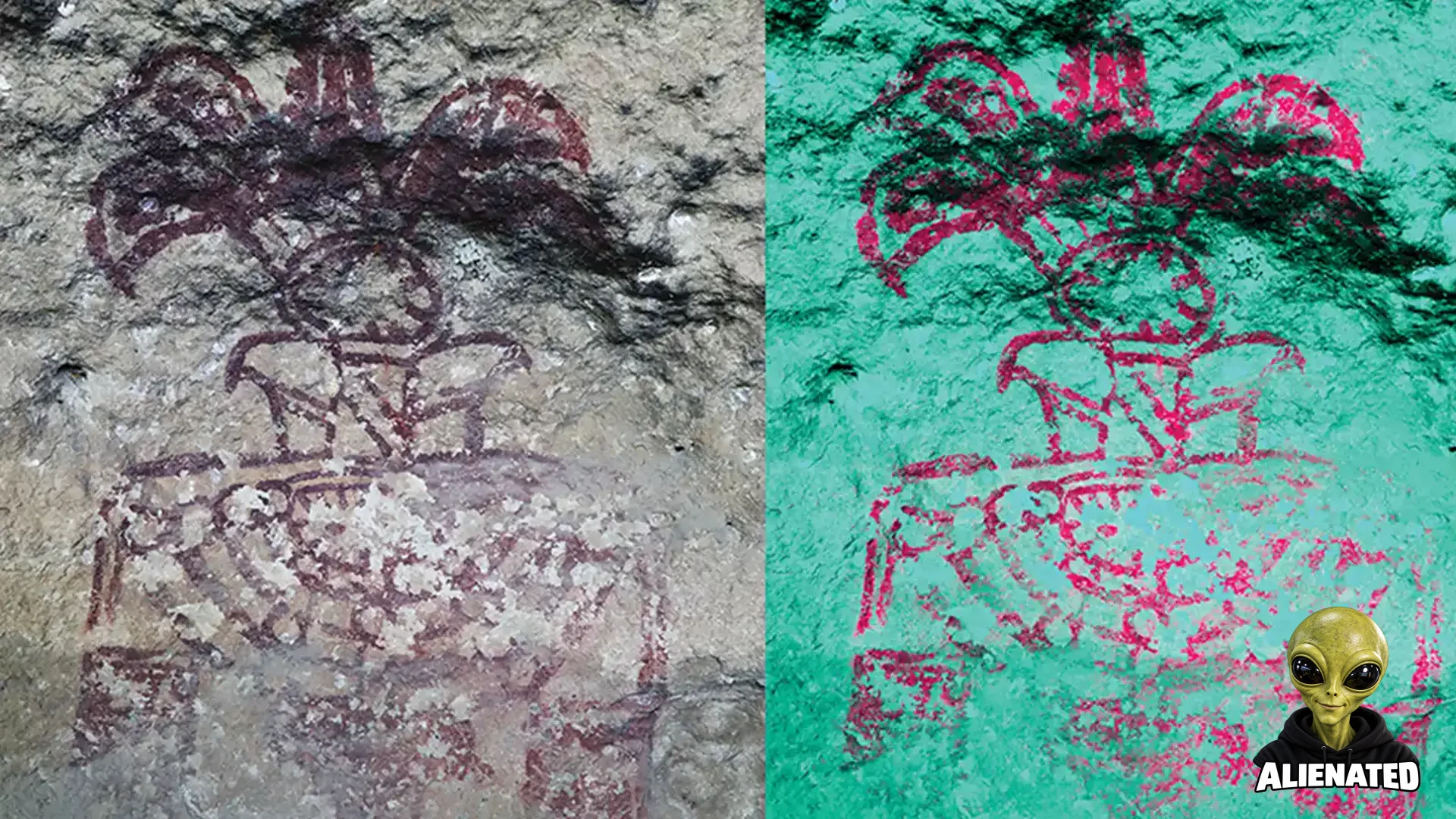
Hidden in a Mexican Cave for Centuries, This Trio of Mysterious Glyphs Offers New Evidence of an Enigmatic Ancient Writing System
 Tommy Alien ·
Automatically curated summary from The Debrief.
In a study published in Antiquity, researchers analyzing 1,500-year-old red paintings in Cave 19 at Chalcatzingo, Mexico, suggest ancient visitors from Teotihuacan performed rituals at the site. Using digital enhancement, archaeologists identified three glyphs, including one translating to "Singing Mountain"—a destination also depicted in murals at Teotihuacan. Other glyphs depict warrior emblems and a star-covered frame above a fire-blackened stone shelf. Researchers hypothesize the cave served as a pilgrimage site for commemorating or potentially cremating dead warriors, providing evidence that Teotihuacan possessed a true writing system that spread beyond the metropolis.
Context and limitations
The idea that cremation rituals occurred on the stone shelf remains a hypothesis without direct physical material evidence, and glyph interpretations rely on digital imaging enhancements and artistic context.
Comments
Related articles
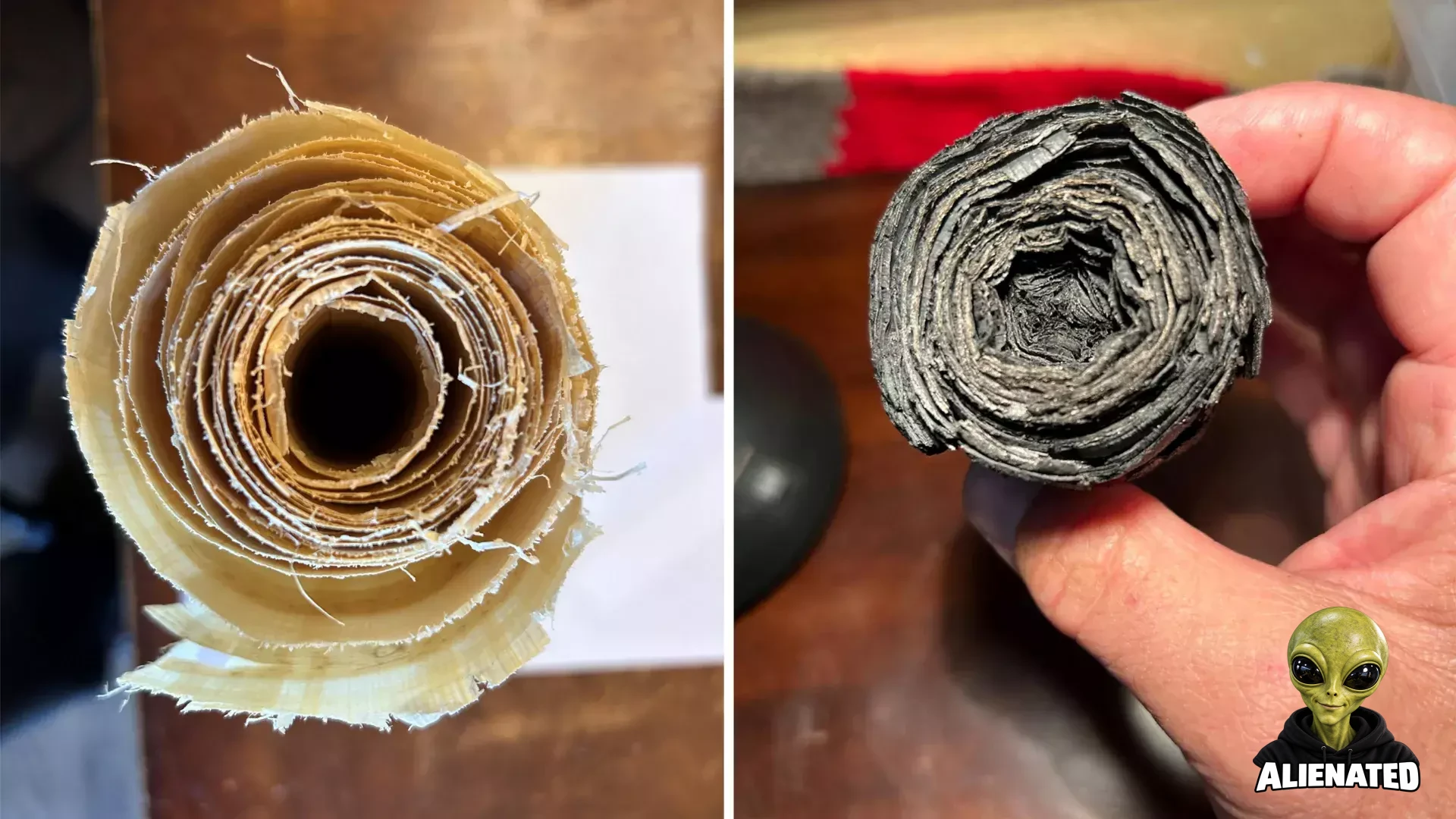
Scientists burned their own scrolls to unlock a 2,000-year-old mystery
ScienceDaily — Archaeology
A Metal Detectorist Kept Finding Ancient Coins in a German Field—Then He Hit a 1,900-Year-Old Jackpot
The Debrief
Century-Old Suspicion of Human Sacrifice in Ancient Egypt Surfaces in a Startling Discovery
The Debrief