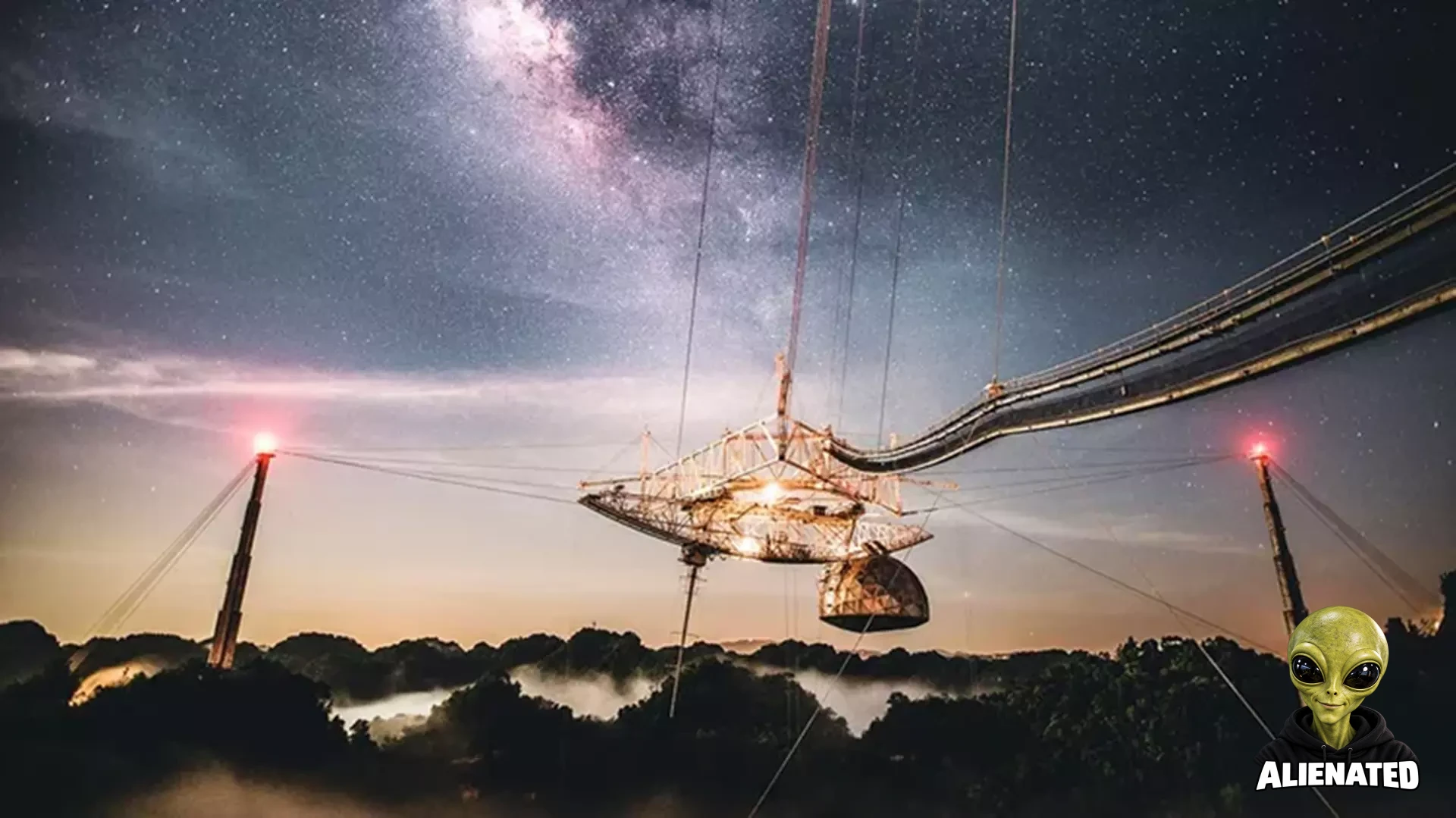
The legacy of Arecibo's nearly 60 years of radio astronomy is strong even after its loss in a tragic 2020 collapse. Among its major accomplishments was hosting the first attempt at Messaging Extraterrestrial Intelligence (METI). Credit: University of Central Florida
According to an article published by Universe Today, the latter half of the 20th century marked a major expansion in both the Search for Extraterrestrial Intelligence (SETI) and Messaging Extraterrestrial Intelligence (METI). This period featured pivotal developments transitioning scientific efforts from an interplanetary to an interstellar focus. Key milestones highlighted in the excerpt include the execution of the first interstellar SETI and METI experiments, specifically Project Ozma and the Arecibo Message.
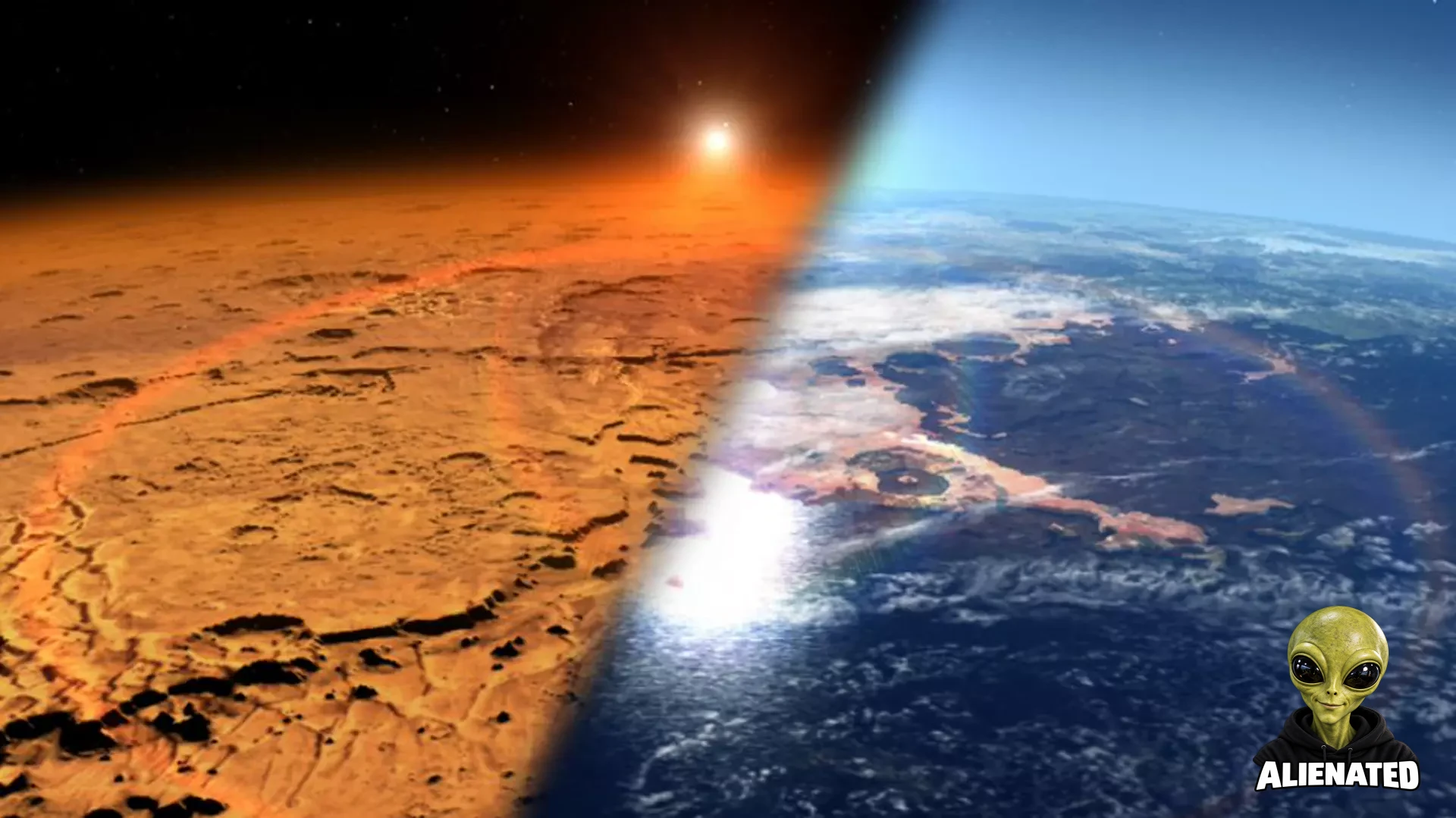
This artist's concept depicts the early Martian environment (right) – believed to contain liquid water and a thicker atmosphere – versus the cold, dry environment seen on Mars today (left). Credit: NASA's Goddard Space Flight Center.
According to a report by Universe Today, scientists have conducted a study analyzing how ancient rainfall on Mars billions of years ago may have influenced where the chemistry necessary for life could begin. The researchers mapped the potential distribution of formaldehyde—a crucial prebiotic molecule—as it reached the Martian surface via ancient rains. The team suggests this map could serve as a guide for future space missions seeking signs of past life on Mars, though the provided excerpt does not detail their full methodology.
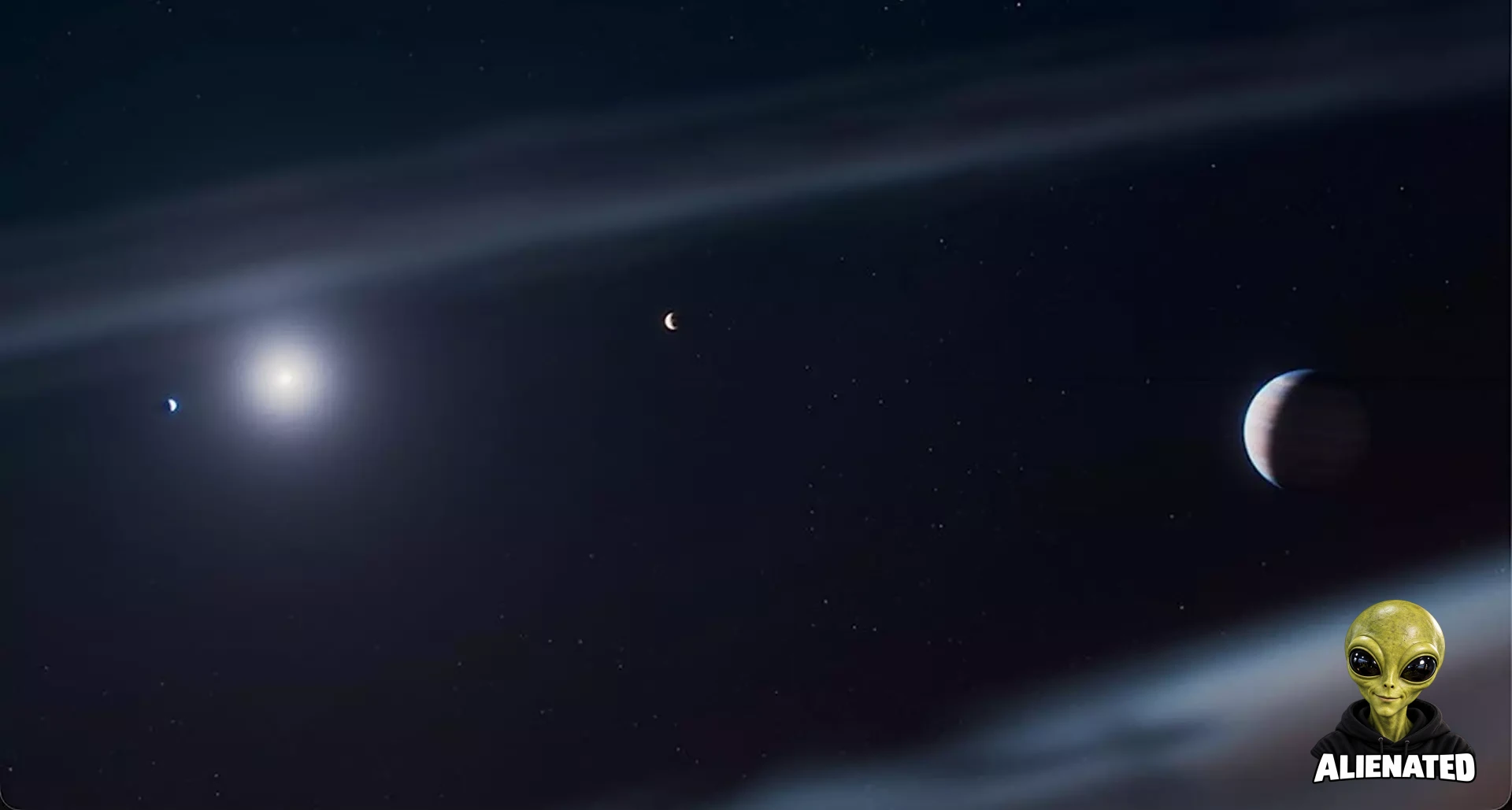
Researchers using South Africa’s MeerKAT radio telescope detected radio emissions from exoplanet Beta Pictoris b, located 63 light-years from Earth. According to a preprint study led by Kevin N. Ortiz Ceballos, the natural signals likely stem from auroral activity driven by an exceptionally powerful magnetic field estimated at over 1,250 gauss. The team hypothesizes this field could be powered by internal heat from the planet's young age or interactions with an undiscovered moon. If confirmed, this detection offers astronomers a new method to study exoplanet interiors and evaluate potential pl
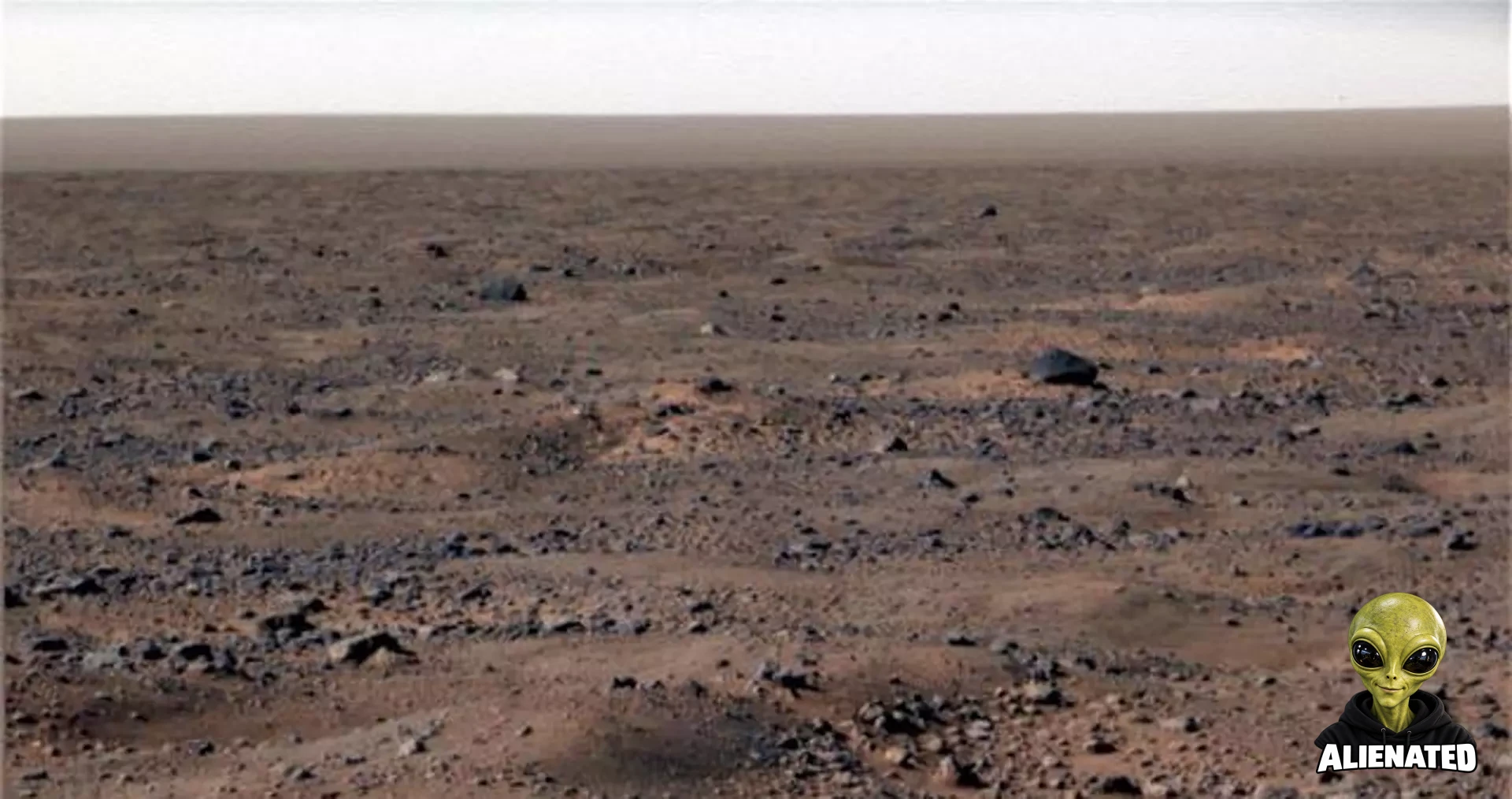
According to The Debrief, China plans to complete an AI-powered geological map of Mars by 2028 to support its Tianwen-3 robotic sample-return mission. Project chief scientist Hou Zengqian stated the mapping effort is essential for the mission, which aims to launch in 2028 and deliver Martian soil to Earth by 2031. The project relies on China's Tianwen-1 data alongside U.S. and European datasets. If successful on this timetable, China could become the first nation to return Mars samples, while NASA's parallel efforts face delays and redesigns.
Physicist Felipe Asenjo discussed research co-authored with Luca Comisso on extracting rotational energy from rotating black holes. Building on Roger Penrose’s 1969 theory, their study demonstrates that magnetic reconnection within a black hole's ergosphere can split plasma into two jets. One jet with negative energy falls past the event horizon, while the other escapes carrying stolen rotational energy, slowing the black hole down. Asenjo notes that while no fundamental scientific laws prevent an advanced civilization from harnessing these high-energy plasma flows, the practical technology re