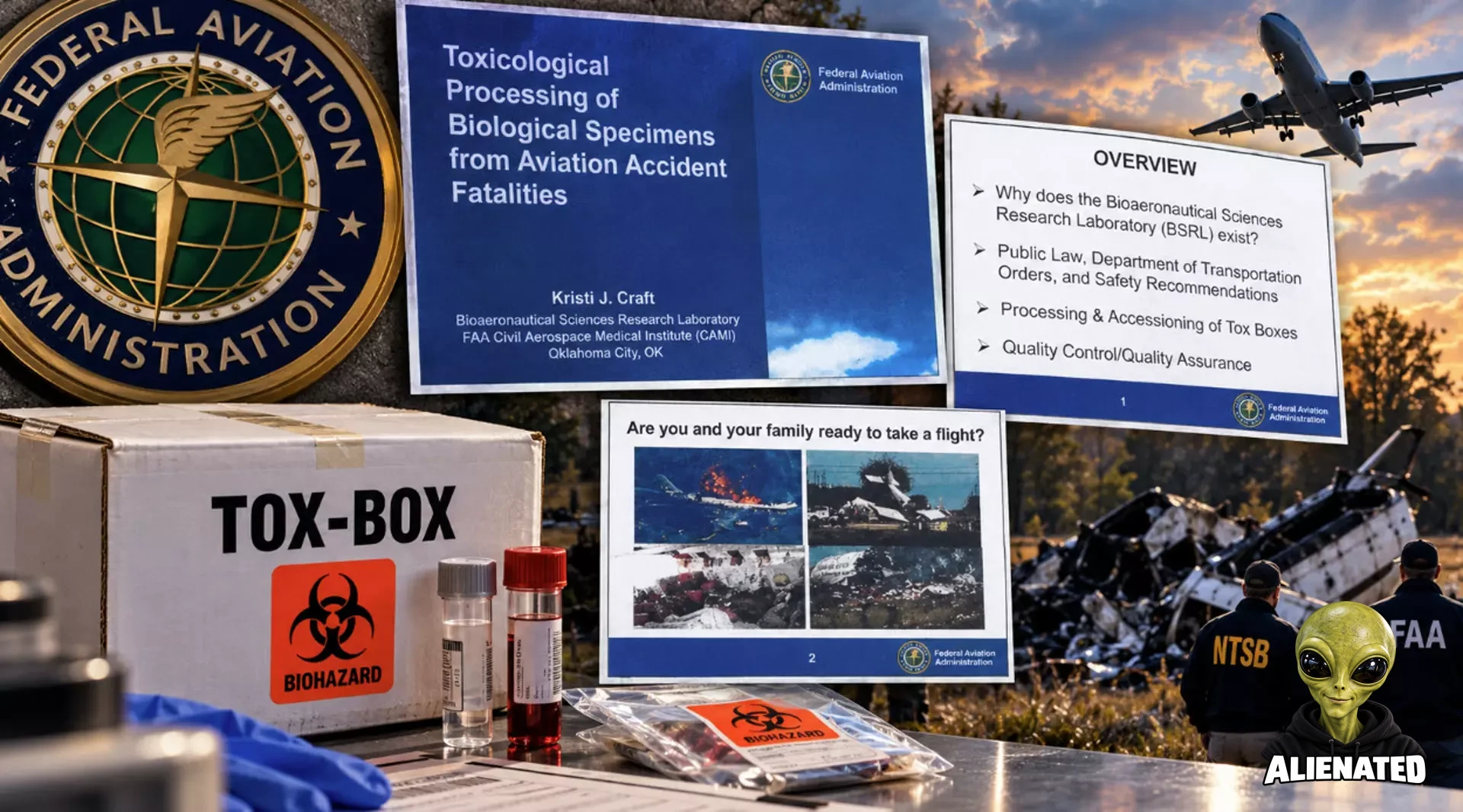
According to documents obtained via a Freedom of Information Act request by The Black Vault, the Federal Aviation Administration (FAA) released 20 pages of training slides detailing forensic toxicology and autopsy coordination procedures following fatal aviation accidents. The materials outline operations at the Civil Aerospace Medical Institute, including specimen collection via "TOX-BOX" kits, testing for drugs and alcohol, quality control measures, and collaboration with the NTSB. The release includes a case study demonstrating how a post-accident autopsy uncovered fatal coronary artery dis
In October 1997, the United States acquired 21 Soviet-built MiG-29 fighter jets and 500 air-to-air missiles from Moldova via the Nunn-Lugar program. Washington aimed to prevent Iran from acquiring the aircraft—14 of which U.S. officials claimed were nuclear-delivery capable—and to analyze the technology for military intelligence. Though Russian officials disputed the nuclear capability claim, the transaction successfully denied Iran access, with the full serial-by-serial disposition of all 21 airframes remaining officially unconfirmed.
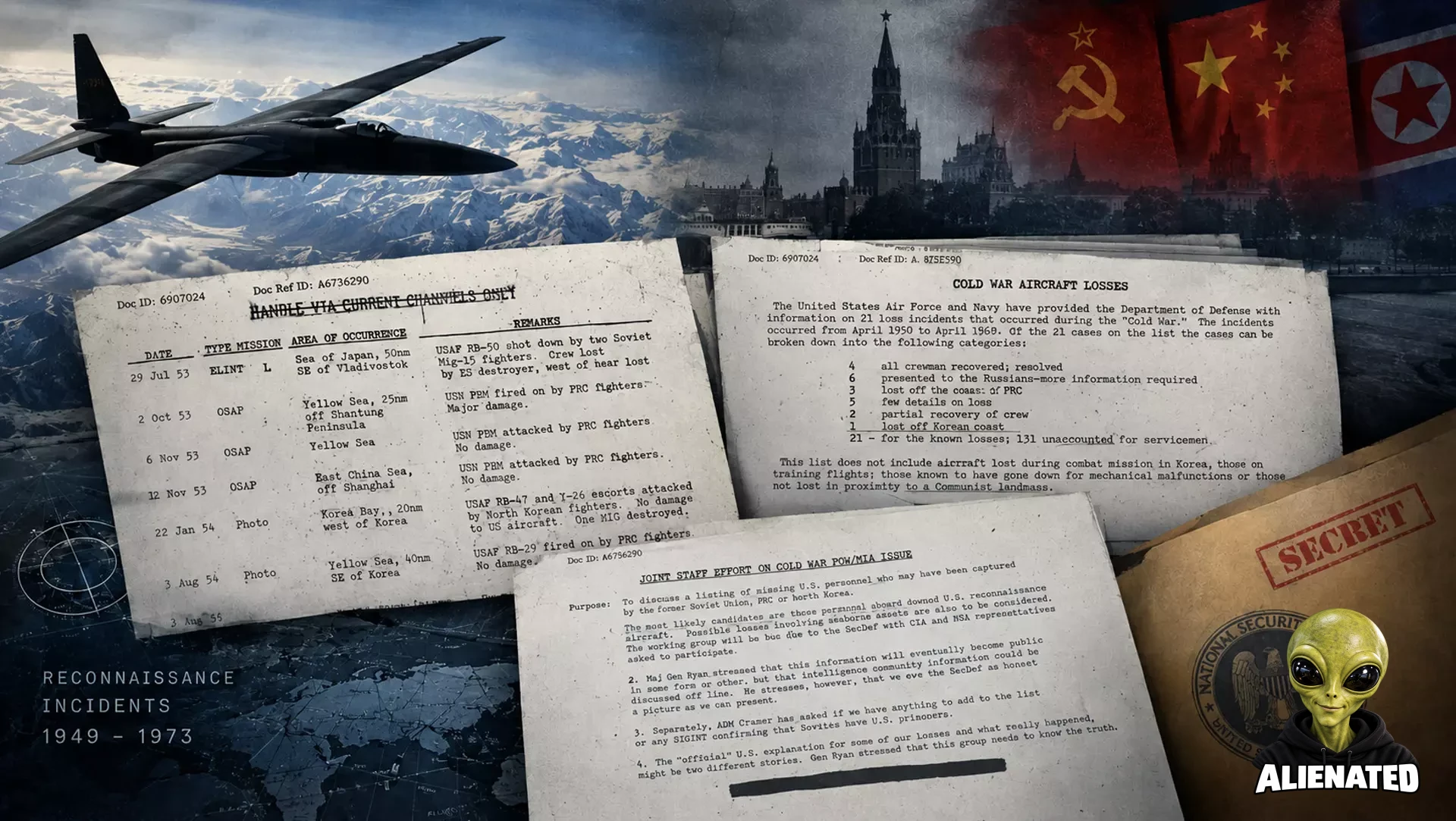
Newly released National Security Agency FOIA records obtained by The Black Vault detail a 1992 Pentagon effort to examine Cold War reconnaissance aircraft losses and 131 unaccounted-for servicemen. A June 1992 memorandum indicates officials questioned whether official U.S. explanations for certain losses differed from what actually occurred, aiming to deliver an accurate assessment regarding missing personnel who might have fallen into foreign custody. However, the released records do not prove servicemen survived in foreign custody or that official explanations were false. Certain portions of
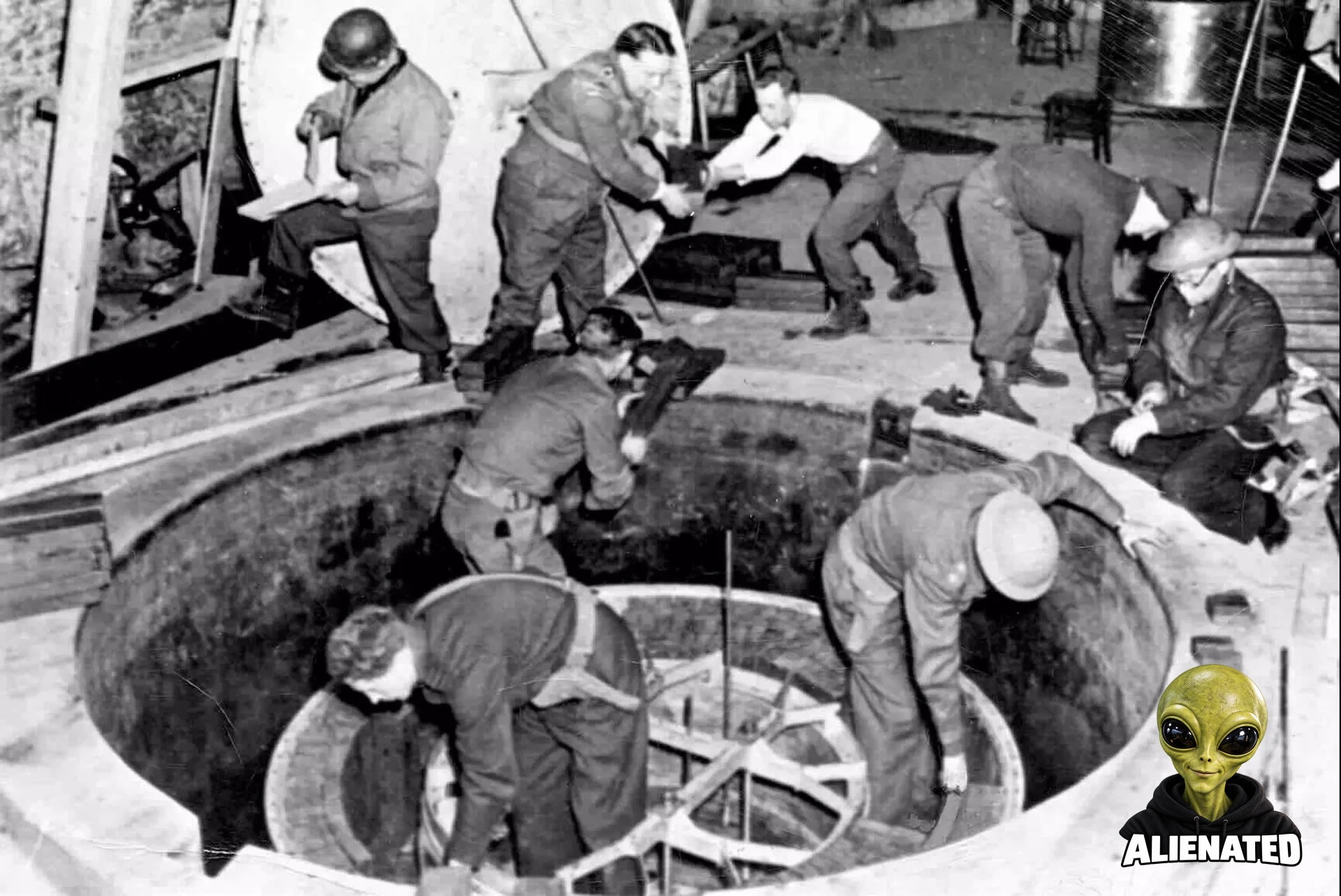
According to a report by The Debrief, new research published in PNAS Nexus indicates Nazi Germany was significantly further from developing a nuclear weapon during World War II than previously claimed. Project leader Werner Heisenberg had asserted that the 1945 Haigerloch reactor was near achieving criticality. However, American researchers analyzing surviving uranium cubes and modeling the reactor concluded that reaching criticality was logistically impossible. Germany lacked sufficient heavy water production, and its available graphite was too impure, showing that the Nazi nuclear program fa