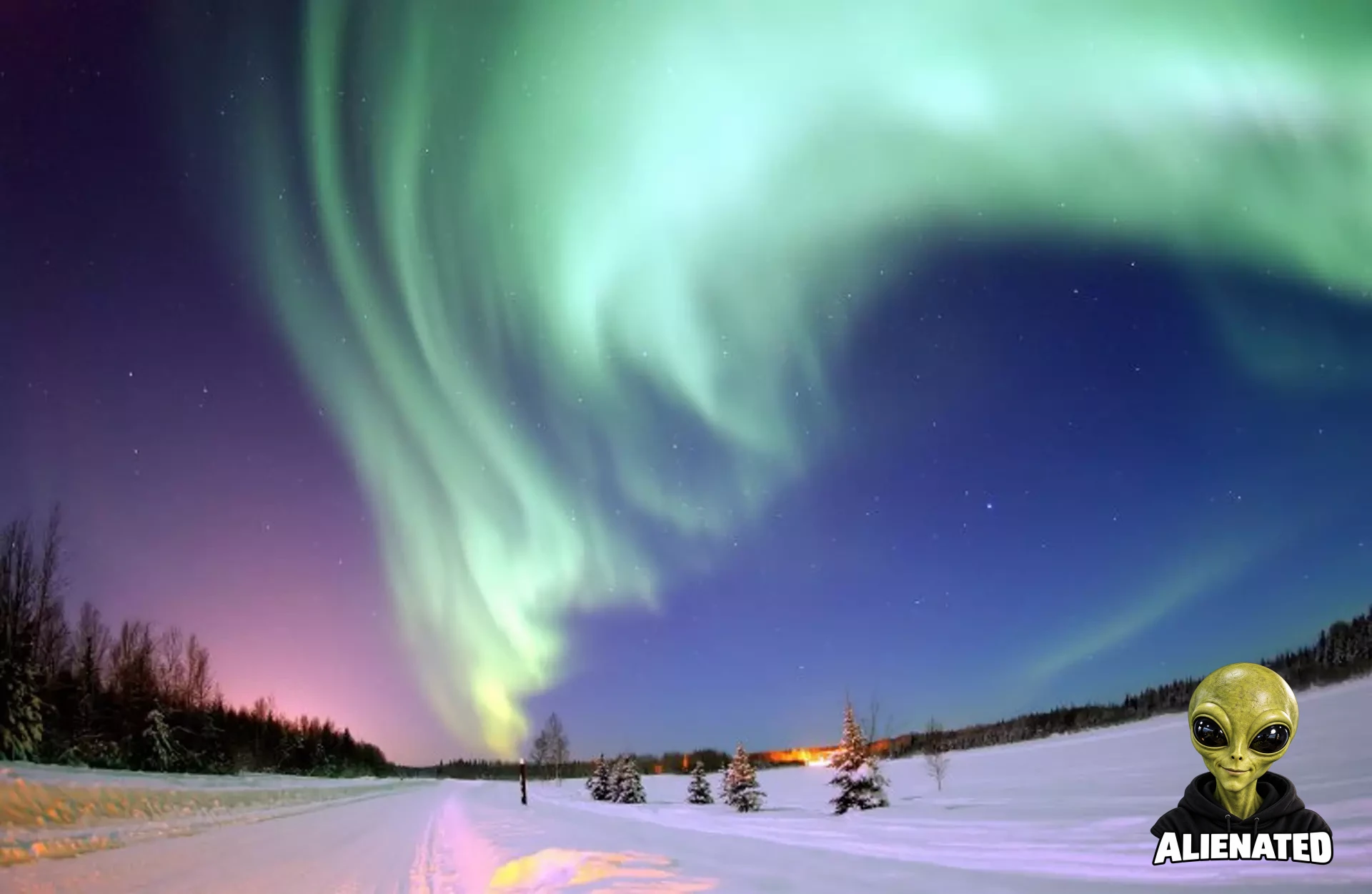
According to a report published by Whitley Strieber's Unknown Country, a large, glowing, tentacle-like atmospheric formation resembling a translucent jellyfish was observed across parts of the southeastern and Mid-Atlantic United States in the early morning of Tuesday, October 13, 2026. The luminous predawn spectacle reportedly captivated observers across the region. Although described as an otherworldly sight, the publication notes that the display has a surprisingly straightforward explanation, though the full details are omitted in the provided excerpt.
A blog post on Ghost Hunting Theories lists ten allegedly cursed locations across the United States associated with historical tragedies, unexplained disappearances, and regional folklore. Featured sites include Centralia, Salem, Gettysburg Battlefield, the Alaskan Triangle, Brunswick Springs, Roanoke Island, Two Guns, the Superstition Mountains, Dudleytown, and the Bermuda Triangle. The author blends documented historical events, such as the 1692 Salem witch trials and Centralia's underground mine fire, with popular legends, paranormal speculation, and unverified personal anecdotes regarding
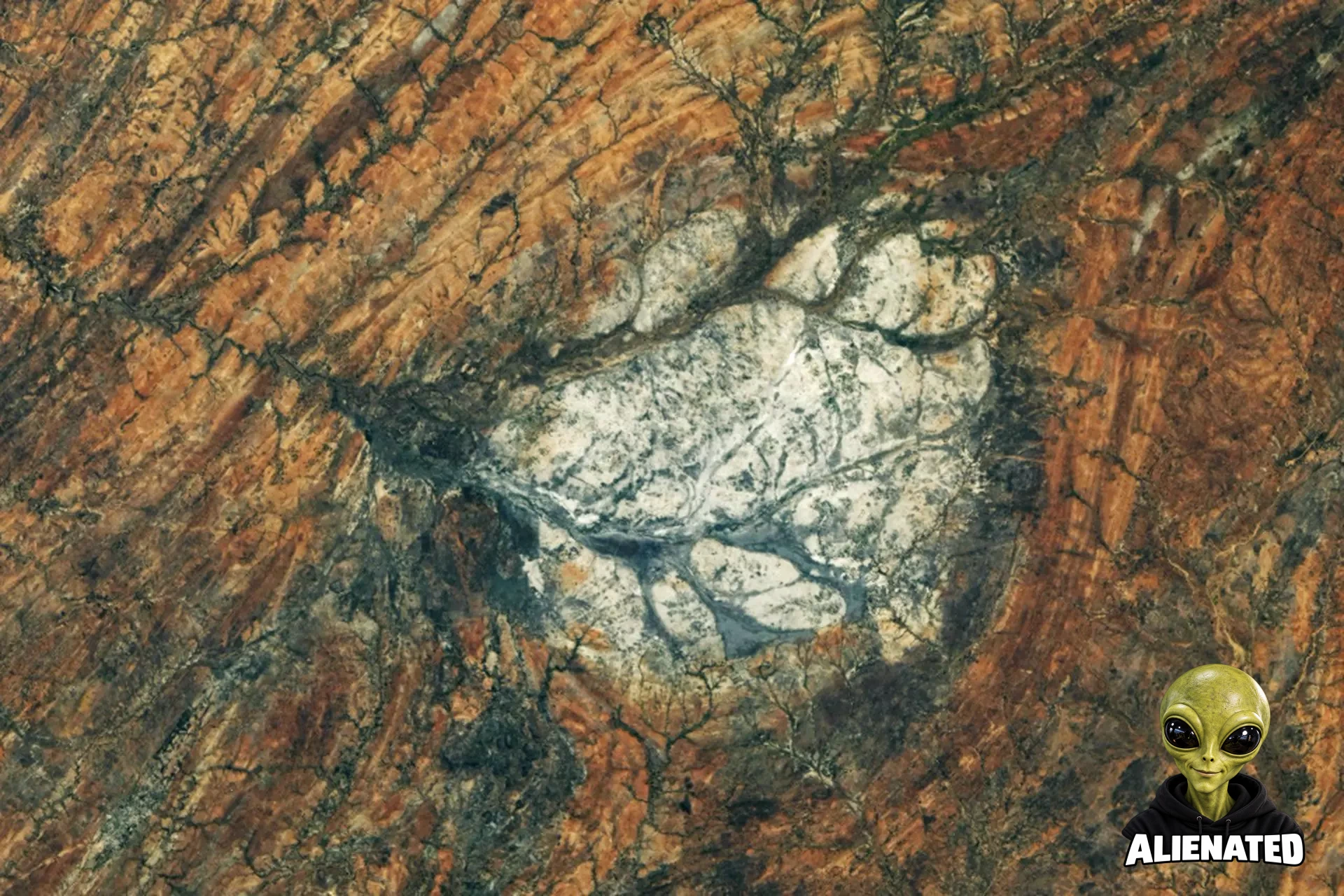
According to NASA, an astronaut aboard the International Space Station captured an image of the Saririaky anorthosite massif in southern Madagascar on August 28, 2026. Anorthosite, an intrusive igneous rock covering about 100 square kilometers in this region, is also abundant in the Moon's lunar highlands. Scientists believe this massif formed over 600 million years ago during the creation of the supercontinent Gondwana. Because lunar rock samples are limited, researchers study terrestrial anorthosite analogs to better understand the Moon's ancient crust and geological history.
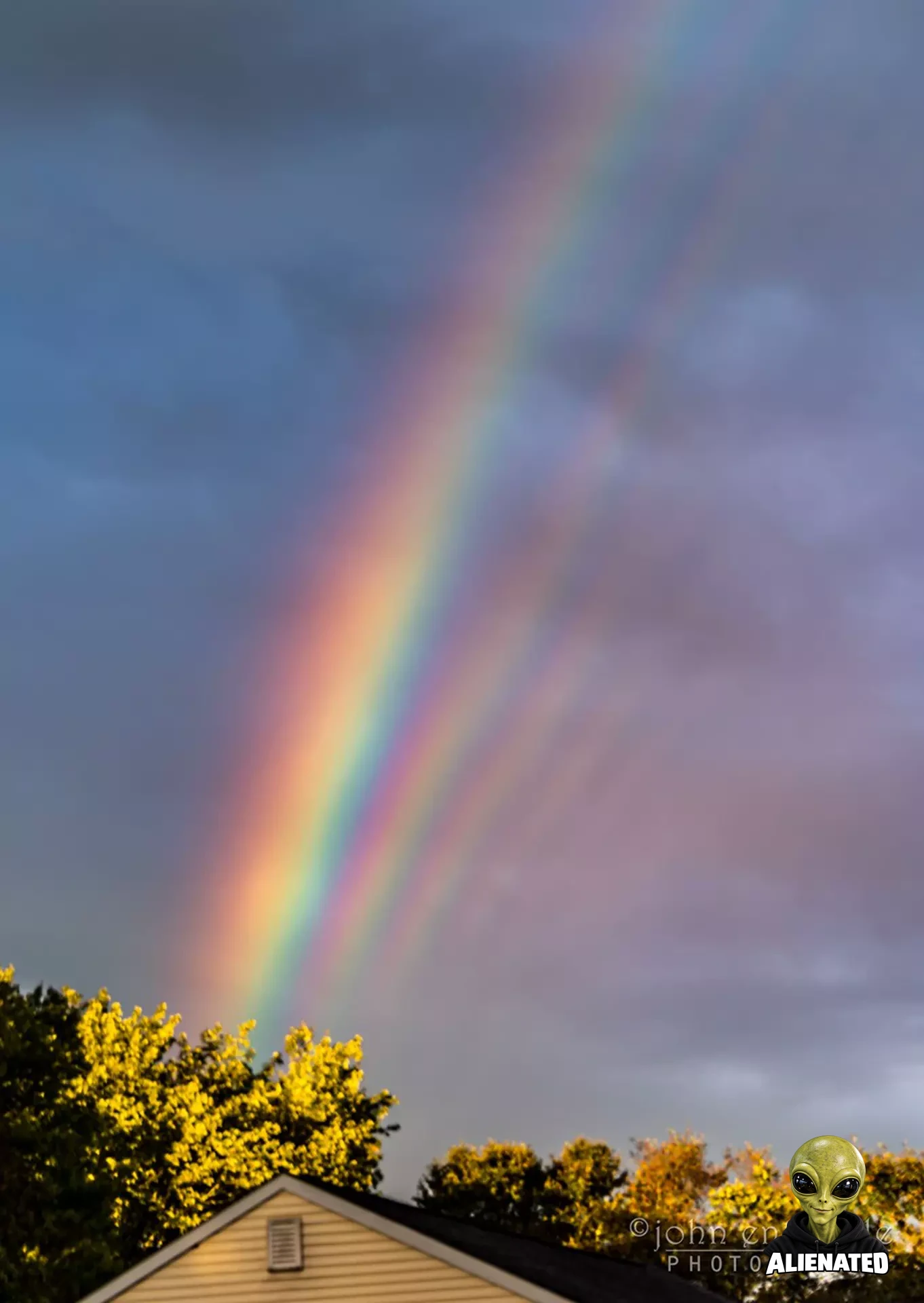
According to NASA's Astronomy Picture of the Day, photographer John Entwistle captured a rare display of supernumerary rainbows over the Jersey Shore following Hurricane Florence in 2018. The featured image shows at least five distinct rainbow bands fading in and out. As explained by astronomers, supernumerary rainbows form when sunlight undergoes wave interference inside uniform falling water droplets smaller than one millimeter. Historically, the observation of these interference patterns in the early 1800s provided crucial early evidence demonstrating the wave nature of light.
According to a report by The Debrief, a Polish-Peruvian research team using drone-mounted LiDAR technology discovered over 1.6 miles of previously unknown Inca roadways near Peru’s Machu Picchu National Archaeological Park. Led by Bartłomiej Ćmielewski, Jeff Rocky Contreras Soto, and Prof. Mariusz Ziółkowski, the survey revealed roads, platforms, and terraces across the Urubamba Valley near the Mandor Wall. Researchers state these findings provide new evidence of Inca activity on the opposite bank of the valley. The team plans further remote-sensing and partial excavations through 2027 to veri
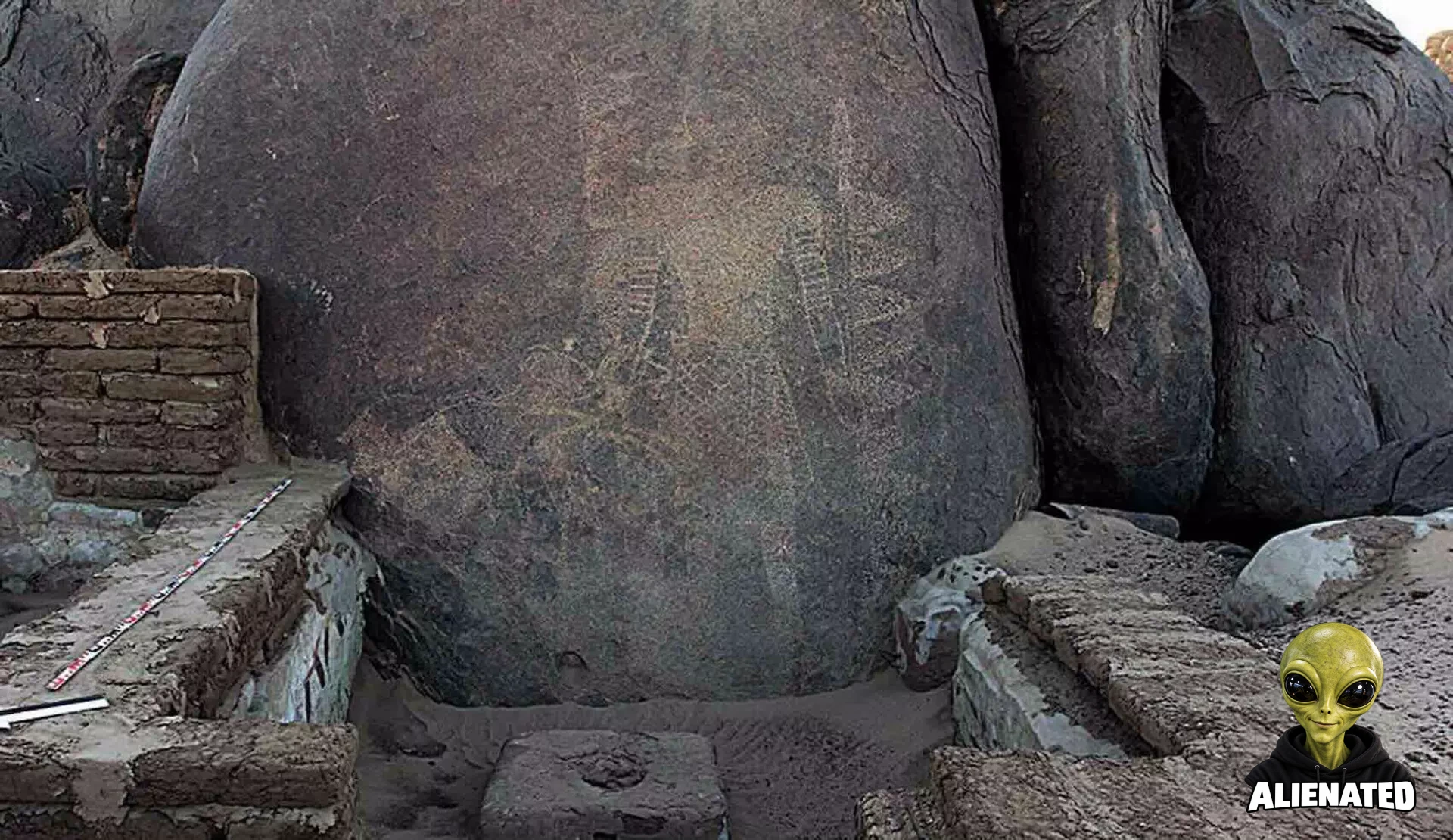
According to a report by The Debrief on a study published in Antiquity, researchers led by Dr. Joanna A. Ciesielska of the University of Warsaw have uncovered new context regarding a life-sized granite petroglyph in Miseeda, Sudan. The ancient figure, incorporated into a seventh-century Christian church site, may depict an ancient Kushite king or Nubian ruler marking a historic borderland, drawing comparisons to a carving at Gebel Qeili. However, researchers emphasize that the exact age and identity of the figure remain unknown, requiring additional investigation to confirm their hypotheses.
Researchers from the University of Oslo’s Centre for Planetary Habitability report that Earth experienced rapid episodes of "true polar wander" (TPW) over the past 320 million years, particularly during the Jurassic and Cretaceous periods. By analyzing global continental flooding patterns and sea-level shifts, the team identified distinct TPW signals that challenge the traditional view of TPW as consistently slow or negligible. The study corroborates earlier paleomagnetic suggestions of episodic shifts while finding little evidence for competing hypotheses regarding Cenozoic TPW or Pangea's ra
The earliest evidence of an internal ‘GPS’ system in an animal has been identified by researchers, which could help explain how modern birds and fish evolved the ability to use the Earth’s magnetic field to navigate long distances. Credit: Rich Harrison
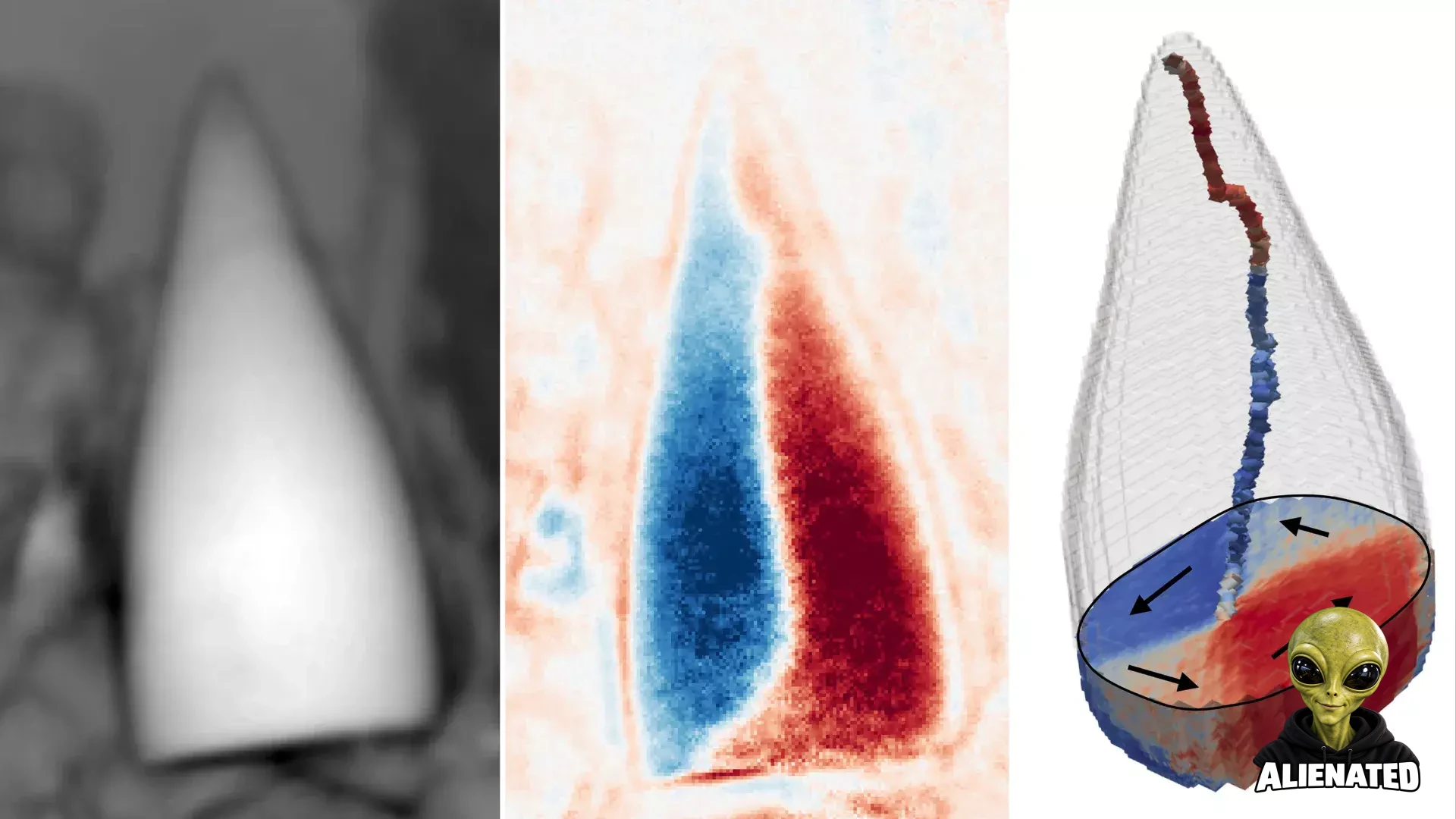
According to a report from ScienceDaily, mysterious 97-million-year-old magnetic fossils may represent the earliest known evidence of an animal utilizing Earth's magnetic field as a natural navigation system. Researchers suggest that the sophisticated magnetic structure found in these fossils could have enabled an unidentified ocean creature to navigate thousands of kilometers with remarkable precision. However, details remain limited based on the feed excerpt alone, leaving the exact identity of the creature unconfirmed.
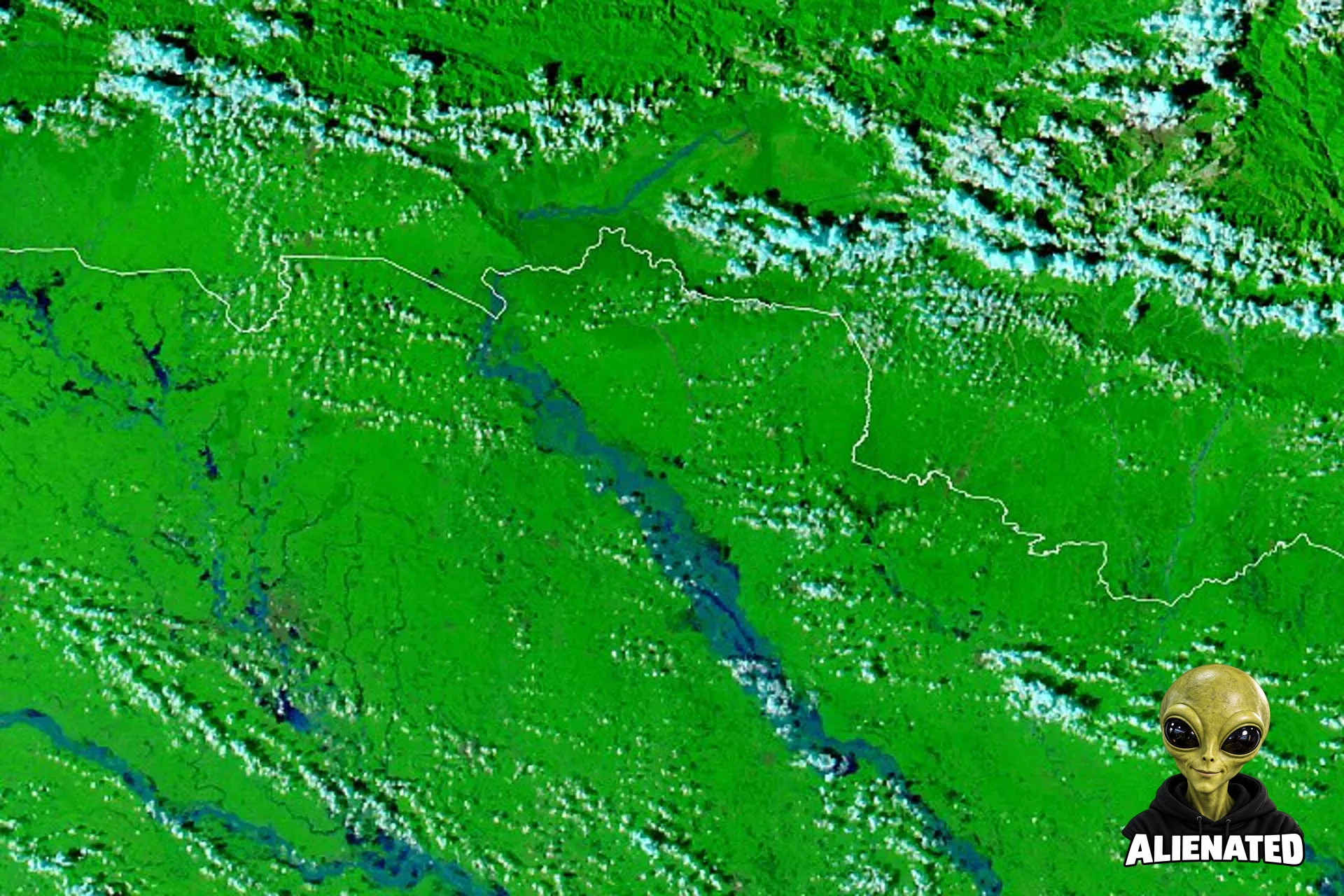
According to NASA's Earth Observatory, torrential late-monsoon rainfall between September 24 and 27, 2026, triggered severe flooding along the Gandak River across Nepal and India. Satellite imagery captured by MODIS on NASA's Terra and Aqua satellites shows river expansion, breached embankments, and inundated settlements and farmland. A hydrological gauge in Devghāt recorded a peak level of 11.94 meters, its highest since measurements began in the 1960s. NASA notes that media reports indicated hundreds of villages were affected and thousands of people displaced while damage assessments continu
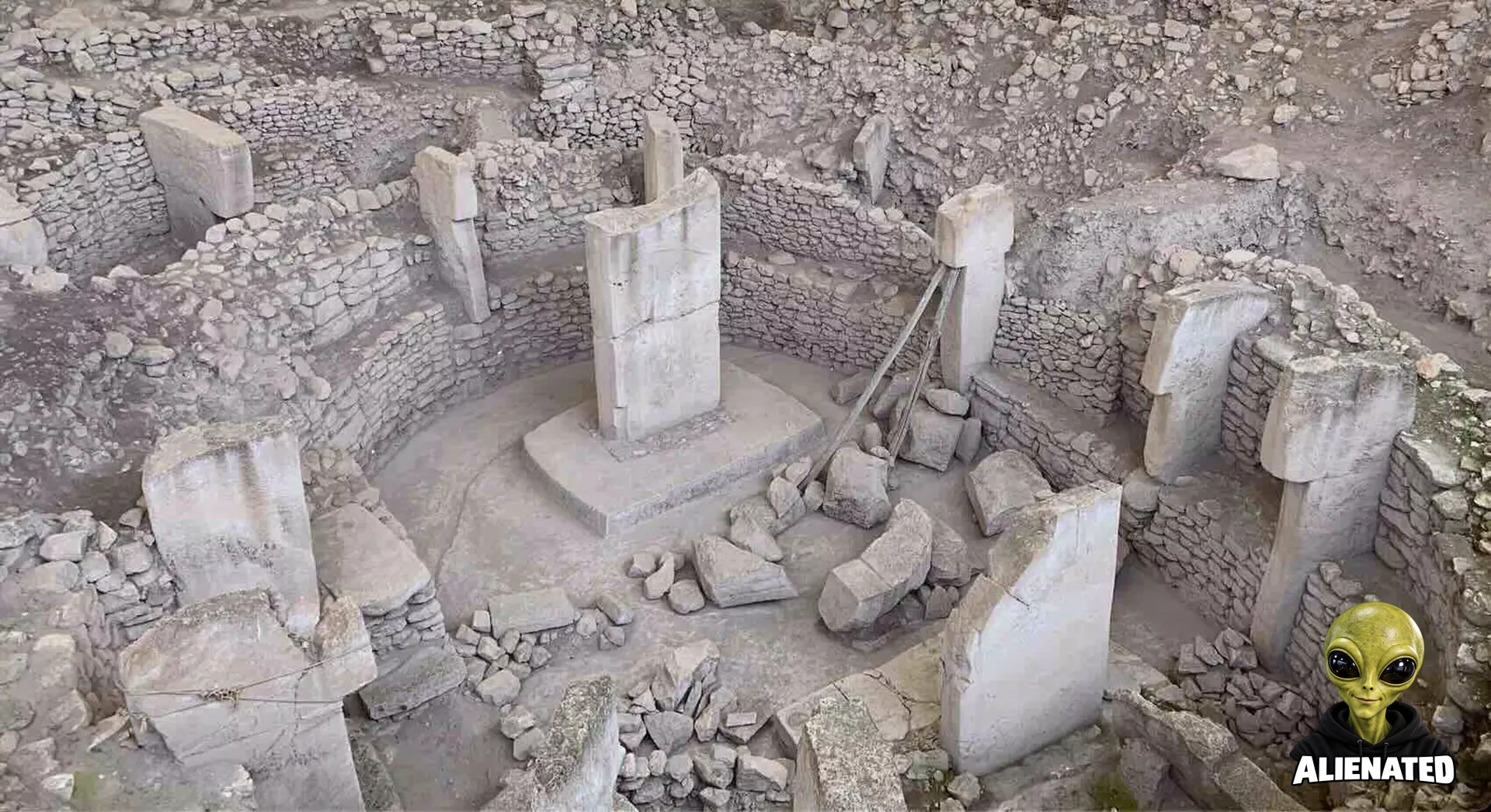
According to a report by The Debrief, archaeologists Lee Clare and Julia Gresky have documented the first confirmed human burials at Göbekli Tepe in a PLOS One study. Located in southeastern Turkey, the 11,600-year-old site was long interpreted primarily as a ceremonial gathering place or the world's first temple. However, the recent discovery of two intact burial pits dating between 8,700 and 8,000 BCE, alongside earlier signs of grain storage, strengthens arguments that the ancient complex also served as a permanent habitation site.
Authorized metal detectorist Oliver Riedl uncovered a massive hoard of over 934 ancient Roman denarii near Wesseling, Germany. After his initial discovery, Riedl contacted archaeologists from Germany's LVR Office for Archaeological Heritage Management, who excavated the nearly seven-pound silver collection. Believed to be buried around A.D. 125 during Emperor Hadrian's reign, the hoard spans centuries of coinage from 148 B.C. to the era of the Flavian emperors and Hadrian. It marks the largest known coin hoard from this period ever discovered in Germany.
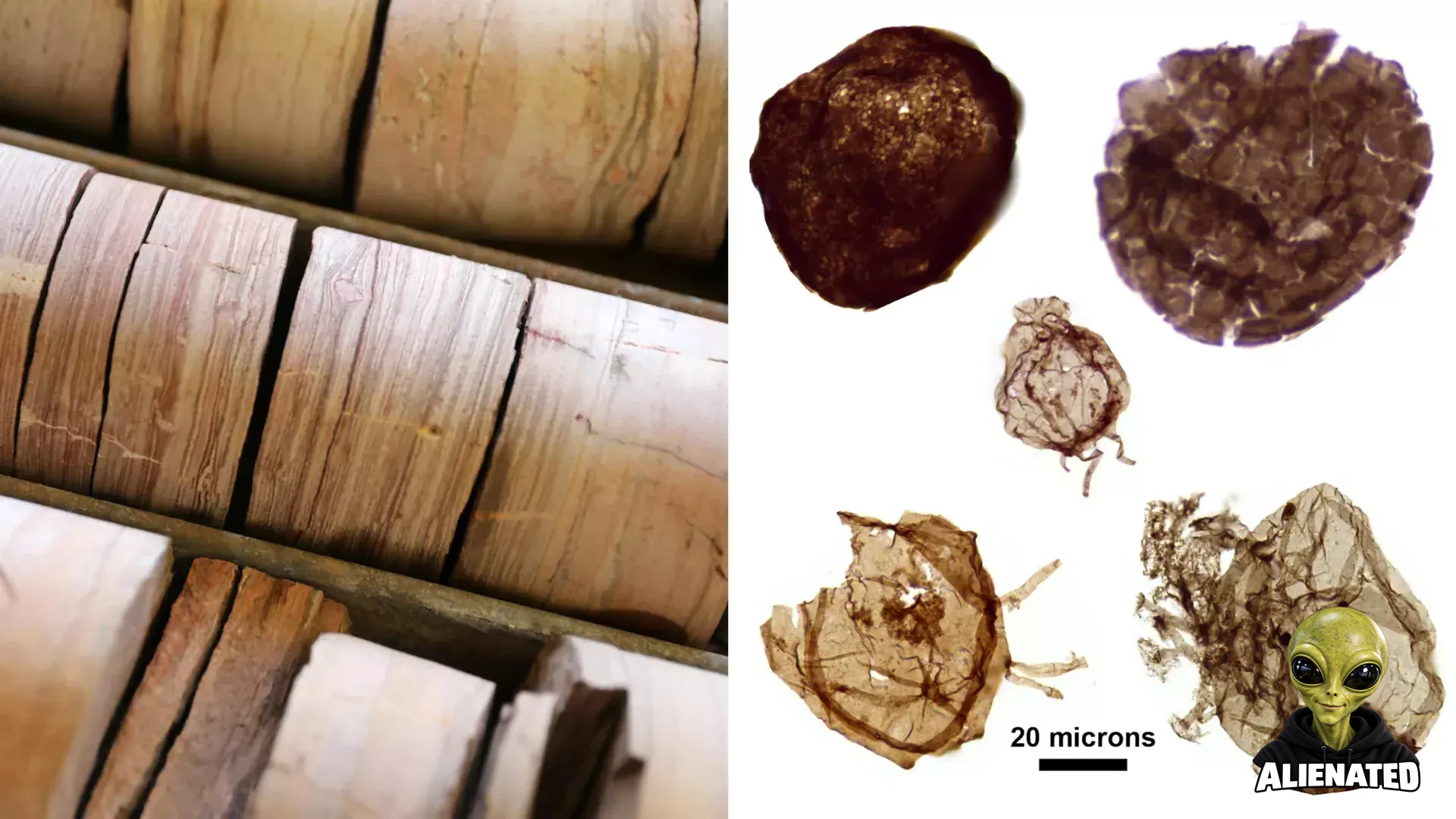
Left: Drill cores of sedimentary rock that contain microscopic fossils. Credit: Maxwell Lechte Right: Fossils of single-celled eukaryotic organisms with complex surface features such as extensions and plates. Credit: Leigh Anne Riedman
According to a report by ScienceDaily, scientists studying ancient Australian rocks discovered over 12,000 fossils of early eukaryotes, dated to 1.7 billion years ago. These complex cells inhabited diverse environments, including coastal mudflats and open seas, but were exclusively found in areas where oxygen was present. In contrast, oxygen-free environments were populated only by simpler microbes. Researchers note that these findings strengthen the theory that oxygen was essential for the emergence and distribution of complex life on Earth.