
1.7-billion-year-old fossils reveal a crucial clue to the rise of complex life
 Tommy Alien ·
Automatically curated summary from ScienceDaily — Archaeology.
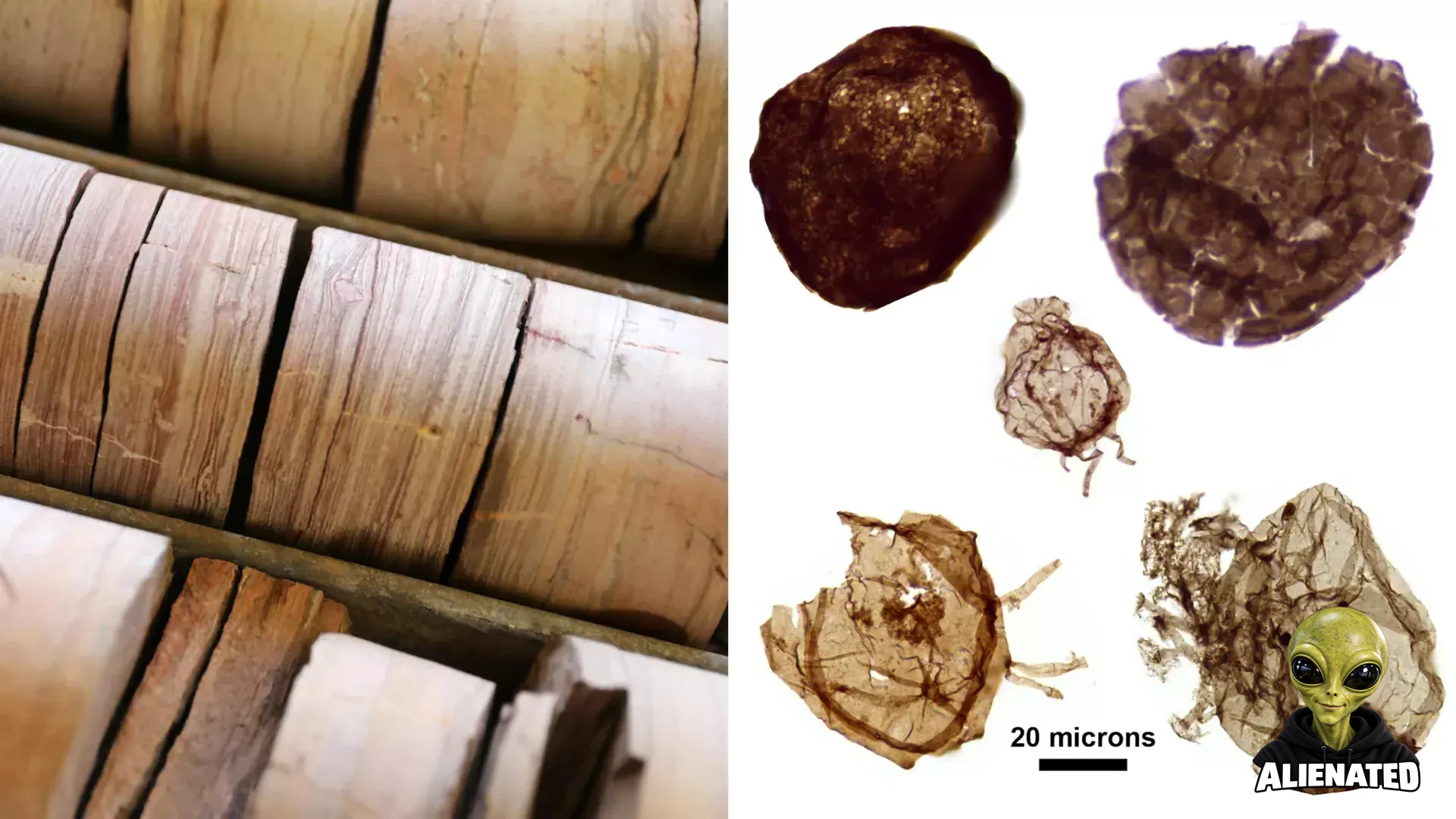
According to a report by ScienceDaily, scientists studying ancient Australian rocks discovered over 12,000 fossils of early eukaryotes, dated to 1.7 billion years ago. These complex cells inhabited diverse environments, including coastal mudflats and open seas, but were exclusively found in areas where oxygen was present. In contrast, oxygen-free environments were populated only by simpler microbes. Researchers note that these findings strengthen the theory that oxygen was essential for the emergence and distribution of complex life on Earth.
Context and limitations
This report is based on a brief feed excerpt and does not include the full study, specific dating methodologies, or peer-reviewed publication details.
Comments
Related articles

An aquanaut comes home: Returning to Earth from an undersea 'space station'
Space.com
Scientists Use Ancient Rains to Map the Possible Origin Life on Mars
Universe Today
The Chemistry in Stellar Nurseries is Complex, and a New 3D Model Highlights It
Universe Today