
The Chemistry in Stellar Nurseries is Complex, and a New 3D Model Highlights It
 Tommy Alien ·
Automatically curated summary from Universe Today.
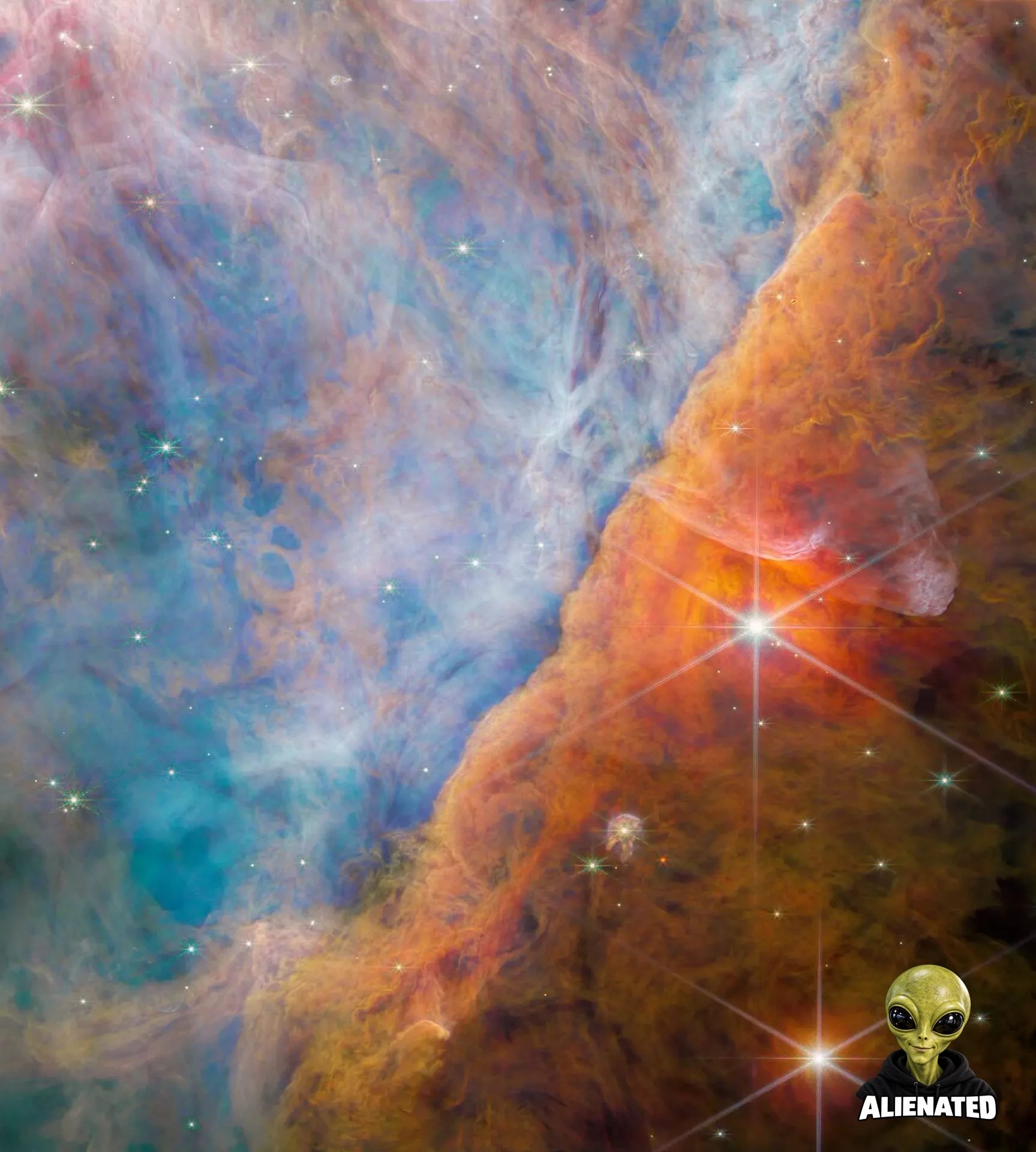
According to a report by Universe Today, researchers have developed a new 3D model of the Orion Bar, a feature within the Orion Nebula star-forming region. The model aligns with observations from the James Webb Space Telescope (JWST) and illustrates how young stars shape molecular clouds with radiation. By demonstrating how uneven structures create shadowed regions, the model helps explain variations in astrochemistry within stellar nurseries, offering insight into complex chemical environments where young stars emerge.
Context and limitations
The report relies on a brief summary of a 3D model focused specifically on the Orion Bar; full validation requires reviewing the peer-reviewed study and testing the model across other star-forming regions.
Comments
Related articles

An aquanaut comes home: Returning to Earth from an undersea 'space station'
Space.com
Queen's University Belfast Students Find Neptune's Elusive Trojan Asteroids
Universe Today
What Could Split a Black Hole in Two?
Universe Today