
An aquanaut comes home: Returning to Earth from an undersea 'space station'
 Tommy Alien ·
Automatically curated summary from Space.com.
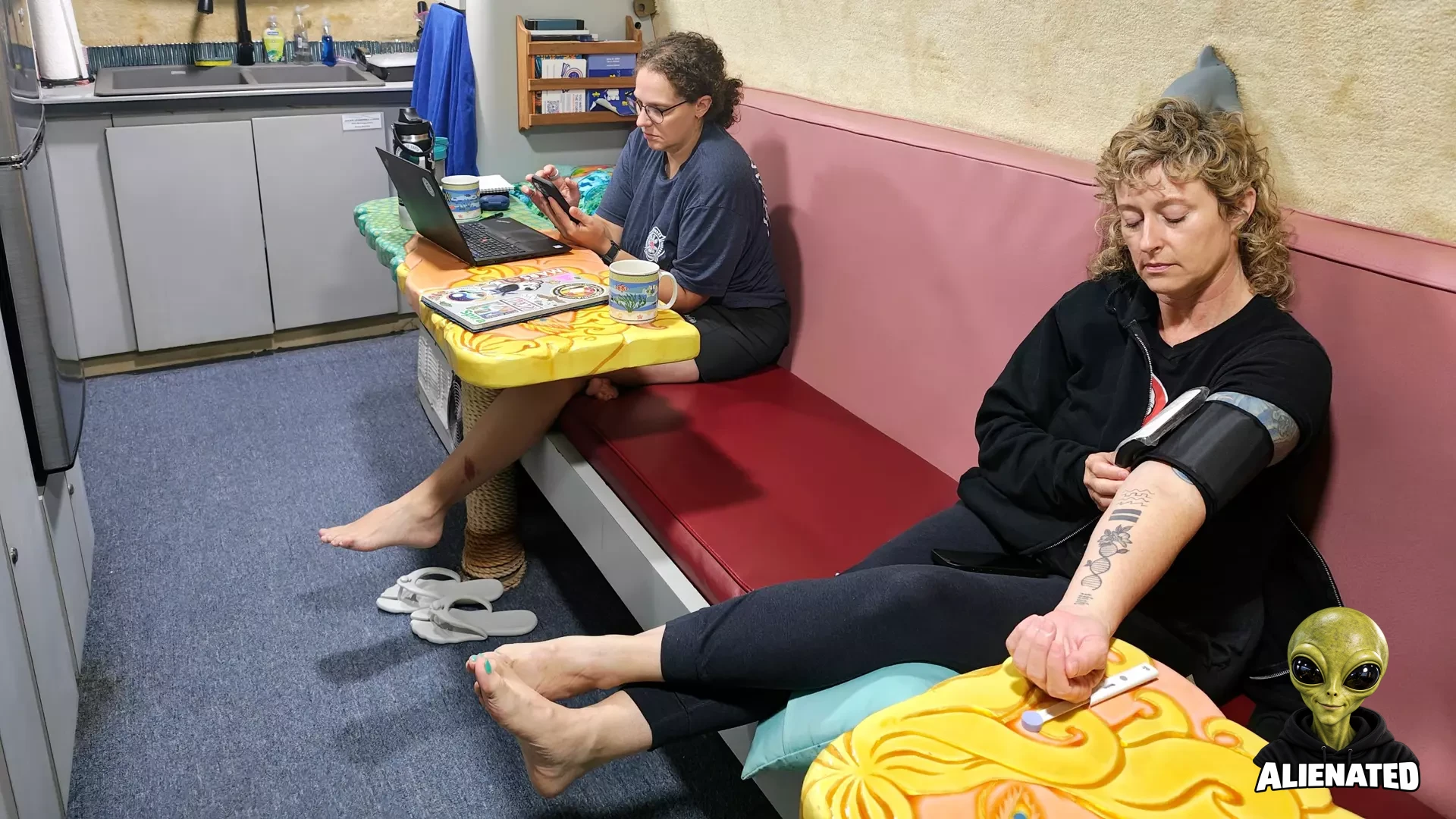
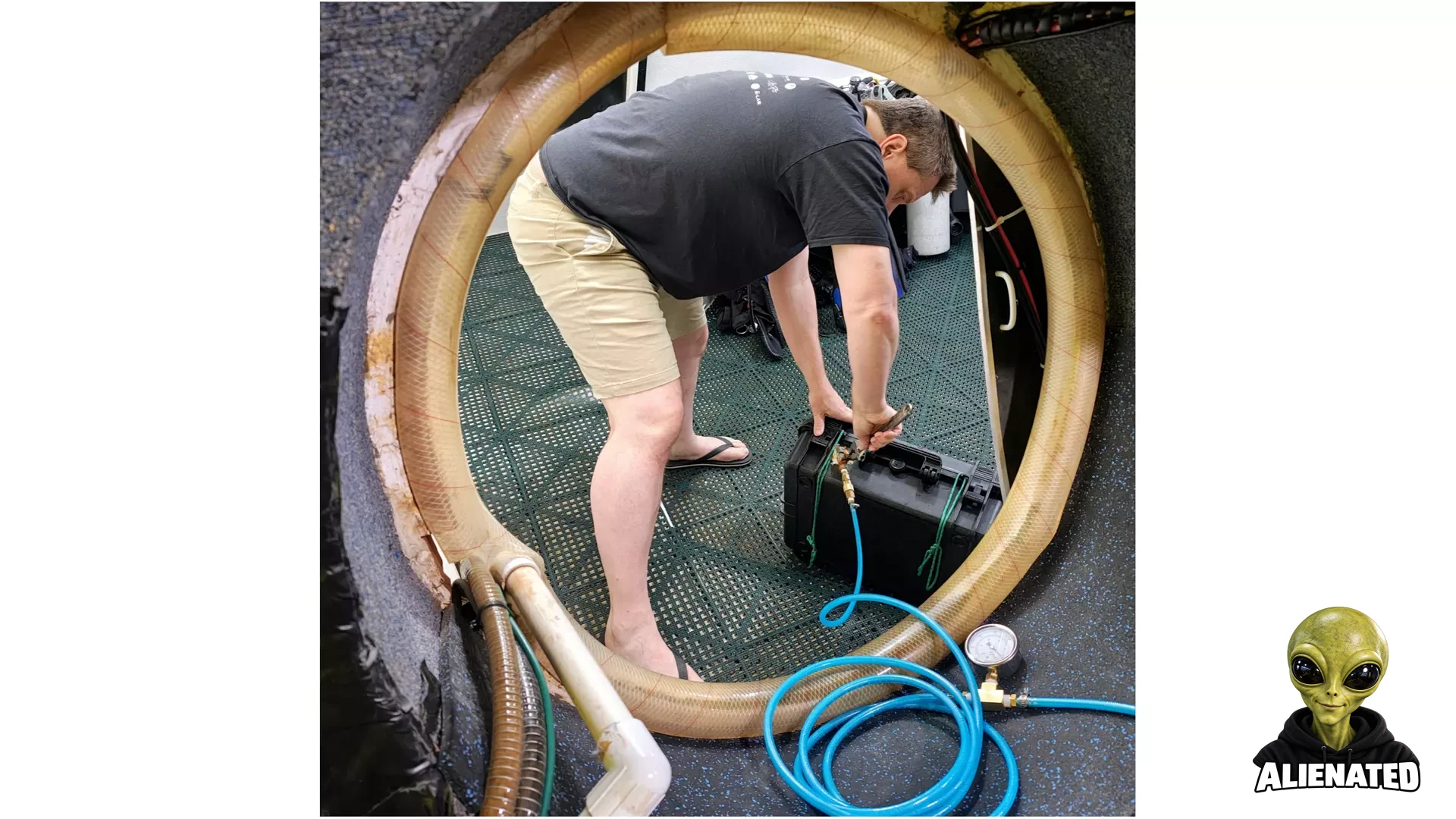
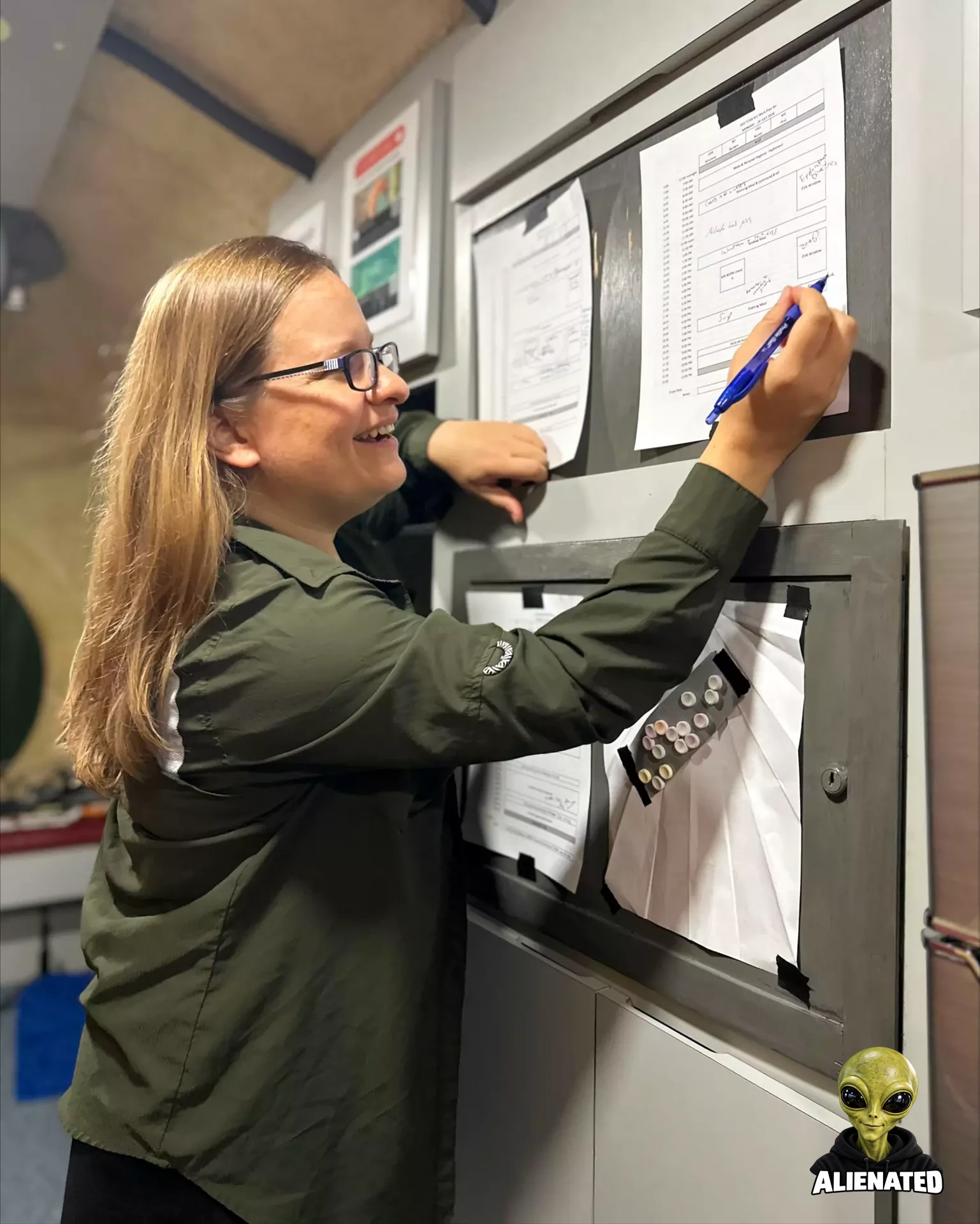
Mission Commander Dr. Michaela Musilova reported on the completion of the five-day SEA STAR underwater analog space mission at Jules' Undersea Lab in Florida. Living at a depth of 22 feet under saturation, the four-person aquanaut crew conducted research relevant to long-duration spaceflight. Projects included studying cognitive response times under pressure in collaboration with Czech medical institutions, analyzing microgreens seed barotrauma, testing logistical container pressure management, and evaluating student-developed environmental sensors. Crew members reported feeling slower cognitive reaction times during the mission, highlighting physiological and psychological effects of hyperbaric conditions.
Context and limitations
The findings, including reported cognitive slowing and plant barotrauma, represent initial observations from a single analog mission and require formal data analysis and peer review.
Comments
Related articles
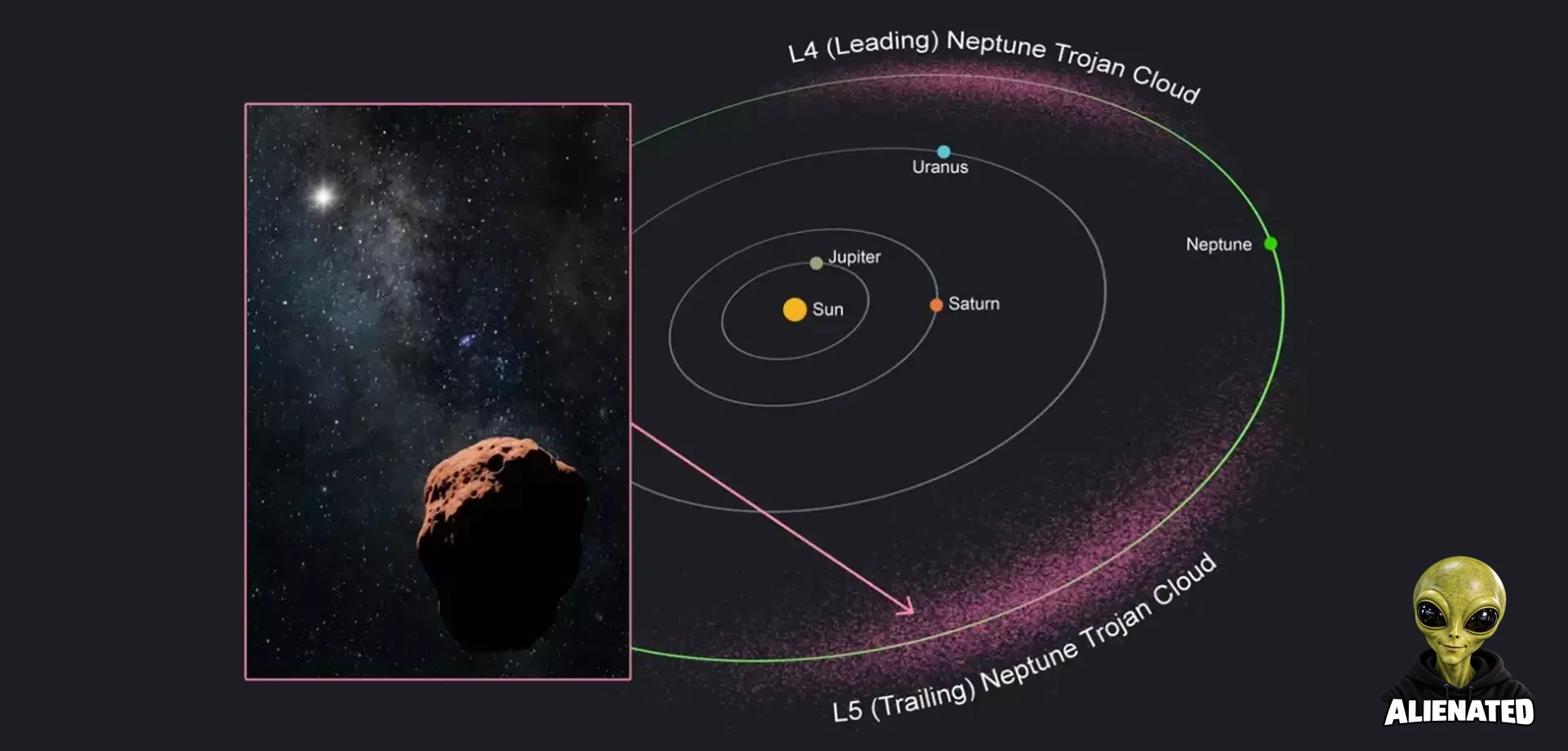
Queen's University Belfast Students Find Neptune's Elusive Trojan Asteroids
Universe Today
What Could Split a Black Hole in Two?
Universe Today

The world mourns the passing of 'Star Trek's' Patrick Stewart with a galaxy of tearful tributes
Space.com