
Moon-Like Madagascar
 Tommy Alien ·
Automatically curated summary from NASA.
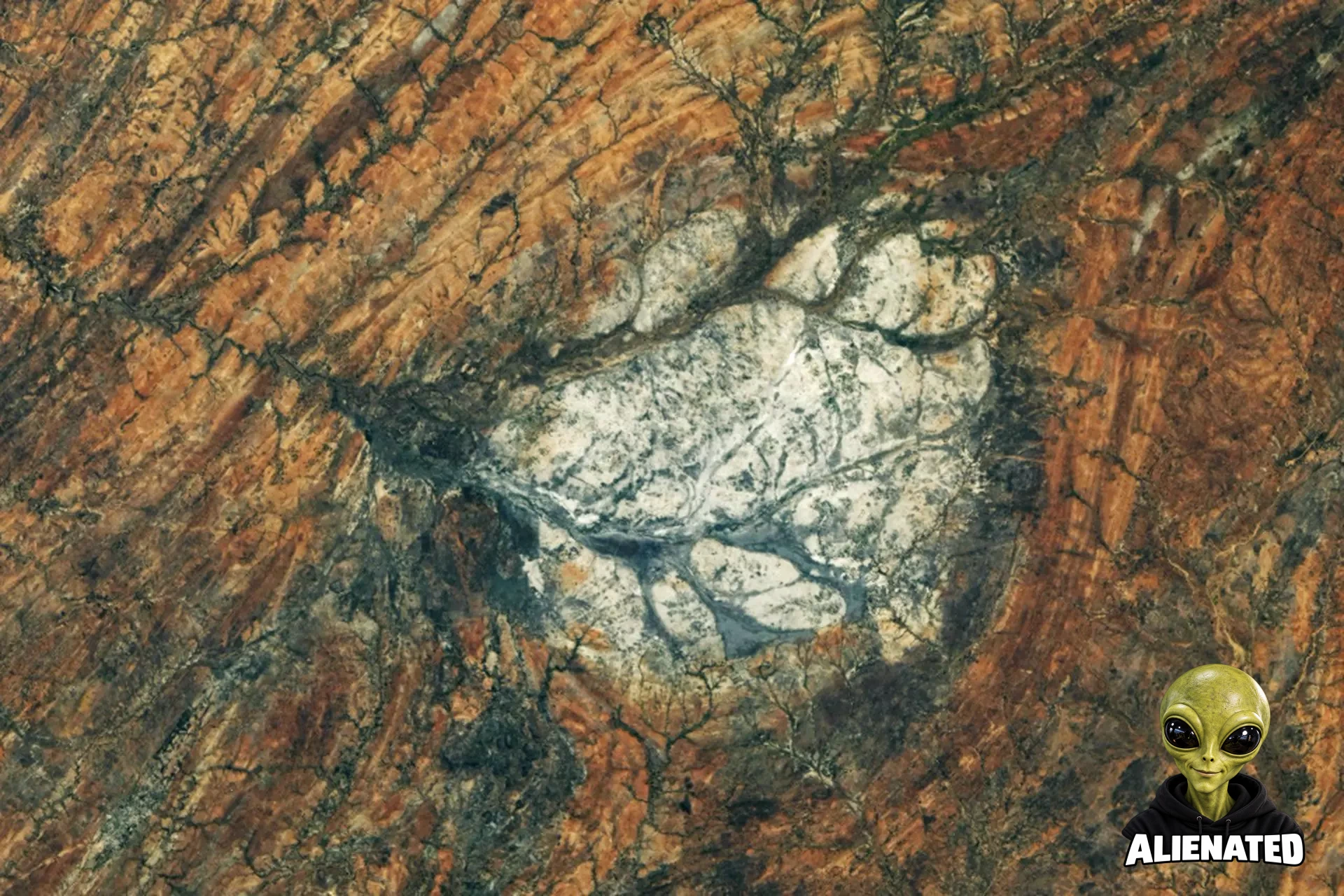
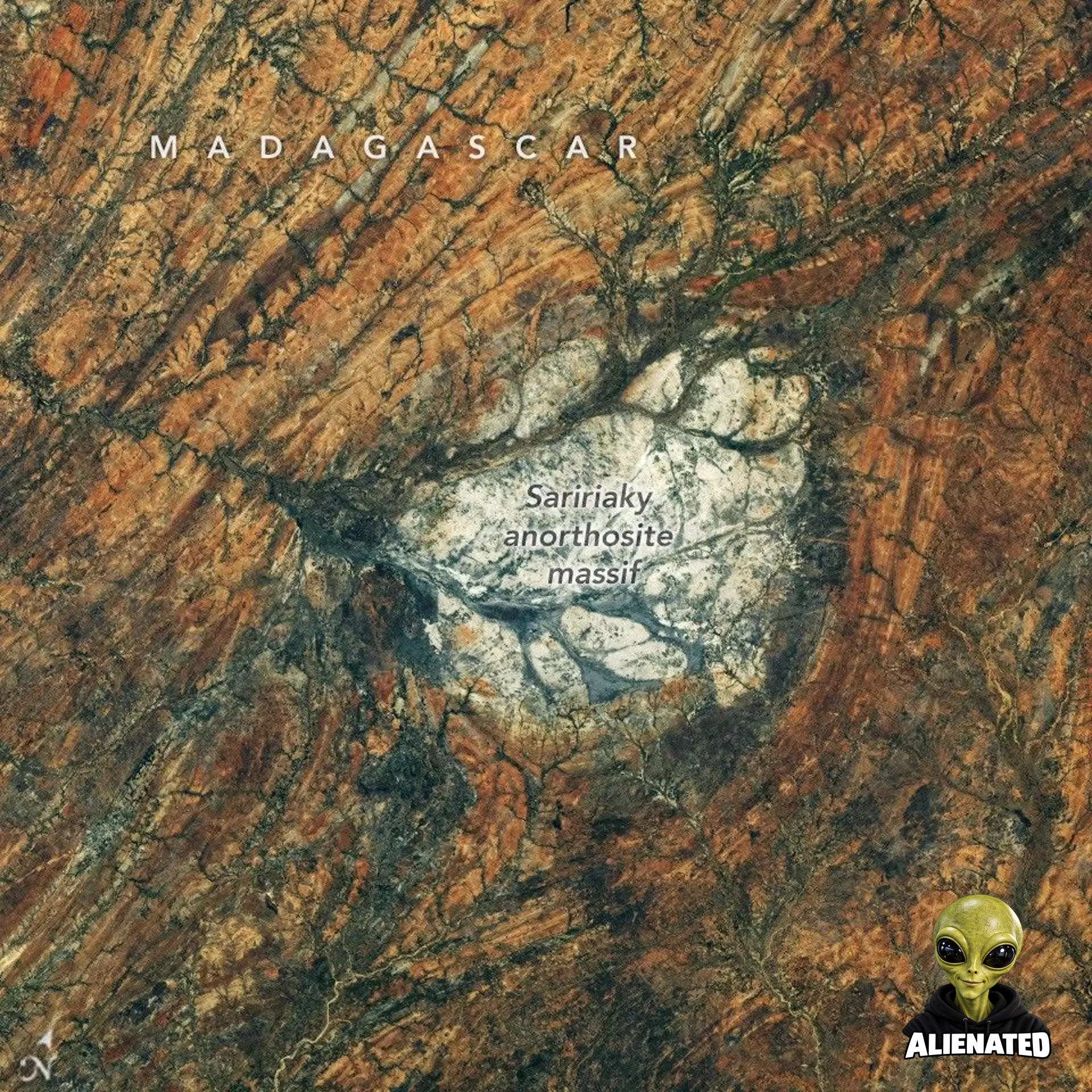
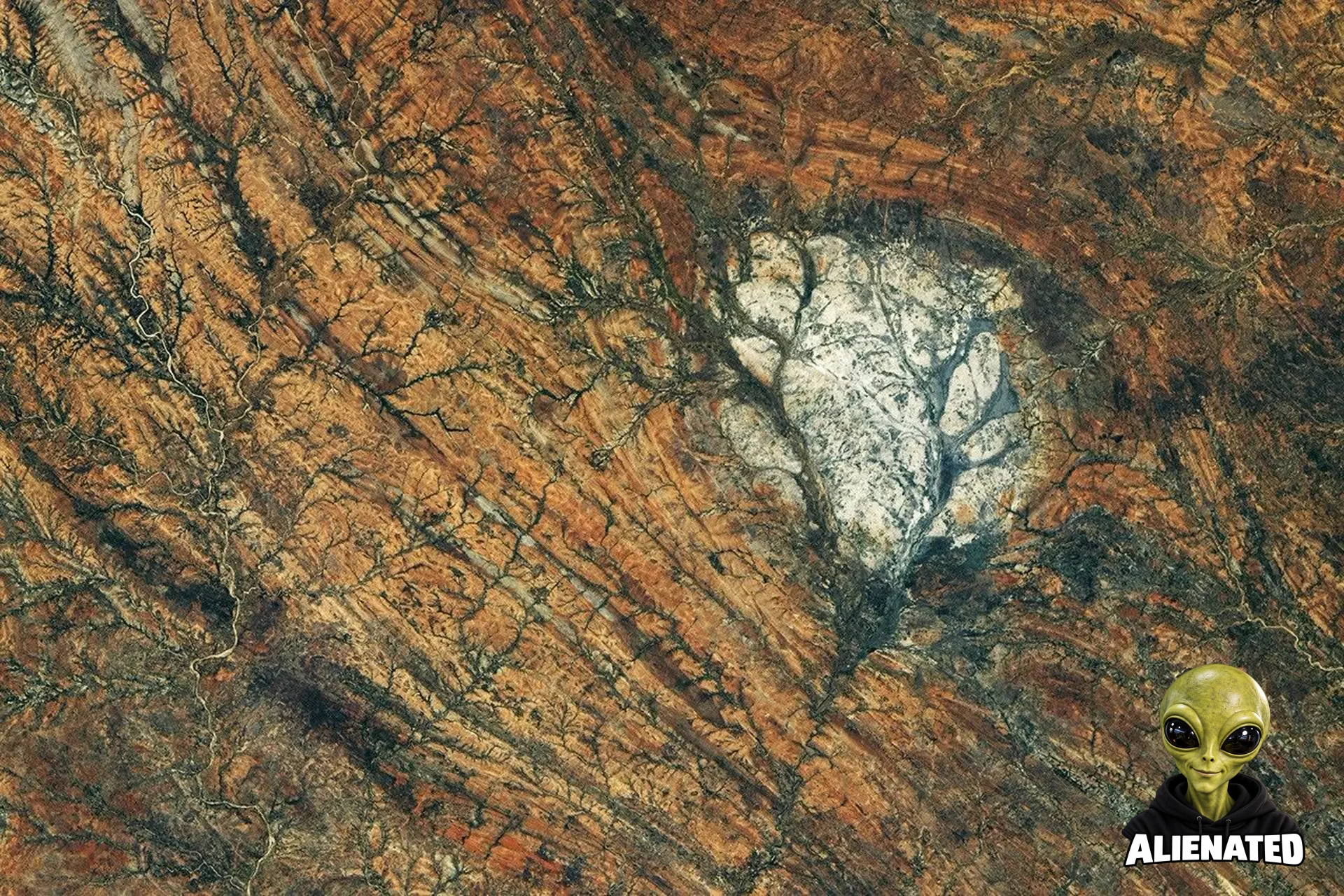
According to NASA, an astronaut aboard the International Space Station captured an image of the Saririaky anorthosite massif in southern Madagascar on August 28, 2026. Anorthosite, an intrusive igneous rock covering about 100 square kilometers in this region, is also abundant in the Moon's lunar highlands. Scientists believe this massif formed over 600 million years ago during the creation of the supercontinent Gondwana. Because lunar rock samples are limited, researchers study terrestrial anorthosite analogs to better understand the Moon's ancient crust and geological history.
Context and limitations
The report relies solely on a single NASA Earth Observatory text feed excerpt. The underlying photograph was digitally cropped, enhanced for contrast, and edited to remove lens artifacts. Certain geological interpretations, such as the mechanism separating nearby anorthosite massifs, reflect hypotheses proposed by select researchers rather than settled fact.
Comments
Related articles

An aquanaut comes home: Returning to Earth from an undersea 'space station'
Space.com
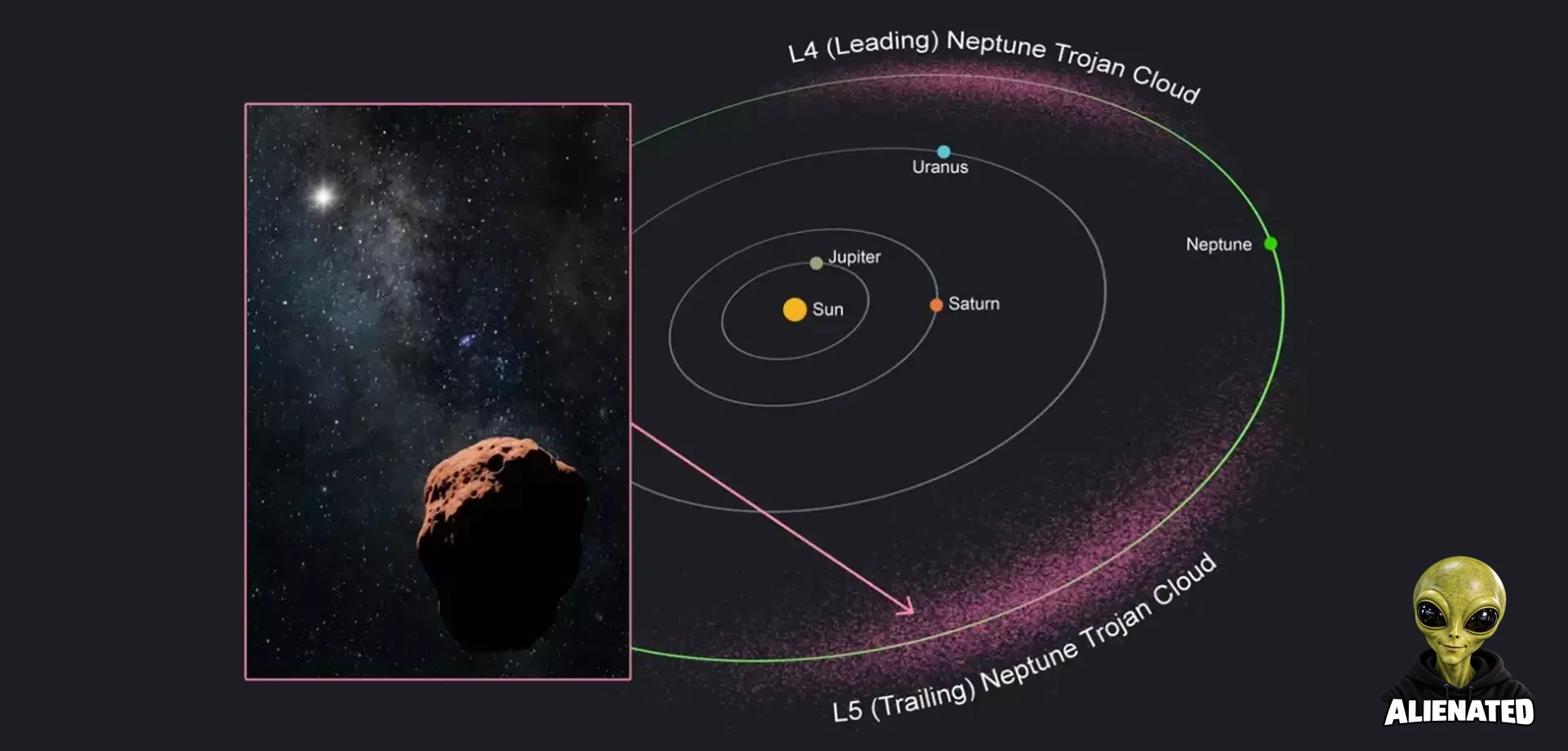
Queen's University Belfast Students Find Neptune's Elusive Trojan Asteroids
Universe Today
What Could Split a Black Hole in Two?
Universe Today