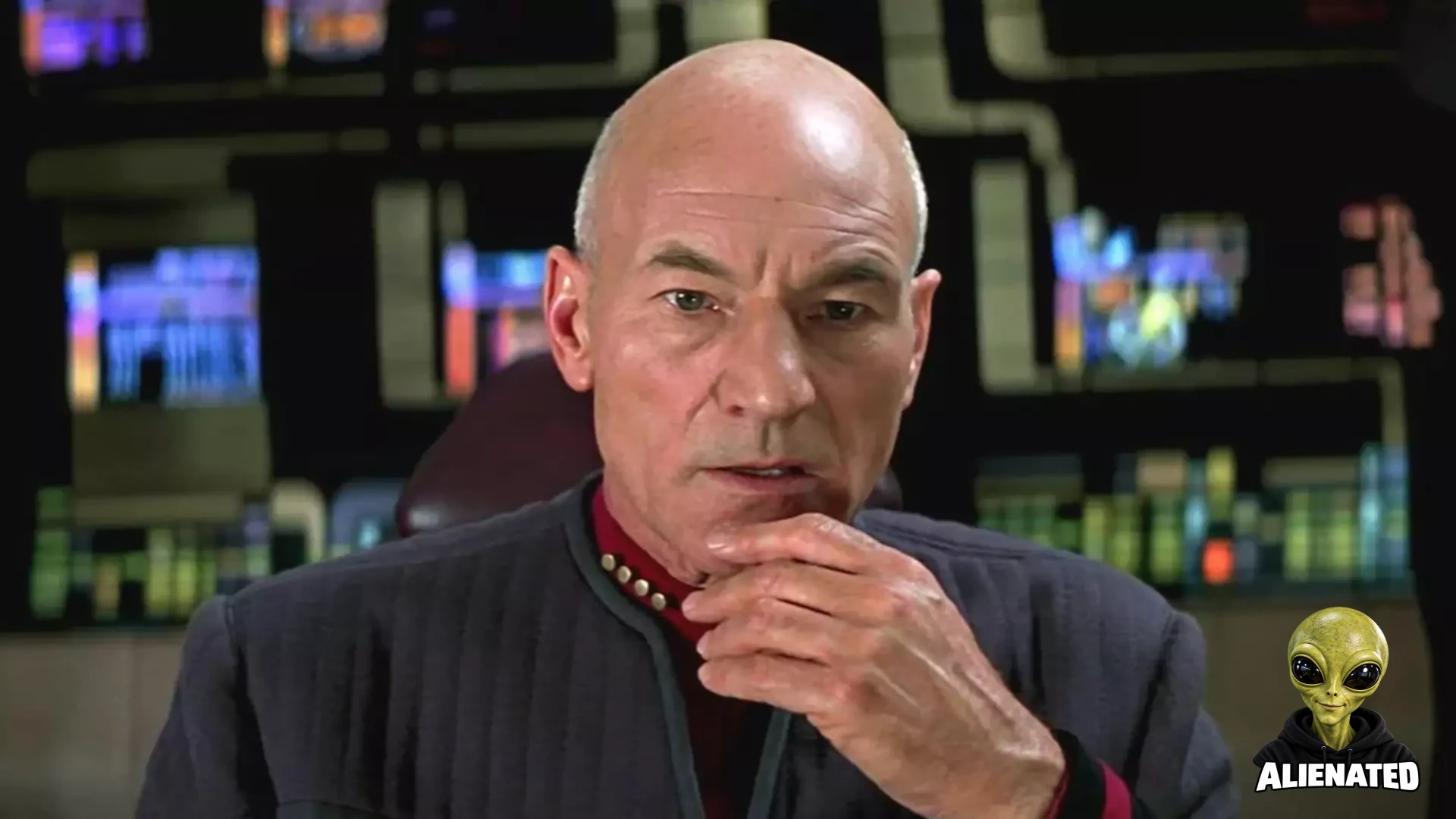
Tributes are pouring in following reports of the death of actor Sir Patrick Stewart at age 86. Renowned for his portrayal of Captain Jean-Luc Picard in "Star Trek: The Next Generation" and Professor Charles Xavier in the "X-Men" franchise, Stewart had a distinguished career spanning stage, television, and film. Friends and colleagues, including Ian McKellen, William Shatner, Akiva Goldsman, Jonathan Frakes, and Marina Sirtis, shared heartfelt messages praising his intelligence, warmth, and artistic legacy. Stewart's final screen performance is scheduled for "Avengers: Doomsday."
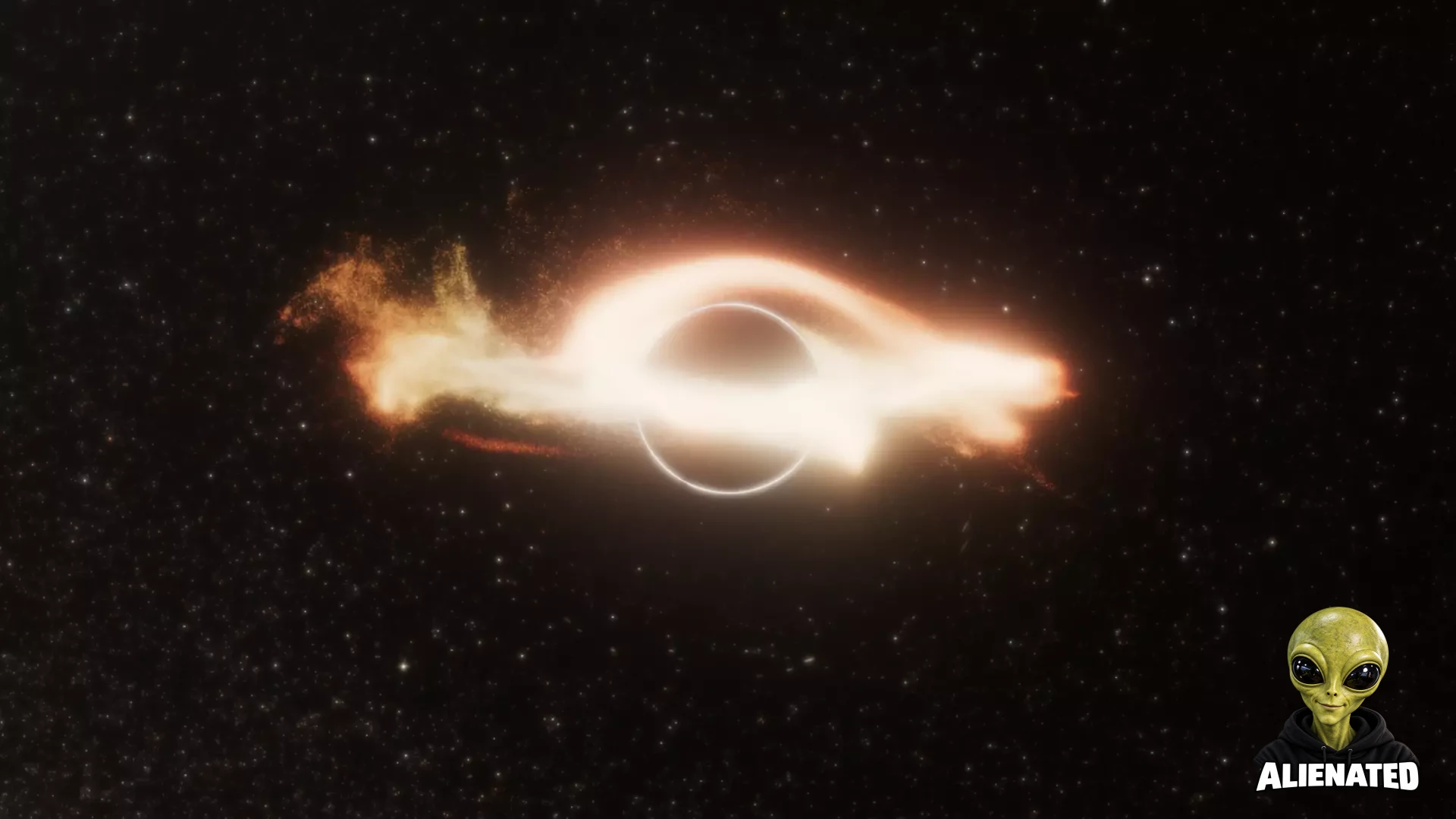
Black holes collide more easily than they break apart. Scientists are studying possible ways that these behemoths could fragment under certain circumstances. Credit: NASA/ESA/STScI
According to Universe Today, collisions between black holes have occurred since early cosmic history, generating gravitational waves and massive energetic clashes. Given their immense gravitational pull, splitting a black hole apart has long been considered nearly impossible. However, a European research team has undertaken a theoretical investigation to determine whether any physical force or condition could potentially split a black hole into two distinct entities. The excerpt notes this study without detailing their specific findings or methodology.
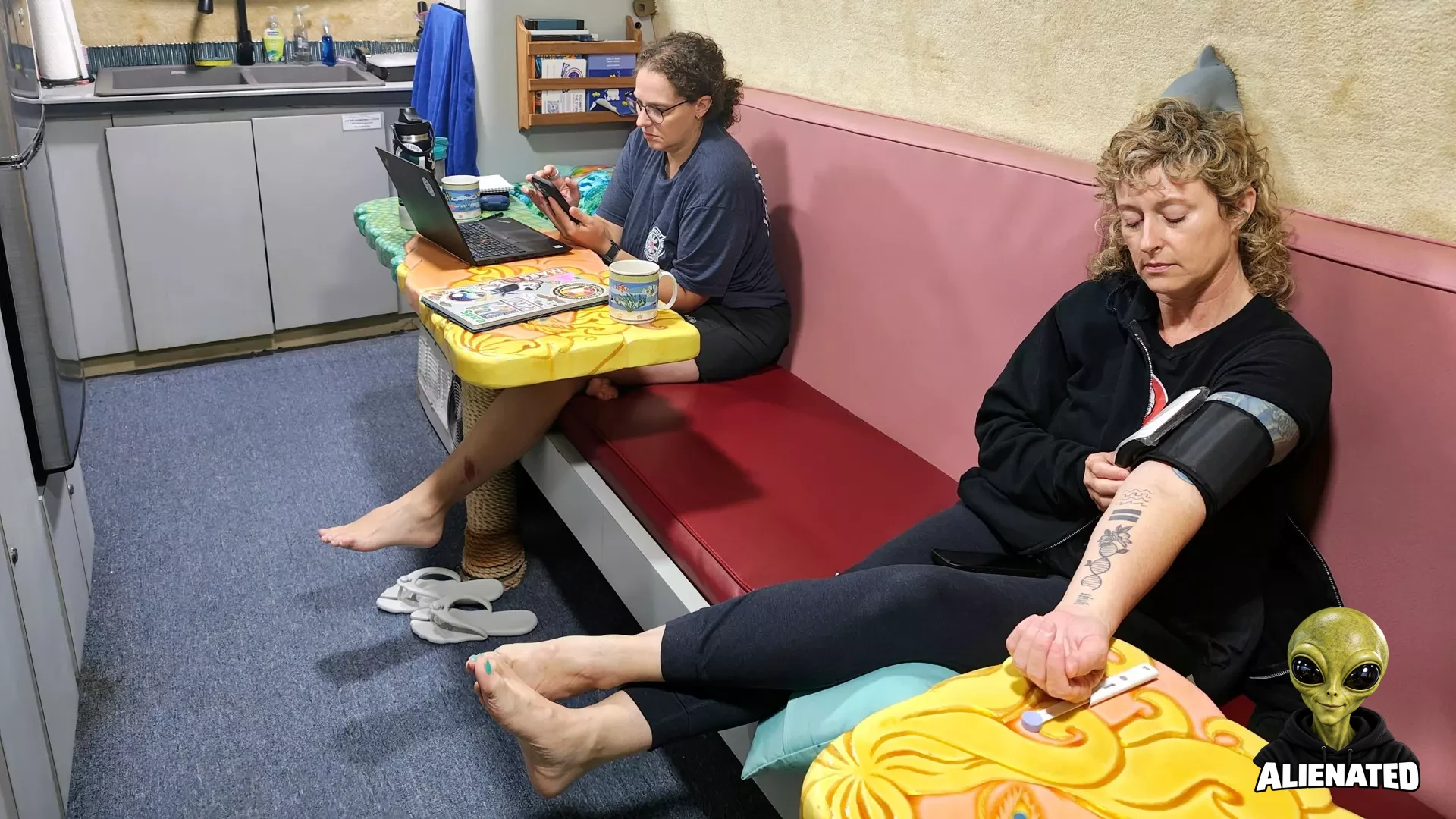
Mission Commander Dr. Michaela Musilova reported on the completion of the five-day SEA STAR underwater analog space mission at Jules' Undersea Lab in Florida. Living at a depth of 22 feet under saturation, the four-person aquanaut crew conducted research relevant to long-duration spaceflight. Projects included studying cognitive response times under pressure in collaboration with Czech medical institutions, analyzing microgreens seed barotrauma, testing logistical container pressure management, and evaluating student-developed environmental sensors. Crew members reported feeling slower cogniti
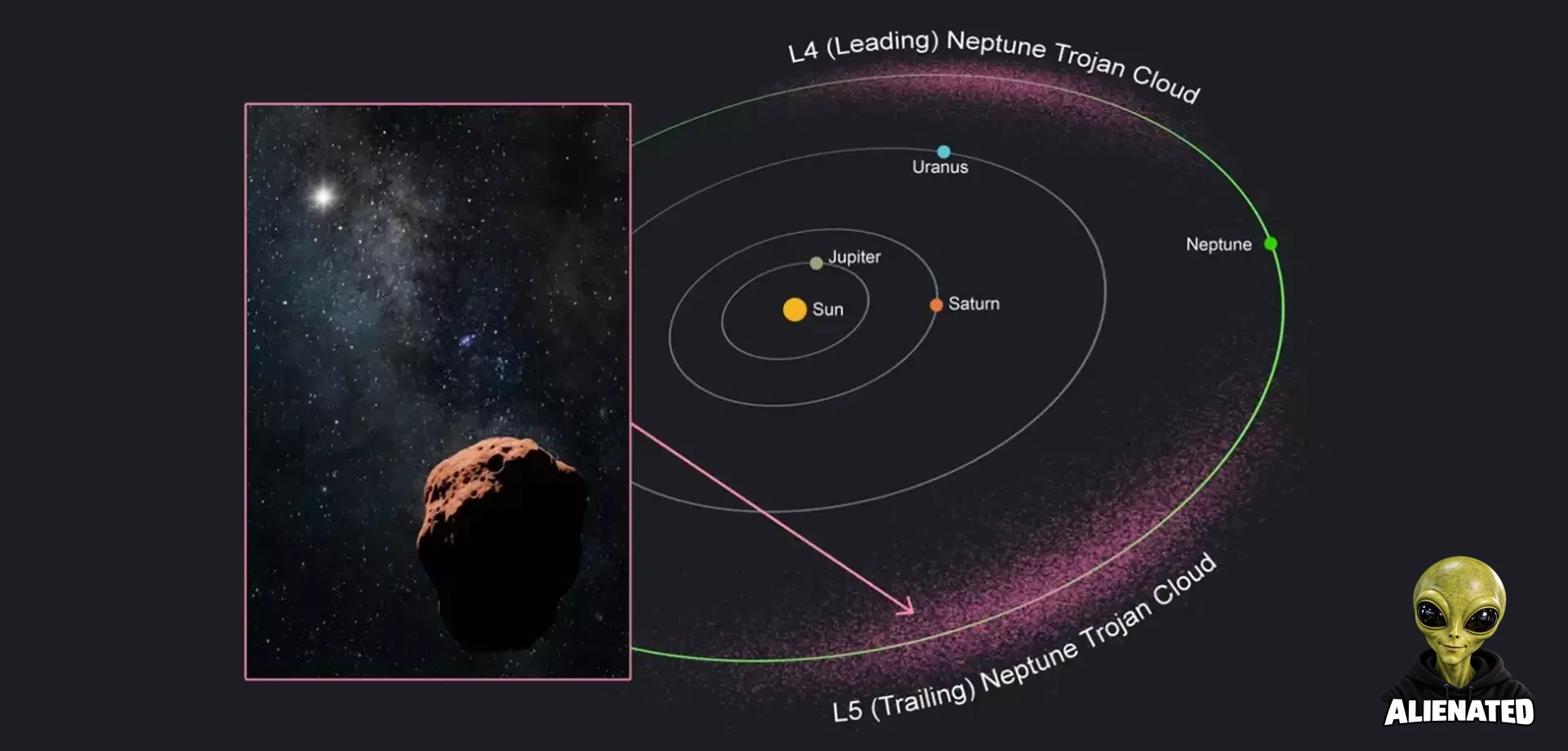
According to Universe Today, an international team led by astronomers and students at Queen’s University Belfast has studied newly identified solar system bodies located near Neptune. Known as Neptune's elusive Trojan asteroids, these celestial objects offer insight into early planetary dynamics. Researchers indicate that studying these bodies helps unravel long-standing mysteries regarding the evolution of our solar system. The brief excerpt emphasizes the collaborative international effort involved, though full specifics of the astronomical findings were not detailed in the provided text.
According to spokesperson Kelly Bush Novak, actor Sir Patrick Stewart has died at age 86 at his Los Angeles home following a short struggle with Alzheimer’s disease and Lewy body dementia. Stewart, knighted in 2010, was celebrated for his iconic roles as Captain Jean-Luc Picard in the "Star Trek" franchise and Professor Charles Xavier in the "X-Men" films. His extensive career spanned stage, film, radio, and television, including notable early performances in "Excalibur" and David Lynch's "Dune."
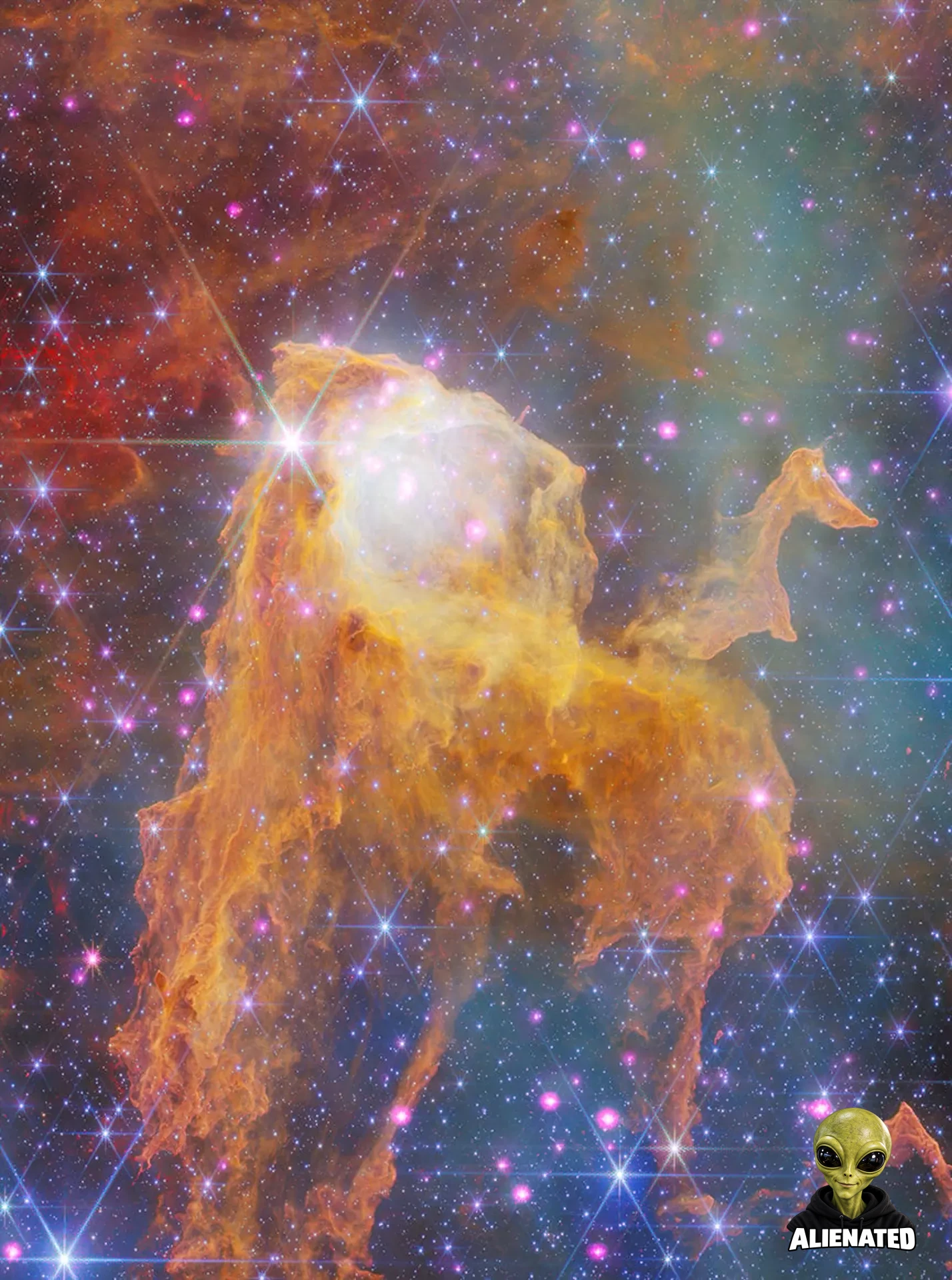
This ghostly apparition lies in the Carina Nebula and turns out to be a star-birth region inside the larger complex. X-rays detected by the Chandra X-ray Observatory (pink) — which reveal young stars in the nebula — have been combined with JWST’s infrared data (red, green, and blue).Credit: X-ray: NASA/CXC/SAO; Optical: CTIO/NOIRLab/NSF/AURA/N.Smith(Univ of Minnesota); Infrared: NASA/ESA/CSA/STScI; Image Processing: NASA/CXC/SAO/L. Frattare
According to a report from Universe Today, astronomers utilizing the Chandra X-ray Observatory and the James Webb Space Telescope observed a wispy, isolated-looking cloud within the Carina Nebula. Although its visual appearance resembles a ghostly shape, researchers clarified that the cloud is not related to departed stars or supernatural phenomena. Instead, scientific observations confirm that the region is an active stellar crèche engaged in forming batches of hot, young new stars from surrounding gas and dust.
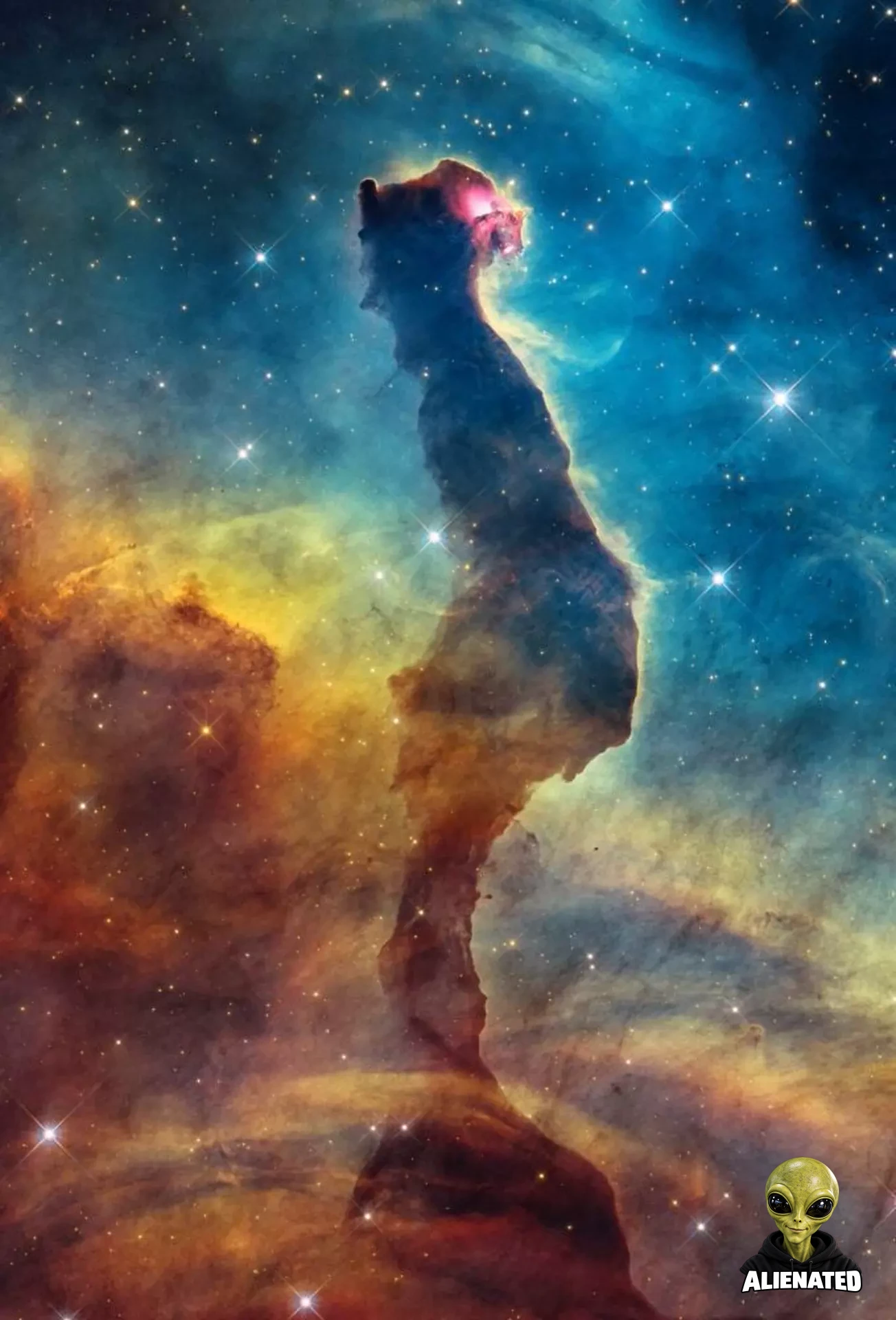
The Cat's Head Nebula proudly rises in this Hubble Space Telescope image. It's a star-forming region within the larger Carina Nebula, an even larger star-forming region. Recently, both the Hubble and the JWST imaged the Cat's Head as part of the ongoing scientific effort to understand the complex process of star formation. Image Credit: NASA, ESA, STScI. Image Processing: J. Depasquale (STScI).
According to Universe Today, studying star formation requires analyzing complex factors including metallicity, gas temperature and density, dust grains, and stellar feedback from existing stars. Understanding these processes often involves examining detailed astronomical structures, such as the Cat's Head Nebula situated inside the Carina Nebula. While the article's title references observations from both the Hubble Space Telescope and the James Webb Space Telescope, the excerpt highlights the general scientific parameters involved in studying these celestial formations.
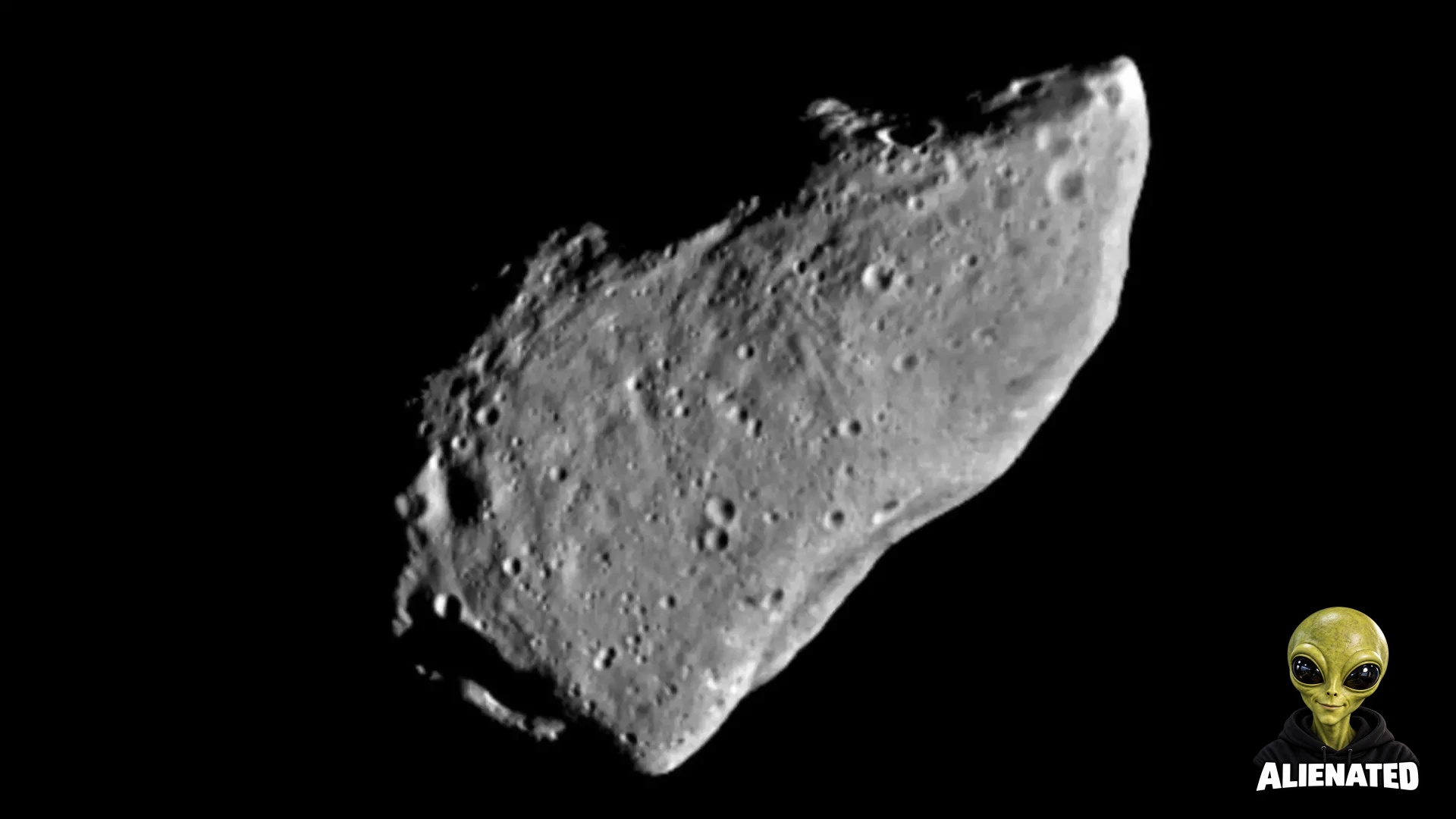
On October 29, 1991, NASA's Galileo spacecraft performed the first-ever asteroid flyby, passing asteroid Gaspra while en route to Jupiter. Traveling at approximately 18,000 mph (about 5 miles per second), Galileo came within roughly 990 miles of the asteroid. The spacecraft captured detailed images and utilized a Near-Infrared Mapping Spectrometer to examine Gaspra's composition and physical structure, revealing an irregular, cratered shape covered in dust and rubble. However, because Galileo remained too far away for Gaspra's gravity to influence its path, the probe was unable to measure the
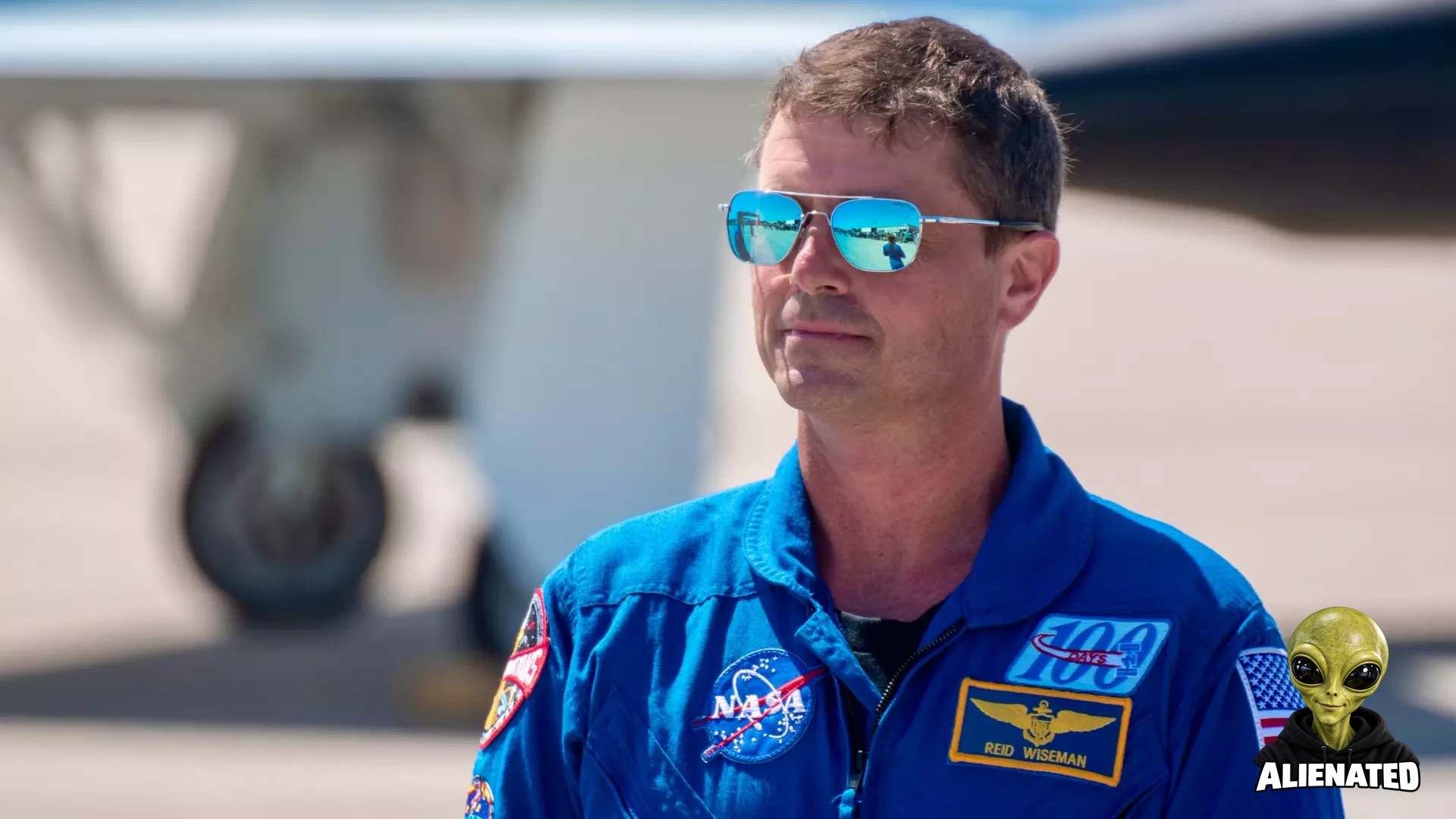
Former NASA astronaut Reid Wiseman, commander of the Artemis II lunar orbit mission, has been appointed deputy director of NASA's Jet Propulsion Laboratory and associate vice president at Caltech, effective November 30. Wiseman joins his fellow Artemis II crew members—Victor Glover, Christina Koch, and Jeremy Hansen—in transitioning away from active spaceflight duties. In his new executive role, Wiseman will assist JPL Director Dave Gallagher in managing laboratory operations for robotic space exploration. Meanwhile, NASA continues targeting mid-2027 for the Artemis III flight test mission.
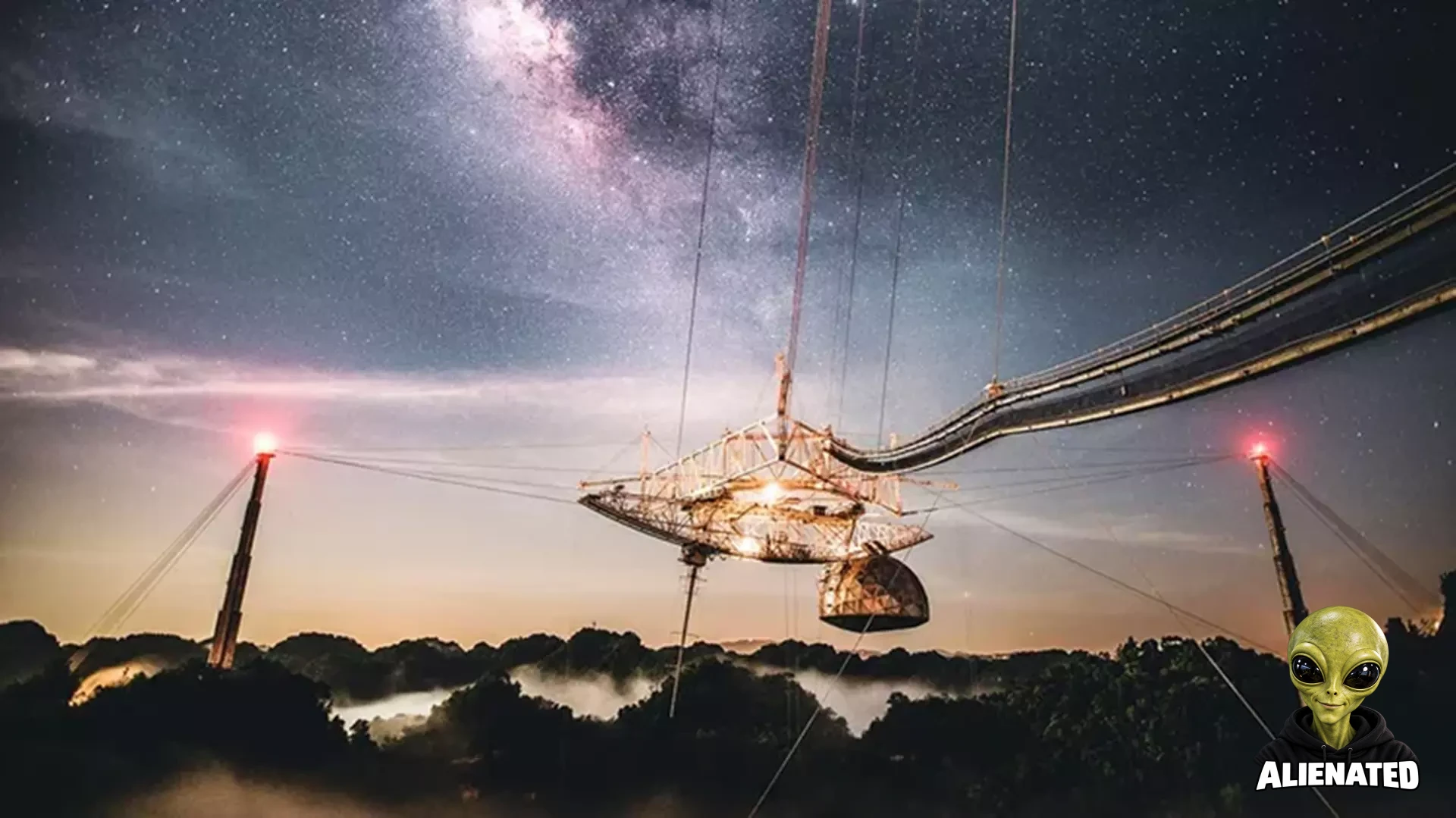
The legacy of Arecibo's nearly 60 years of radio astronomy is strong even after its loss in a tragic 2020 collapse. Among its major accomplishments was hosting the first attempt at Messaging Extraterrestrial Intelligence (METI). Credit: University of Central Florida
According to an article published by Universe Today, the latter half of the 20th century marked a major expansion in both the Search for Extraterrestrial Intelligence (SETI) and Messaging Extraterrestrial Intelligence (METI). This period featured pivotal developments transitioning scientific efforts from an interplanetary to an interstellar focus. Key milestones highlighted in the excerpt include the execution of the first interstellar SETI and METI experiments, specifically Project Ozma and the Arecibo Message.
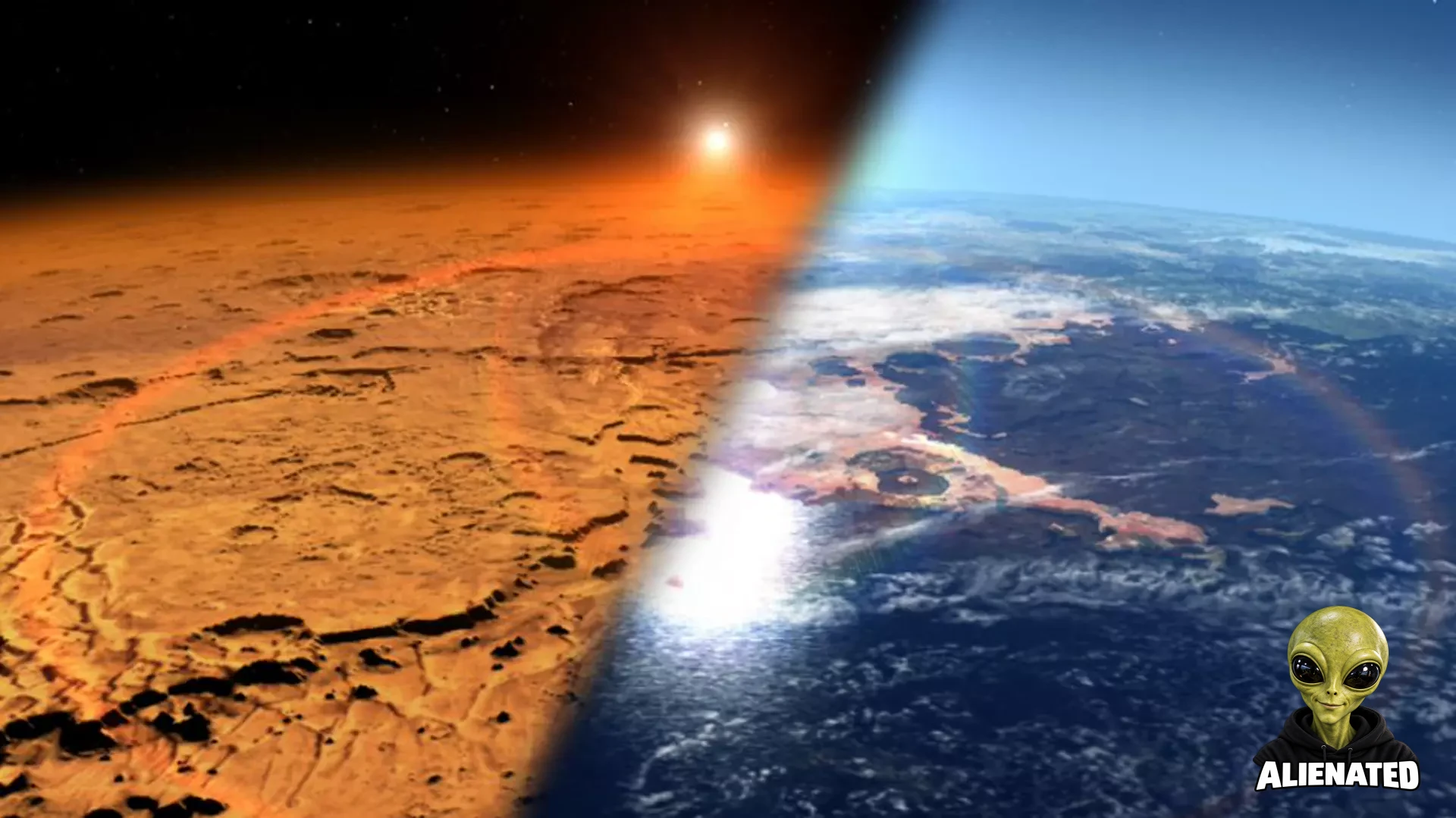
This artist's concept depicts the early Martian environment (right) – believed to contain liquid water and a thicker atmosphere – versus the cold, dry environment seen on Mars today (left). Credit: NASA's Goddard Space Flight Center.
According to a report by Universe Today, scientists have conducted a study analyzing how ancient rainfall on Mars billions of years ago may have influenced where the chemistry necessary for life could begin. The researchers mapped the potential distribution of formaldehyde—a crucial prebiotic molecule—as it reached the Martian surface via ancient rains. The team suggests this map could serve as a guide for future space missions seeking signs of past life on Mars, though the provided excerpt does not detail their full methodology.
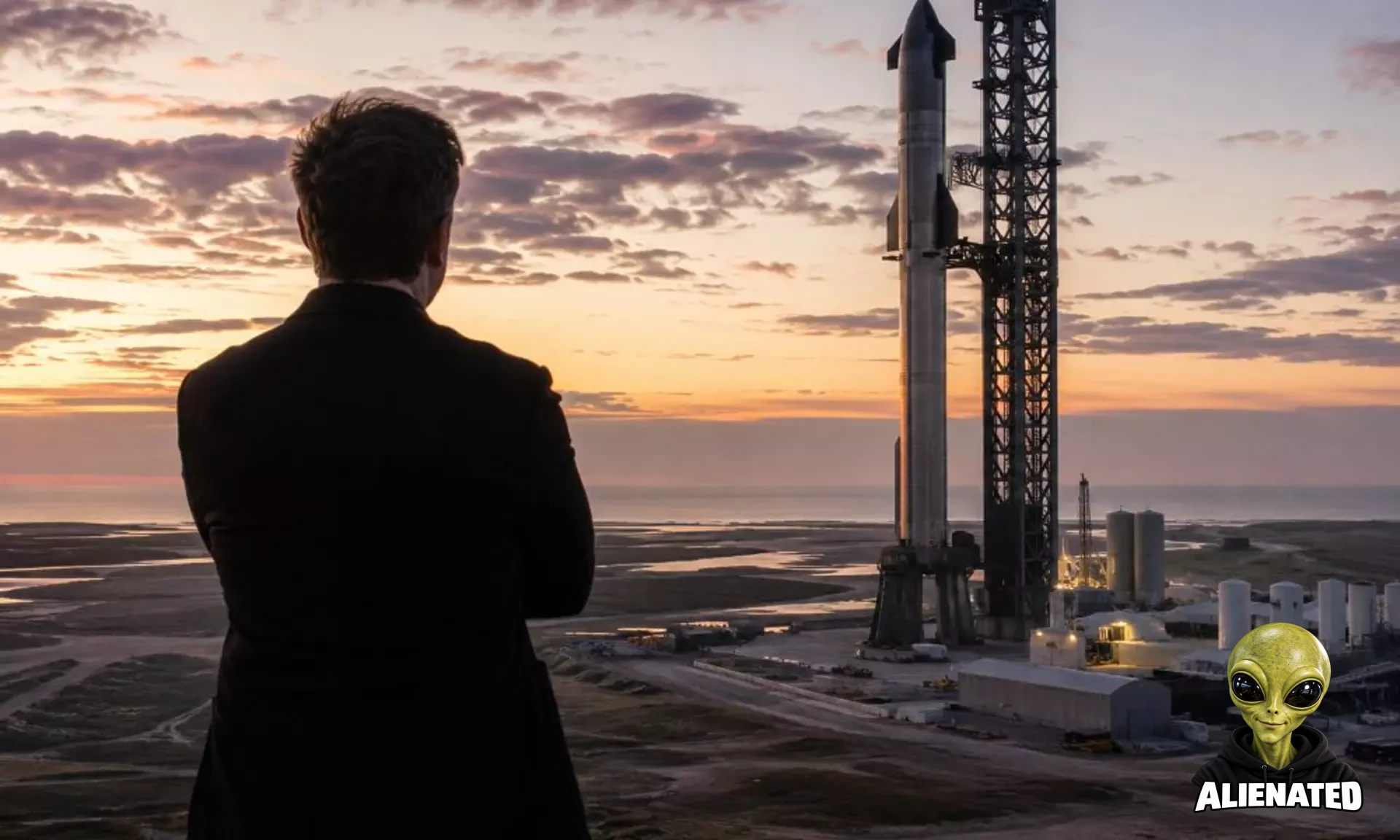
Elon Musk announced during SpaceX’s Q3 earnings call that Tesla and SpaceX have formed special committees of independent directors to evaluate a potential merger requested by shareholders. Musk stated he is excluded from committee discussions due to conflict of interest, though he supports combining the companies, citing shared work in superintelligence, chip design, robotics, and connectivity. However, Musk cautioned that assuming a merger is certain overstates the situation, as no terms have been agreed upon and any transaction would require approval from 50 percent of all outstanding Tesla
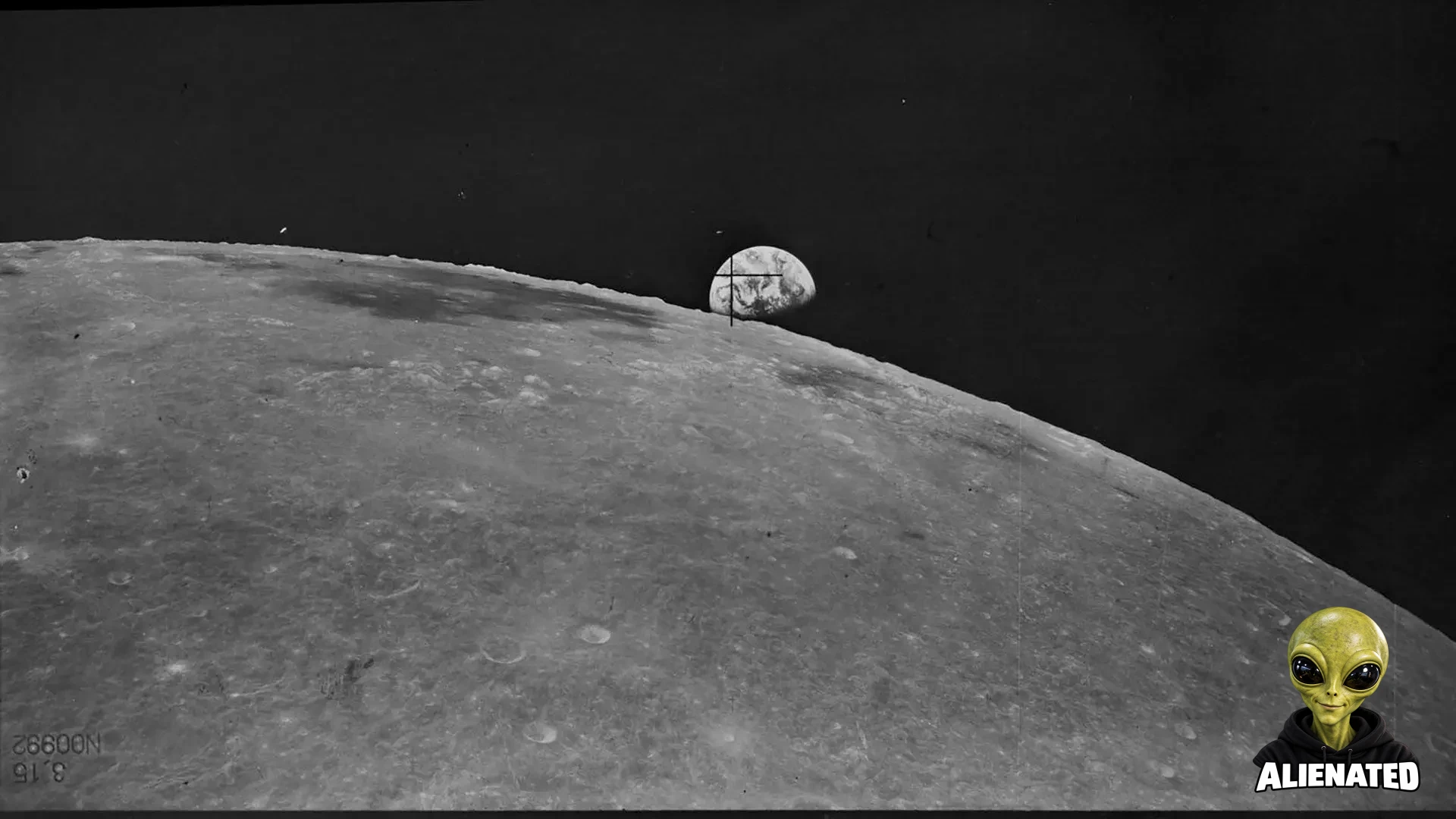
On October 20, 1970, the Soviet Union launched Zond 8, the final uncrewed mission of its Zond lunar program. Designed to test the L1 spacecraft for potential crewed lunar flybys, Zond 8 approached within 1,120 kilometers of the moon's surface and captured images of Earthrise. Despite experiencing guidance and solar attitude sensor malfunctions during its return, the spacecraft safely splashed down in the Indian Ocean on October 27. The mission effectively marked the end of the Soviet moon landing effort following successful U.S. Apollo missions.
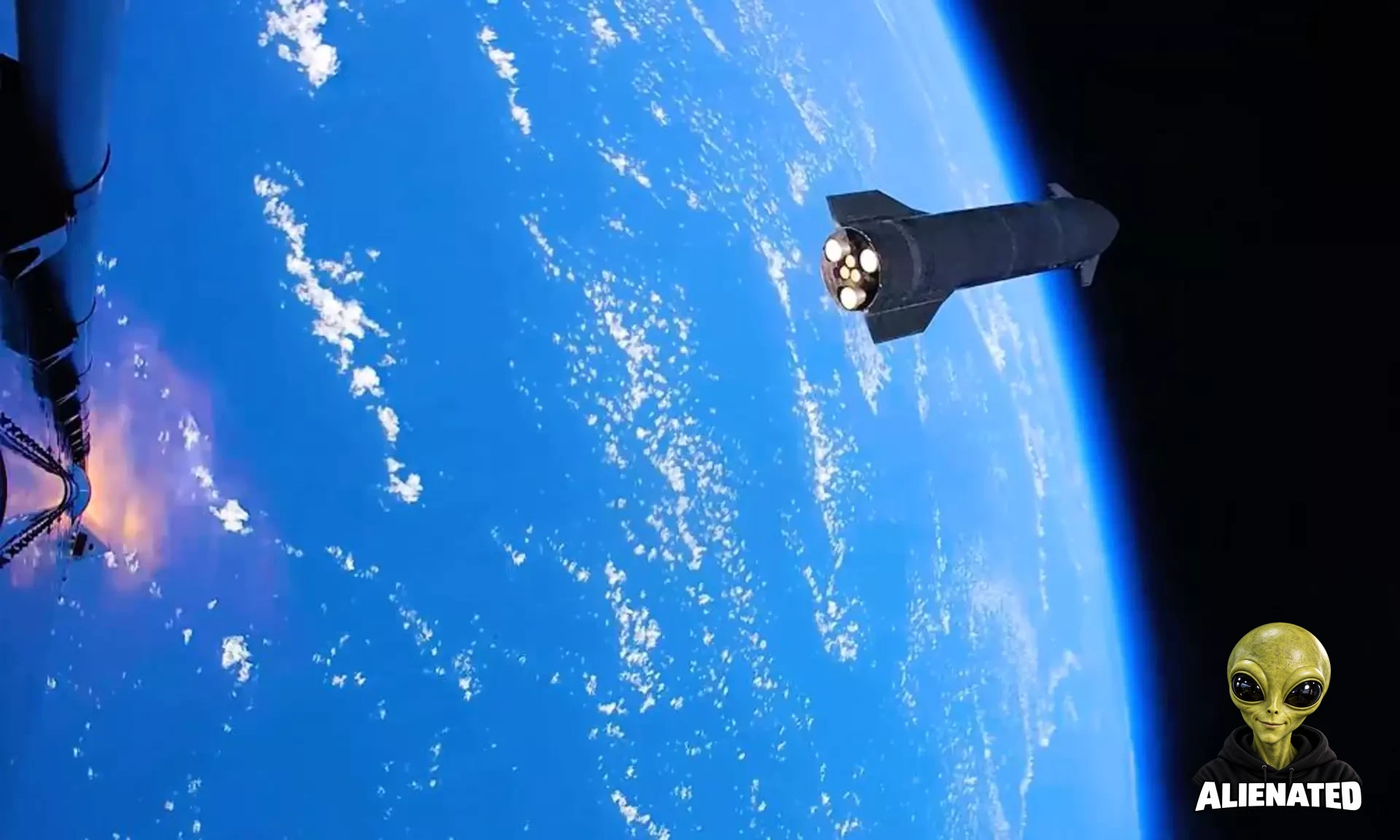
According to a TESLARATI report, SpaceX posted its Q3 2026 financial results, recording $14.58 billion in revenue—a 161 percent year-over-year increase—and $4.4 billion in GAAP net income. Growth was primarily driven by the company's Super Intelligence segment, which surged 830 percent year-over-year to $7.56 billion following cloud service agreements, the Cursor acquisition, and adoption of Grok models. Starlink connectivity generated $5.25 billion with 13.6 million subscribers, while traditional space operations contributed $1.77 billion, marked by the first revenue-generating Starship missi
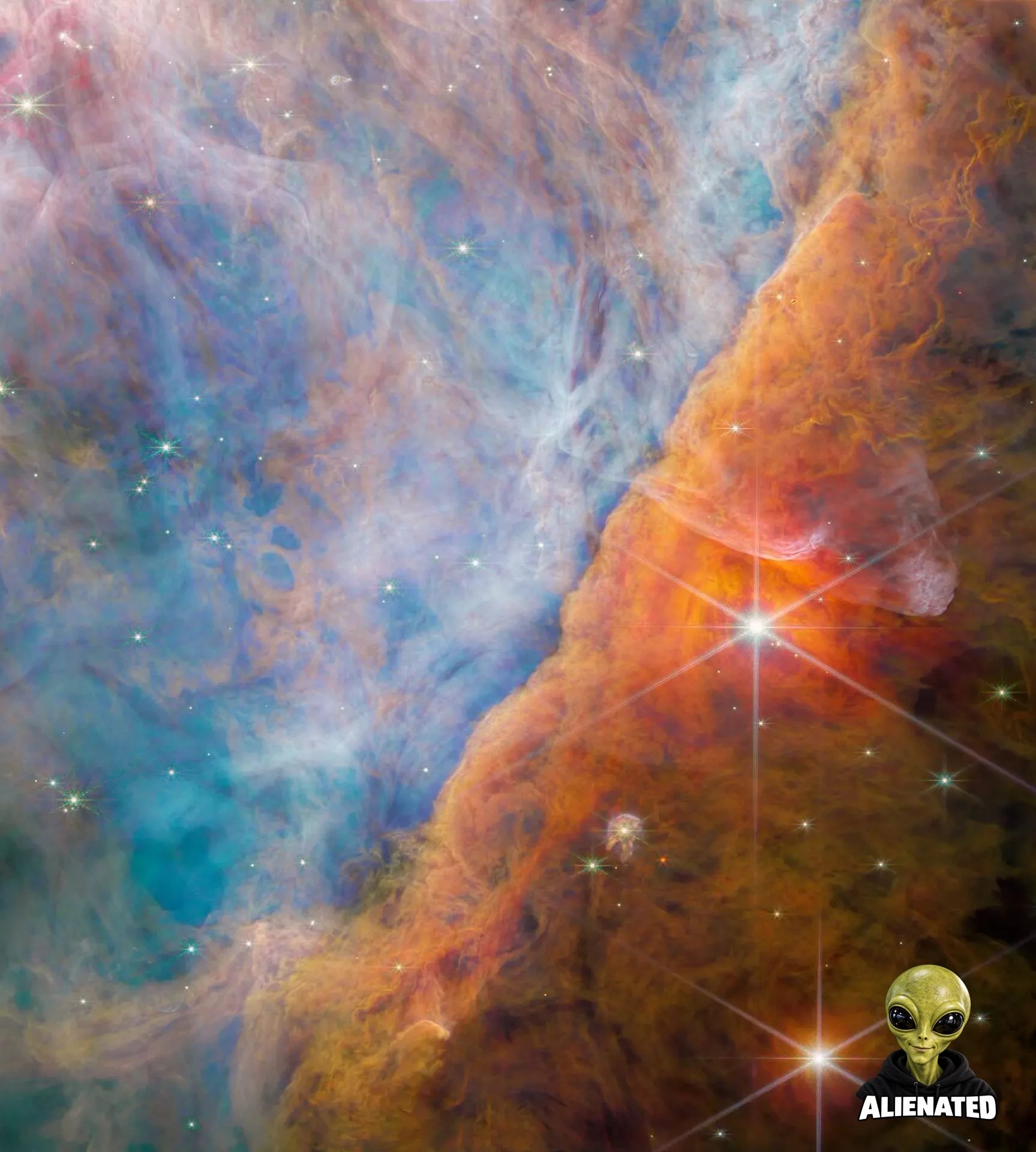
This is the Orion Bar, a ridge-like gas and dust feature in the Orion Nebula. Photochemistry is active in this region, where the light from young stars dominates. Astronomers are studying this region to understand the details of stellar feedback. Image Credit: ESA/Webb, NASA, CSA, M. Zamani (ESA/Webb), the PDRs4All ERS Team
According to a report by Universe Today, researchers have developed a new 3D model of the Orion Bar, a feature within the Orion Nebula star-forming region. The model aligns with observations from the James Webb Space Telescope (JWST) and illustrates how young stars shape molecular clouds with radiation. By demonstrating how uneven structures create shadowed regions, the model helps explain variations in astrochemistry within stellar nurseries, offering insight into complex chemical environments where young stars emerge.
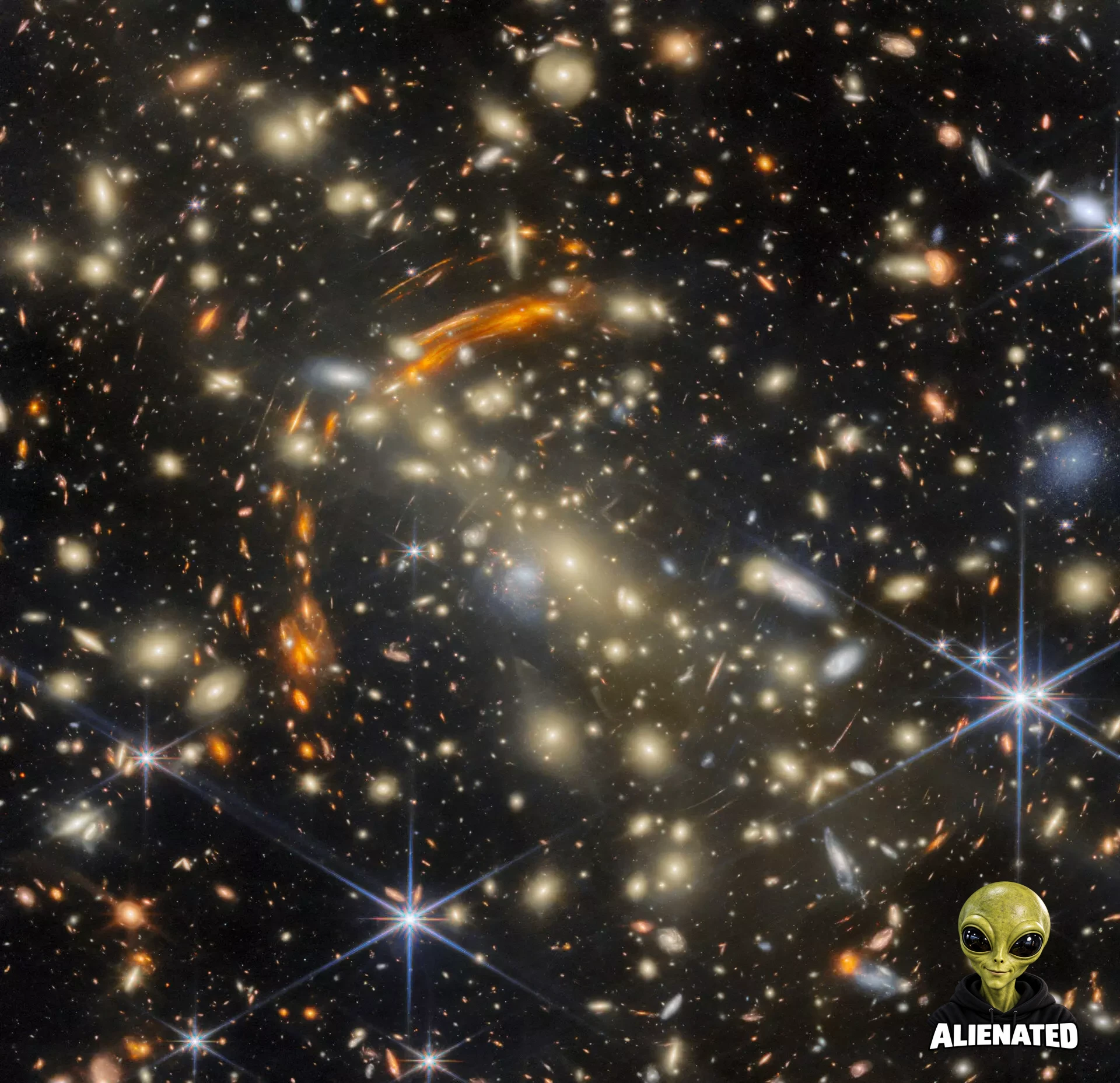
A newly highlighted image from the NASA, ESA, and CSA James Webb Space Telescope features the MACS J0454.1-0300 galaxy cluster, designated as its Picture of the Month. According to Universe Today, the photograph showcases a collection of brilliant golden galaxies within the distant cluster. The report provides a brief snapshot of the telescope's ongoing imaging efforts, illustrating the visual characteristics of these deep-space formations.
Prime Video has unveiled a new trailer for "Blade Runner 2099" at New York Comic-Con, offering a glimpse into the upcoming cyberpunk series scheduled to premiere on November 25, 2026. Executive produced by Silka Louisa and Ridley Scott's Scott Free Productions, the eight-episode season flips the franchise's traditional dynamic, depicting an uprising where artificial replicants hunt humans. Starring Michelle Yeoh as a fading replicant Blade Runner and Hunter Schafer as a human on the run, the footage highlights futuristic Los Angeles along with off-world planets and space travel.
According to space-tracking firm LeoLabs, the Russian satellite Cosmos 2612 executed potentially dangerous on-orbit maneuvers, approaching within approximately 500 meters (about a third of a mile) of the US-flagged ICEYE-X36 spacecraft. The ICEYE-X36 satellite is believed to be supporting Ukraine. The close approach underscores growing concerns regarding close-proximity orbital operations involving satellites associated with active geopolitical conflicts and military reconnaissance support.
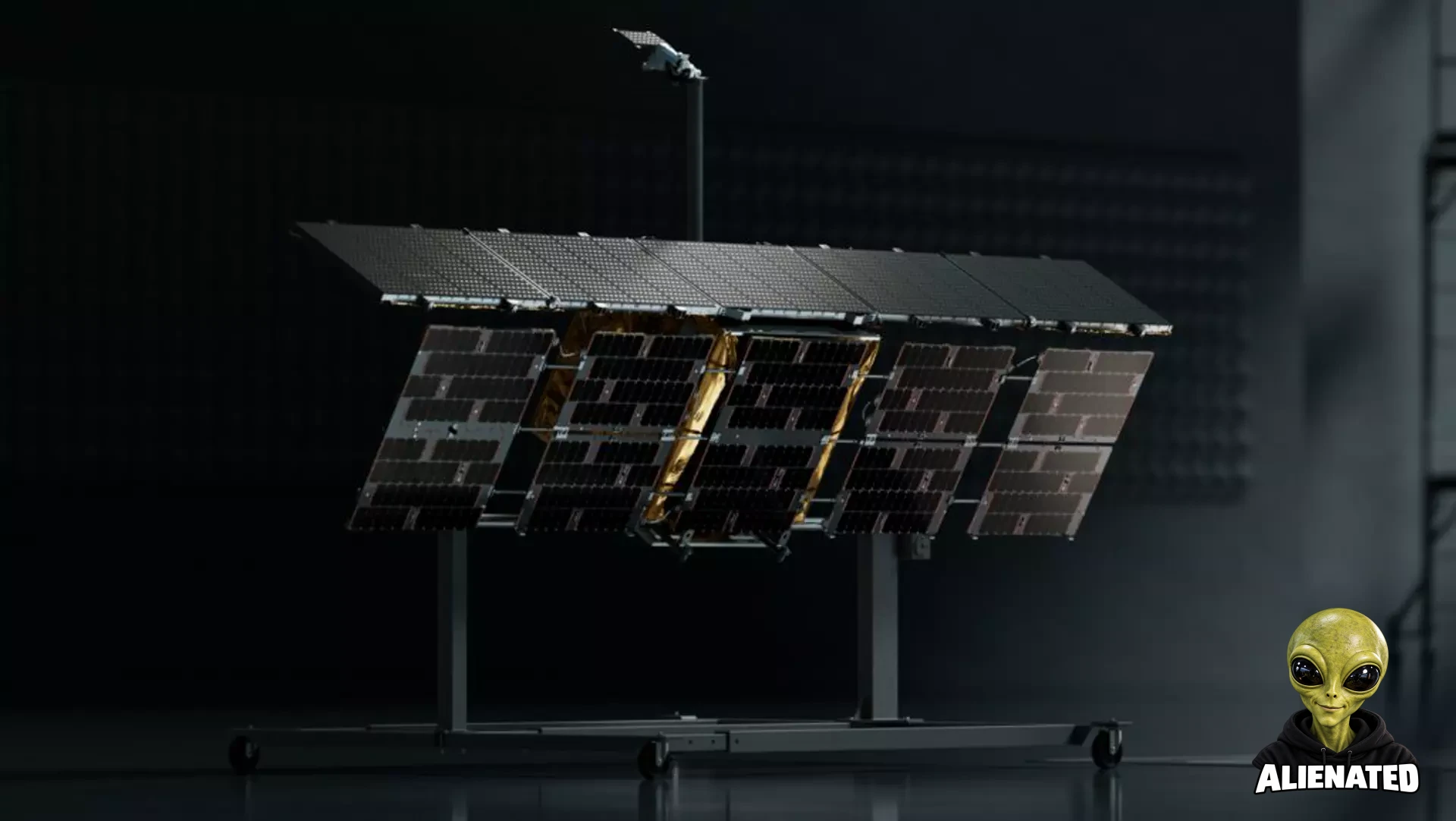
SpaceX President and COO Gwynne Shotwell recently followed Tesla’s official X account, fueling speculation surrounding a potential corporate merger. Analysts remain divided on potential timelines: Barclays analyst Dan Levy suggests an all-stock deal could precede Tesla’s upcoming annual meeting, whereas Wedbush analyst Dan Ives projects a 2027 timeframe. While Shotwell previously highlighted operational overlap involving xAI, neither company has announced any transaction. Upcoming quarterly earnings calls for both organizations may bring shareholder questions, though direct corporate comments
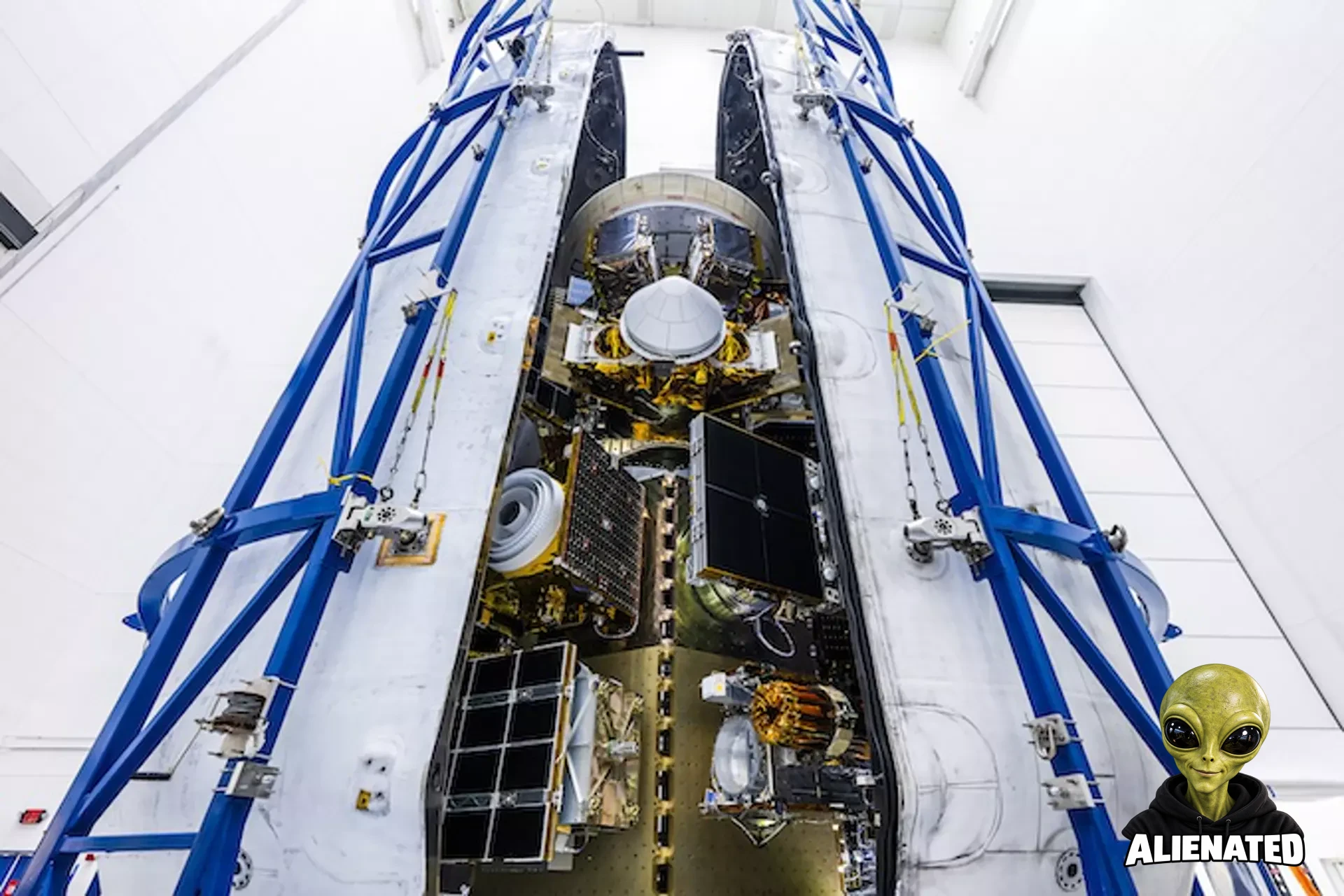
Many of the 32 payloads onboard SpaceX’s Bandwagon-5 rideshare mission are pictured prior to full encapsulation inside a Falcon 9 payload fairing. Image: SpaceX
SpaceX is preparing to launch its Falcon 9 Bandwagon-5 rideshare mission from Cape Canaveral, carrying 32 payloads into orbit. The manifest features SpaceX’s uncrewed Starfall reentry capsule, a microgravity laboratory vehicle capable of supporting 1,000 kilograms of payload mass. Additional payloads include Varda Space Industries’ W-7 capsule, designed to investigate microgravity crystallization of the cancer drug Protac, and Portal Space Systems’ Starburst-1 demonstration spacecraft. Launch forecasters reported a 55 percent chance of acceptable weather, noting risks from gusty winds and boos