
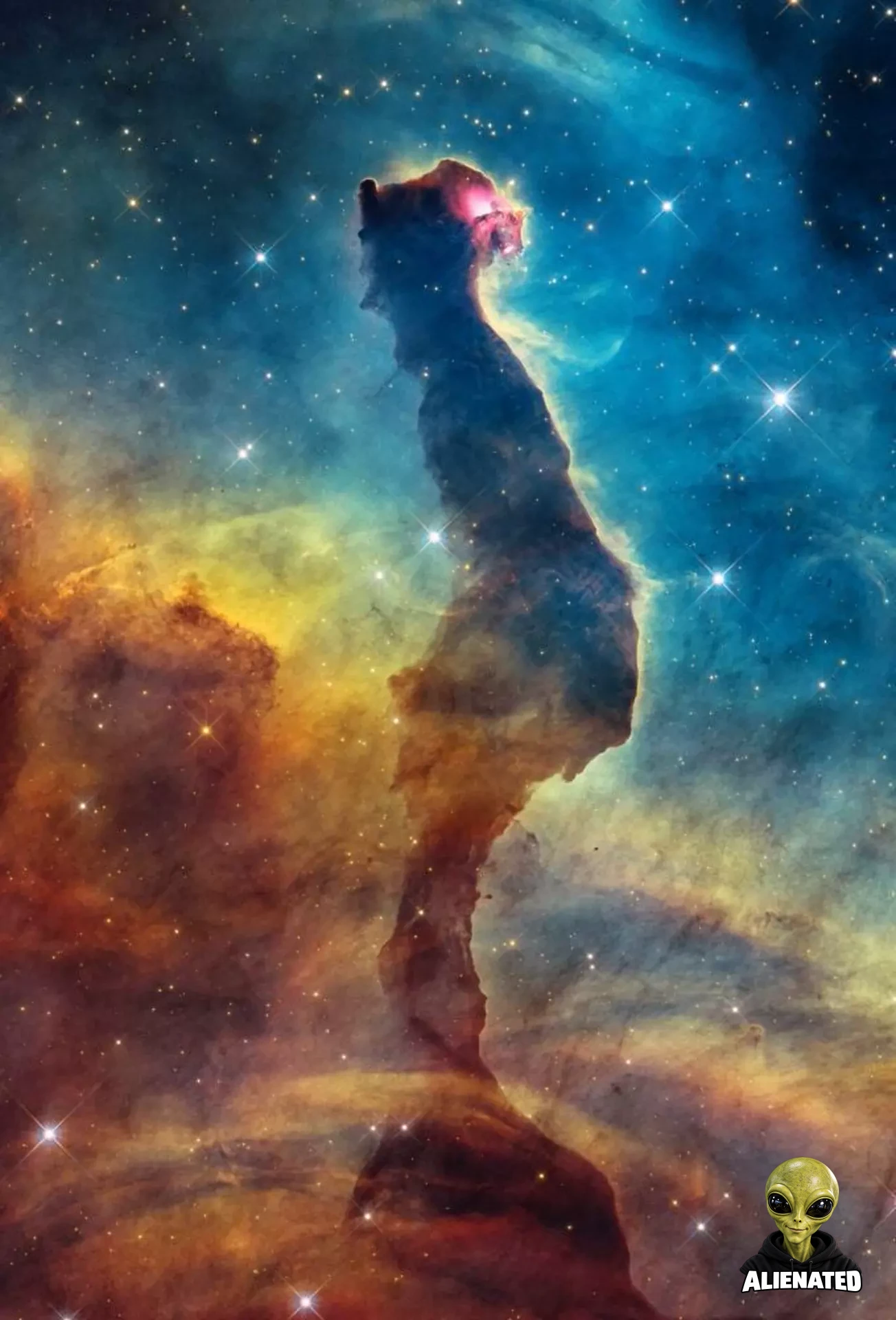
Examining the Cat's Head Nebula with the Hubble and JWST
 Tommy Alien ·
Automatically curated summary from Universe Today.
According to Universe Today, studying star formation requires analyzing complex factors including metallicity, gas temperature and density, dust grains, and stellar feedback from existing stars. Understanding these processes often involves examining detailed astronomical structures, such as the Cat's Head Nebula situated inside the Carina Nebula. While the article's title references observations from both the Hubble Space Telescope and the James Webb Space Telescope, the excerpt highlights the general scientific parameters involved in studying these celestial formations.
Context and limitations
The provided text excerpt is a brief introduction and does not include specific observations, data, or findings from the Hubble or JWST mentioned in the article title.
Comments
Related articles
An aquanaut comes home: Returning to Earth from an undersea 'space station'
Space.com
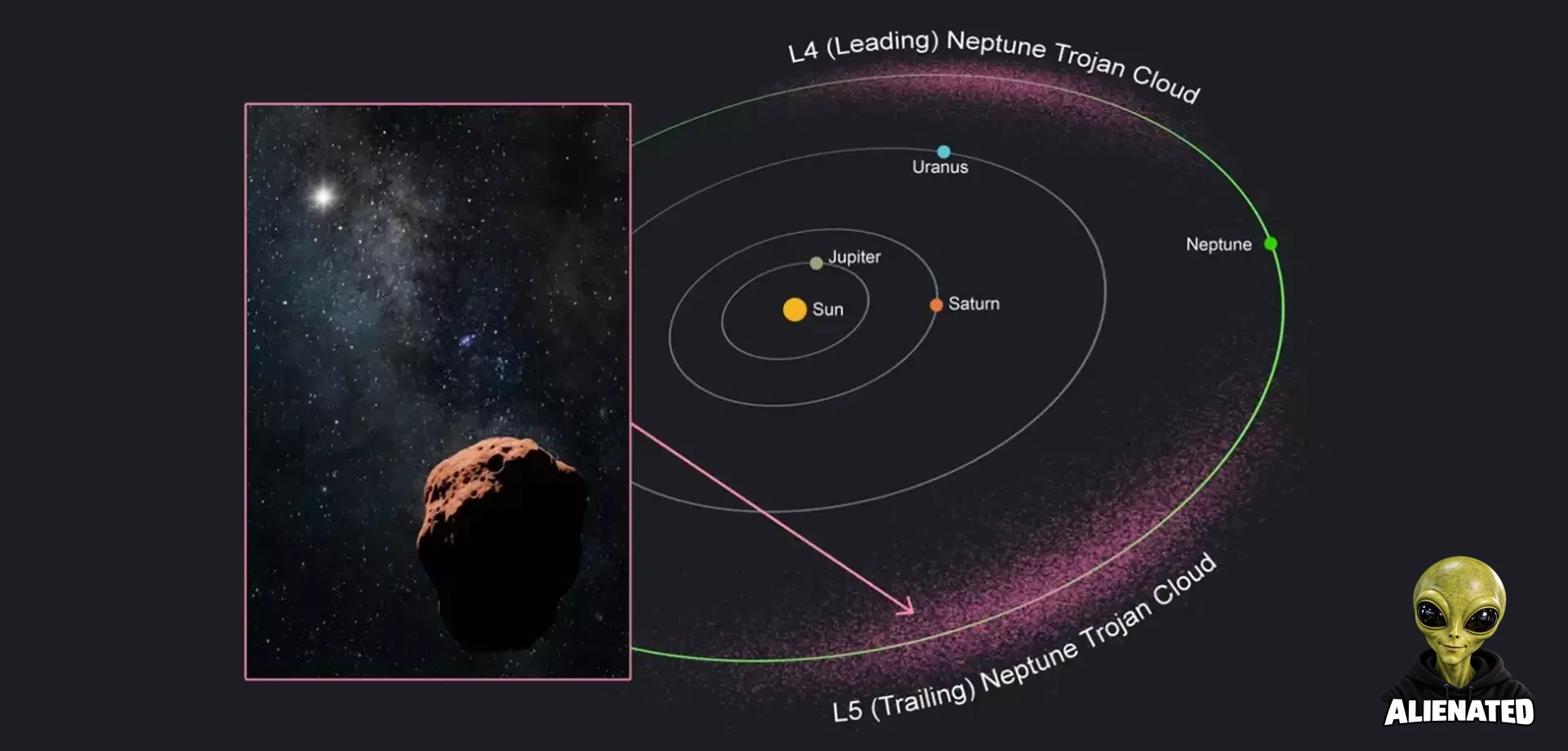
Queen's University Belfast Students Find Neptune's Elusive Trojan Asteroids
Universe Today
What Could Split a Black Hole in Two?
Universe Today