
New Evidence Reveals Nazi Germany Was Farther From Building an Atomic Bomb Than Previously Believed

 Tommy Alien ·
Automatically curated summary from The Debrief.
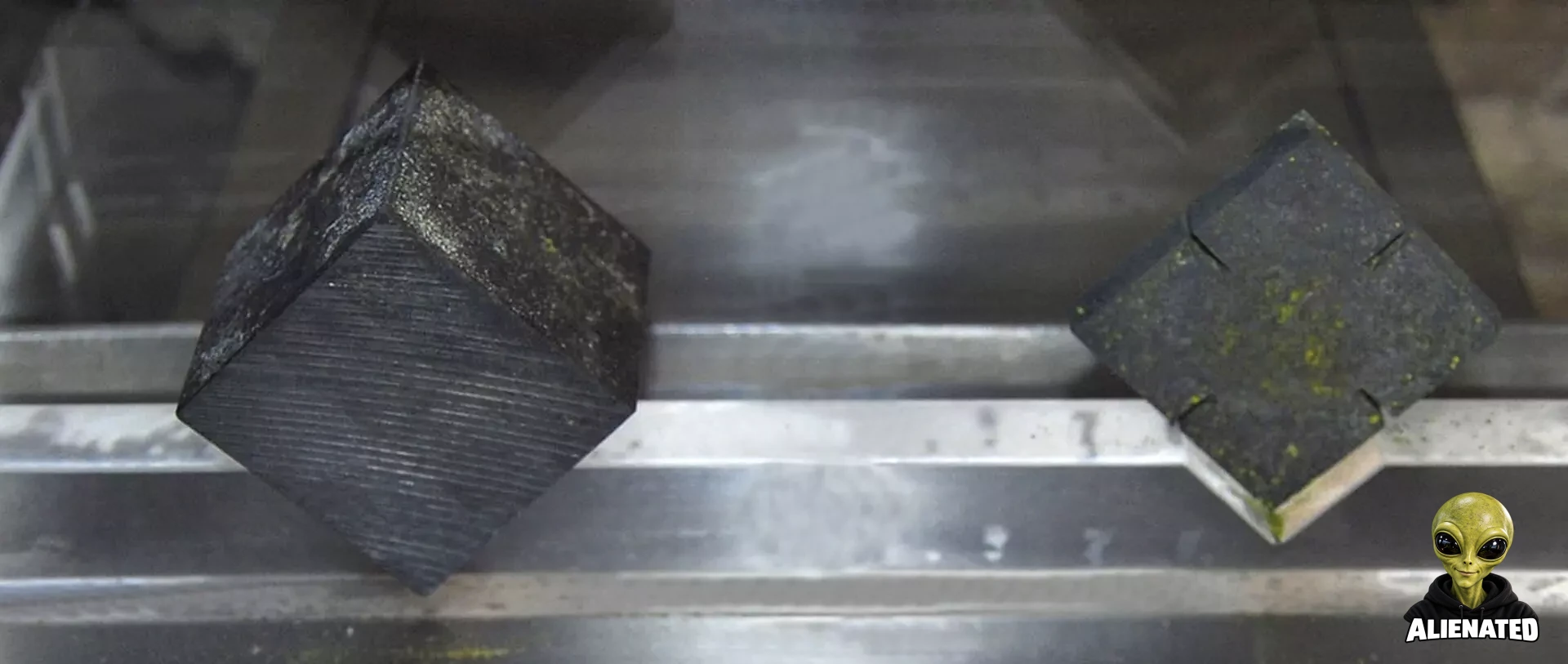
According to a report by The Debrief, new research published in PNAS Nexus indicates Nazi Germany was significantly further from developing a nuclear weapon during World War II than previously claimed. Project leader Werner Heisenberg had asserted that the 1945 Haigerloch reactor was near achieving criticality. However, American researchers analyzing surviving uranium cubes and modeling the reactor concluded that reaching criticality was logistically impossible. Germany lacked sufficient heavy water production, and its available graphite was too impure, showing that the Nazi nuclear program faced insurmountable logistical barriers rather than minor uranium shortages.
Context and limitations
The conclusion relies on computer simulations and the physical testing of only two surviving uranium cubes to extrapolate the logistical capabilities and material purity of the entire wartime German nuclear effort.
Comments
Related articles
US greenlights 500 Patriot missiles for Ukraine, with $2.1 billion to be paid by allies
Breaking Defense

Japan’s New Taigei-class Lithium-Ion Attack Submarines Summed Up in 1 Word
19FortyFive

121 Years Later, Teddy Roosevelt’s Line on the US Navy Is Still One of the Greatest Military Quotes in Armed Forces History
19FortyFive