
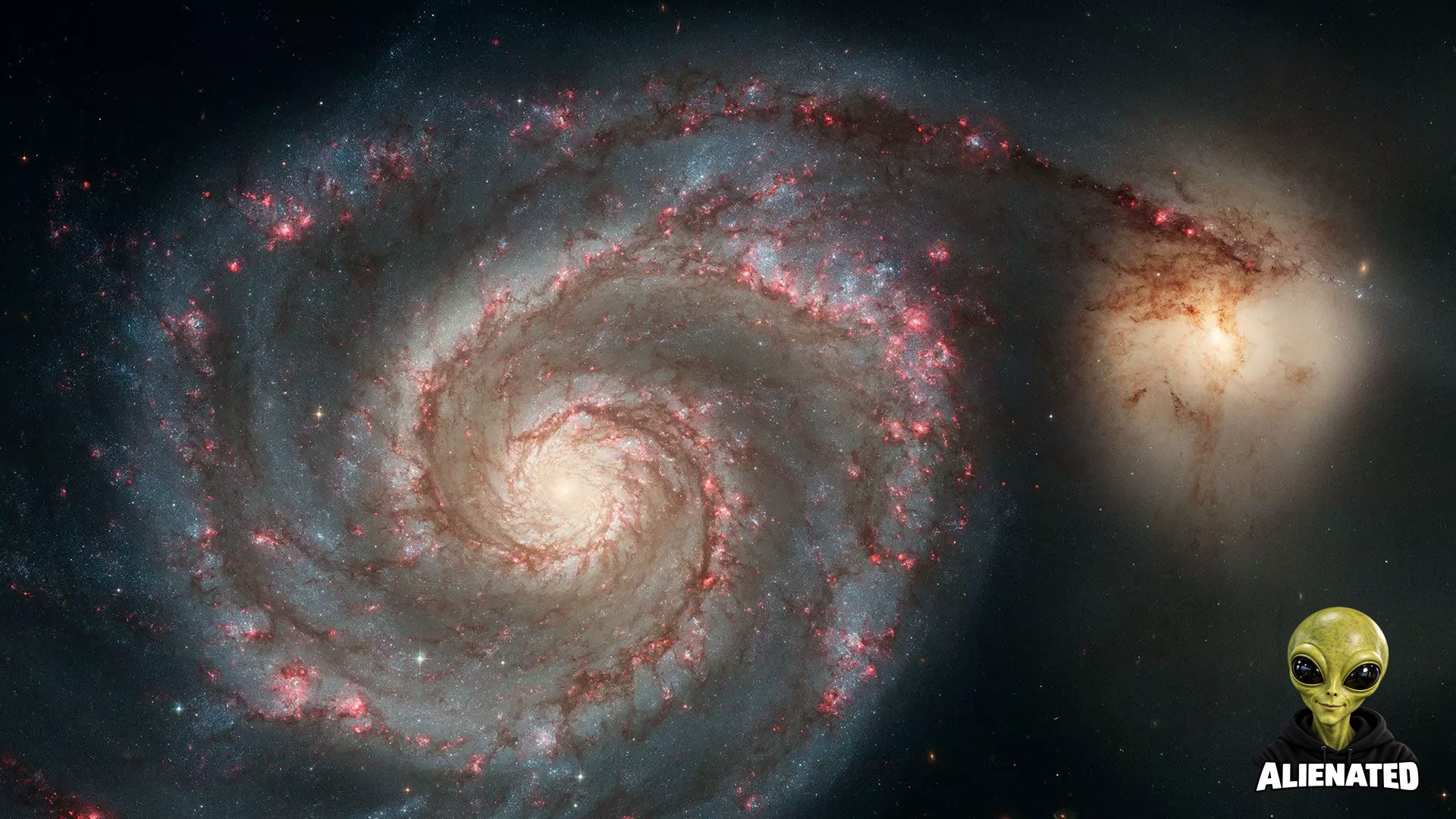
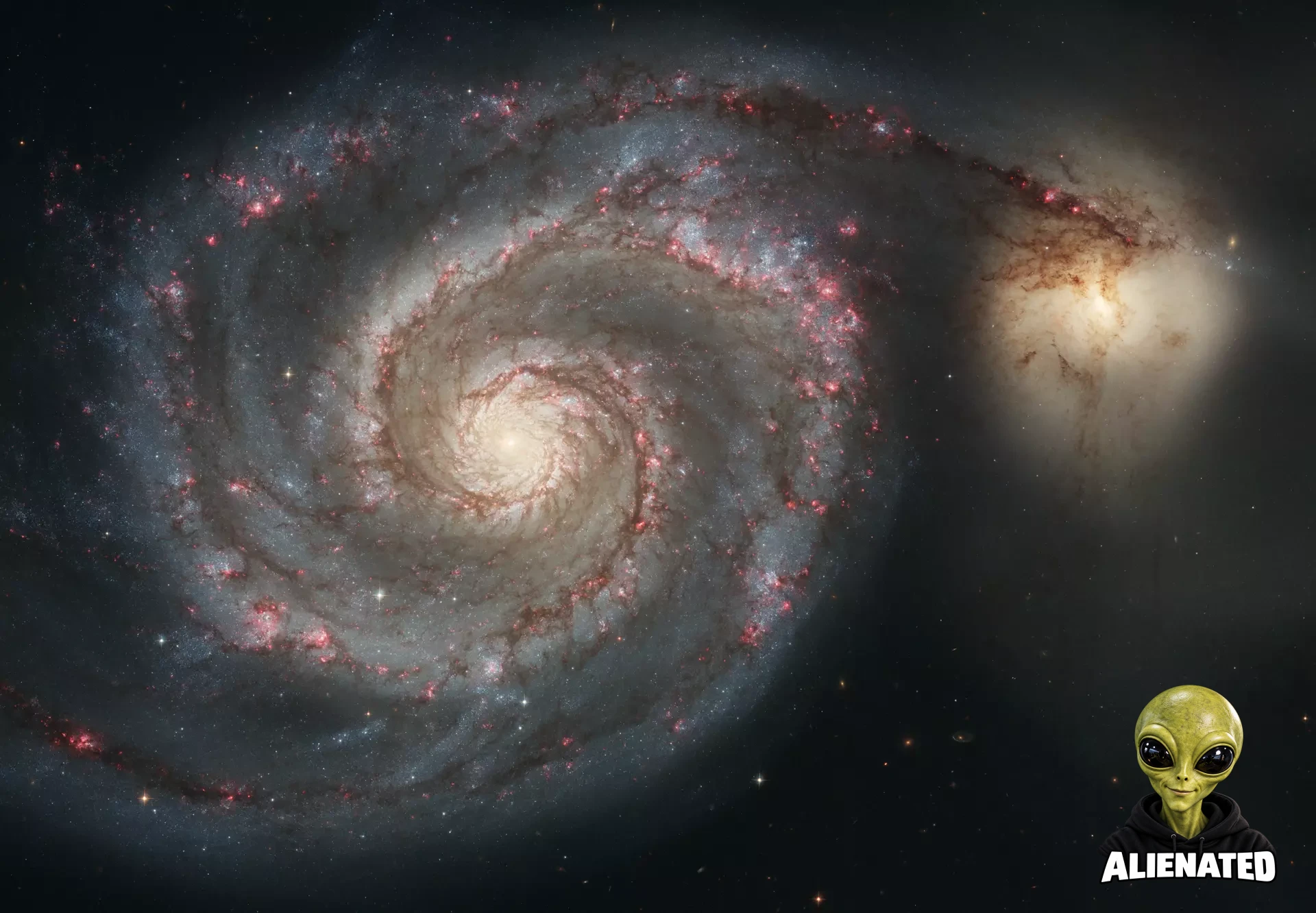
On this day in space! Oct. 13, 1773: Astronomer Charles Messier discovers the Whirlpool Galaxy before we ever knew it was a galaxy
 Tommy Alien ·
Automatically curated summary from Space.com.
On October 13, 1773, French astronomer Charles Messier catalogued the Whirlpool Galaxy (M51) as a non-comet object, though he could not discern its galaxy status or spiral structure. Later observed by William Parsons as a spiral nebula, Edwin Hubble eventually confirmed M51 was a distinct galaxy. Located approximately 31 million light-years from Earth, M51 displays a prominent spiral shape. NASA scientists suspect this shape and heightened star formation were triggered by a gravitational interaction with its companion galaxy, NGC 5195, around 500 million years ago.
Context and limitations
Historical timeline details reflect the provided excerpt; the claim that NGC 5195 passed through M51's disk 500 million years ago to form its spiral structure is framed as a scientific suspicion rather than a proven fact.

Comments
Related articles

An aquanaut comes home: Returning to Earth from an undersea 'space station'
Space.com
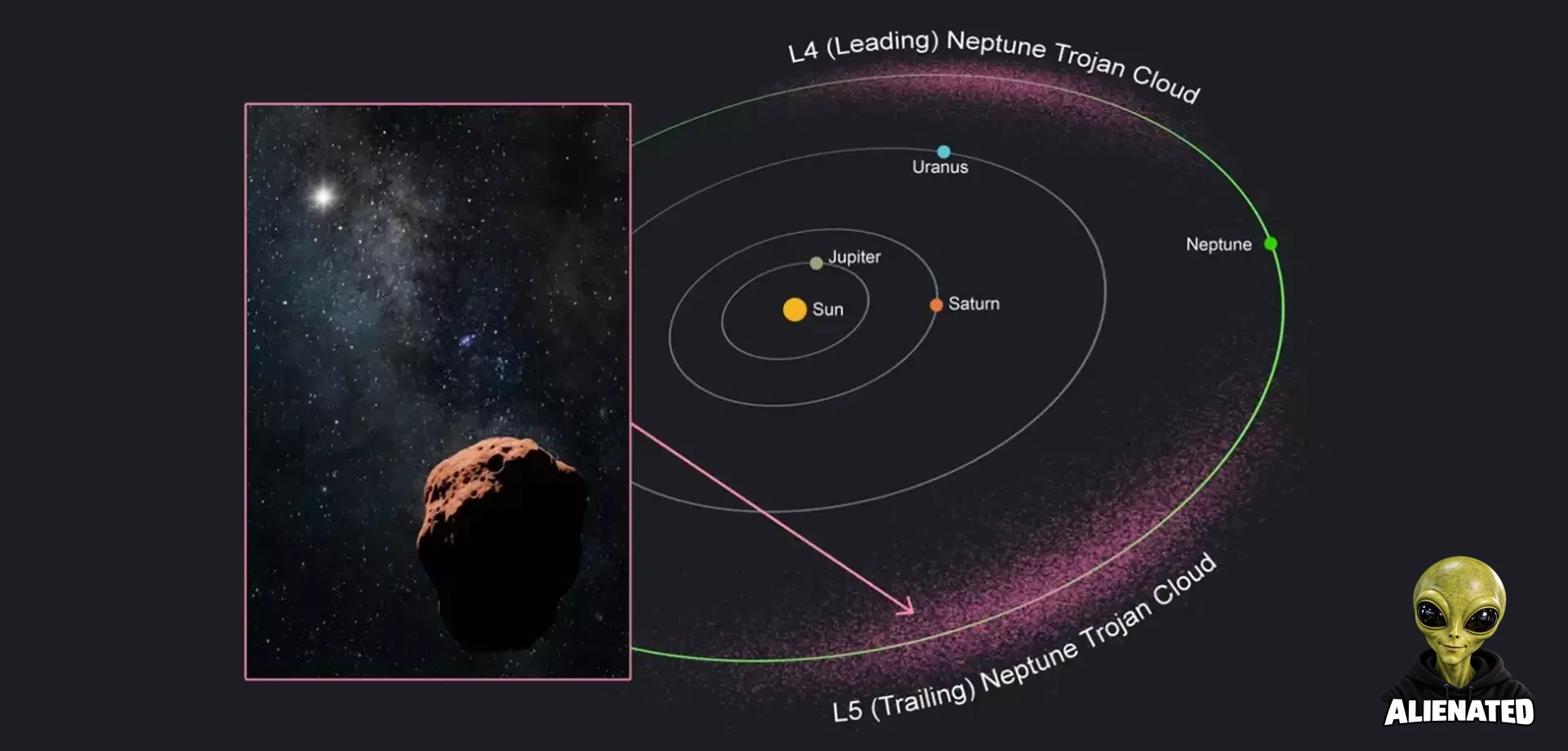
Queen's University Belfast Students Find Neptune's Elusive Trojan Asteroids
Universe Today
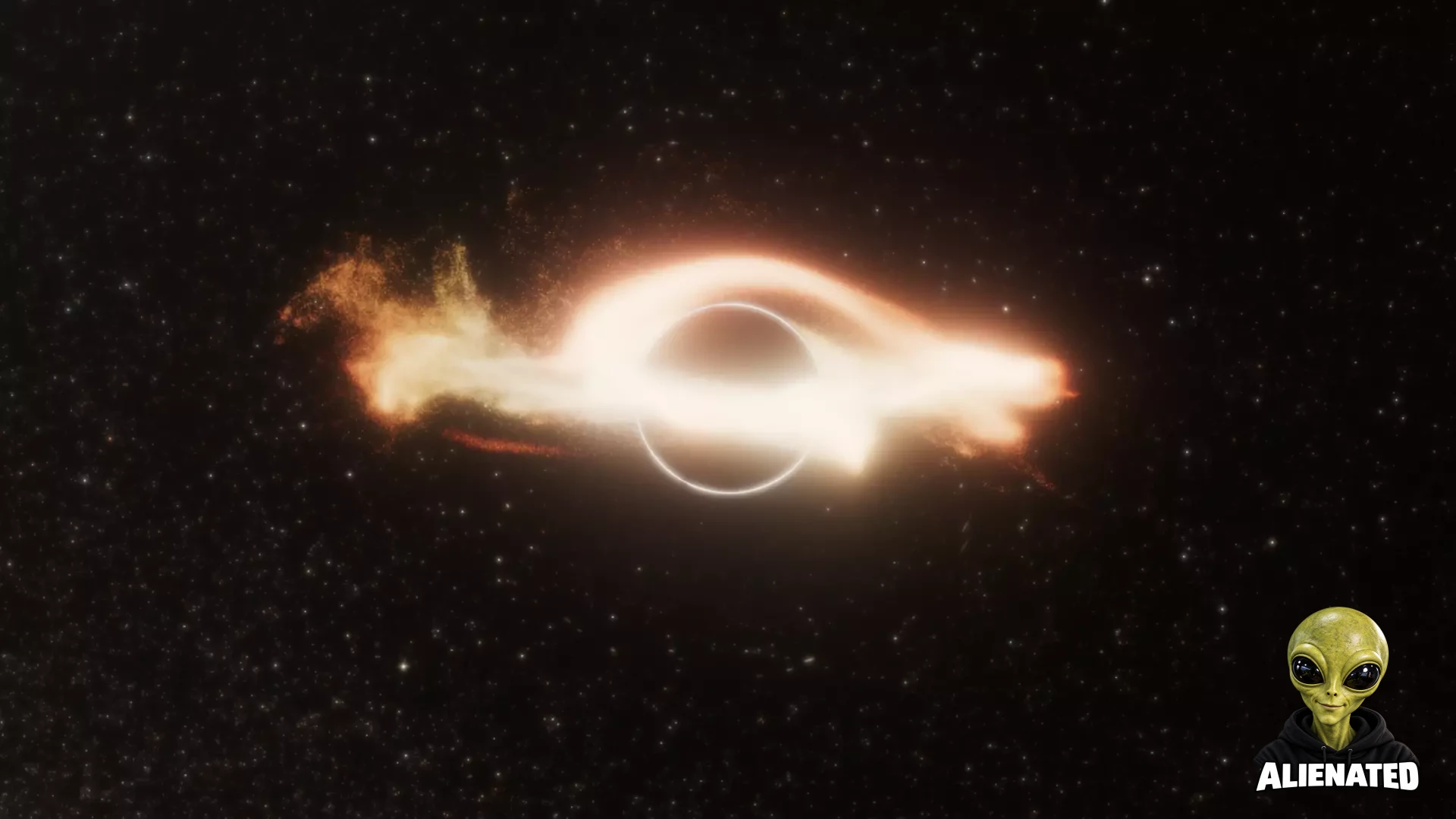
What Could Split a Black Hole in Two?
Universe Today