
Astronomers witness supermassive black hole gorge on a cosmic meal before 'burping' radio jets 300 days later
 Tommy Alien ·
Automatically curated summary from Space.com.
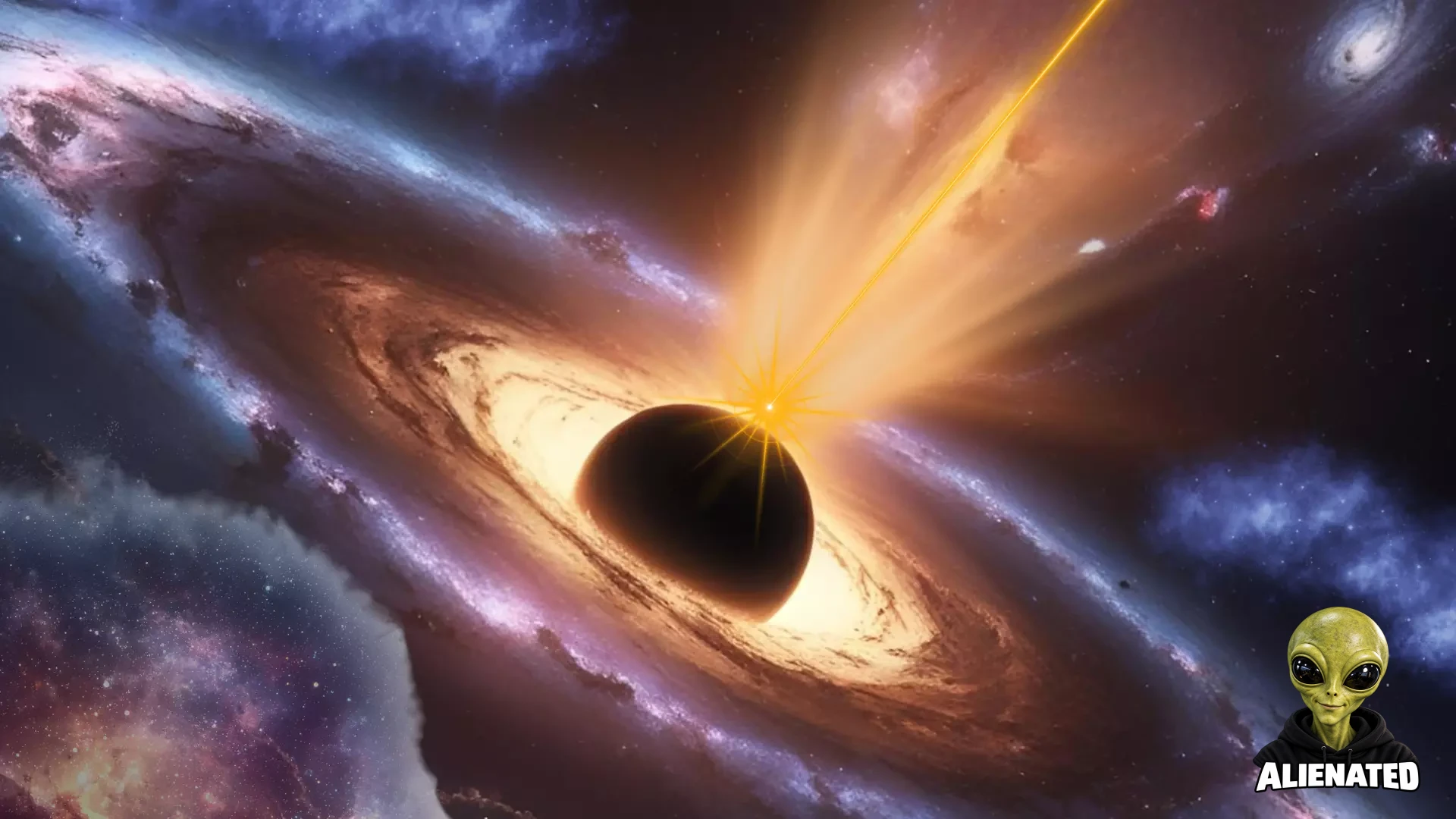
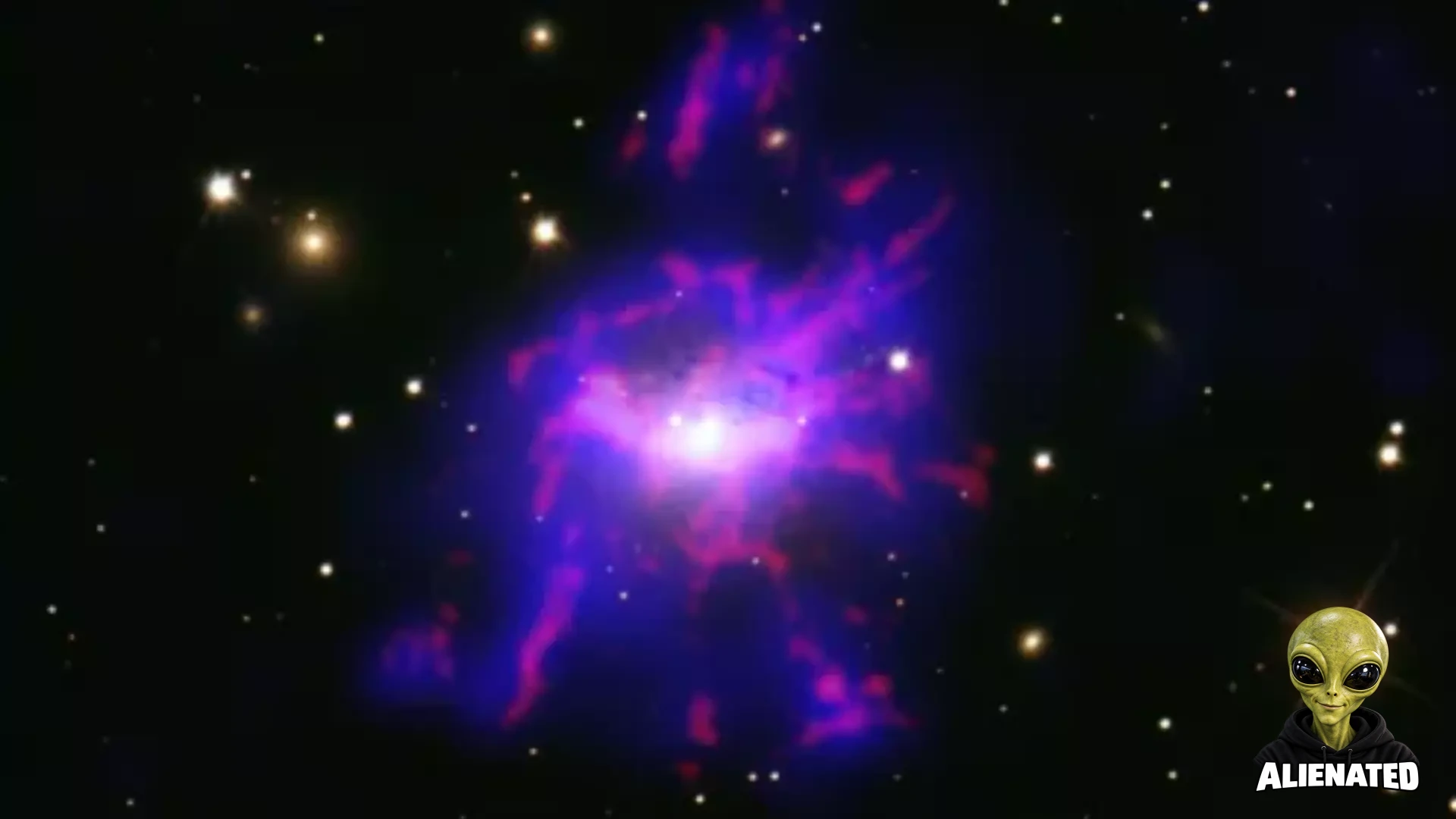
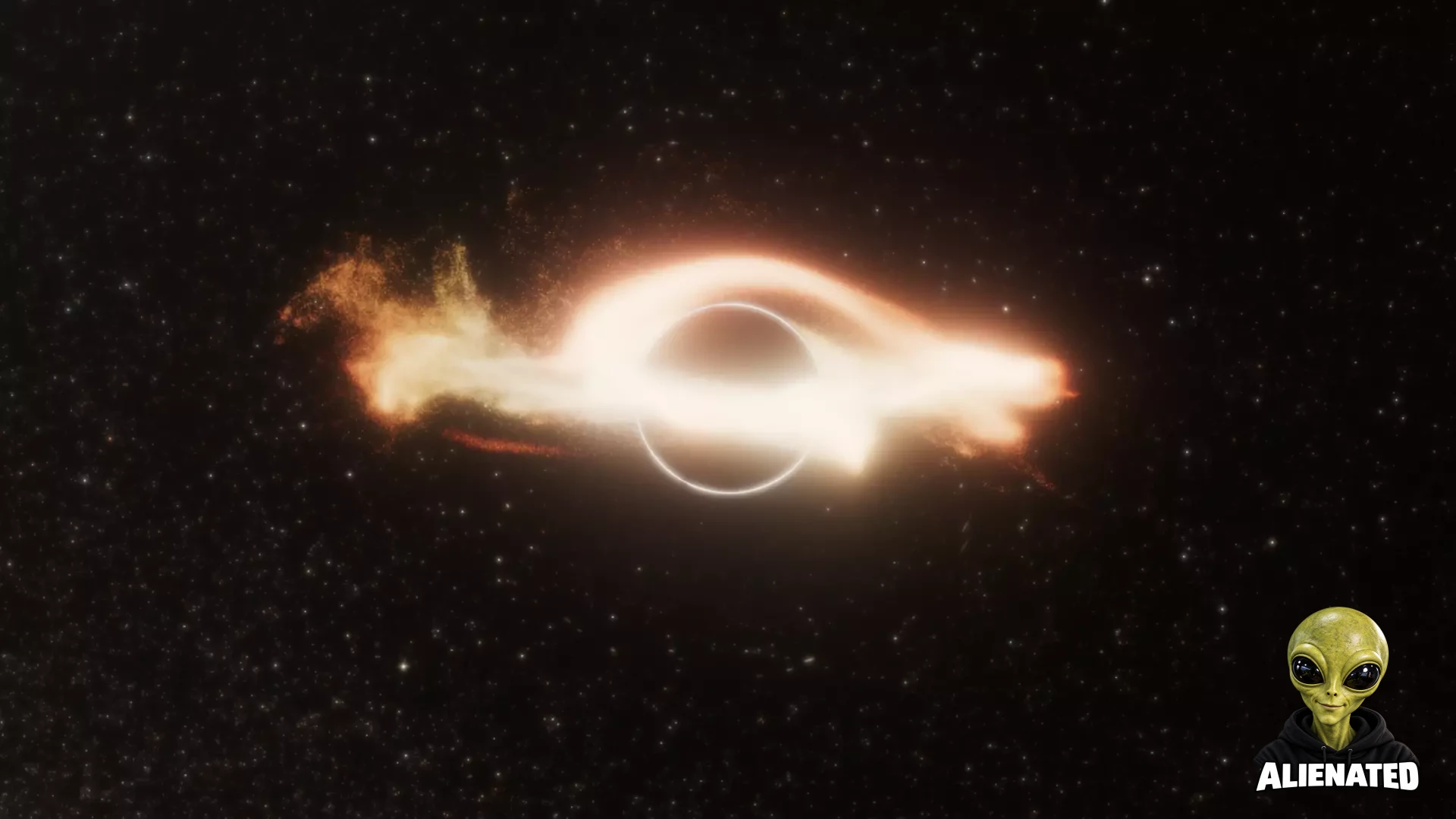
According to research accepted by Astrophysical Journal Letters, astronomers using NASA’s Swift Observatory and radio observations analyzed a supermassive black hole at the center of galaxy NGC 1275 in the Perseus Cluster. Team leader Sarah Ketchum reported a major X-ray flare in February 2023 caused by a spike in matter accretion rather than a star-destroying tidal disruption event. The team found tentative evidence of a 300-day delay between the X-ray flare and subsequent radio jet emissions, offering insight into black hole disk-jet coupling.
Context and limitations
The team emphasized that evidence for the 300-day delay is tentative due to sparsely sampled X-ray data, requiring further testing and observations from instruments like XMM-Newton and XRISM to establish a definitive connection.

Comments
Related articles

An aquanaut comes home: Returning to Earth from an undersea 'space station'
Space.com
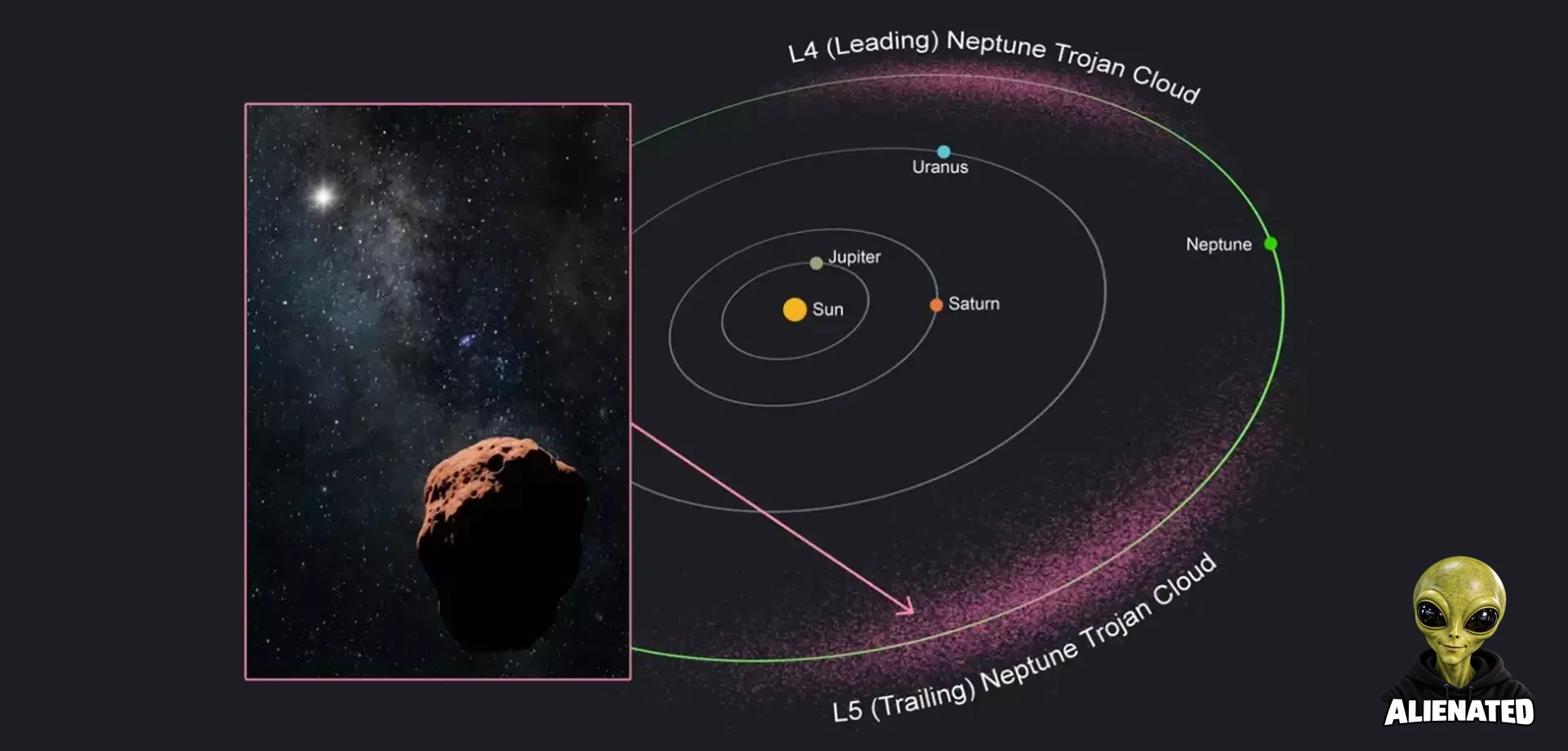
Queen's University Belfast Students Find Neptune's Elusive Trojan Asteroids
Universe Today
What Could Split a Black Hole in Two?
Universe Today