
Hypernovae May Be All Hype, No Nova
 Tommy Alien ·
Automatically curated summary from Universe Today.
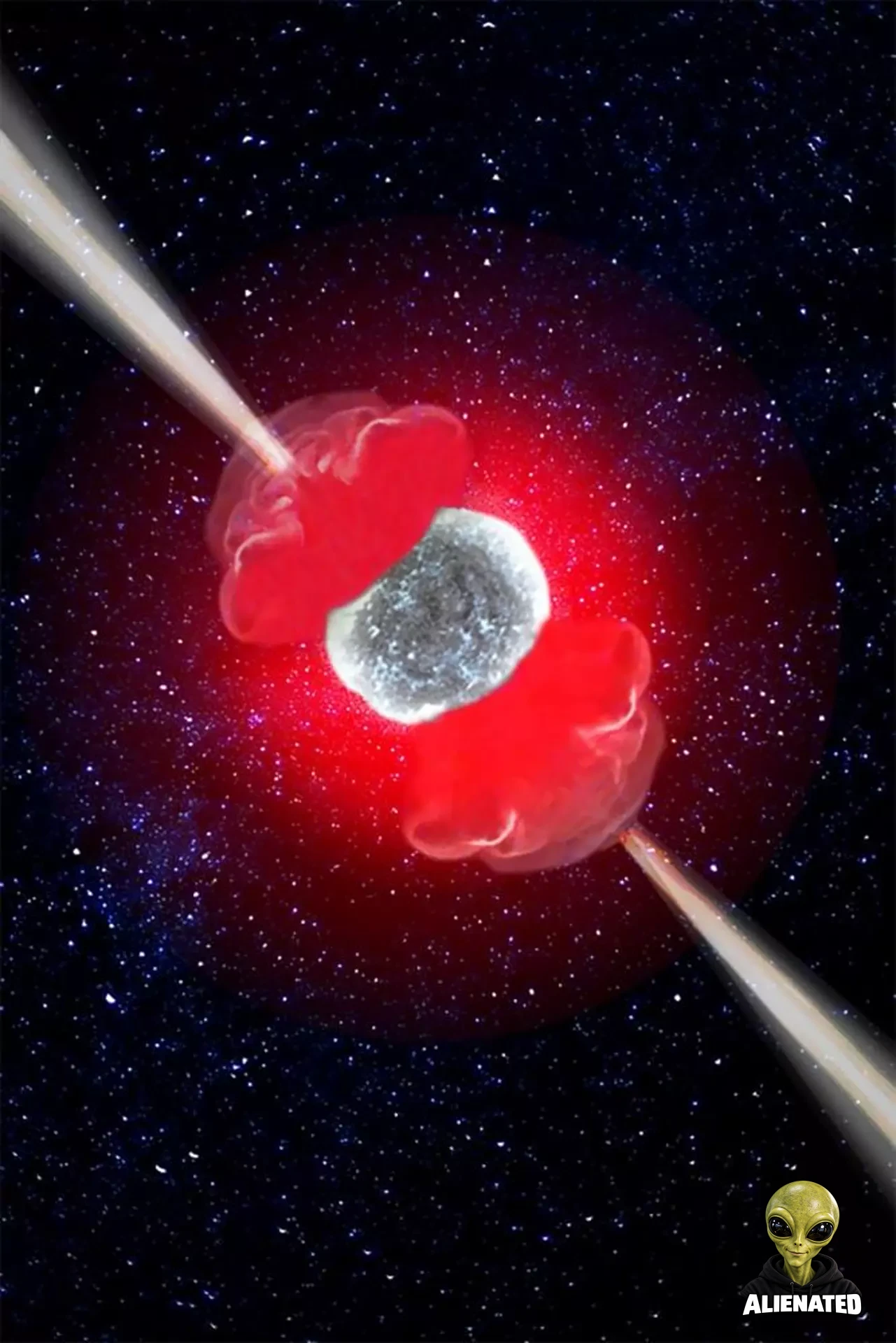
According to Universe Today, astrophysicists have long considered hypernovae—the most energetic form of core-collapse supernovae—to be the most powerful stellar explosions in the universe. However, direct evidence supporting their existence remains sparse. New research now challenges the hypernova concept, suggesting that these extreme cosmic events may not actually occur. The excerpt highlights growing uncertainty surrounding these theoretical stellar phenomena, emphasizing that current observational data may be insufficient to confirm their existence.
Context and limitations
This report is based on a brief excerpt referencing unnamed new research. Details regarding the specific study, methodology, lead authors, peer-review status, and scientific consensus are not provided in the text.
Comments
Related articles

An aquanaut comes home: Returning to Earth from an undersea 'space station'
Space.com
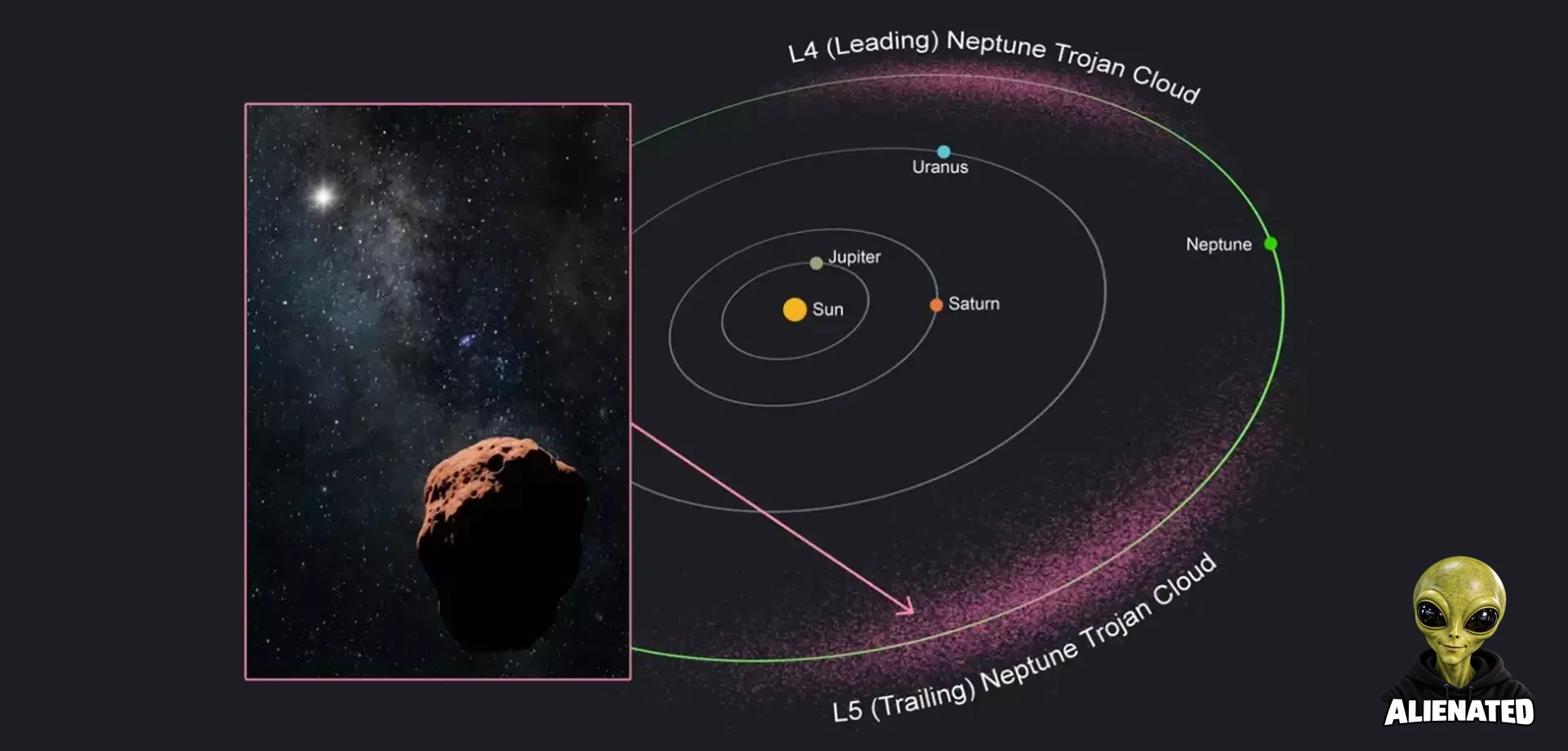
Queen's University Belfast Students Find Neptune's Elusive Trojan Asteroids
Universe Today
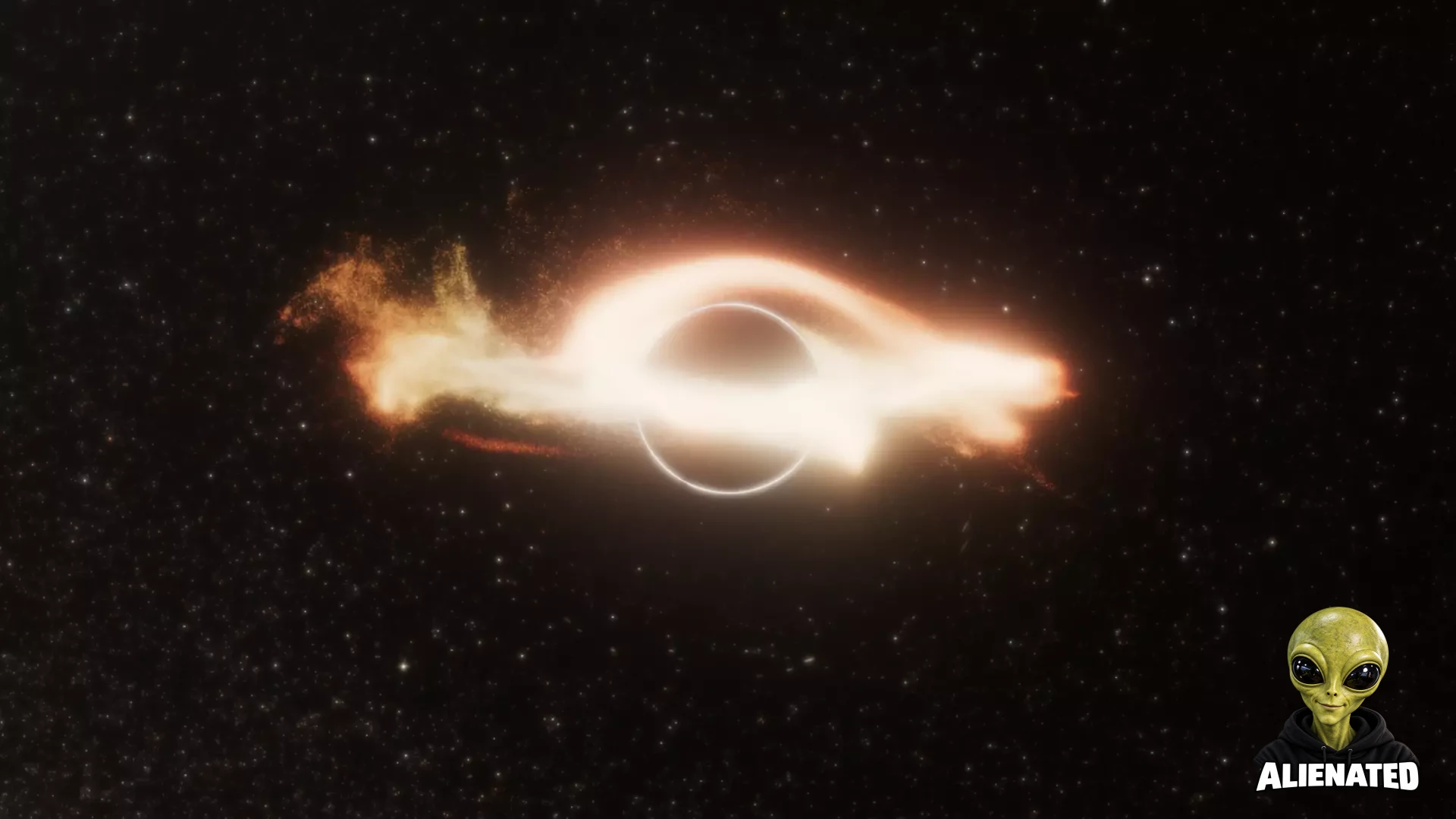
What Could Split a Black Hole in Two?
Universe Today