
article
New Research Reveals How Long Stays in Space Affects the Human Genome
 Tommy Alien ·
Automatically curated summary from Universe Today.
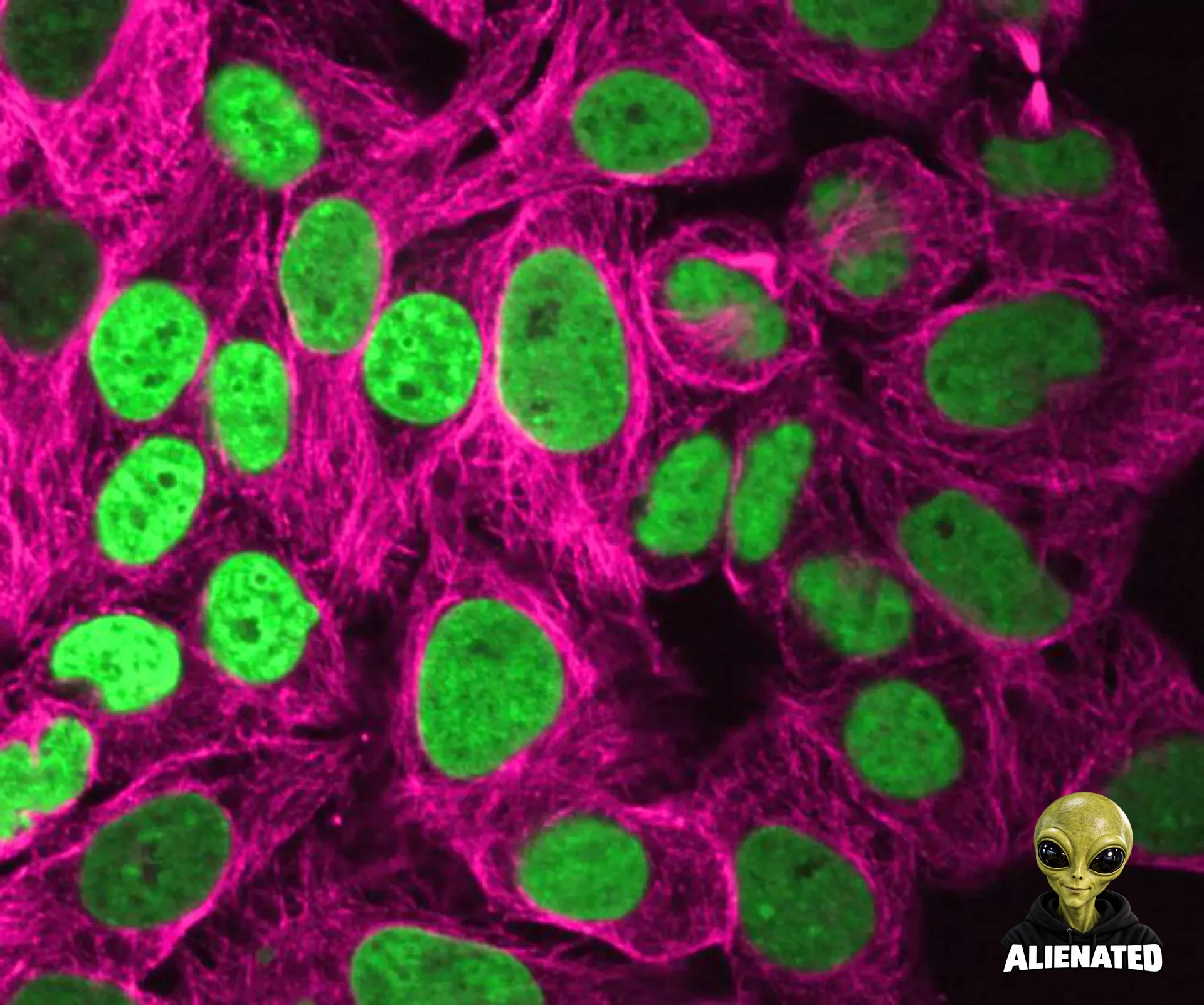
According to a report by Universe Today, a new study published in Science Advances examines the effects of long-duration exposure to microgravity on the human genome. As human spaceflight prepares for longer missions, understanding these genetic impacts addresses pressing questions regarding astronaut health and safety. However, the brief excerpt does not outline specific genetic changes, long-term risks, or health outcomes identified by the researchers.
Context and limitations
The excerpt is extremely brief and lacks specific details regarding the methodology, genomic findings, or health implications of the study.
Comments
Related articles

An aquanaut comes home: Returning to Earth from an undersea 'space station'
Space.com
Queen's University Belfast Students Find Neptune's Elusive Trojan Asteroids
Universe Today

What Could Split a Black Hole in Two?
Universe Today