
When not to watch a meteor shower — why I'm not staying up for the Orionids
 Tommy Alien ·
Automatically curated summary from Space.com.
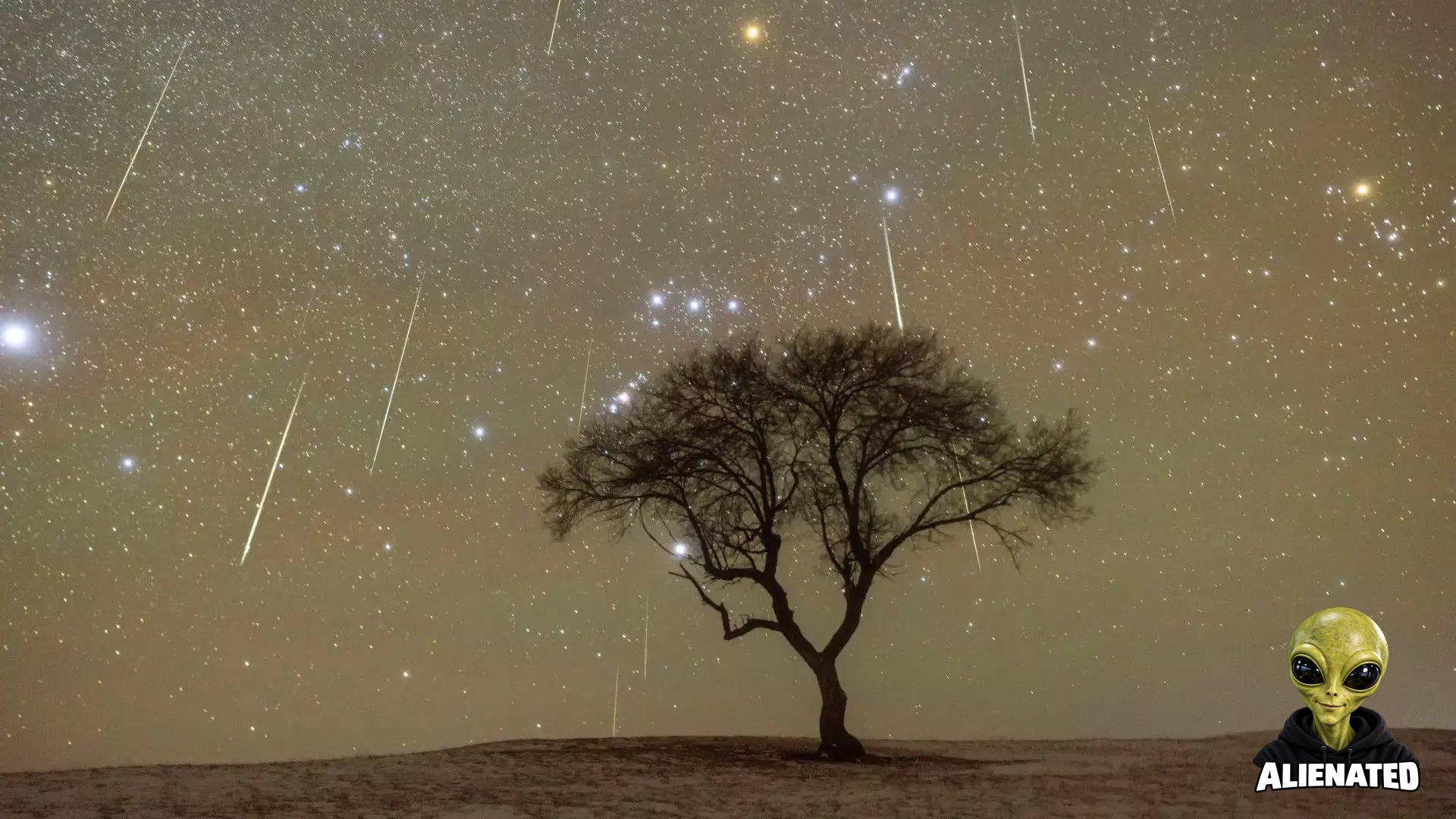
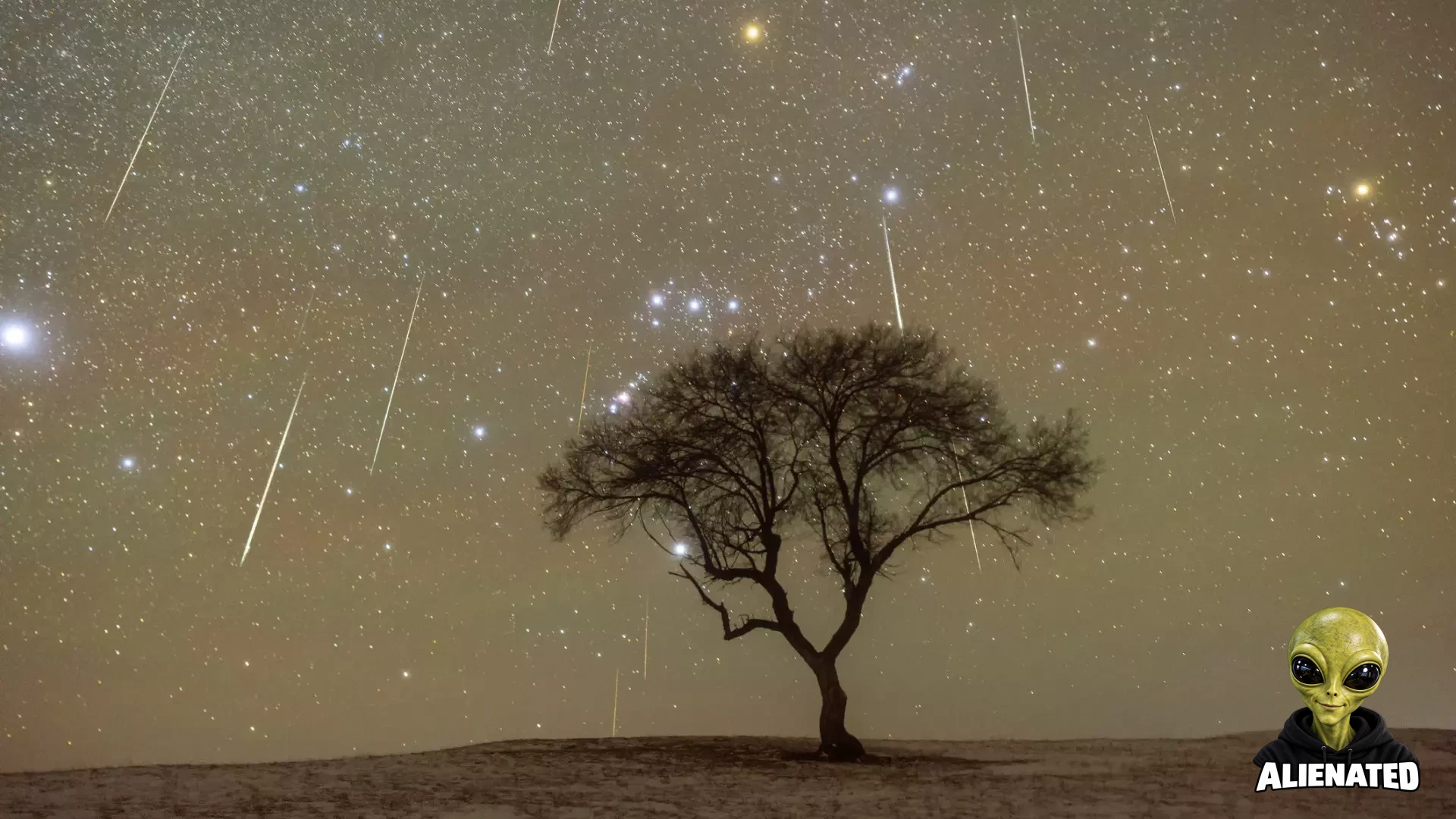
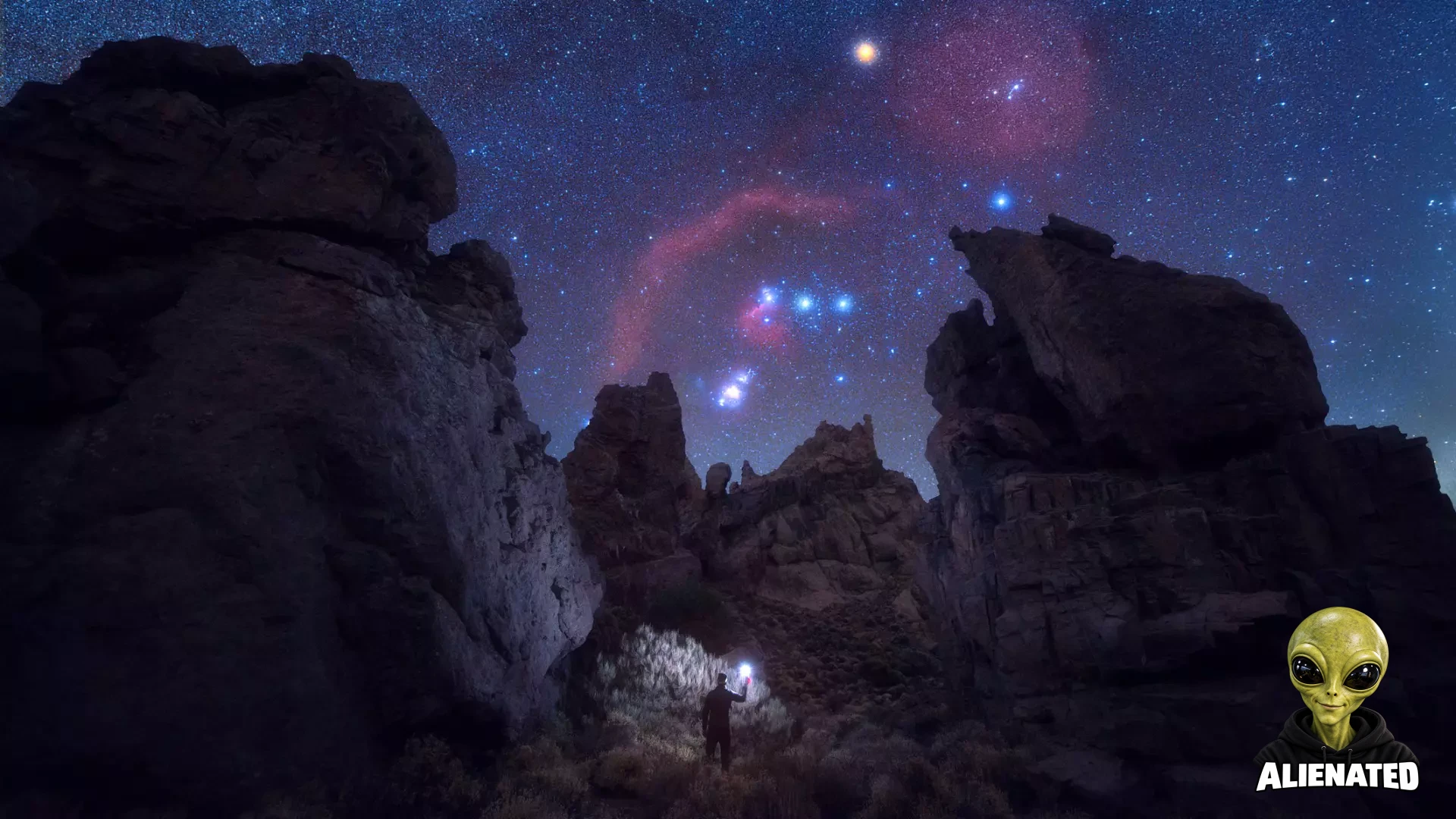
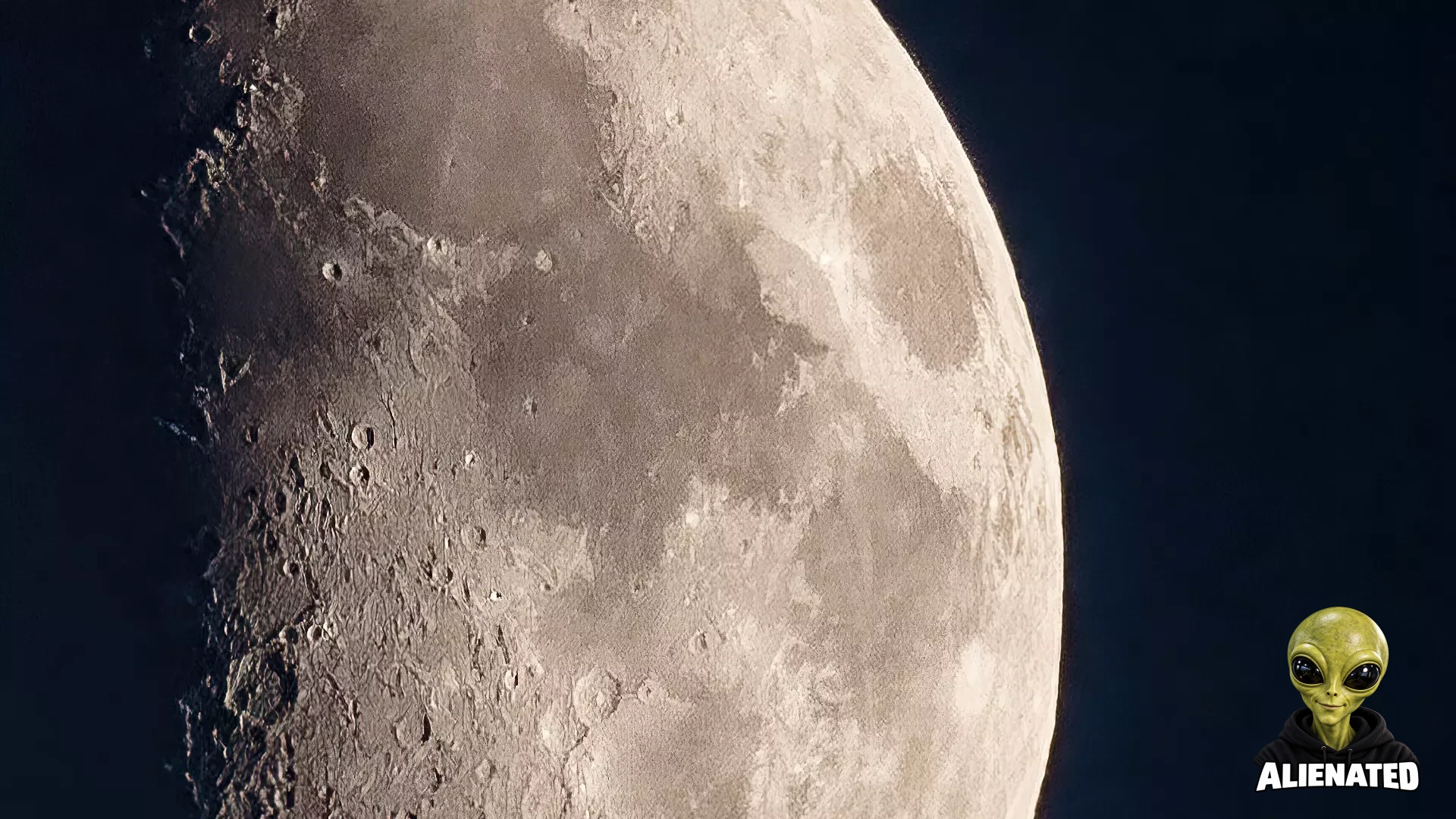
A Space.com writer explains why they are hesitant to sacrifice sleep for the 2026 Orionid meteor shower peak, which occurs overnight on October 21–22. Caused by debris from Halley's Comet, the fast-moving meteors have an estimated peak zenithal hourly rate of 20 or more under ideal conditions. However, an 80%-illuminated waxing gibbous moon will obscure viewing until it sets around 3:00 a.m. local time, leaving only a brief pre-dawn window of complete darkness around 3:00 to 5:00 a.m. The author highlights checking weather forecasts and suggests alternative targets like the Moon and Saturn.
Context and limitations
Hourly meteor rates reflect ideal theoretical conditions rather than guaranteed viewing results, and precise sky observation windows depend on local geography and weather.
Comments
Related articles

An aquanaut comes home: Returning to Earth from an undersea 'space station'
Space.com
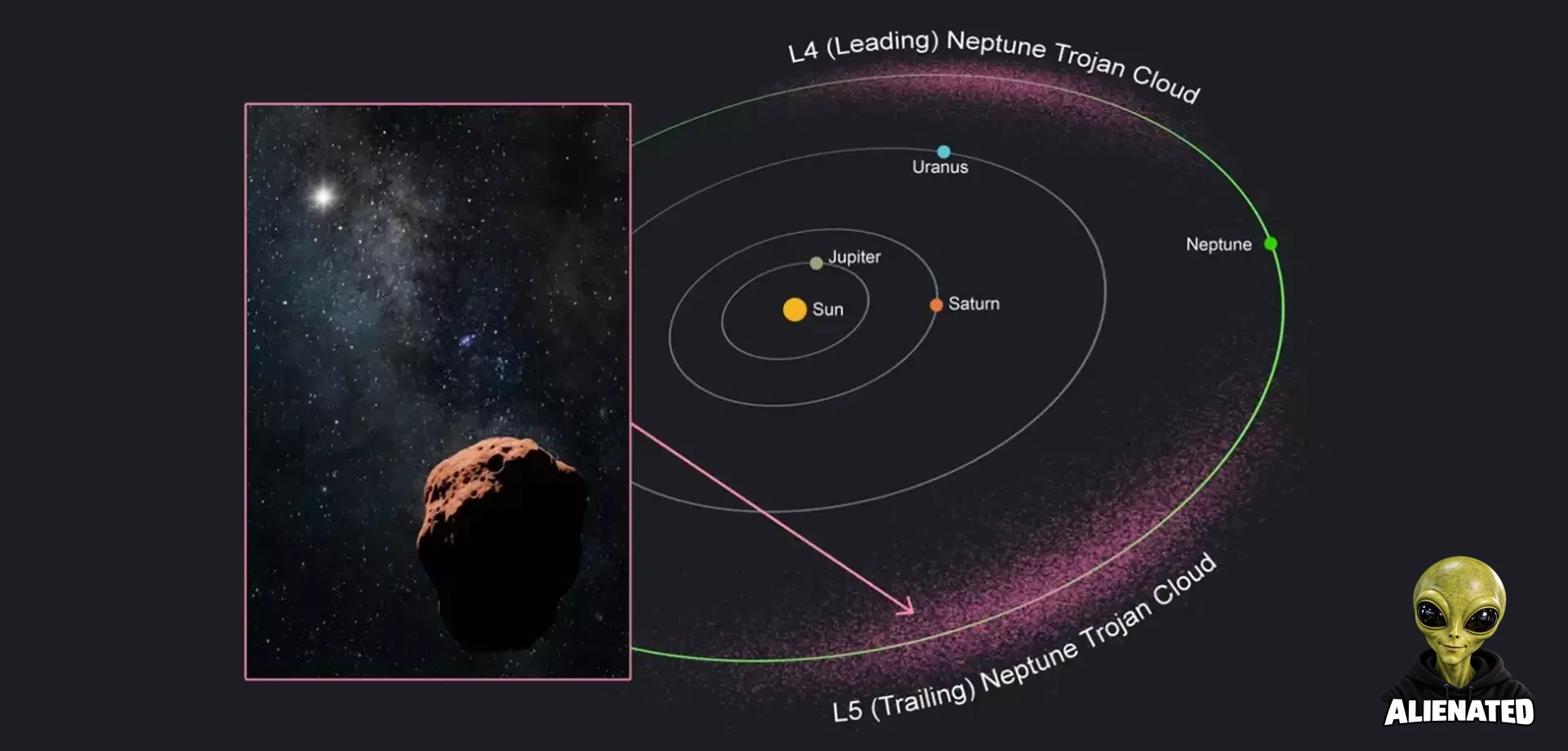
Queen's University Belfast Students Find Neptune's Elusive Trojan Asteroids
Universe Today
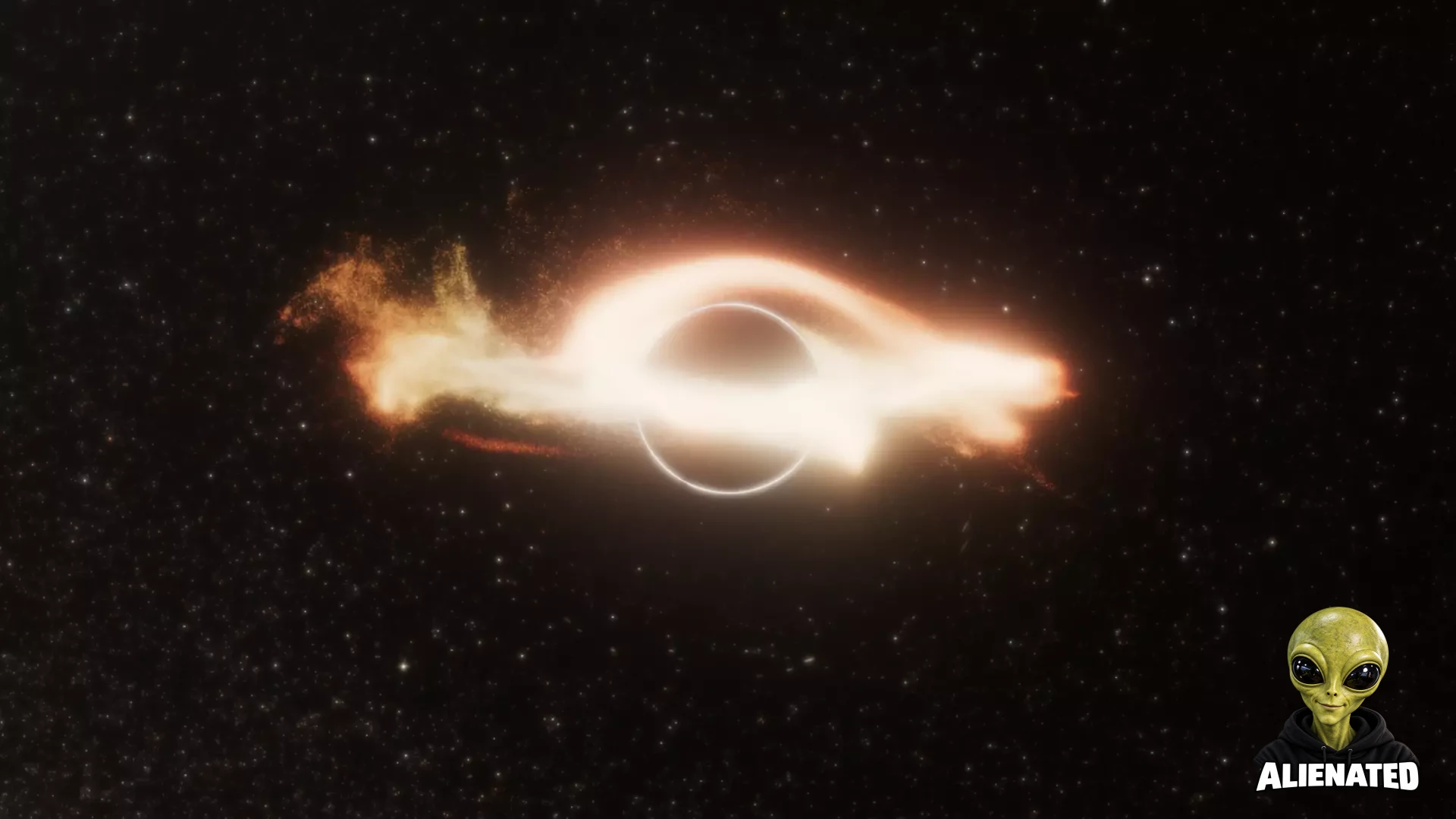
What Could Split a Black Hole in Two?
Universe Today