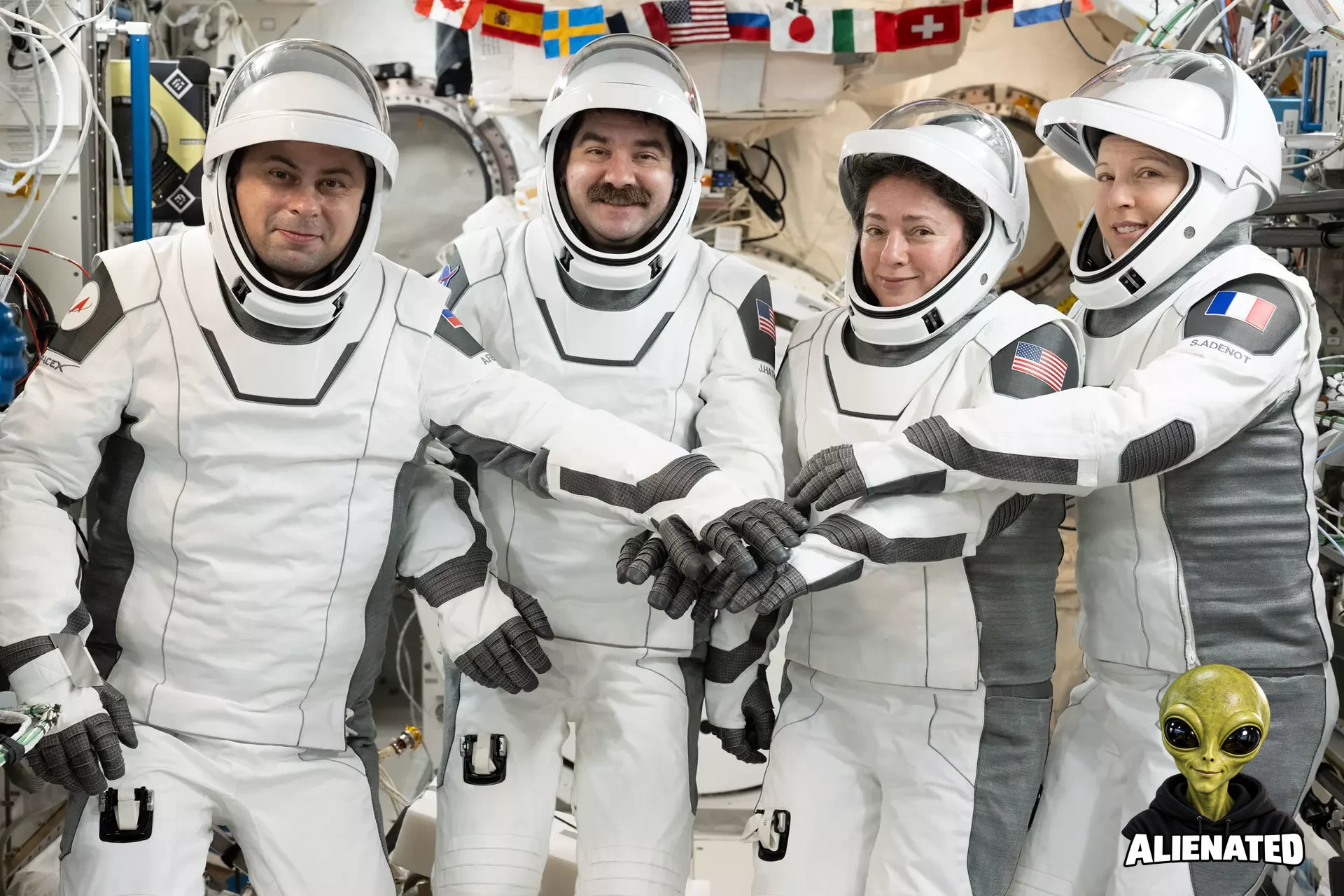
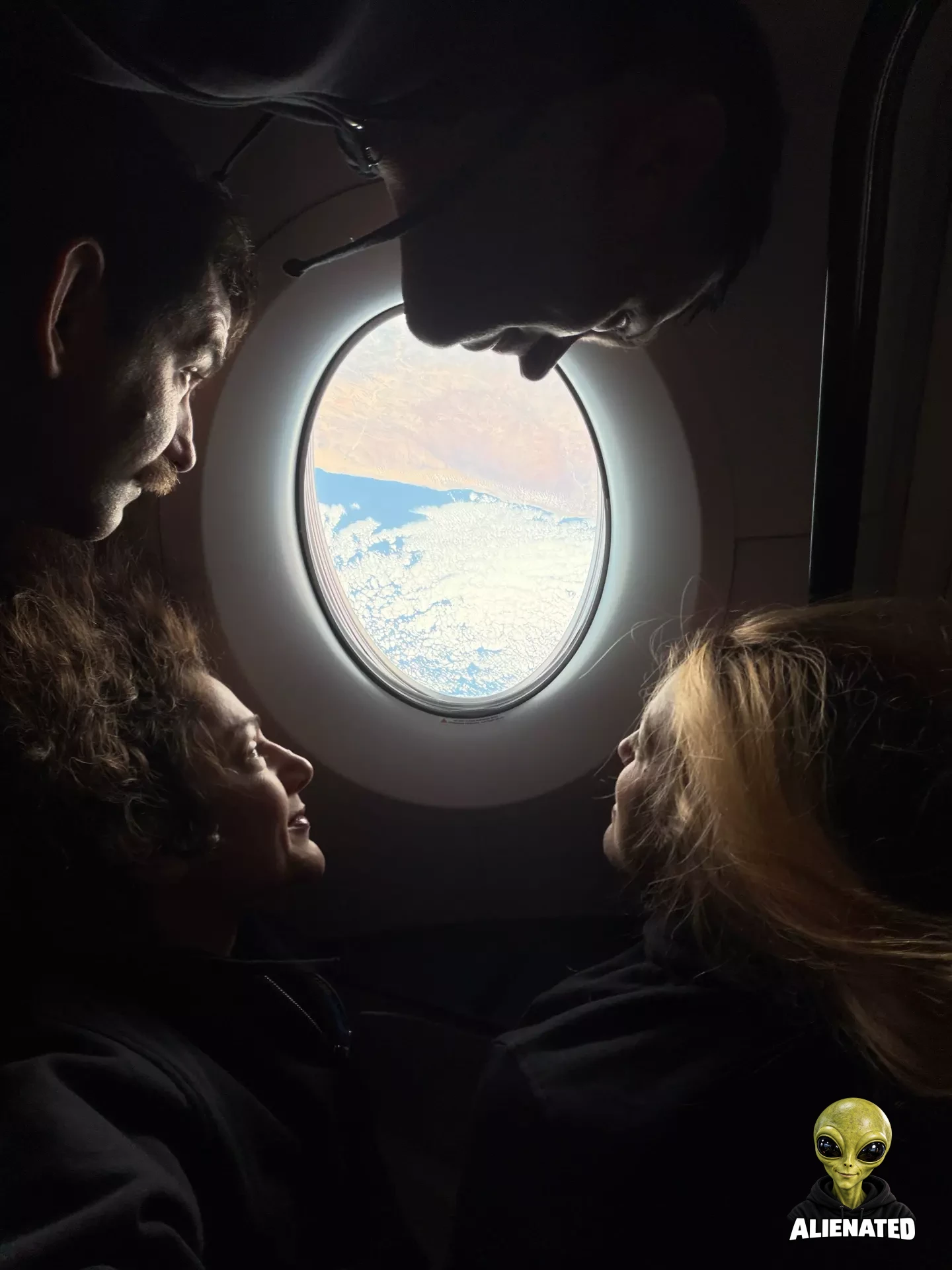
According to NASA, the agency and SpaceX are targeting no earlier than 8:05 a.m. EDT on Wednesday, Oct. 7, for the undocking of the Crew-12 mission from the International Space Station, pending weather conditions and operational readiness. The crew includes NASA astronauts Jessica Meir and Jack Hathaway, ESA astronaut Sophie Adenot, and Roscosmos cosmonaut Andrey Fedyaev aboard a SpaceX Dragon spacecraft. If schedules hold, splashdown off the California coast is expected around 11:34 a.m. on Thursday, Oct. 8, followed by a joint mission teleconference.
NASA astronaut Christina Koch, mission specialist for the Artemis II mission, appeared at Lincoln Financial Field during an NFL game between the Philadelphia Eagles and Los Angeles Rams on Sunday, Oct. 4, 2026. Koch led fans in singing the Eagles Fight Song. According to NASA, the appearance is part of its Inspiration Tour, an initiative designed to strengthen partner connections and showcase air and space innovation ahead of the MAX POWER aerospace technology expo at Kennedy Space Center.
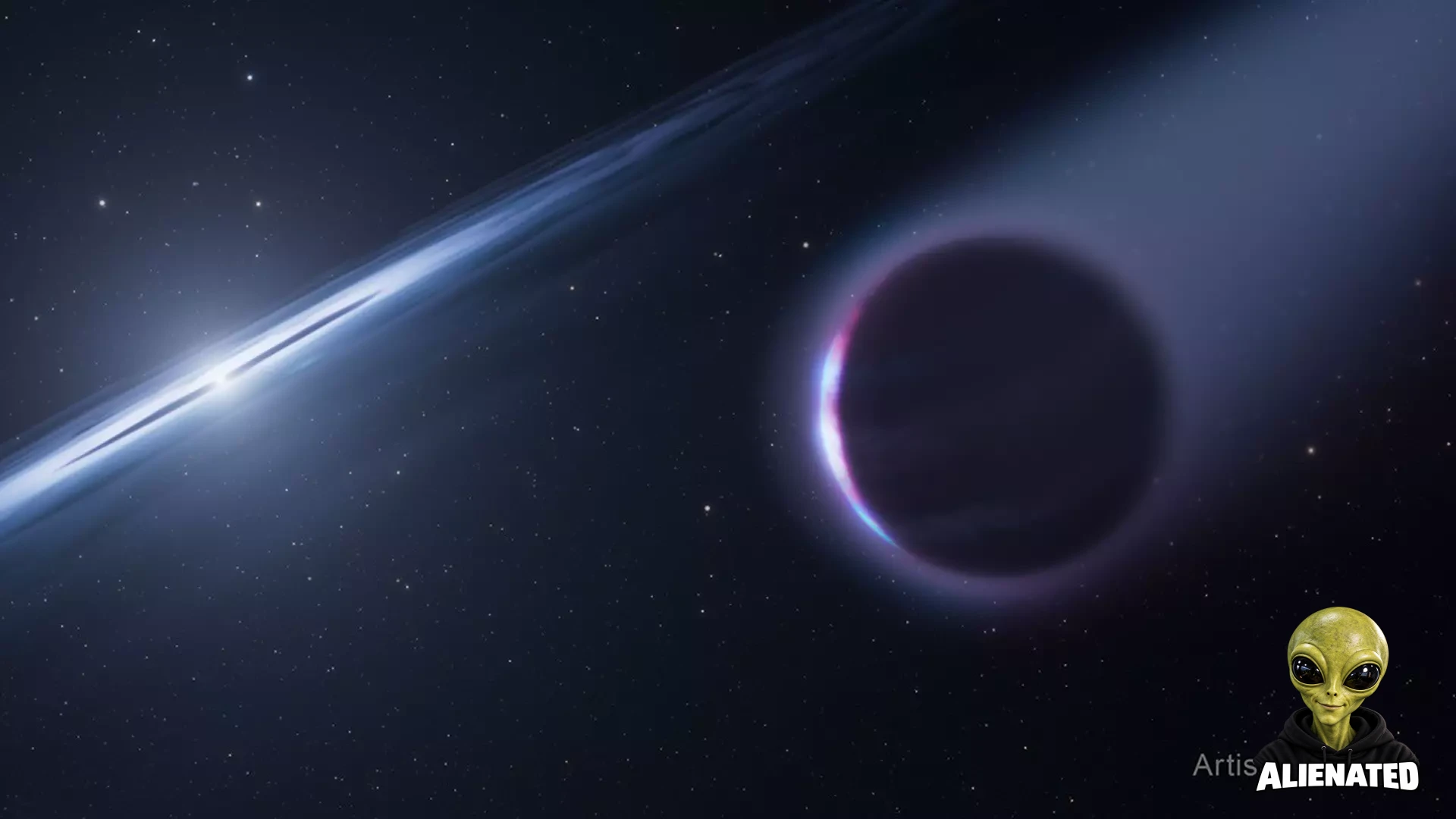
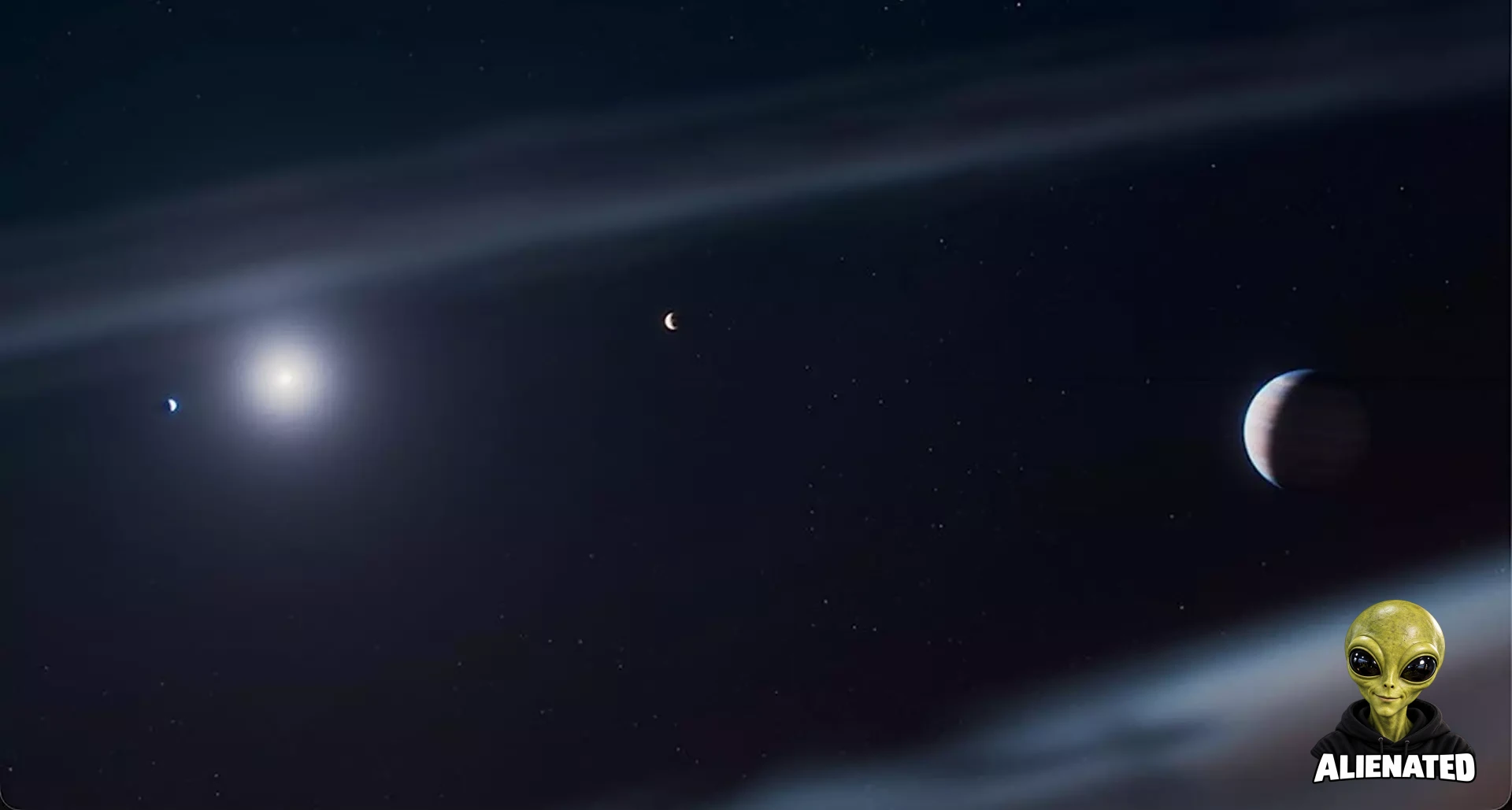
In a study published in Nature Astronomy, researchers reanalyzing archival 1999 NASA Hubble Space Telescope data detected high abundances of niobium in the white dwarf system HS 0209+0832. Lead author Jamie Williams of the University of Warwick suggests the heavy element originated from stellar ejecta that formed a suspected second-generation gas giant planet. Supporting observations from NASA's FUSE and TESS missions revealed a candidate Jupiter-sized planet orbiting close to the star. The candidate world appears to be losing its outer atmosphere, which may create a disk feeding material back
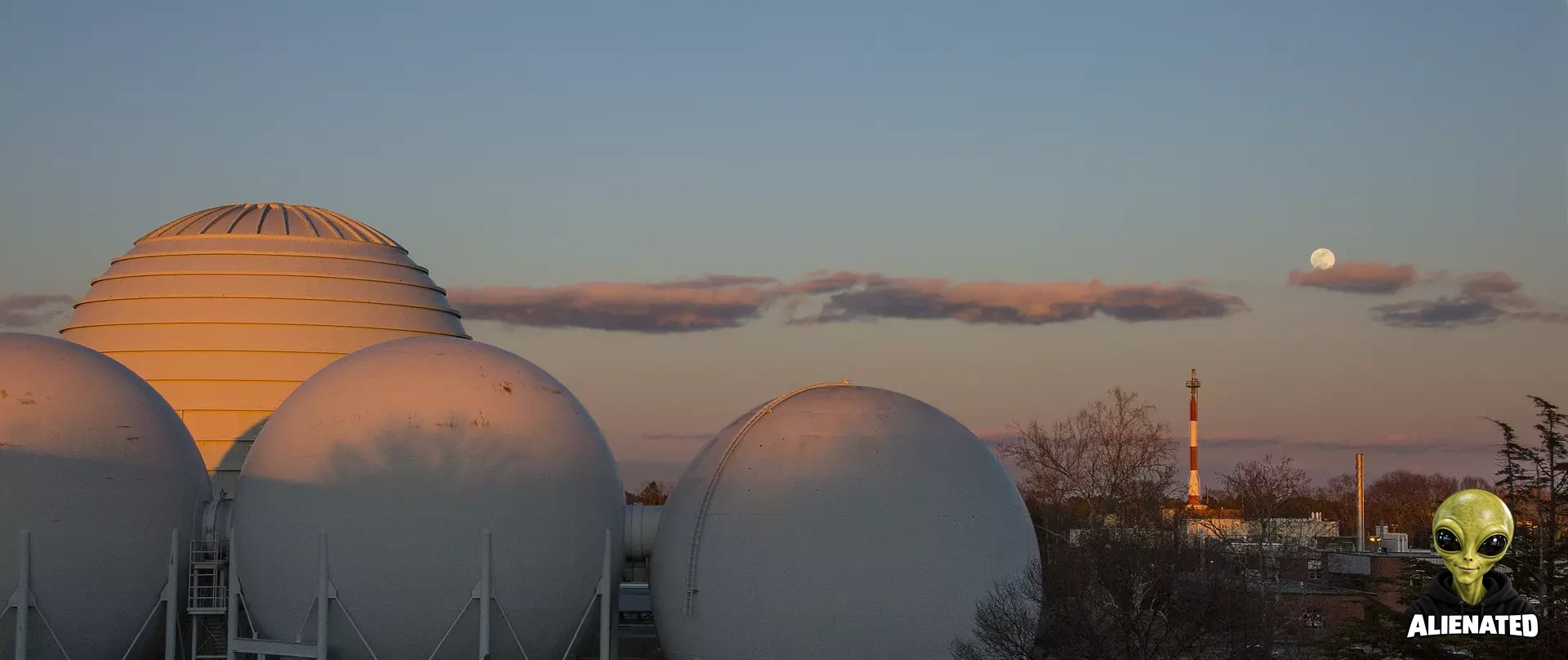
NASA has published contact details and organizational information for the Langley Research Center in Hampton, Virginia. The page provides mailing addresses, phone numbers, and email contacts for general operator assistance, public and media inquiries, partnerships, and educational programs. It also references the Virginia Air & Space Science Center as a visitors center, alongside social media channels and a brief mention that preparations for underwater moonwalk simulations are underway. The excerpt serves primarily as a public contact directory and educational portal outline for the research
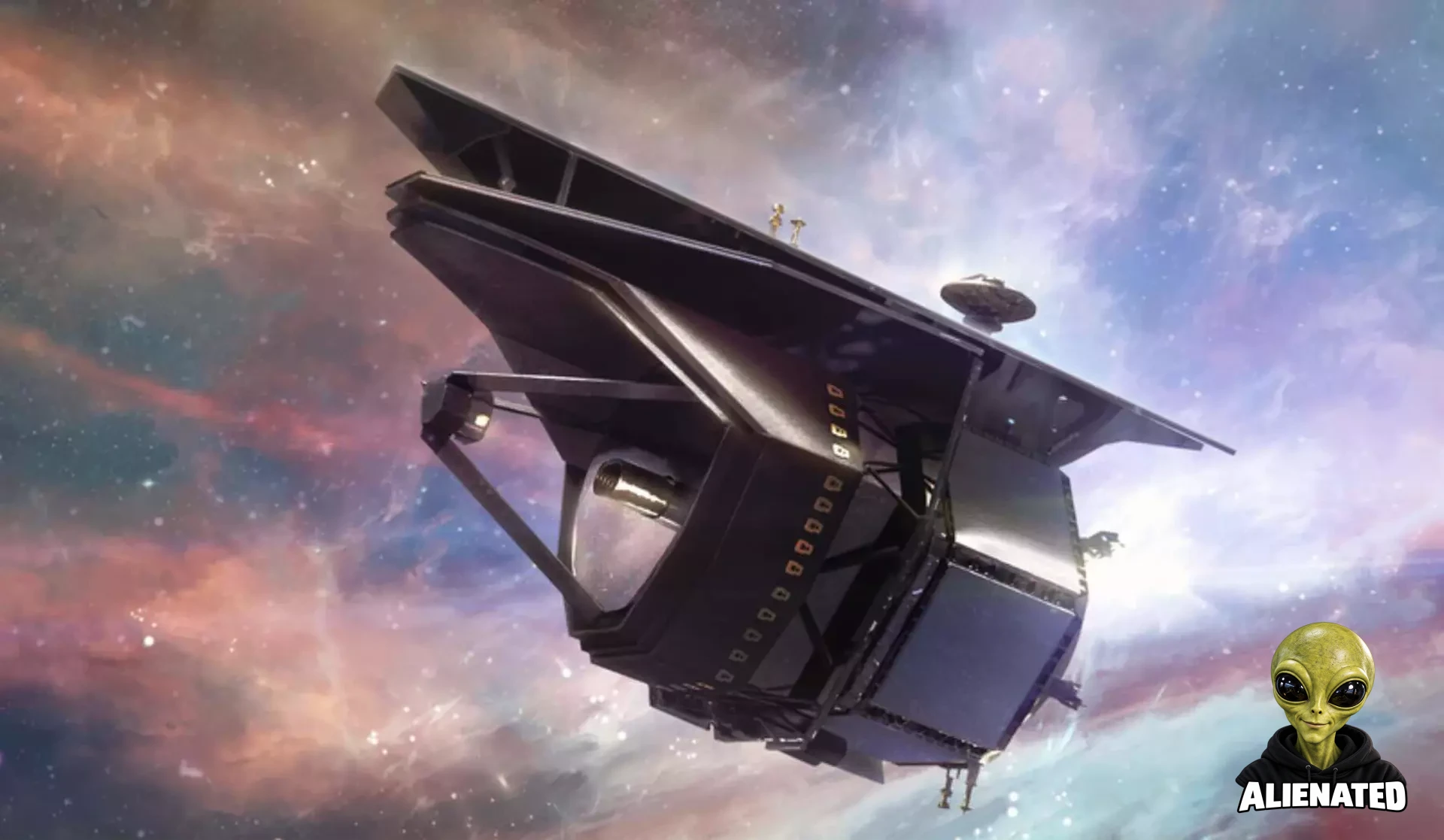
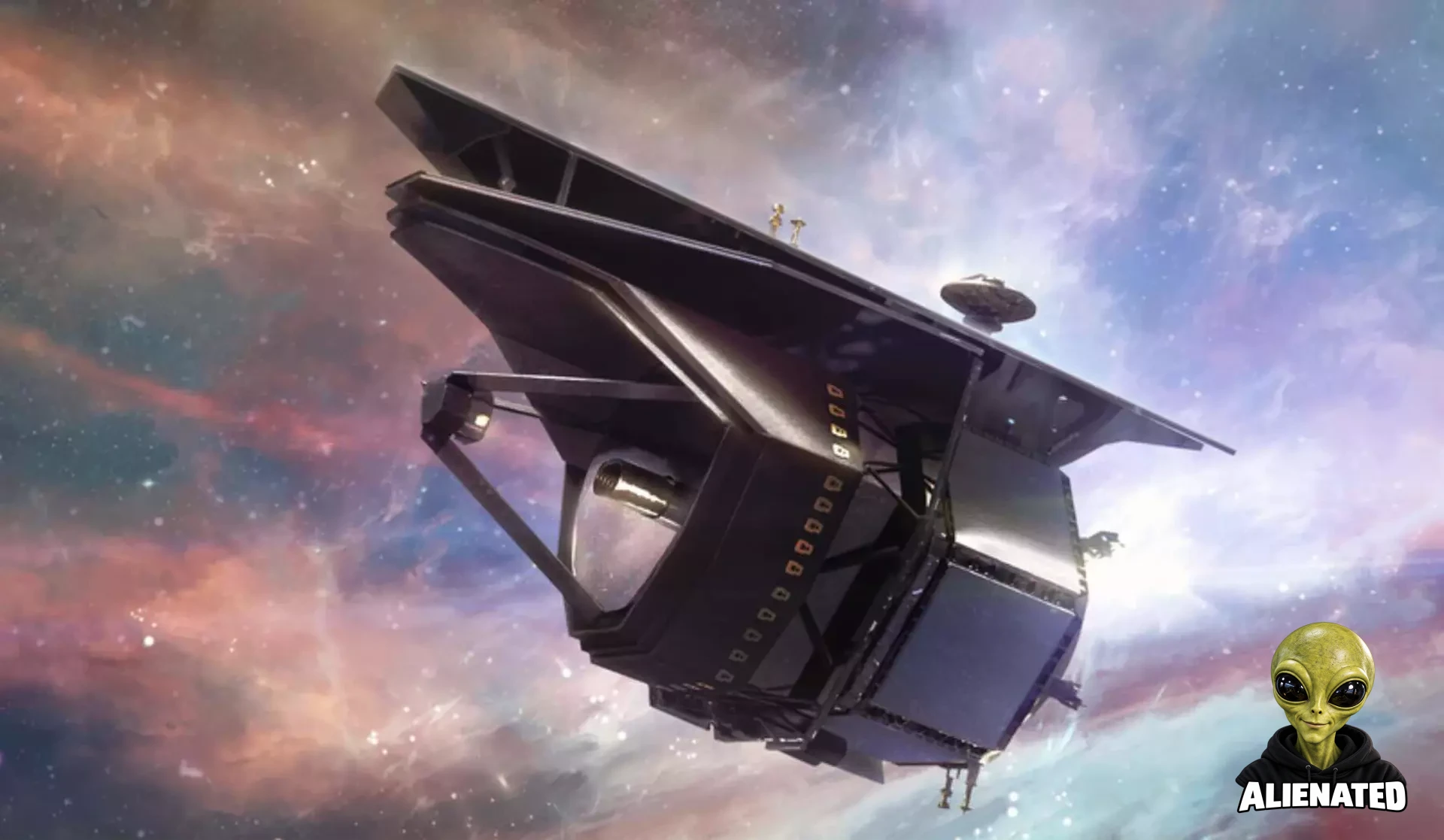
NASA has selected the PRobe far-Infrared Mission for Astrophysics (PRIMA) to enter Phase B development, advancing its design ahead of an eventual confirmation review. If approved, the 5.9-foot space telescope is planned for a 2033 launch on a five-year mission managed by NASA's Jet Propulsion Laboratory. PRIMA aims to study far-infrared wavelengths, bridging the observational gap between existing infrared observatories and radio telescopes. According to NASA, it will examine planet formation, black hole evolution, and the source of Earth's water.
According to The Debrief, NASA has selected the PRobe far-Infrared Mission for Astrophysics (PRIMA) to enter Phase B development. Featuring a 5.9-foot telescope operating at far-infrared wavelengths, PRIMA aims to bridge observational gaps between existing instruments like the James Webb Space Telescope and radio observatories. Managed by NASA's Jet Propulsion Laboratory, the mission is intended to investigate exoplanet formation, black hole evolution, cosmic dust, and the origins of Earth's water. If formally confirmed following reviews, PRIMA is targeted to launch in 2033 for a five-year pri
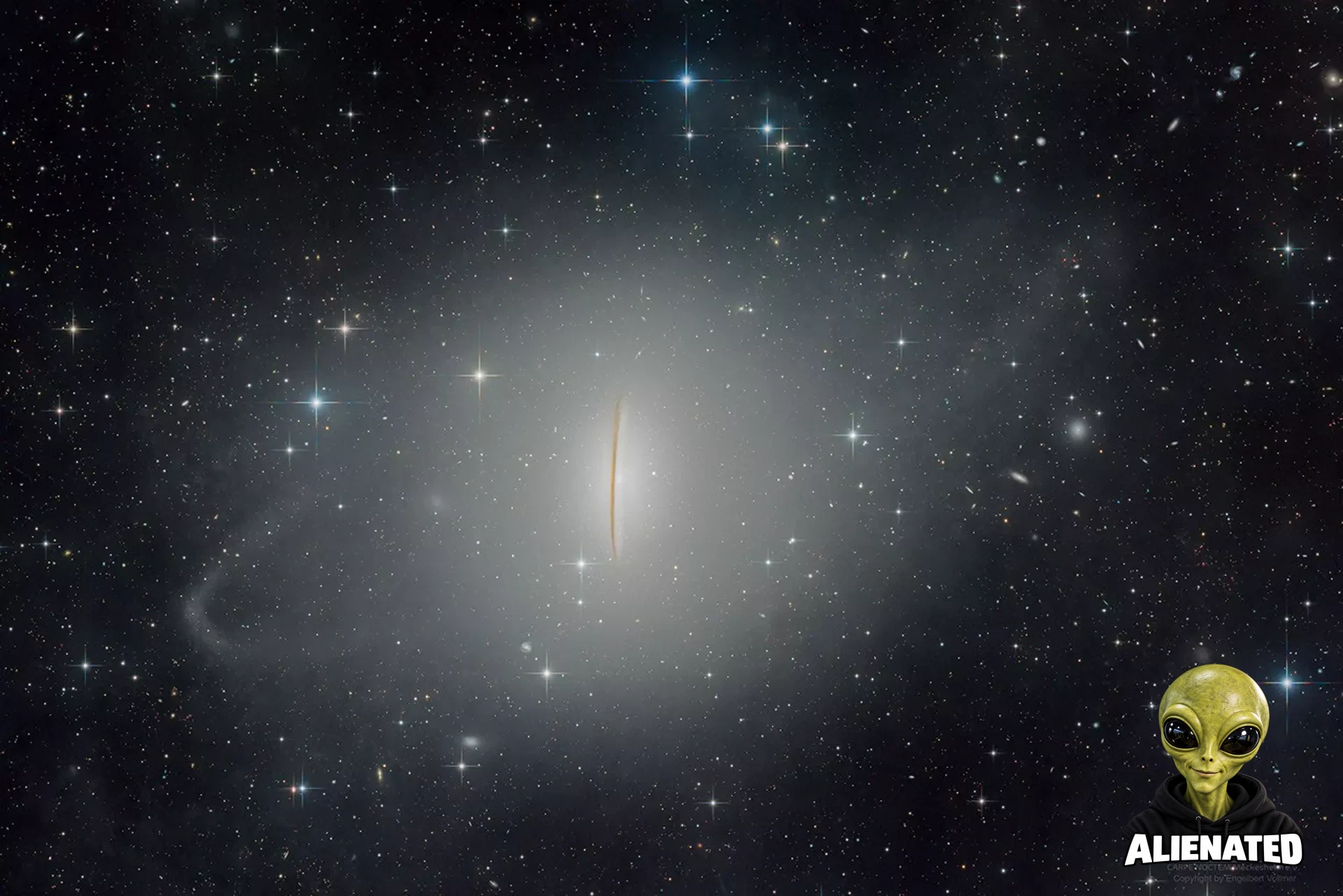
According to NASA’s Astronomy Picture of the Day, a deep long-exposure photograph of M104, the Sombrero galaxy, reveals a bright, hazy halo containing tidal streams and a diagonal ring structure. Photographed over seven days in mid-2026 from Namibia by Engelbert Vollmer, these newly highlighted stellar structures provide fresh evidence that M104 experienced a violent history involving collisions and mergers with smaller galaxies. Located approximately 30 million light-years from Earth, the galaxy spans about 150,000 light-years across.
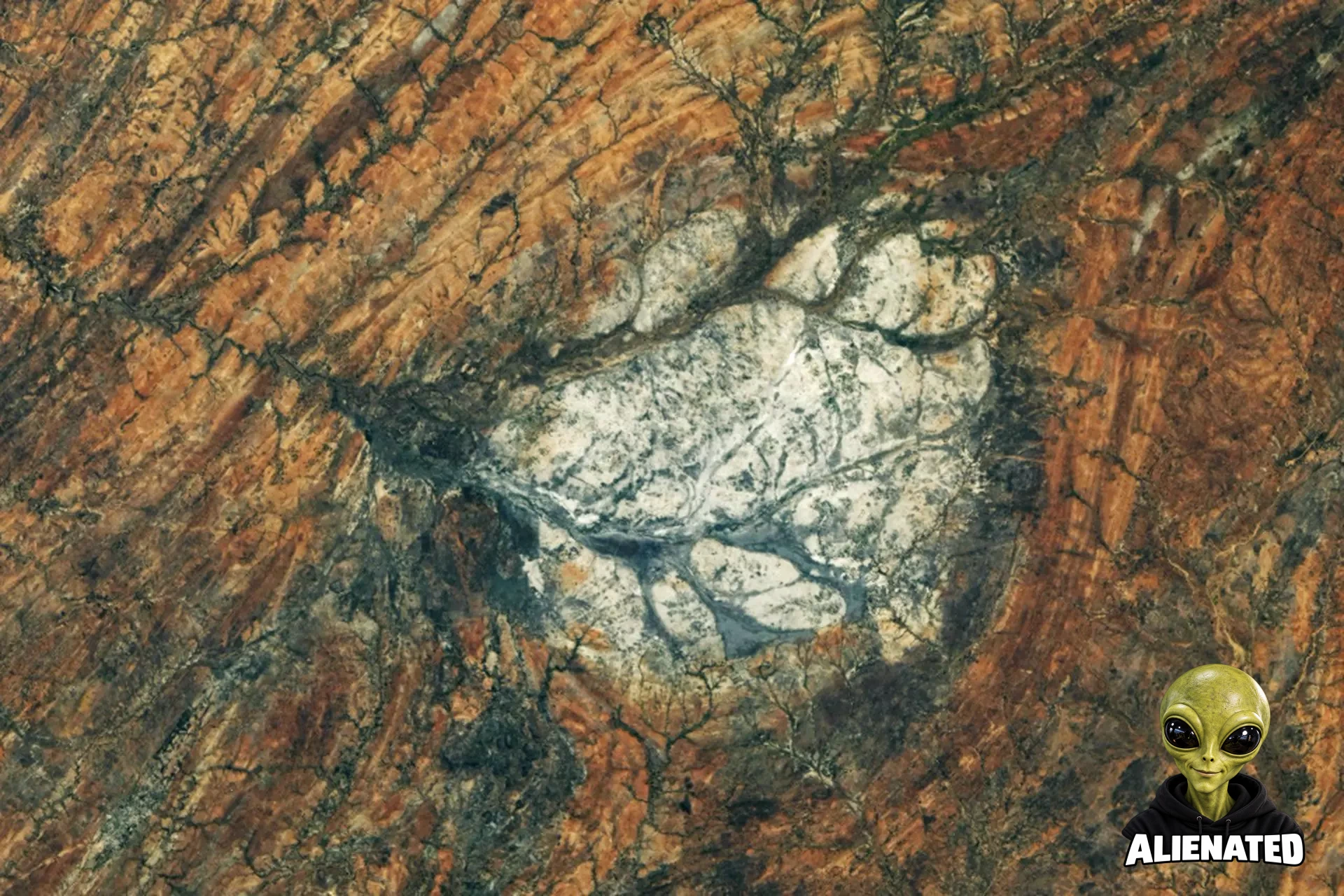
According to NASA, an astronaut aboard the International Space Station captured an image of the Saririaky anorthosite massif in southern Madagascar on August 28, 2026. Anorthosite, an intrusive igneous rock covering about 100 square kilometers in this region, is also abundant in the Moon's lunar highlands. Scientists believe this massif formed over 600 million years ago during the creation of the supercontinent Gondwana. Because lunar rock samples are limited, researchers study terrestrial anorthosite analogs to better understand the Moon's ancient crust and geological history.
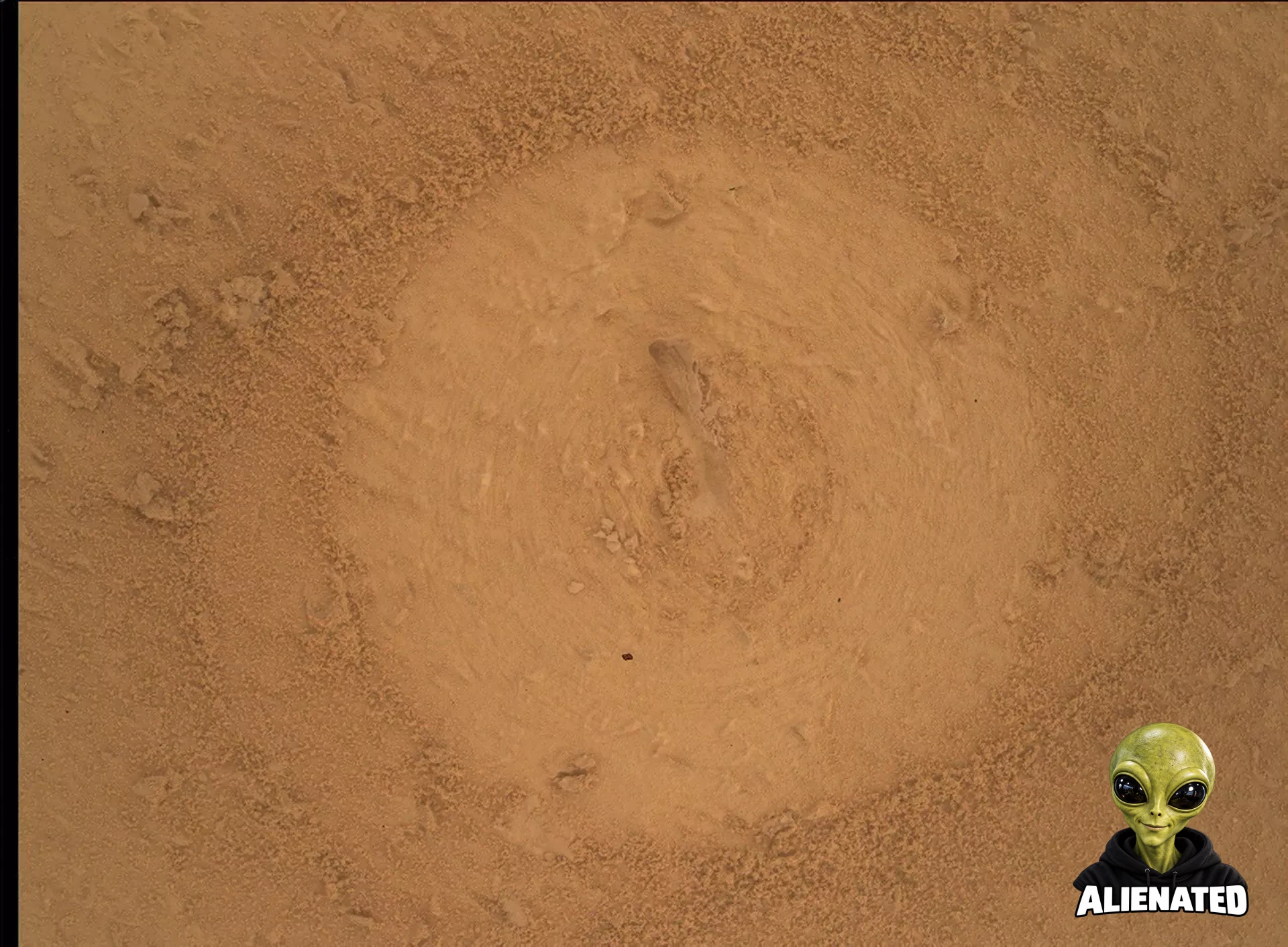
According to NASA author Lucy Thompson, the Curiosity Mars rover entered the Cache Creek quad in Gale crater and successfully drilled its 48th rock target, named Basque Lakes. Operating under power constraints and age-related limitations, the team utilized instruments including APXS, MAHLI, ChemCam, Mastcam, and Navcam to analyze the target's chemistry, texture, and surrounding context. The team is conducting a CheMin X-ray diffraction analysis and plans a sample delivery to SAM to examine the mineral composition and gain insights into the rock's geological and depositional history.
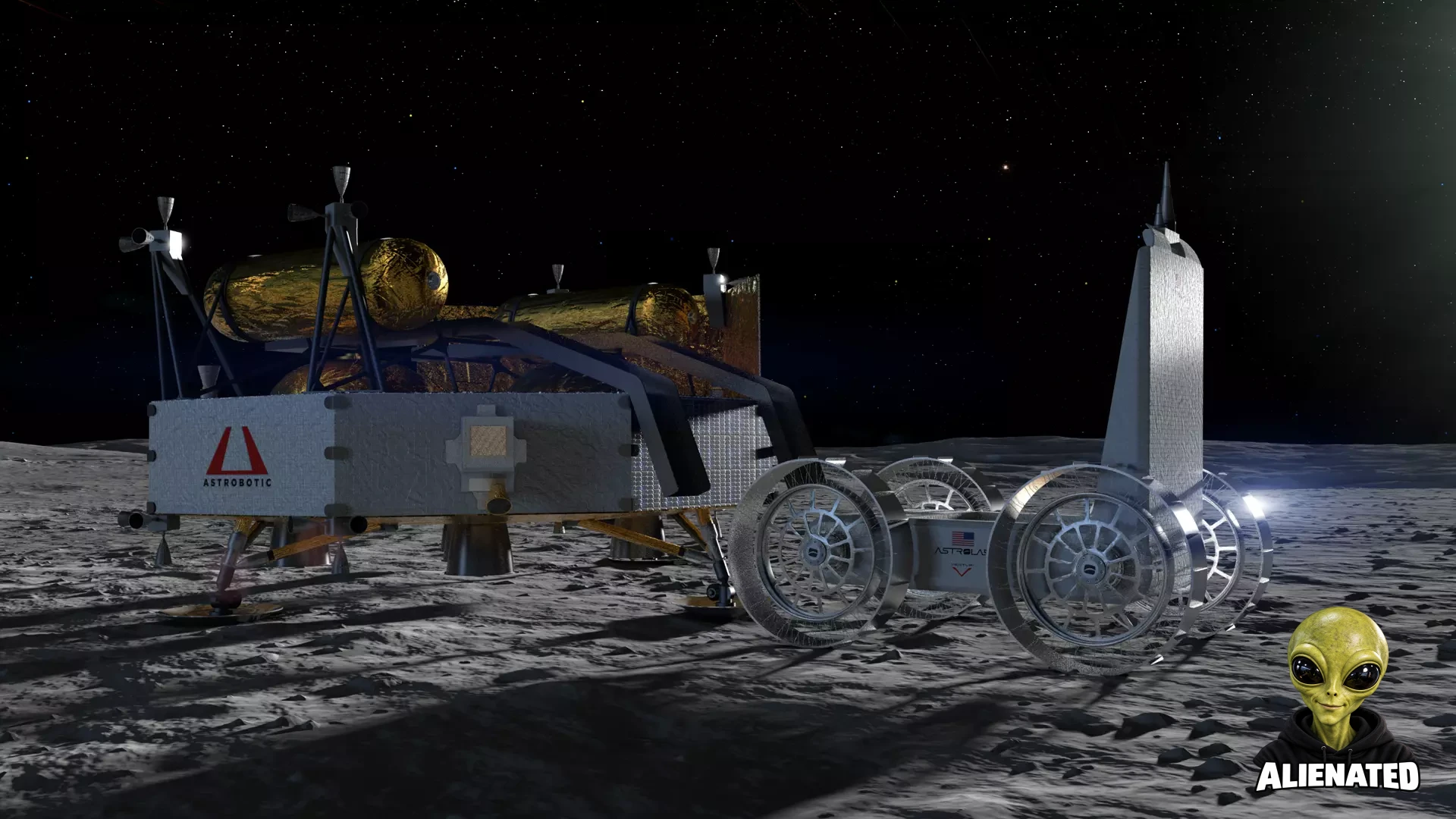
At NASA’s Langley Research Center, aerospace engineer Richard Spolzino works on mission architecture and systems interoperability to map critical "data gaps" for returning to the Moon and traveling to Mars. His team documents unknown parameters, such as the geotechnical properties of lunar regolith, to establish clear targets for industry and international partners. Spolzino’s efforts help NASA prioritize payload data streams on upcoming missions like Voyager’s Griffin-1 lander and evaluate prospective instrument proposals against documented agency needs.
Researchers using South Africa’s MeerKAT radio telescope detected radio emissions from exoplanet Beta Pictoris b, located 63 light-years from Earth. According to a preprint study led by Kevin N. Ortiz Ceballos, the natural signals likely stem from auroral activity driven by an exceptionally powerful magnetic field estimated at over 1,250 gauss. The team hypothesizes this field could be powered by internal heat from the planet's young age or interactions with an undiscovered moon. If confirmed, this detection offers astronomers a new method to study exoplanet interiors and evaluate potential pl
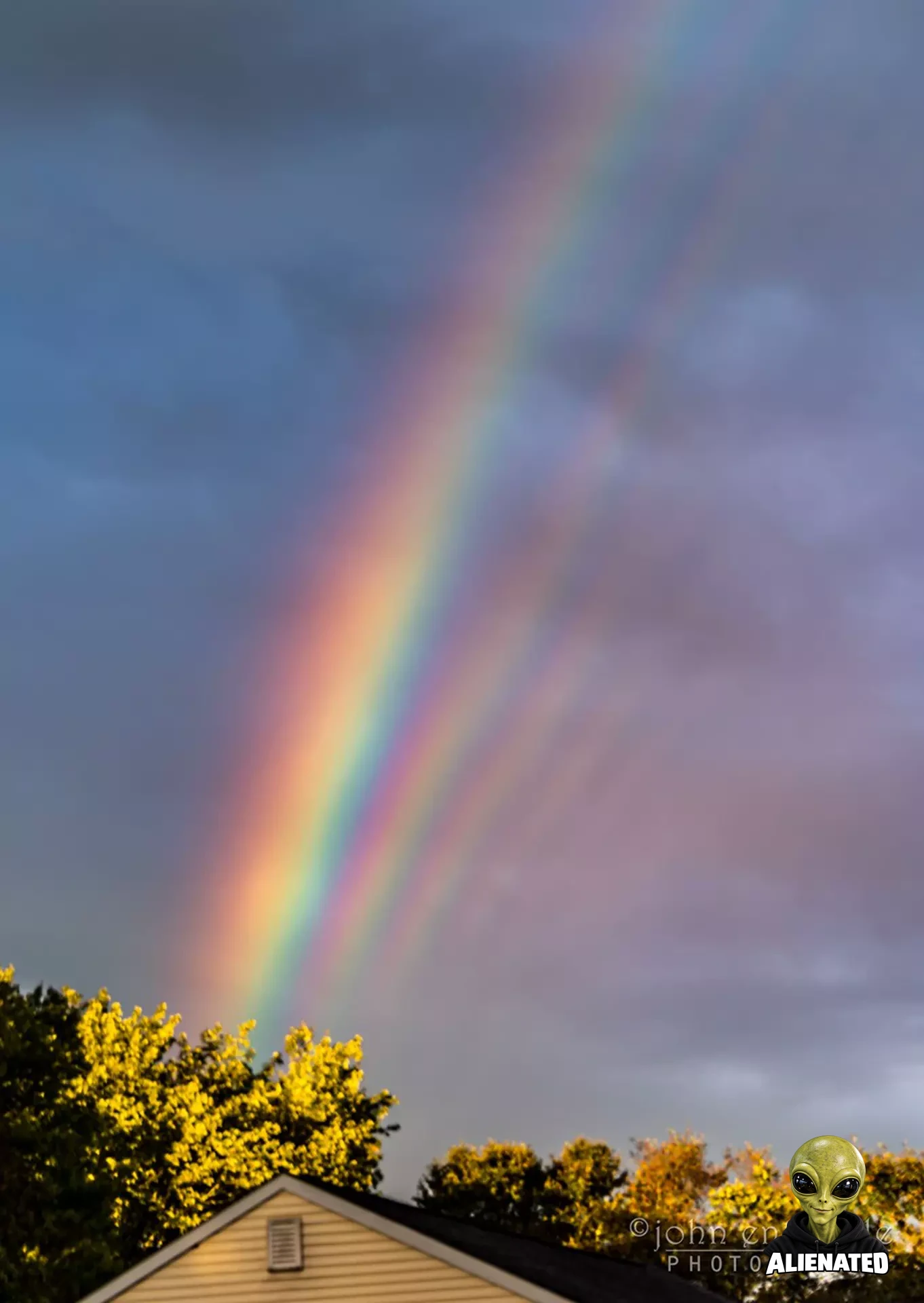
According to NASA's Astronomy Picture of the Day, photographer John Entwistle captured a rare display of supernumerary rainbows over the Jersey Shore following Hurricane Florence in 2018. The featured image shows at least five distinct rainbow bands fading in and out. As explained by astronomers, supernumerary rainbows form when sunlight undergoes wave interference inside uniform falling water droplets smaller than one millimeter. Historically, the observation of these interference patterns in the early 1800s provided crucial early evidence demonstrating the wave nature of light.
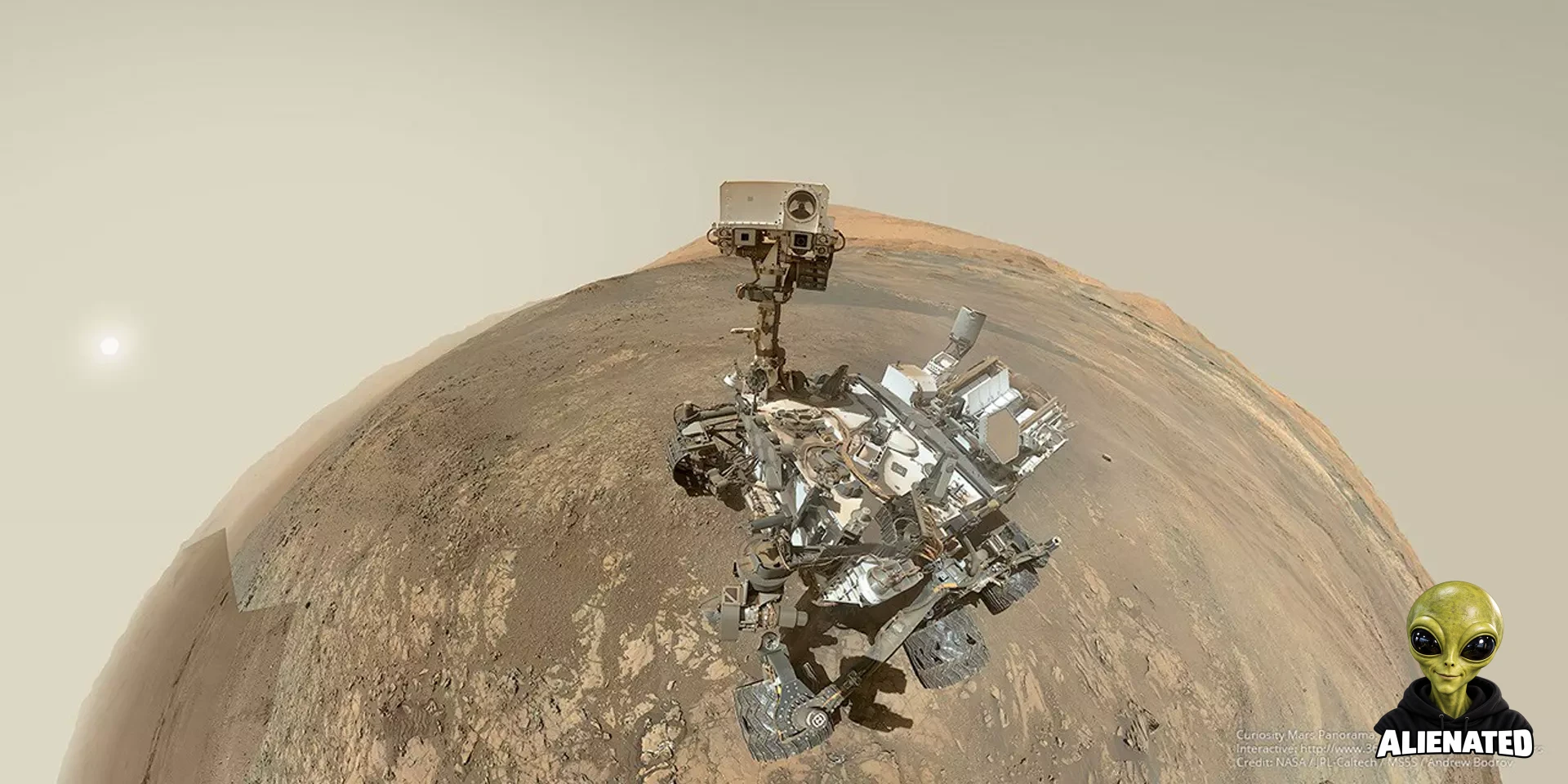
According to NASA's Astronomy Picture of the Day, the Curiosity Rover captured a selfie at Mars's Vera Rubin Ridge on sol 1943 (January 23, 2018). The mosaicked panorama combines 61 exposures taken by the Mars Hand Lens Imager, with arm frames removed and background added from a sol 1903 Mastcam image. The photo shows the rover's ChemCam housing blocking Mount Sharp's peak. By August 26, 2026, Curiosity gained one kilometer in elevation trekking up Mount Sharp from Gale Crater.
According to NASA, the SpaceX Crew-12 mission is concluding in early October as astronauts Jessica Meir, Jack Hathaway, Sophie Adenot, and Andrey Fedyaev prepare to return from the International Space Station. During their mission, the international crew conducted microgravity research spanning pharmaceutical crystal growth, quantum science in the Cold Atom Lab, metal 3D printing, stem cell expansion, and bone regeneration studies. NASA reports these experiments aim to benefit terrestrial health therapies and support future deep space exploration, though this summary reflects selected mission
NASA has opened applications for its next class of flight directors at the Johnson Space Center in Houston. Open through Monday, October 12, the position invites U.S. citizens holding a bachelor's degree in STEM fields and relevant decision-making experience to lead missions to the International Space Station, Artemis lunar missions, and eventual human flights to Mars. Selected candidates will undergo comprehensive training in flight control, spacecraft systems, and risk management, with official selections anticipated by NASA before the end of the year.
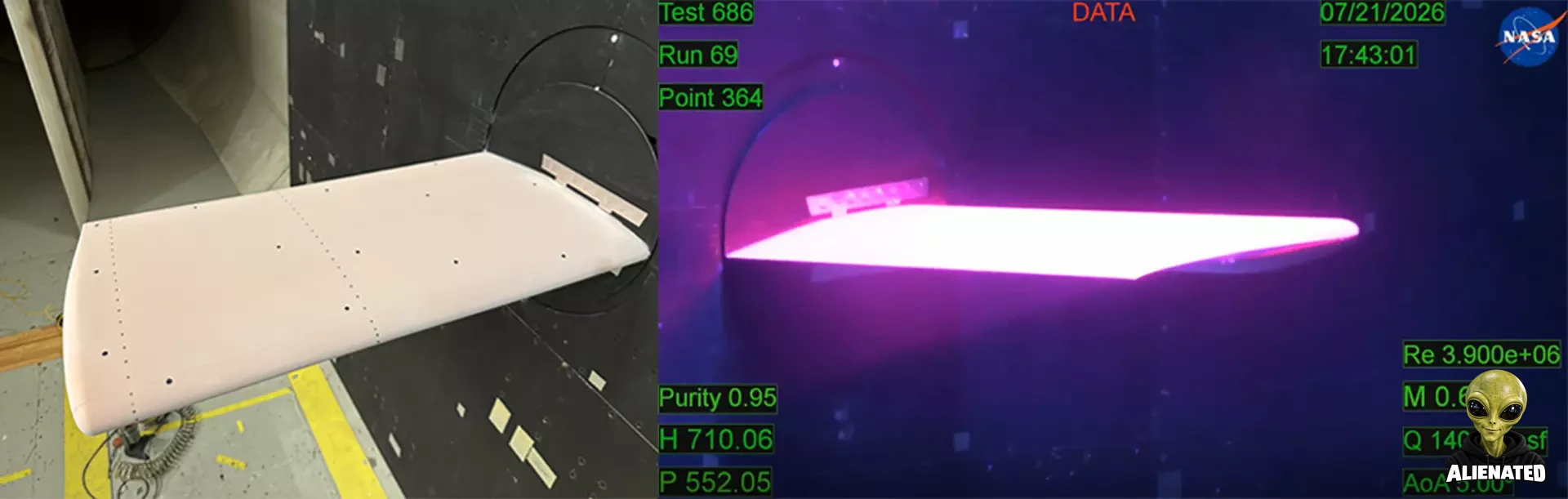
Researchers at NASA’s Langley Research Center conducted a first-of-its-kind wind tunnel test using unsteady Pressure Sensitive Paint on a Benchmark Supercritical Wing model. Tested inside the Transonic Dynamics Tunnel, the specialized coating glowed pink-purple under ultraviolet light, varying in brightness based on airflow pressure. High-speed cameras recorded these changes to enhance computer modeling for future aircraft designs. This milestone marked the technique's initial application on a large-scale, freely moving model within a low-oxygen environment, laying groundwork for testing flexi
NASA has opened applications through Monday, Oct. 12, for its next class of flight directors at the Johnson Space Center in Houston. According to the agency, selected individuals will lead real-time operations for missions to the International Space Station, Artemis lunar missions, and future human flights to Mars. Applicants must be U.S. citizens holding a STEM bachelor's degree and relevant high-stress decision-making experience; prior flight controller experience is not strictly required. NASA expects to announce the final selections by the end of the year.
According to a report by The Debrief, astronomers led by Kate Su used NASA's James Webb Space Telescope and Spitzer Space Telescope to analyze over 20 extreme debris disks around distant stars. The team identified two mineral categories in the dusty environments: silica-rich disks, indicating massive energetic collisions between Mars-sized bodies, and silica-poor disks, suggesting less energetic impacts. Su and coauthor Agnes Kospal noted that the silica-rich disks, found around stars younger than 300 million years, offer potential insights into early planetary evolution and hypotheses like th
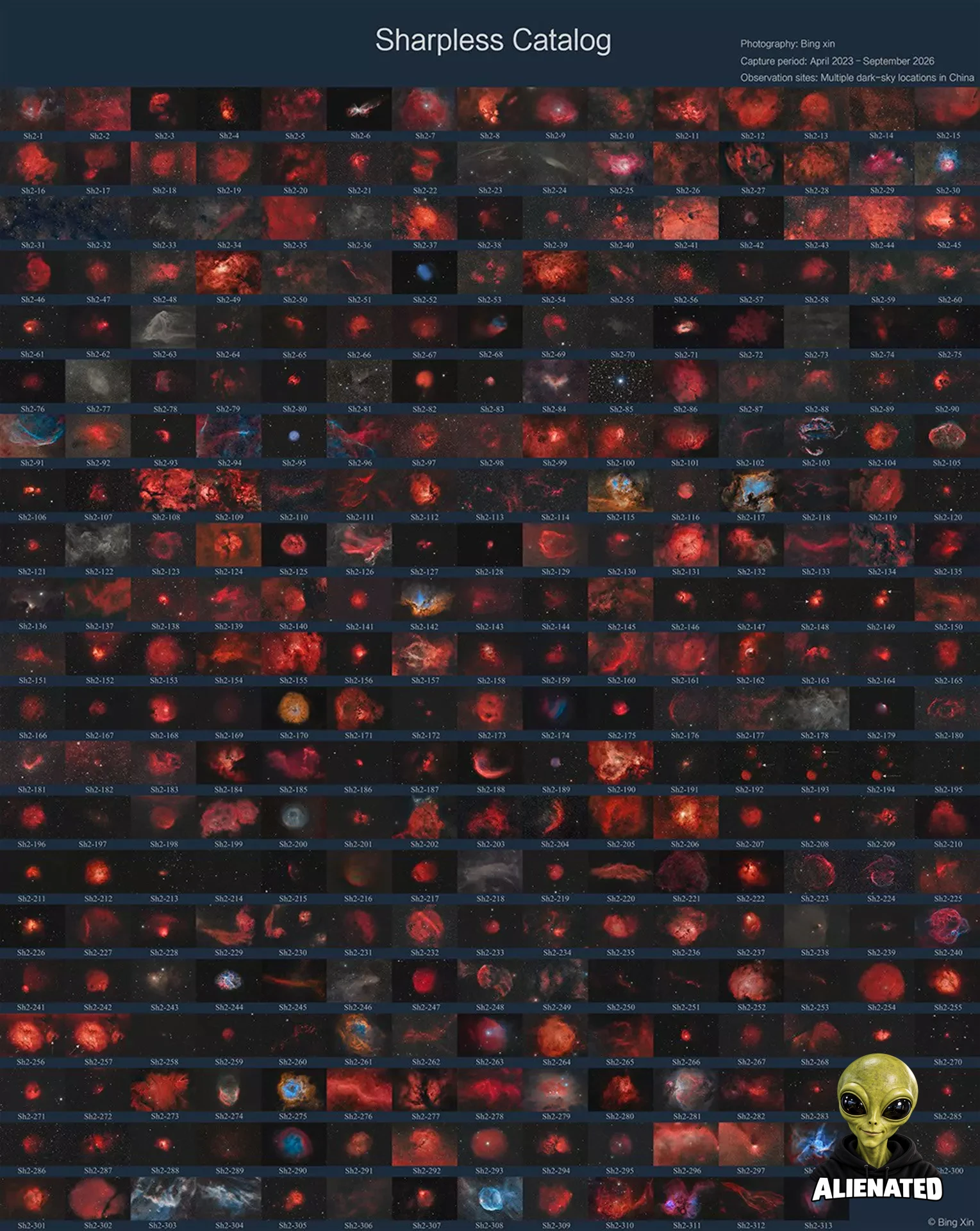
NASA's Astronomy Picture of the Day featured a composite image by astrophotographer Bing Xin capturing all 313 objects in the Sharpless Catalog of H II Regions. Photographed across dark skies in Eastern China and Inner Mongolia, the project required approximately 800 total hours of exposure, spending 2 to 6 hours per nebula. Beyond ionized hydrogen regions like the Eagle, Heart, and Orion Nebulas, the compilation includes planetary nebulas and supernova remnants. Bing Xin utilized narrowband filters targeting ionized hydrogen and oxygen alongside red-green-blue filters to assemble the full cat
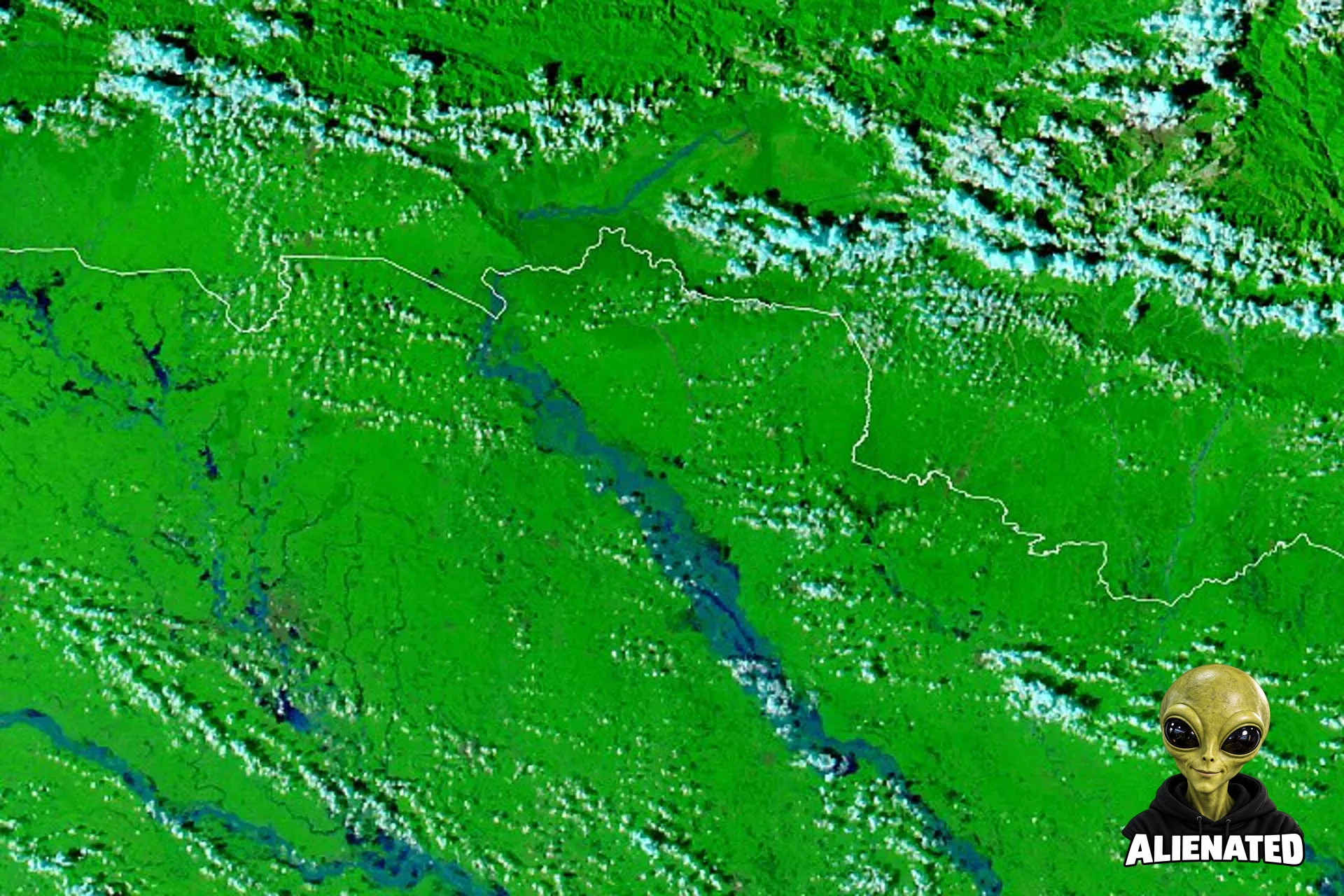
According to NASA's Earth Observatory, torrential late-monsoon rainfall between September 24 and 27, 2026, triggered severe flooding along the Gandak River across Nepal and India. Satellite imagery captured by MODIS on NASA's Terra and Aqua satellites shows river expansion, breached embankments, and inundated settlements and farmland. A hydrological gauge in Devghāt recorded a peak level of 11.94 meters, its highest since measurements began in the 1960s. NASA notes that media reports indicated hundreds of villages were affected and thousands of people displaced while damage assessments continu