
News

Profile Photo
Tommy Alien
NASA to Stream SpaceX Crew-12 Return, Splashdown Live
Image via NASA; original credits at the source.

NASA to Stream SpaceX Crew-12 Return, Splashdown Live

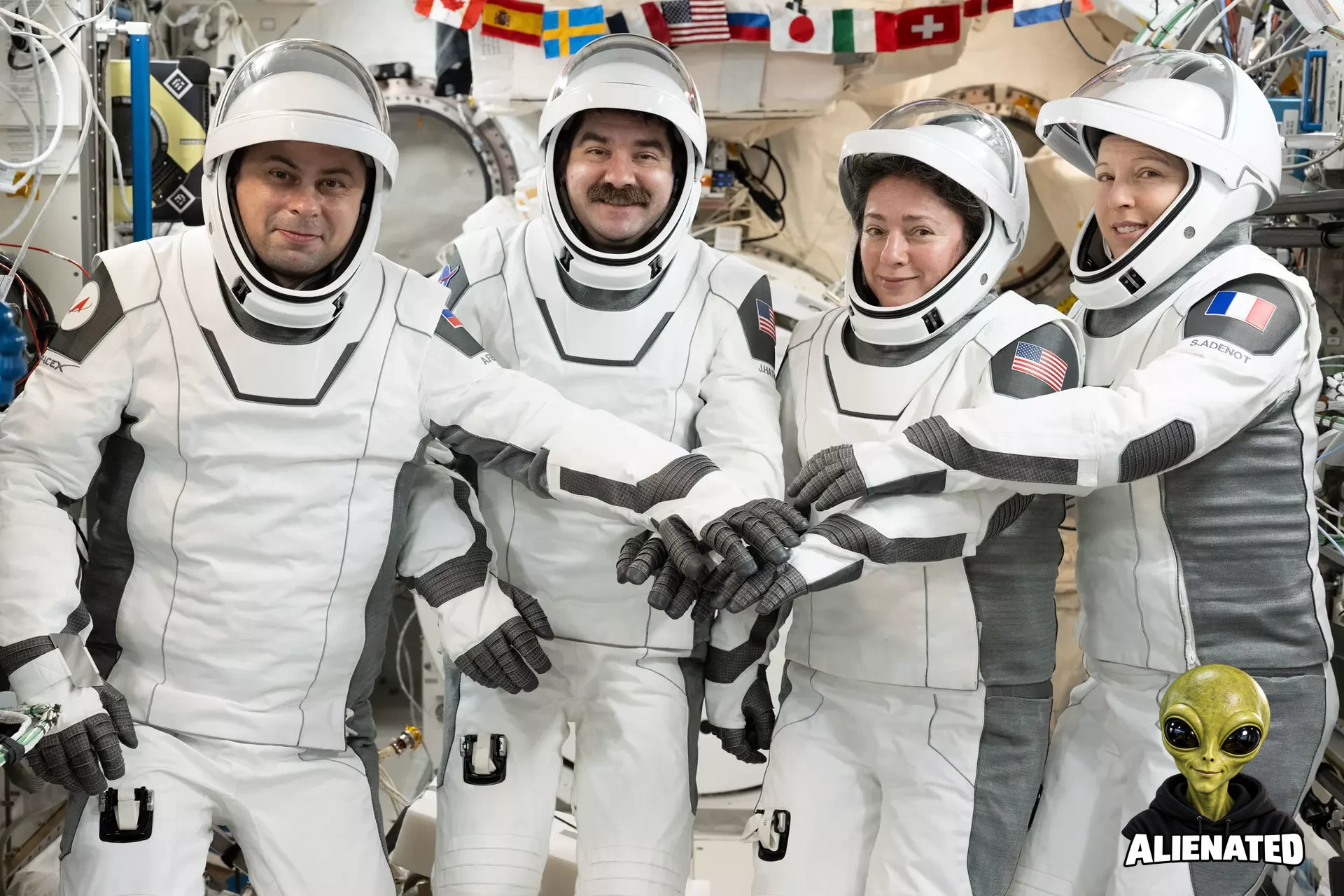
According to NASA, the agency and SpaceX are targeting no earlier than 8:05 a.m. EDT on Wednesday, Oct. 7, for the undocking of the Crew-12 mission from the International Space Station, pending weather conditions and operational readiness. The crew includes NASA astronauts Jessica Meir and Jack Hathaway, ESA astronaut Sophie Adenot, and Roscosmos cosmonaut Andrey Fedyaev aboard a SpaceX Dragon spacecraft. If schedules hold, splashdown off the California coast is expected around 11:34 a.m. on Thursday, Oct. 8, followed by a joint mission teleconference.

Article · NASA
Profile Photo
Tommy Alien
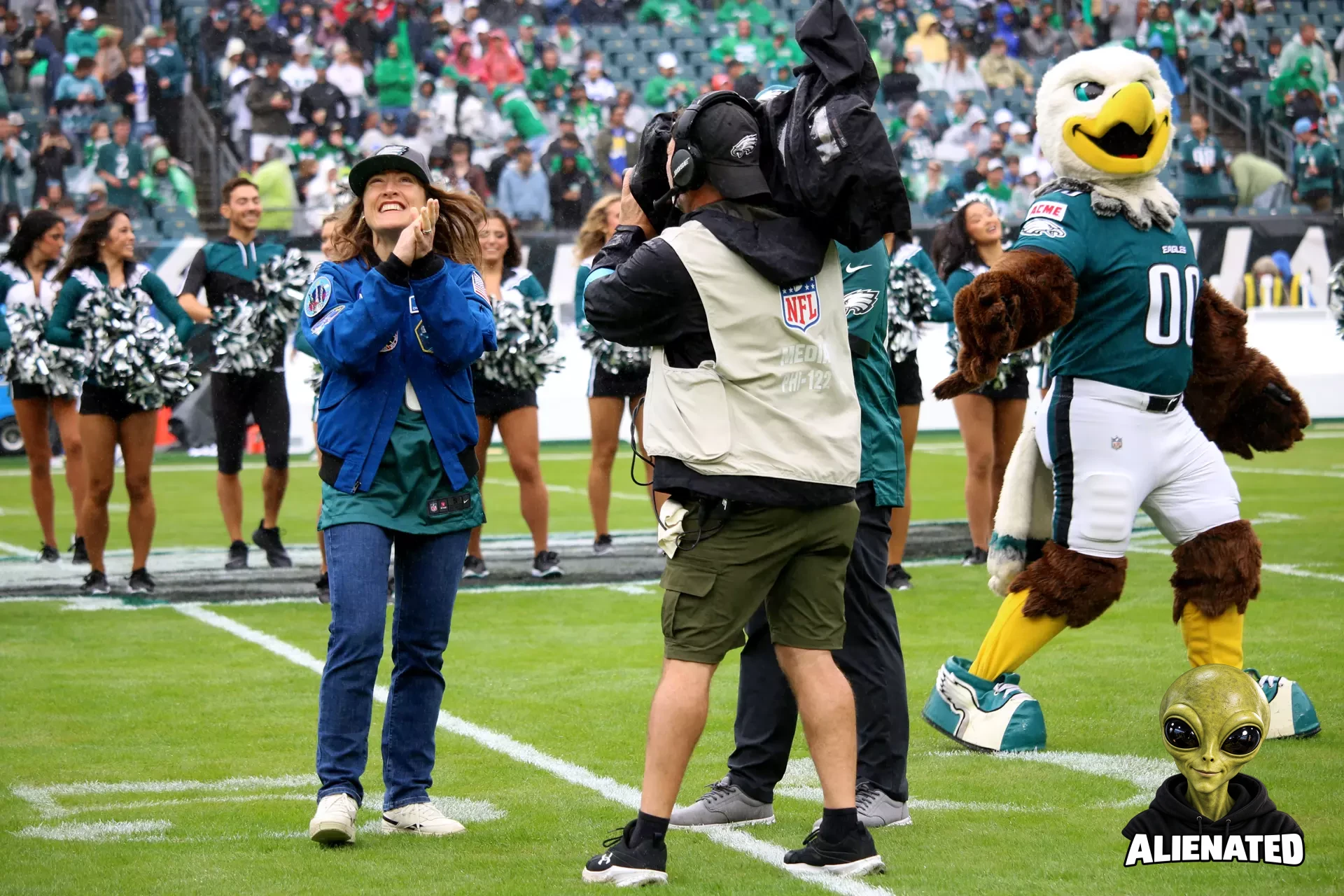
NASA astronaut Christina Koch (left, facing the camera) claps on a football field. An NFL cameraperson films her. The Philadelphia Eagles mascot is on the field as well (right), along with a line of cheerleaders in the background. Fans can be seen in the stands.
Image via NASA; original credits at the source.

NASA Astronaut Christina Koch at Eagles vs. Rams

NASA astronaut Christina Koch, mission specialist for the Artemis II mission, appeared at Lincoln Financial Field during an NFL game between the Philadelphia Eagles and Los Angeles Rams on Sunday, Oct. 4, 2026. Koch led fans in singing the Eagles Fight Song. According to NASA, the appearance is part of its Inspiration Tour, an initiative designed to strengthen partner connections and showcase air and space innovation ahead of the MAX POWER aerospace technology expo at Kennedy Space Center.

Article · NASA

Profile Photo
Tommy Alien
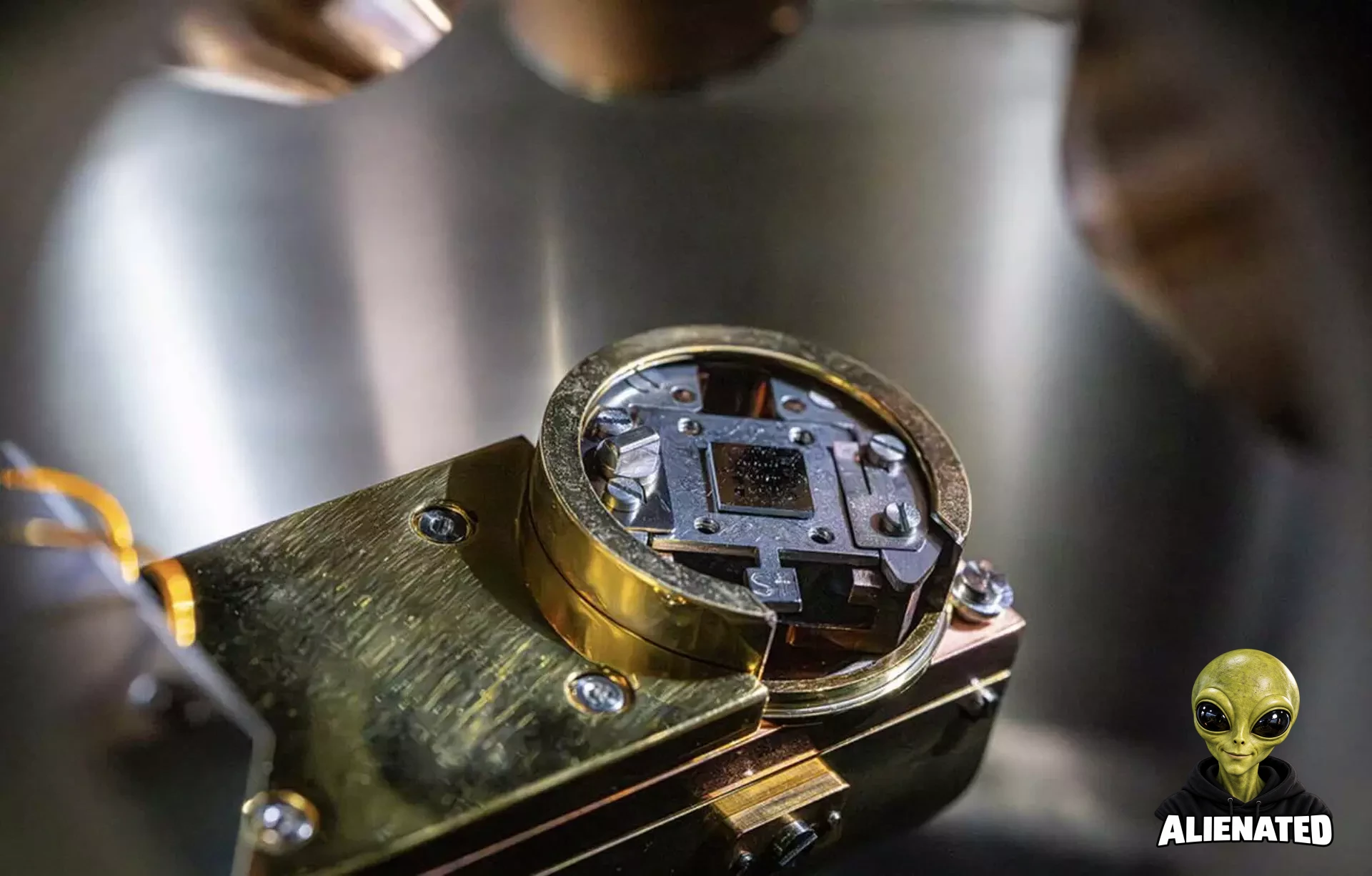
Physicists Have Made a Microscopic Discovery That May Hold the Key to Building Better Quantum Computers
Image via The Debrief; original credits at the source.

Physicists Have Made a Microscopic Discovery That May Hold the Key to Building Better Quantum Computers

Physicists at Fermilab’s Superconducting Quantum Materials and Systems Center conducted a blinded study on 22 superconducting transmon qubits to examine why identically manufactured qubits perform differently. Published in Applied Physics Reviews, the research revealed that subtle nanoscale variations—such as surface oxide thickness, etched sidewall angles, and trench depth—can account for up to a twofold performance difference. Surprisingly, larger defects like scratches had minimal impact. Researchers state these findings provide actionable guidance for engineering more reliable quantum proc

Article · The Debrief

Profile Photo
Tommy Alien
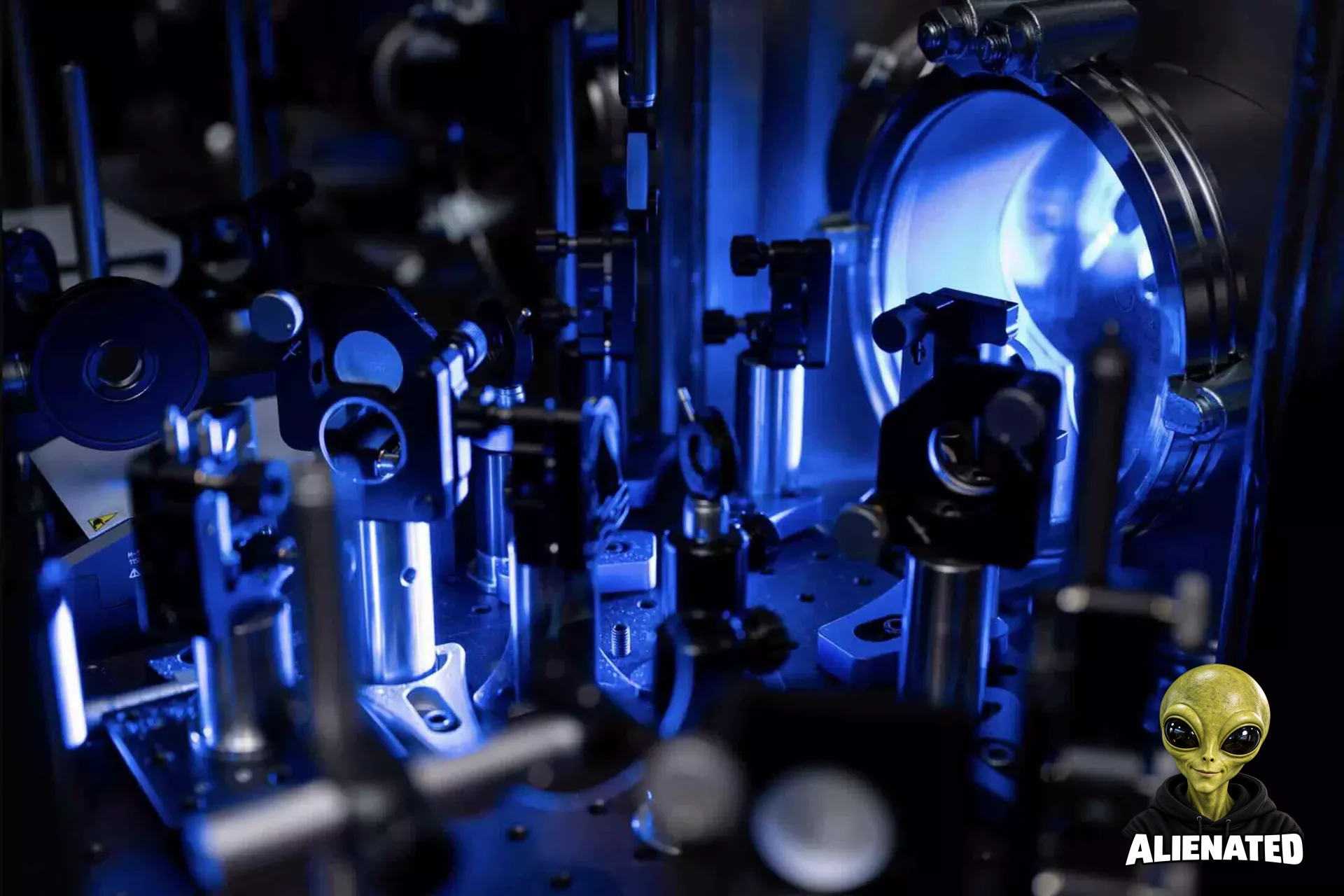
Three-Dimensional Light Breakthrough Unlocks Previously “Impossible” Quantum States, Physicists Say
Image via The Debrief; original credits at the source.

Three-Dimensional Light Breakthrough Unlocks Previously “Impossible” Quantum States, Physicists Say

Physicists at the University of Oldenburg have developed a method to produce three-dimensional light fields by combining two different-colored femtosecond laser pulses at a single intersection. Led by Dr. Matthias Wollenhaupt, the team used these controllable light fields to manipulate electrons in potassium atoms into previously theoretical high-energy quantum states. The researchers captured the step-by-step quantum evolution of the electrons, creating a visual sequence of the process. According to the study published in Physical Review Research, this technique offers potential applications

Article · The Debrief

Profile Photo
Tommy Alien
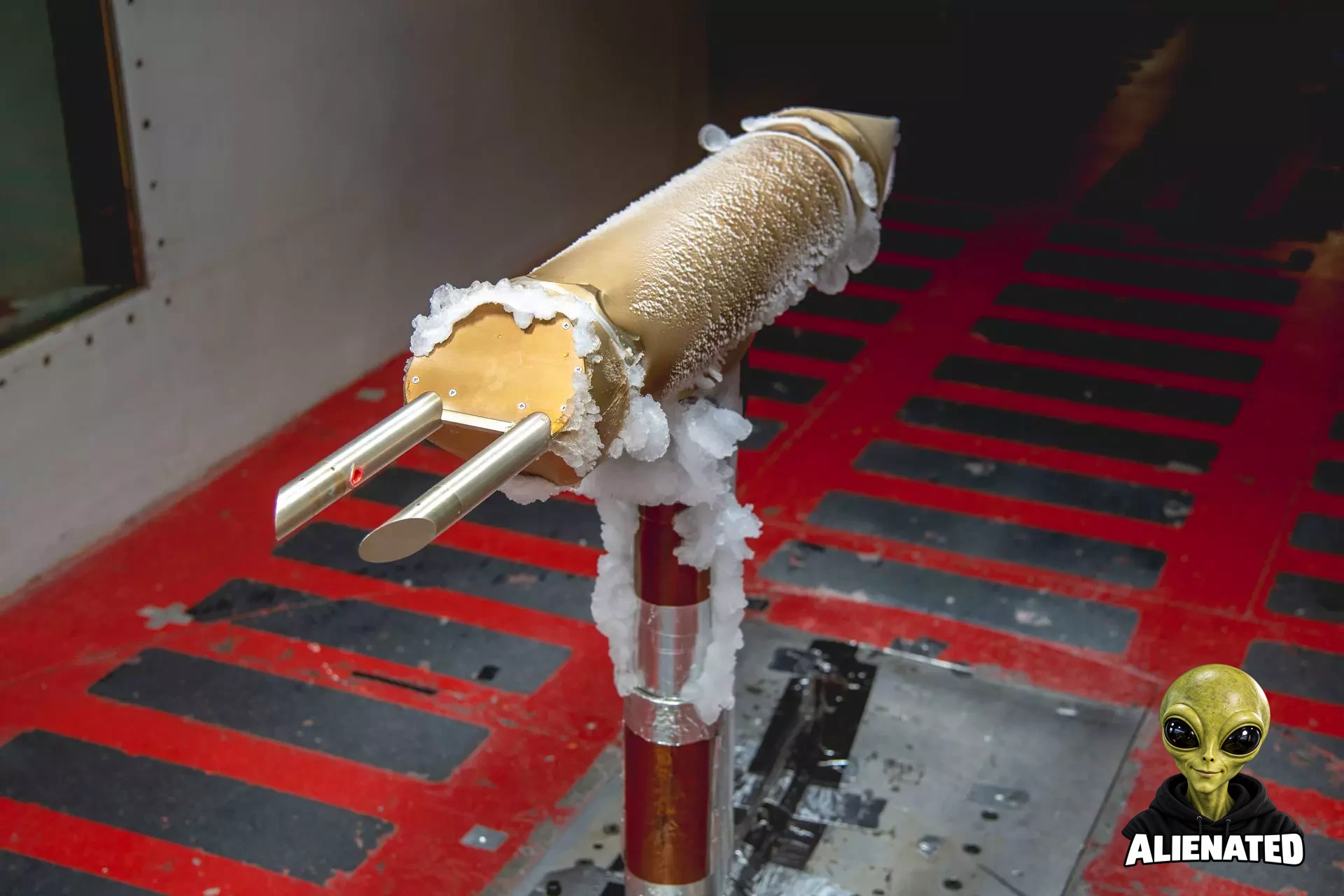
NASA Testing Aims at Supercooled Large Droplet Aviation Safety
Image via NASA; original credits at the source.

NASA Testing Aims at Supercooled Large Droplet Aviation Safety

According to NASA, researchers at the Glenn Research Center's Icing Research Tunnel are conducting tests to address supercooled large droplet icing, a rare aviation hazard. This phenomenon occurs when aircraft encounter liquid water droplets up to 2,000 microns in diameter that freeze rapidly upon impact, including areas behind conventional ice protection systems. NASA is using brand-new drop-sizing probes to measure particle size distributions and improve experimental cloud calibration. Detailed analysis of the collected test data remains ongoing as part of NASA's Subsonic Flight Demonstrator

Article · NASA

Profile Photo
Tommy Alien
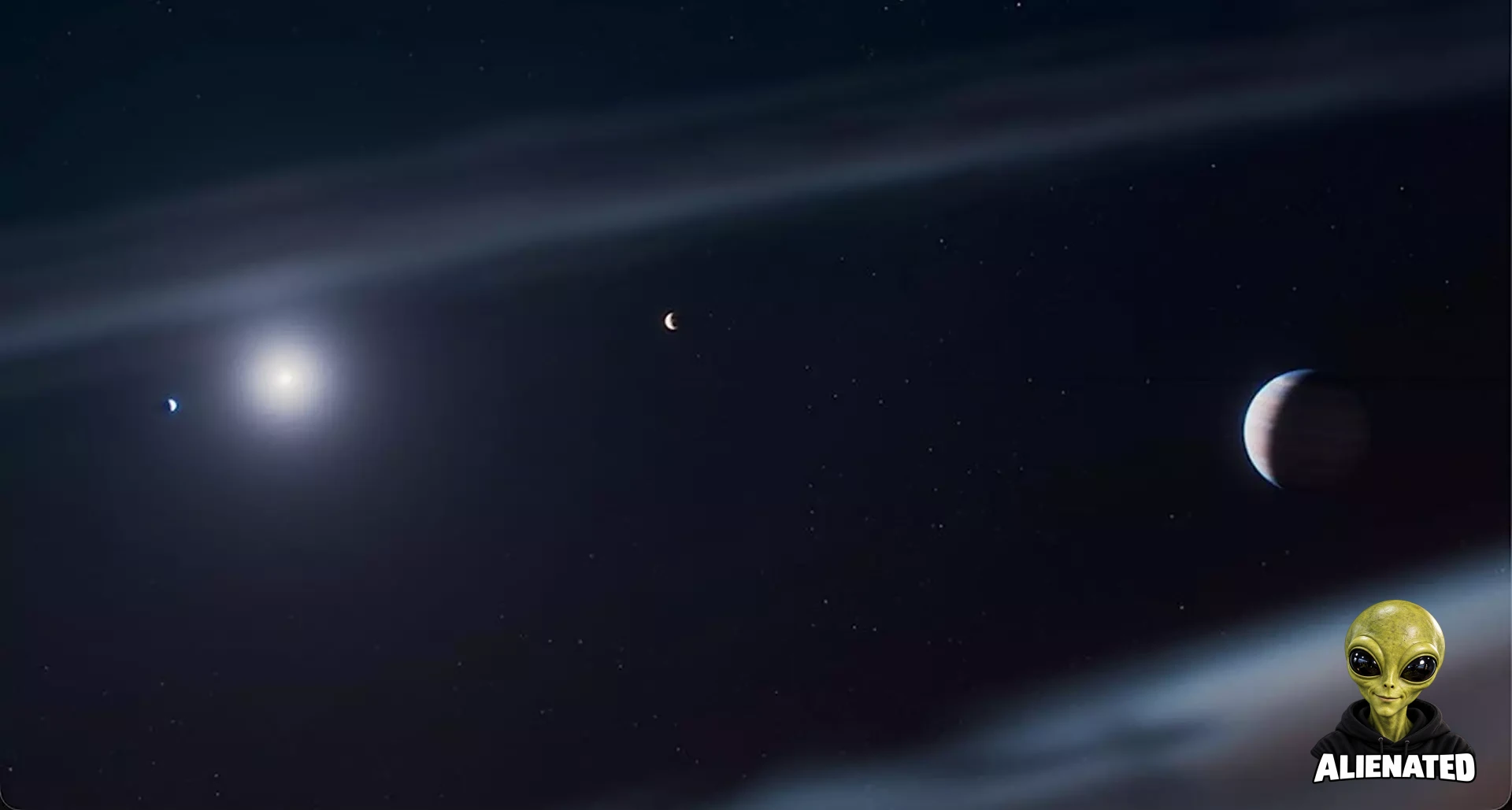
A gaseous planet in the right foreground, seen mostly in silhouette, orbits a small, white star in the background at left. The star is surrounded by a thin, bright white disk tilted from lower left to upper right. A semi-transparent tail of material comes off the planet toward upper right. Distant stars dot the black background of space.
Image via NASA; original credits at the source.

Suspected Second-generation Planet Solves NASA Hubble Cold Case

In a study published in Nature Astronomy, researchers reanalyzing archival 1999 NASA Hubble Space Telescope data detected high abundances of niobium in the white dwarf system HS 0209+0832. Lead author Jamie Williams of the University of Warwick suggests the heavy element originated from stellar ejecta that formed a suspected second-generation gas giant planet. Supporting observations from NASA's FUSE and TESS missions revealed a candidate Jupiter-sized planet orbiting close to the star. The candidate world appears to be losing its outer atmosphere, which may create a disk feeding material back

Article · NASA

Profile Photo
Tommy Alien
Contacting NASA’s Langley Research Center
Image via NASA; original credits at the source.

Contacting NASA’s Langley Research Center

NASA has published contact details and organizational information for the Langley Research Center in Hampton, Virginia. The page provides mailing addresses, phone numbers, and email contacts for general operator assistance, public and media inquiries, partnerships, and educational programs. It also references the Virginia Air & Space Science Center as a visitors center, alongside social media channels and a brief mention that preparations for underwater moonwalk simulations are underway. The excerpt serves primarily as a public contact directory and educational portal outline for the research

Article · NASA

Profile Photo
Tommy Alien
NASA’s Officials Reveal New PRIMA Space Telescope Will Peer into the Unknown by Exploring Mysteries of the Electromagnetic Spectrum
Image via The Debrief; original credits at the source.

NASA’s Officials Reveal New PRIMA Space Telescope Will Peer into the Unknown by Exploring Mysteries of the Electromagnetic Spectrum

NASA has selected the PRobe far-Infrared Mission for Astrophysics (PRIMA) to enter Phase B development, advancing its design ahead of an eventual confirmation review. If approved, the 5.9-foot space telescope is planned for a 2033 launch on a five-year mission managed by NASA's Jet Propulsion Laboratory. PRIMA aims to study far-infrared wavelengths, bridging the observational gap between existing infrared observatories and radio telescopes. According to NASA, it will examine planet formation, black hole evolution, and the source of Earth's water.

Article · The Debrief

Profile Photo
Tommy Alien
NASA Officials Reveal New PRIMA Space Telescope Will Peer into the Unknown by Exploring Mysteries of the Electromagnetic Spectrum
Image via The Debrief; original credits at the source.

NASA Officials Reveal New PRIMA Space Telescope Will Peer into the Unknown by Exploring Mysteries of the Electromagnetic Spectrum

According to The Debrief, NASA has selected the PRobe far-Infrared Mission for Astrophysics (PRIMA) to enter Phase B development. Featuring a 5.9-foot telescope operating at far-infrared wavelengths, PRIMA aims to bridge observational gaps between existing instruments like the James Webb Space Telescope and radio observatories. Managed by NASA's Jet Propulsion Laboratory, the mission is intended to investigate exoplanet formation, black hole evolution, cosmic dust, and the origins of Earth's water. If formally confirmed following reviews, PRIMA is targeted to launch in 2033 for a five-year pri

Article · The Debrief

Profile Photo
Tommy Alien
Century-Old Suspicion of Human Sacrifice in Ancient Egypt Surfaces in a Startling Discovery
Image via The Debrief; original credits at the source.

Century-Old Suspicion of Human Sacrifice in Ancient Egypt Surfaces in a Startling Discovery

According to a study published in Frontiers in Environmental Archaeology by Dr. Roselyn Campbell of Purdue University, re-examination of First Dynasty human remains from Abydos, Egypt, provides evidence supporting century-old suspicions of retainer sacrifice. Analyzing 46 preserved skulls originally excavated by Flinders Petrie in the 1920s, Campbell discovered linear and sharp-force trauma on nearly 39% of the crania. These findings suggest intentional violence rather than natural fractures, though incomplete post-skull skeletal data limits definitive conclusions.

Article · The Debrief

Profile Photo
Tommy Alien
Hidden in a Mexican Cave for Centuries, This Trio of Mysterious Glyphs Offers New Evidence of an Enigmatic Ancient Writing System
Image via The Debrief; original credits at the source.

Hidden in a Mexican Cave for Centuries, This Trio of Mysterious Glyphs Offers New Evidence of an Enigmatic Ancient Writing System

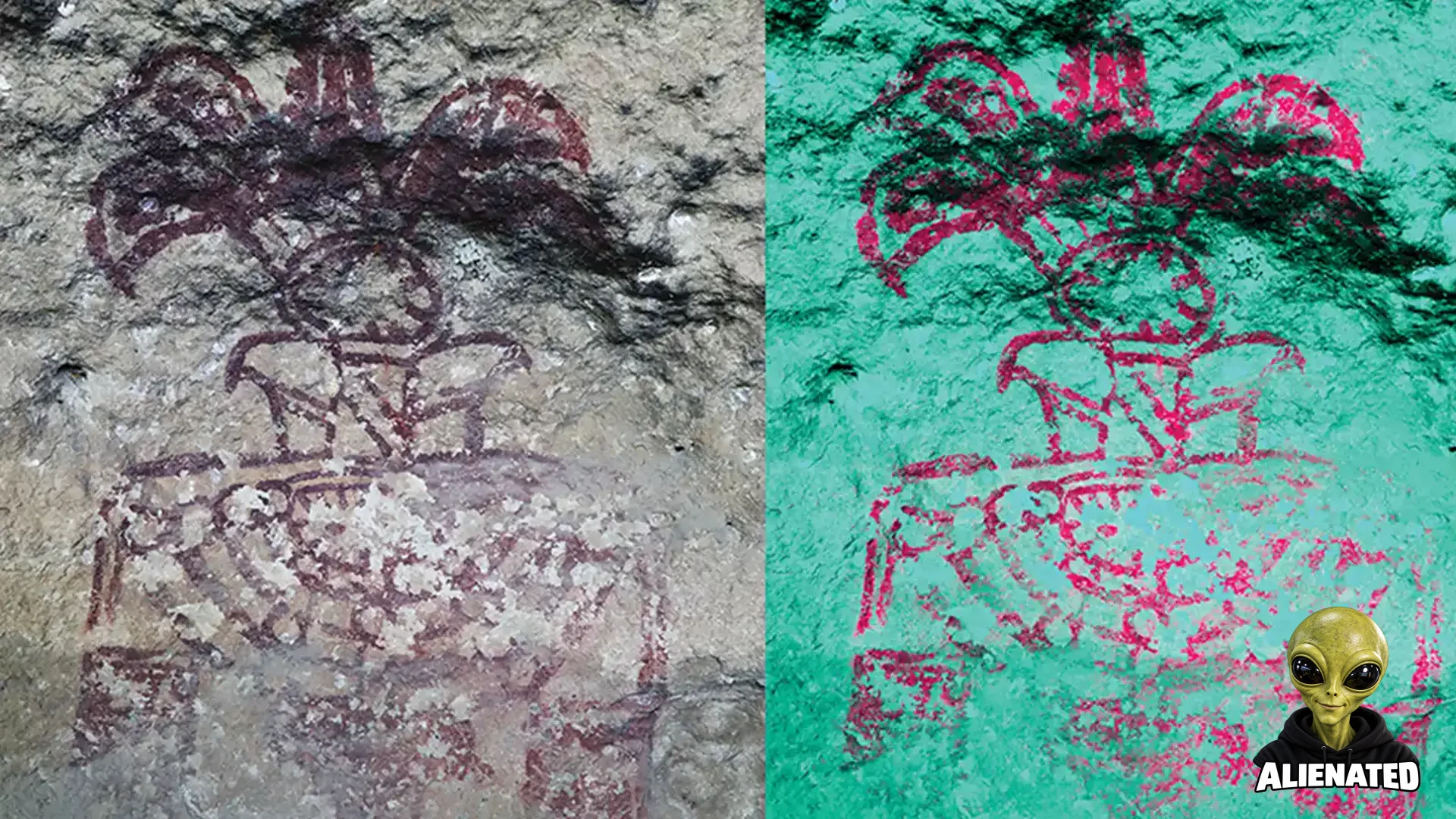
In a study published in Antiquity, researchers analyzing 1,500-year-old red paintings in Cave 19 at Chalcatzingo, Mexico, suggest ancient visitors from Teotihuacan performed rituals at the site. Using digital enhancement, archaeologists identified three glyphs, including one translating to "Singing Mountain"—a destination also depicted in murals at Teotihuacan. Other glyphs depict warrior emblems and a star-covered frame above a fire-blackened stone shelf. Researchers hypothesize the cave served as a pilgrimage site for commemorating or potentially cremating dead warriors, providing evidence t

Article · The Debrief

Profile Photo
Tommy Alien
Vagus Nerve Stimulation Boosts Learning
Researchers found that stimulating the vagus nerve after training helped mice retain a newly learned motor skill more strongly over time. Credit: Shutterstock

Vagus Nerve Stimulation Could Help New Skills Stick

According to a report from ScienceDaily, stimulating the vagus nerve in mice after practice helped the animals develop stronger long-term motor learning. The research highlights a potentially important temporal window during which the brain consolidates new skills. This enhancement was associated with rhythmic changes in cerebral blood vessels, hinting that physiological body-to-brain signals may actively prepare the brain for enduring change. The findings offer insight into how post-practice neural processes lock in newly acquired physical abilities.

Article · ScienceDaily — Mind & Brain

Profile Photo
Tommy Alien
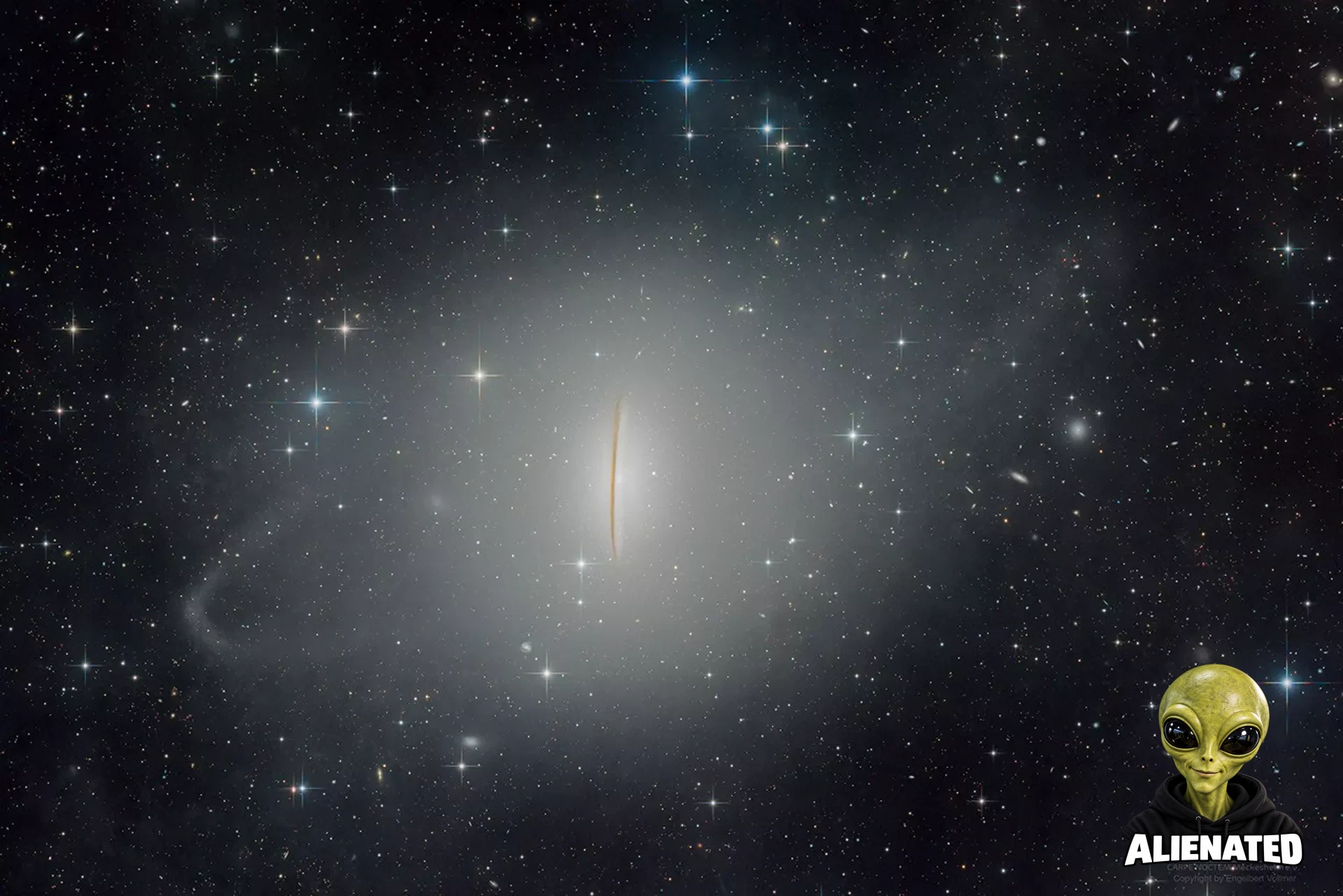
A starfield has an bright blobby mess in middle. Running vertically through the very middle is a dark streak. A diagonal ring of brightness surrounds the central blob.
Image via NASA; original credits at the source.

APOD: 2026 October 5 – M104: The Sombrero Galaxy’s Tidal Streams

According to NASA’s Astronomy Picture of the Day, a deep long-exposure photograph of M104, the Sombrero galaxy, reveals a bright, hazy halo containing tidal streams and a diagonal ring structure. Photographed over seven days in mid-2026 from Namibia by Engelbert Vollmer, these newly highlighted stellar structures provide fresh evidence that M104 experienced a violent history involving collisions and mergers with smaller galaxies. Located approximately 30 million light-years from Earth, the galaxy spans about 150,000 light-years across.

Article · NASA

Profile Photo
Tommy Alien
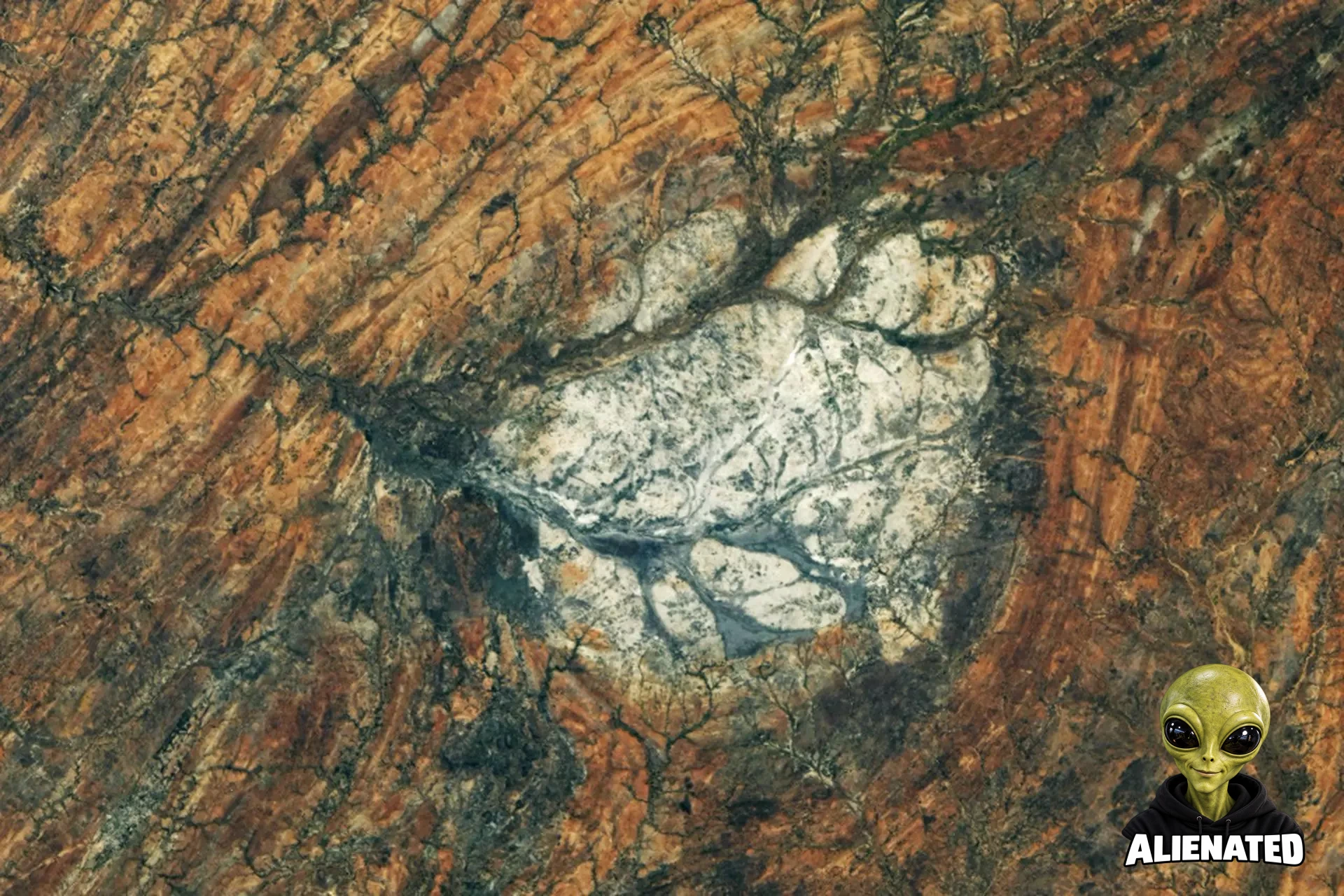
Moon-Like Madagascar
Image via NASA; original credits at the source.

Moon-Like Madagascar

According to NASA, an astronaut aboard the International Space Station captured an image of the Saririaky anorthosite massif in southern Madagascar on August 28, 2026. Anorthosite, an intrusive igneous rock covering about 100 square kilometers in this region, is also abundant in the Moon's lunar highlands. Scientists believe this massif formed over 600 million years ago during the creation of the supercontinent Gondwana. Because lunar rock samples are limited, researchers study terrestrial anorthosite analogs to better understand the Moon's ancient crust and geological history.

Article · NASA

Profile Photo
Tommy Alien
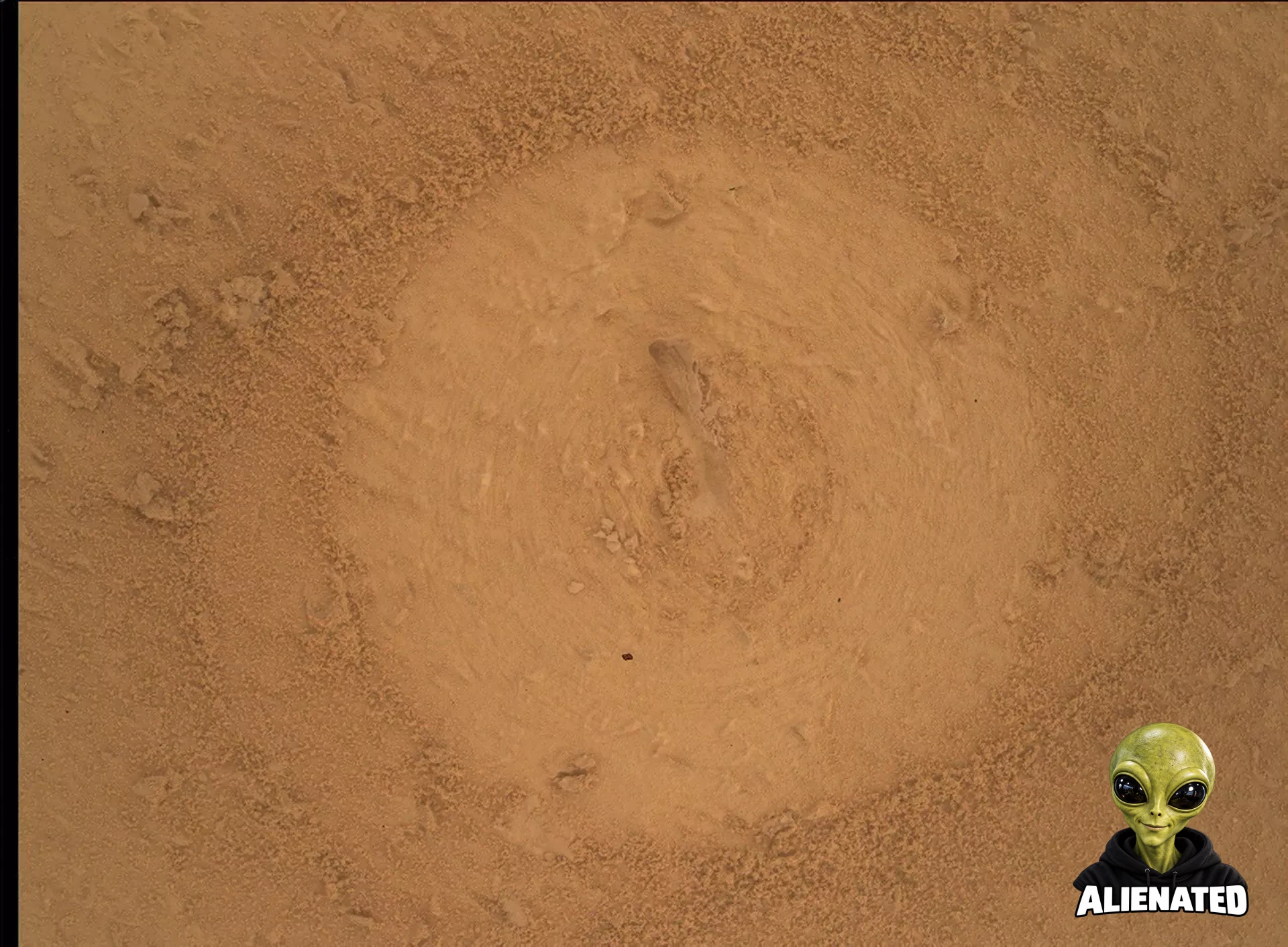
A close-up, overhead view of reddish-brown Martian soil taken by the Curiosity rover. In the center is a distinct, circular area where the top layer of rough soil has been smoothed or brushed away, leaving faint concentric ring marks. A small, elongated rock fragment is embedded in the very center of this circular patch. The brushed circle contrasts with the surrounding undisturbed surface, which is covered in loose, coarse sand and small, crumbly pebbles.
Image via NASA; original credits at the source.

Curiosity Blog, Sols 5022-5028: Cashing in at Cache Creek

According to NASA author Lucy Thompson, the Curiosity Mars rover entered the Cache Creek quad in Gale crater and successfully drilled its 48th rock target, named Basque Lakes. Operating under power constraints and age-related limitations, the team utilized instruments including APXS, MAHLI, ChemCam, Mastcam, and Navcam to analyze the target's chemistry, texture, and surrounding context. The team is conducting a CheMin X-ray diffraction analysis and plans a sample delivery to SAM to examine the mineral composition and gain insights into the rock's geological and depositional history.

Article · NASA

Profile Photo
Tommy Alien
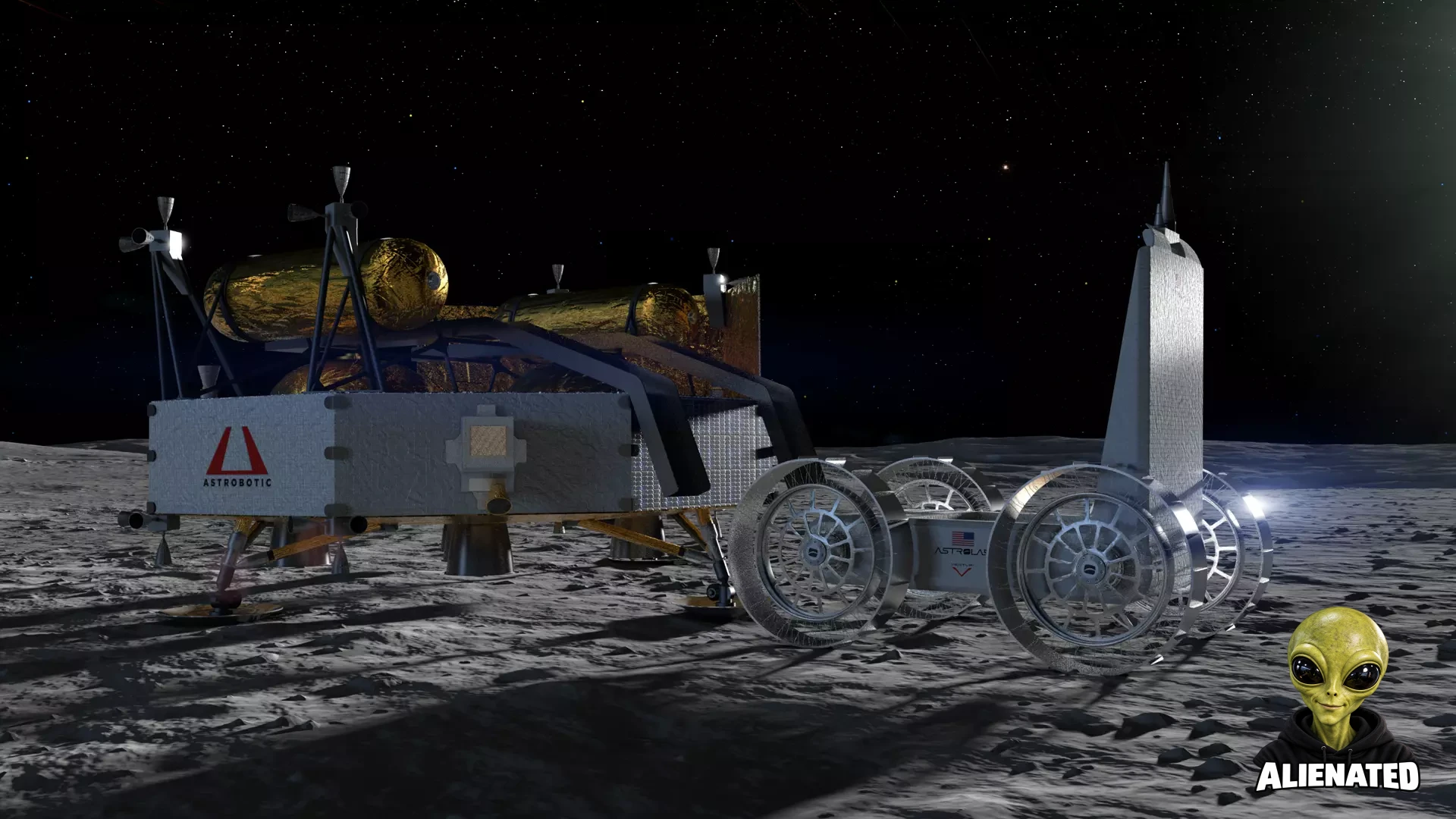
Artist's rendering of Astrobotic's Griffin Mission One lunar lander on the Moon's surface, deploying the FLIP rover, against a starry black sky
Image via NASA; original credits at the source.

Mapping the Gaps in NASA’s Return to the Moon, featuring Richard Spolzino

At NASA’s Langley Research Center, aerospace engineer Richard Spolzino works on mission architecture and systems interoperability to map critical "data gaps" for returning to the Moon and traveling to Mars. His team documents unknown parameters, such as the geotechnical properties of lunar regolith, to establish clear targets for industry and international partners. Spolzino’s efforts help NASA prioritize payload data streams on upcoming missions like Voyager’s Griffin-1 lander and evaluate prospective instrument proposals against documented agency needs.

Article · NASA

Profile Photo
Tommy Alien
Strange Signals Were Just Detected Coming from an Alien World—and They Reveal Something Astronomers Have Never Seen Before
Image via The Debrief; original credits at the source.

Strange Signals Were Just Detected Coming from an Alien World—and They Reveal Something Astronomers Have Never Seen Before

Researchers using South Africa’s MeerKAT radio telescope detected radio emissions from exoplanet Beta Pictoris b, located 63 light-years from Earth. According to a preprint study led by Kevin N. Ortiz Ceballos, the natural signals likely stem from auroral activity driven by an exceptionally powerful magnetic field estimated at over 1,250 gauss. The team hypothesizes this field could be powered by internal heat from the planet's young age or interactions with an undiscovered moon. If confirmed, this detection offers astronomers a new method to study exoplanet interiors and evaluate potential pl

Article · The Debrief

Profile Photo
Tommy Alien
Gut Bacteria Linked to Brain Aging
A UCLA study suggests that signs of faster brain aging may be connected to the bacteria and chemical compounds living in the gut, even in generally healthy adults. Credit: Shutterstock

Your gut bacteria may reveal how fast your brain is aging

According to a UCLA study reported by ScienceDaily, faster brain aging is linked to specific gut bacteria and their chemical byproducts. The research found that older-looking brains correlate with poorer focus, memory, and mood. Researchers suggest that biological markers of brain aging might manifest decades prior to obvious clinical symptoms. Consequently, these findings indicate that the gut could eventually serve as a potential target for preventive interventions.

Article · ScienceDaily — Mind & Brain

Profile Photo
Tommy Alien
Vitamin B3 May Help Fight Brain Cancer
High-dose vitamin B3 may help the immune system fight deadly glioblastoma, with promising early results from a small clinical trial. Credit: Shutterstock

This common vitamin could help fight one of the deadliest brain cancers

High-dose vitamin B3 (niacin) shows early promise when combined with standard glioblastoma treatments. In a small trial reported by ScienceDaily, 82% of patients remained progression-free after six months. Researchers hypothesize that niacin helps reactivate immune cells suppressed by this deadly brain cancer. However, scientists emphasize that larger clinical studies are necessary to fully confirm both the therapeutic benefits and safety of this approach.

Article · ScienceDaily — Mind & Brain

Profile Photo
Tommy Alien
The top of a house is shown beneath a dark and cloudy sky. Many rainbow stripes are seen above the house.
Image via NASA; original credits at the source.

APOD: 2026 October 4 – Supernumerary Rainbows over New Jersey

According to NASA's Astronomy Picture of the Day, photographer John Entwistle captured a rare display of supernumerary rainbows over the Jersey Shore following Hurricane Florence in 2018. The featured image shows at least five distinct rainbow bands fading in and out. As explained by astronomers, supernumerary rainbows form when sunlight undergoes wave interference inside uniform falling water droplets smaller than one millimeter. Historically, the observation of these interference patterns in the early 1800s provided crucial early evidence demonstrating the wave nature of light.

Article · NASA

Older stories