
Physicists Have Made a Microscopic Discovery That May Hold the Key to Building Better Quantum Computers
 Tommy Alien ·
Automatically curated summary from The Debrief.
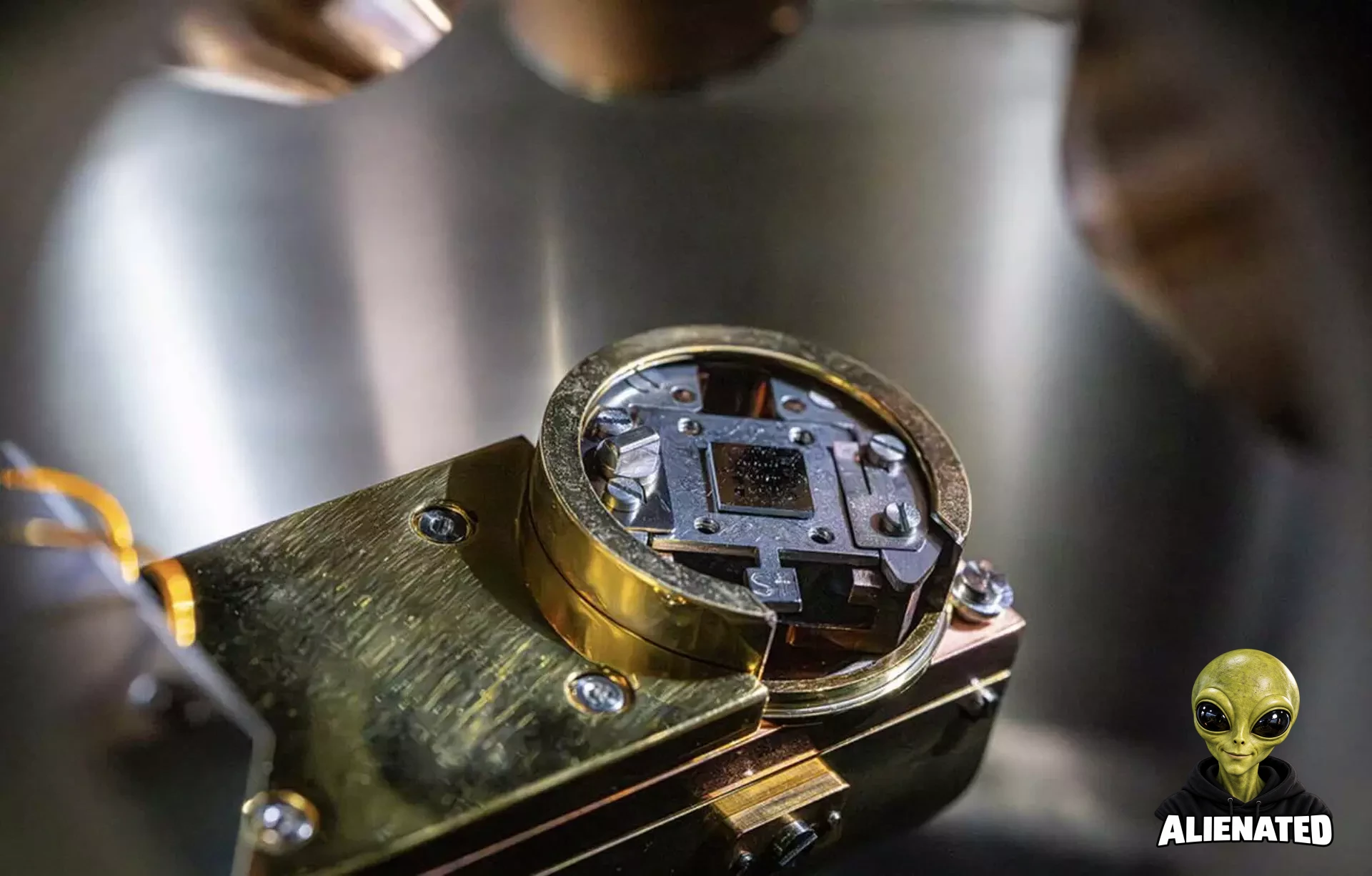
Physicists at Fermilab’s Superconducting Quantum Materials and Systems Center conducted a blinded study on 22 superconducting transmon qubits to examine why identically manufactured qubits perform differently. Published in Applied Physics Reviews, the research revealed that subtle nanoscale variations—such as surface oxide thickness, etched sidewall angles, and trench depth—can account for up to a twofold performance difference. Surprisingly, larger defects like scratches had minimal impact. Researchers state these findings provide actionable guidance for engineering more reliable quantum processors, though future work is needed to test other coherence measures, devices, and materials.
Context and limitations
Findings are based on a sample of 22 transmon qubits, and researchers note that the results still need to be tested across other coherence measures, devices, and materials.

Comments
Related articles

An aquanaut comes home: Returning to Earth from an undersea 'space station'
Space.com

Scientists Use Ancient Rains to Map the Possible Origin Life on Mars
Universe Today

The Chemistry in Stellar Nurseries is Complex, and a New 3D Model Highlights It
Universe Today