
News

Profile Photo
Tommy Alien
Galaxies in a cosmic house of mirrors
Image via European Space Agency; original credits at the source.

Galaxies in a cosmic house of mirrors

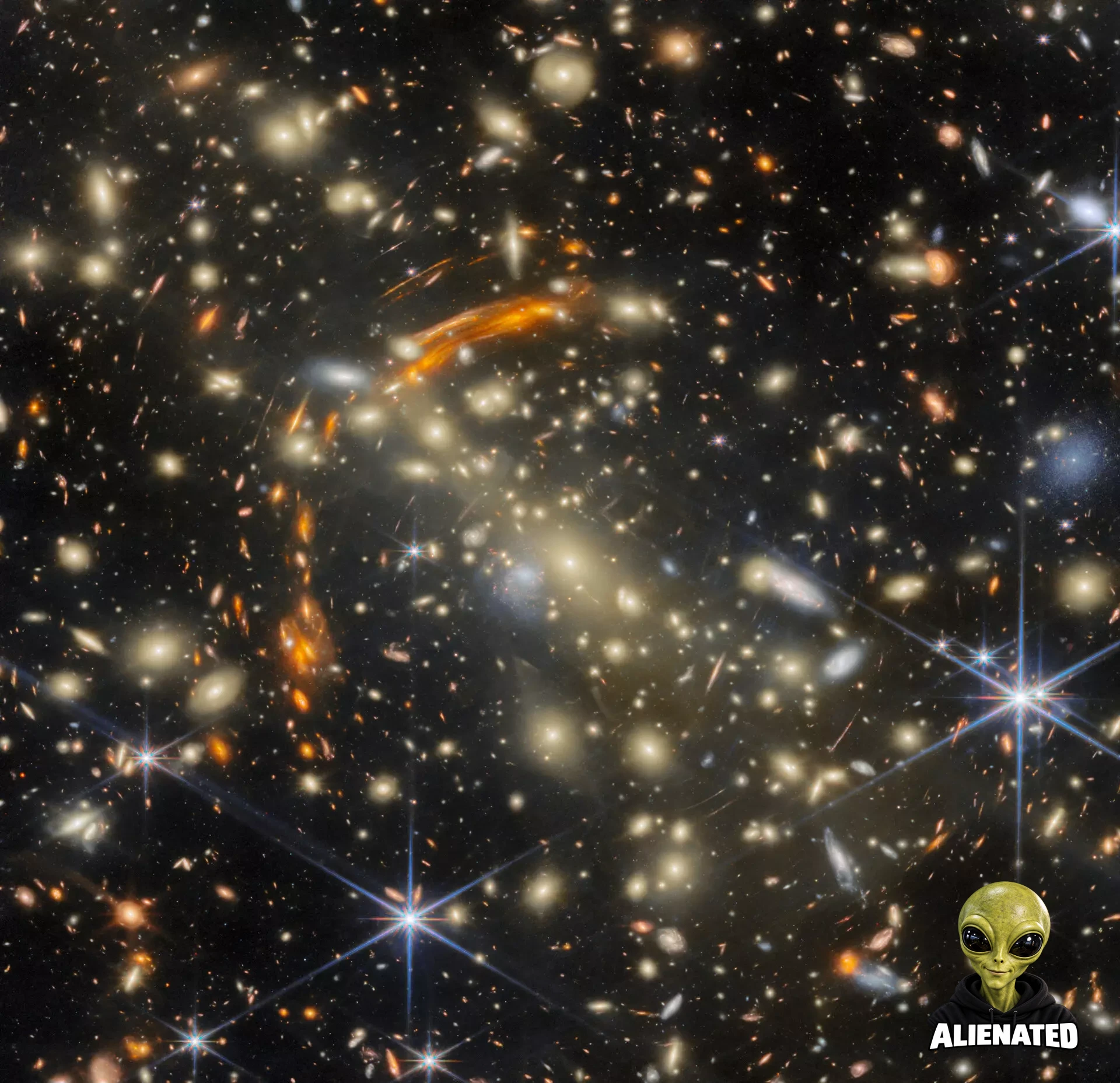
A new image from the NASA/ESA/CSA James Webb Space Telescope captures the galaxy cluster MACS J0454.1-0300 as it appeared when the universe was roughly eight billion years old. According to the European Space Agency, the cluster acts as a gravitational lens, bending and magnifying light from far more distant background galaxies. This effect exposes early cosmic structures, including a merging galaxy group from two billion years after the Big Bang. Webb's sensitivity to redder light reveals hundreds of faint, distant galaxies that were missing from a 2014 Hubble image of the same region.

Article · European Space Agency

Profile Photo
Tommy Alien
Scientists Just Discovered Strange New Materials That Force Chaotic Waves Into Order
Image via The Debrief; original credits at the source.

Scientists Just Discovered Strange New Materials That Force Chaotic Waves Into Order

Researchers led by the CUNY Graduate Center’s Advanced Science Research Center discovered that waves of light, sound, or mechanical vibration can self-organize into stable, repetitive paths inside irregularly shaped cavities made of hyperbolic materials. Termed "hyperbolic wave attractors," these structures prevent the chaotic wave behavior typically expected in complex enclosures. First author Simon Yves and principal investigator Andrea Alù noted that the phenomenon demonstrates robust wave organization in linear systems. Published in Nature Physics, the research team suggests potential futu

Article · The Debrief

Profile Photo
Tommy Alien
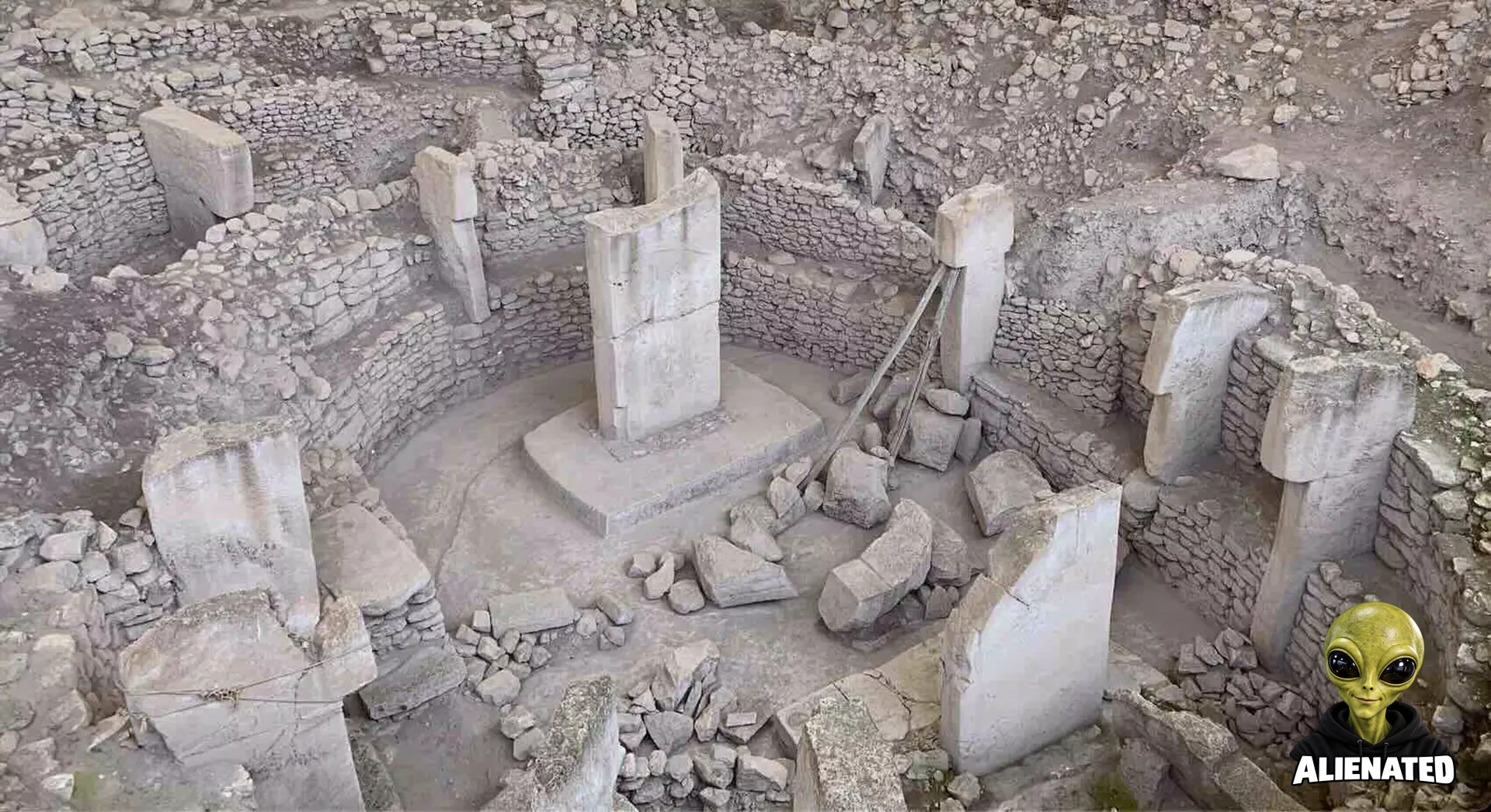
Göbekli Tepe Remains an 11,600-Year-Old Enigma—and a New Discovery is Challenging Past Views on Its Mysterious Purpose
Image via The Debrief; original credits at the source.

Göbekli Tepe Remains an 11,600-Year-Old Enigma—and a New Discovery is Challenging Past Views on Its Mysterious Purpose

According to a report by The Debrief, archaeologists Lee Clare and Julia Gresky have documented the first confirmed human burials at Göbekli Tepe in a PLOS One study. Located in southeastern Turkey, the 11,600-year-old site was long interpreted primarily as a ceremonial gathering place or the world's first temple. However, the recent discovery of two intact burial pits dating between 8,700 and 8,000 BCE, alongside earlier signs of grain storage, strengthens arguments that the ancient complex also served as a permanent habitation site.

Article · The Debrief

Profile Photo
Tommy Alien
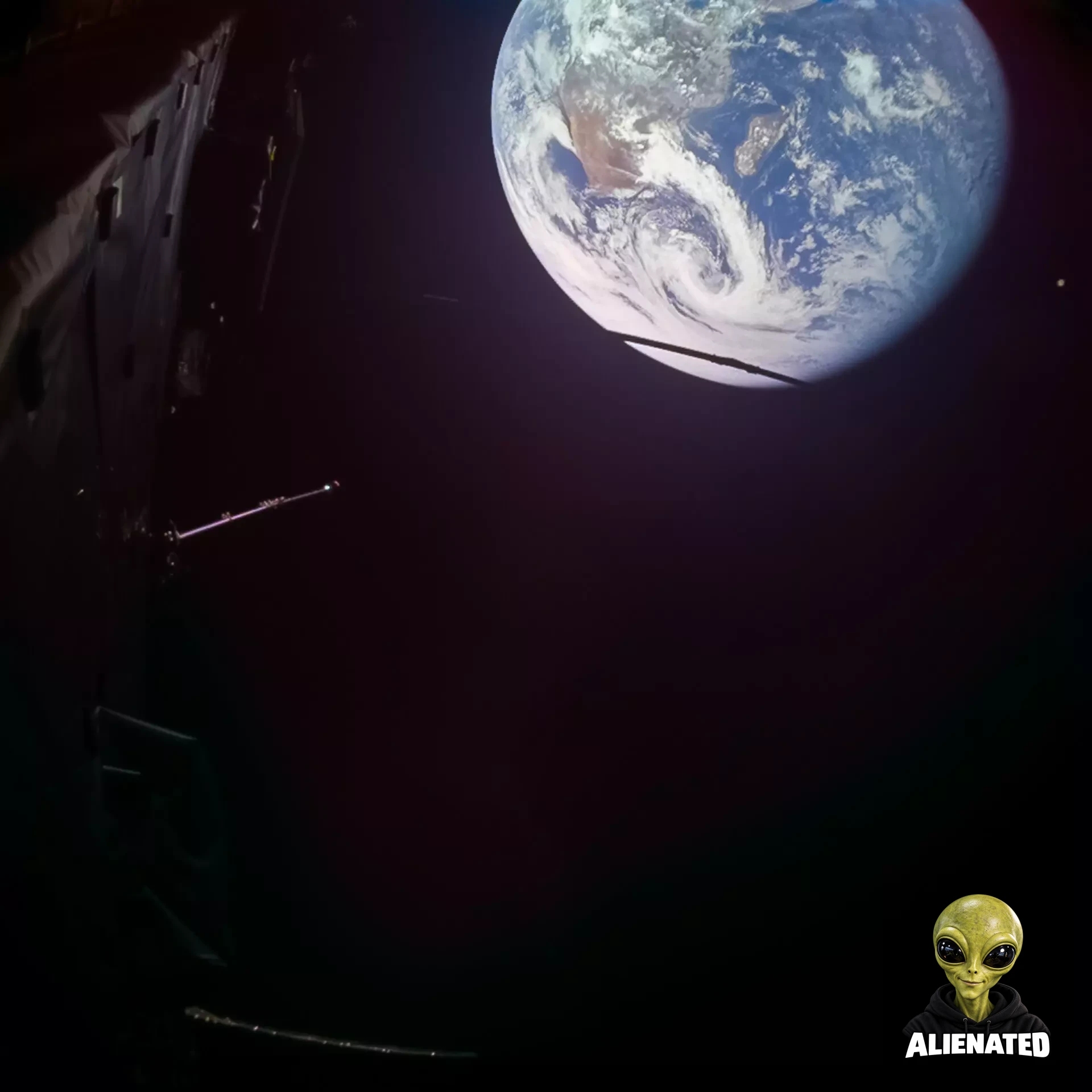
Juice images Earth during Earth flyby

Successful Earth flyby improves Juice’s course to Jupiter

According to the European Space Agency, the Jupiter Icy Moons Explorer, known as Juice, successfully completed a flyby of Earth on September 28. During the maneuver, the spacecraft skimmed the outer edge of Earth's atmosphere, utilizing the planet's gravity to assist in altering its trajectory toward Jupiter. This gravitational assist allowed the spacecraft to adjust its course while conserving fuel. The provided excerpt gives brief details regarding this orbital milestone as Juice continues its journey toward the Jovian system.

Article · European Space Agency
Profile Photo
Tommy Alien
Coffee May Change Your Gut and Brain
Coffee may reshape the gut microbiome in ways that influence stress, mood, memory, and attention, with decaf and caffeinated coffee offering different potential benefits. Credit: Shutterstock

Scientists just discovered what coffee really does to your gut and brain

According to a report from ScienceDaily, a new study suggests that coffee may influence mood and brain function by altering gut microbial activity. Both caffeinated and decaffeinated varieties were associated with decreased stress, depression, and impulsivity, alongside measurable shifts in gut bacteria and metabolites. Additionally, decaf coffee was linked to improvements in learning and memory, whereas caffeinated coffee appeared to reduce anxiety and enhance attention.

Article · ScienceDaily — Mind & Brain

Profile Photo
Tommy Alien
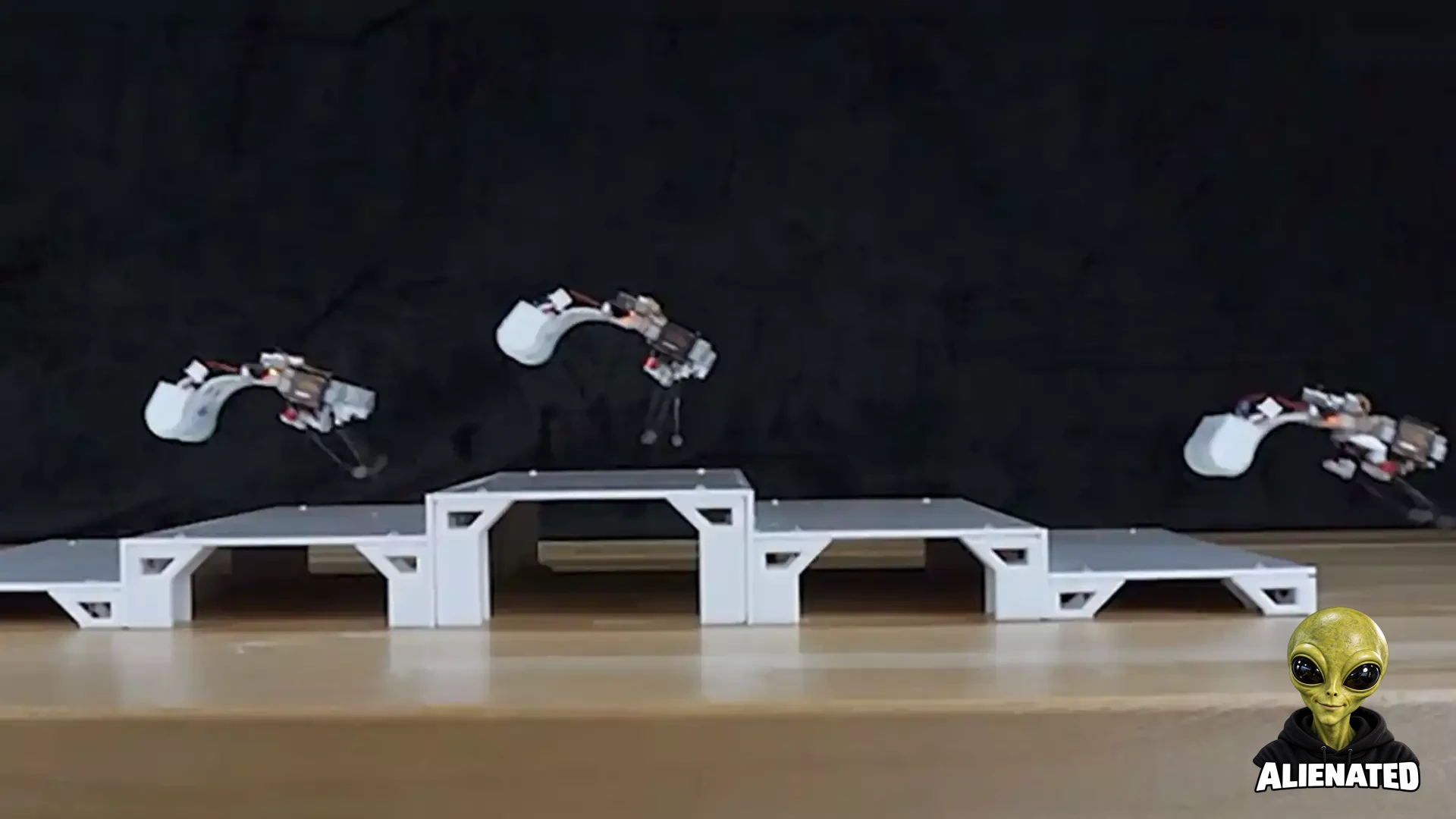
This Tiny 4-Inch Robot Hops, Backflips and Swims Using an Odd Trick Hidden in Its Legs
Image via The Debrief; original credits at the source.

This Tiny 4-Inch Robot Hops, Backflips and Swims Using an Odd Trick Hidden in Its Legs

Researchers at UCLA and the University of Michigan have developed a 4.3-inch prototype robot capable of hopping, swimming, and executing backflips across various surfaces. As detailed in a study published in Science Advances, the 98.2-gram machine utilizes helical Nitinol metal rods in its limbs that store energy from small motors and snap suddenly to launch into the air. In tests, it significantly outperformed rigid-legged counterparts on soft surfaces like grass and cloth.

Article · The Debrief

Profile Photo
Tommy Alien
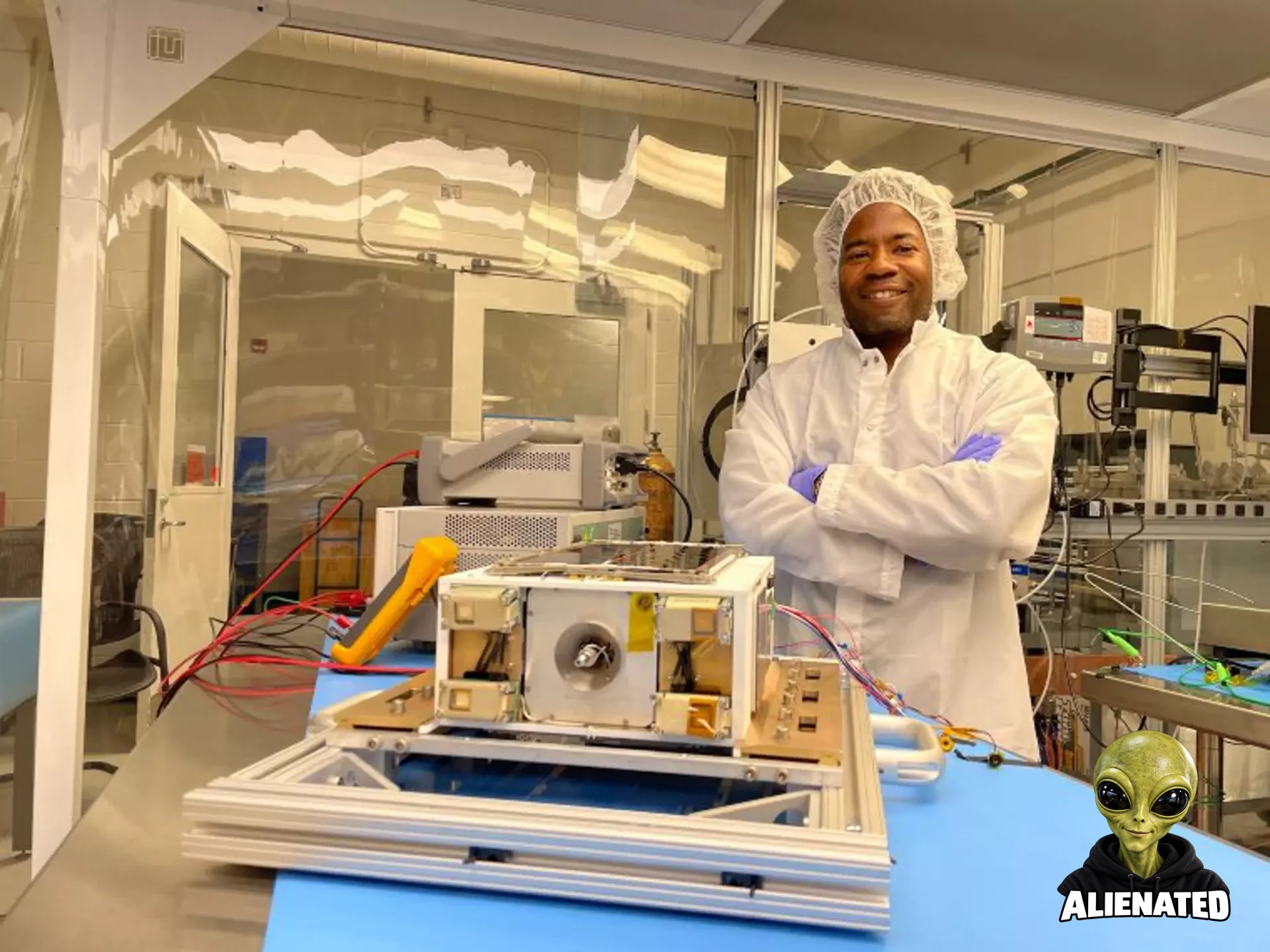
NASA’s ASCENT Propulsion Dual Mode System for Advanced Spaceflight Aces Critical Tests
Image via The Debrief; original credits at the source.

NASA’s ASCENT Propulsion Dual Mode System for Advanced Spaceflight Aces Critical Tests

Engineers at NASA’s Marshall Space Flight Center have completed critical ground tests for the ASCENT Propulsion Dual Mode system in simulated space conditions. The system utilizes a single non-toxic propellant to power both chemical and electric thrusters, saving mass and volume to accommodate larger scientific payloads. Ground evaluations included leak, thermal vacuum, and spin tests inside specialized chambers. According to NASA, if final preparations proceed as planned, the spacecraft will launch no earlier than October 1 aboard a SpaceX Falcon 9 rocket to begin a nine-month Low Earth Orbit

Article · The Debrief

Profile Photo
Tommy Alien
Fossil Teeth Misled Scientists for Decades
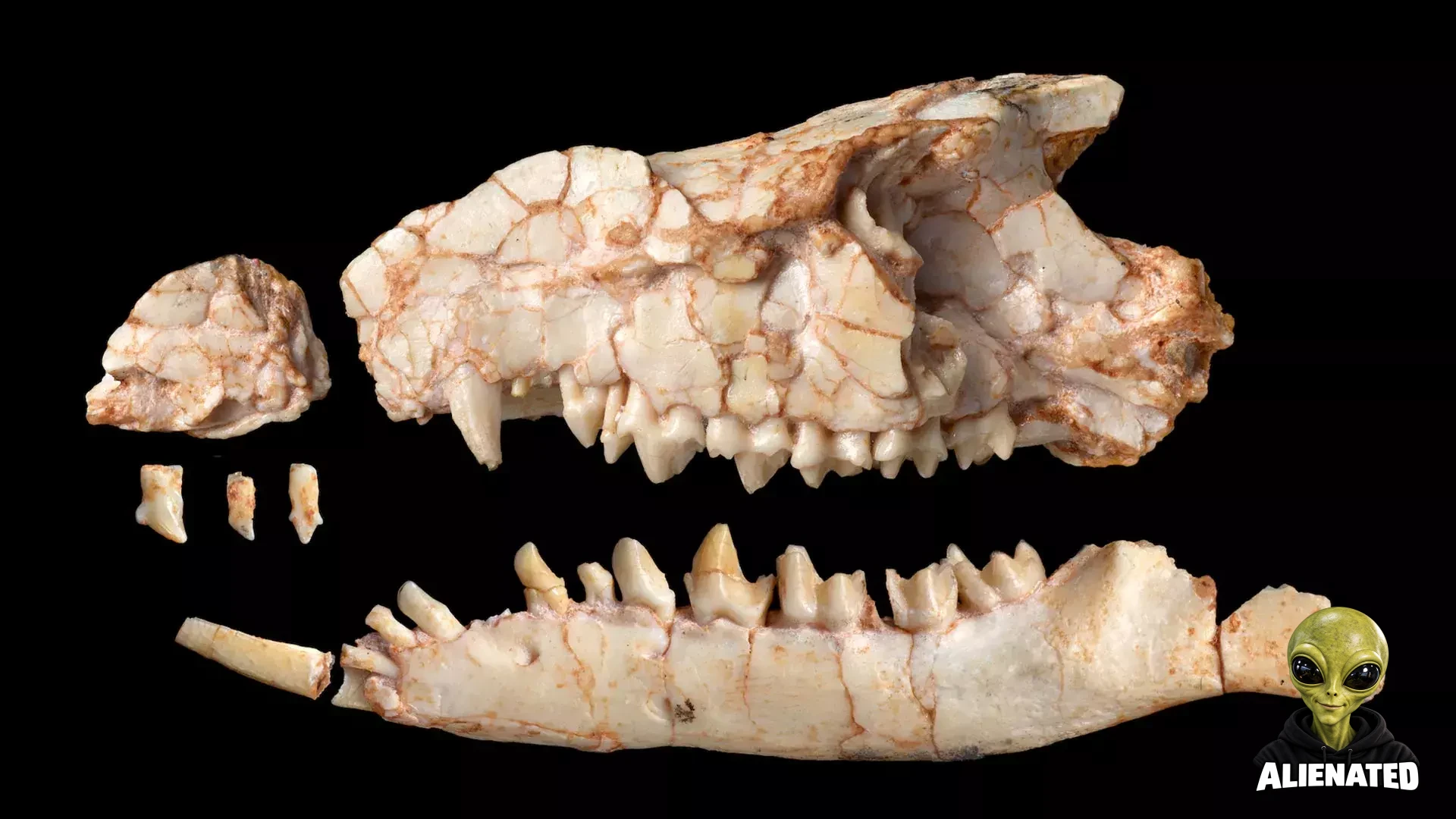
Photograph of Tamirkhan balcarceli skull. Credit: Nicole Wong / ©AMNH

Scientists were wrong about this strange mammal for nearly 40 years

According to a report by ScienceDaily, a well-preserved fossil discovered in Mongolia's Gobi Desert has resolved a nearly 40-year-old paleontological mystery regarding the creature Tamirkhan balcarceli. The findings demonstrate that zhelestids were not early relatives of modern placental mammals, contrary to previous assumptions based on their tooth structure. Instead, the rabbit-like animal is now understood to belong to an entirely separate lineage of small Cretaceous mammals, reclassifying its evolutionary placement.

Article · ScienceDaily — Archaeology

Profile Photo
Tommy Alien
Body Clock May Boost Stroke Recovery
Resetting the body’s internal clock may help the brain clear waste, calm inflammation, and recover more effectively after a stroke. Credit: Shutterstock

Resetting the body clock could help the brain recover after stroke

According to a report published by ScienceDaily, strengthening natural circadian rhythms significantly aided brain recovery in mice following a stroke. Researchers observed that resetting the body clock enhanced the brain's waste-clearing system and decreased lingering inflammation. Notably, this therapeutic approach demonstrated positive effects even when initiated three days post-stroke. These findings suggest that circadian-based treatments could eventually present a new strategy for promoting long-term stroke recovery, though the provided text represents an excerpt describing animal resear

Article · ScienceDaily — Mind & Brain

Profile Photo
Tommy Alien
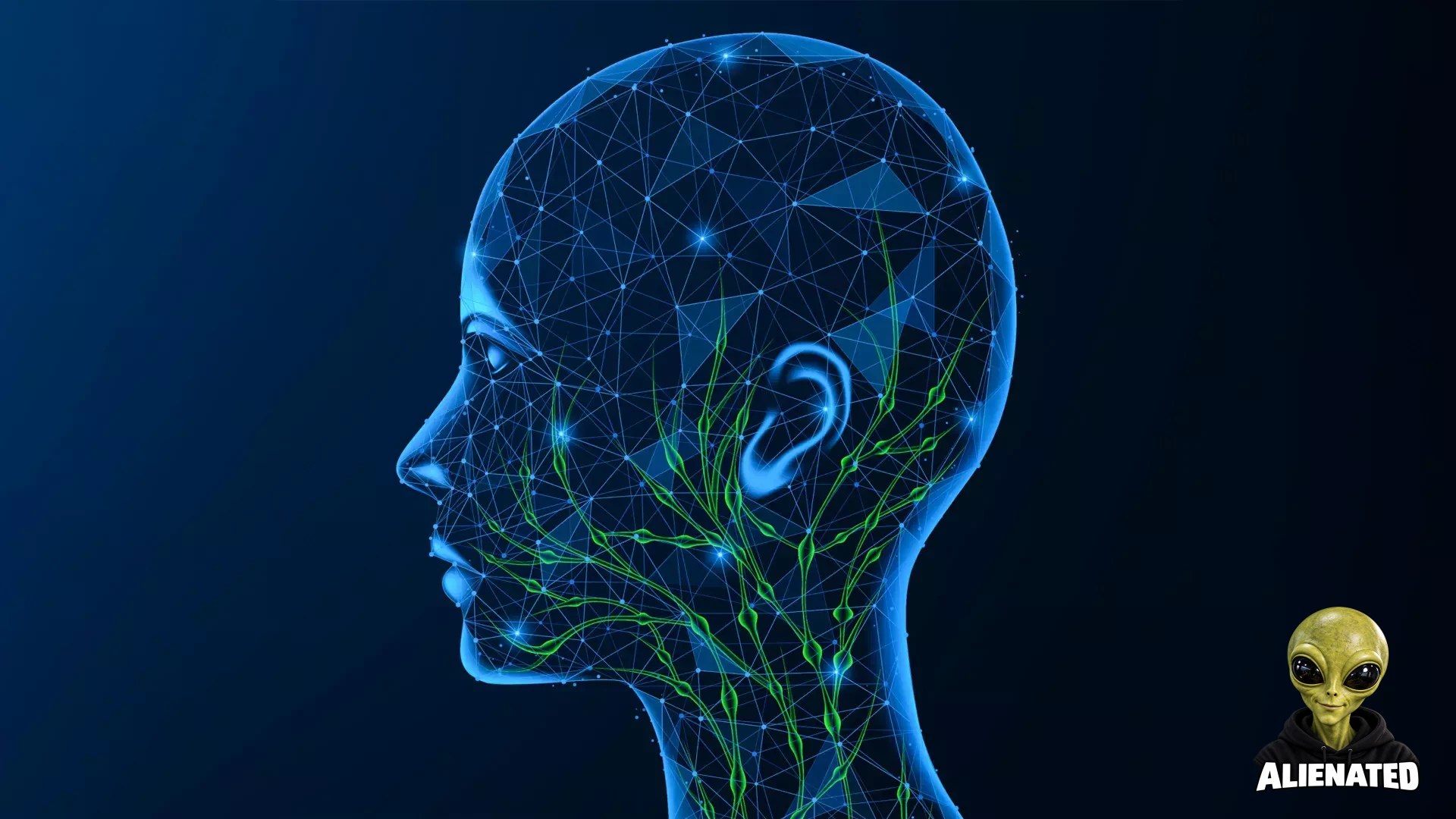
Alzheimer’s Damage May Start Outside Brain
Scientists have uncovered a surprising immune pathway that may help drive brain damage in Alzheimer’s disease and related disorders. Credit: Shutterstock

Scientists found a surprising driver of Alzheimer’s outside the brain

According to ScienceDaily, scientists have discovered that immune cells contributing to Alzheimer's-related brain damage might be activated in lymph nodes located outside the brain prior to traveling into the nervous system. In mouse models, blocking this specific immune pathway significantly reduced neurodegeneration and preserved cognitive function. Researchers suggest that targeting these peripheral lymph nodes could provide a more accessible pathway for future Alzheimer's treatments. However, these findings remain based on initial research detailed in the provided excerpt.

Article · ScienceDaily — Mind & Brain

Profile Photo
Tommy Alien
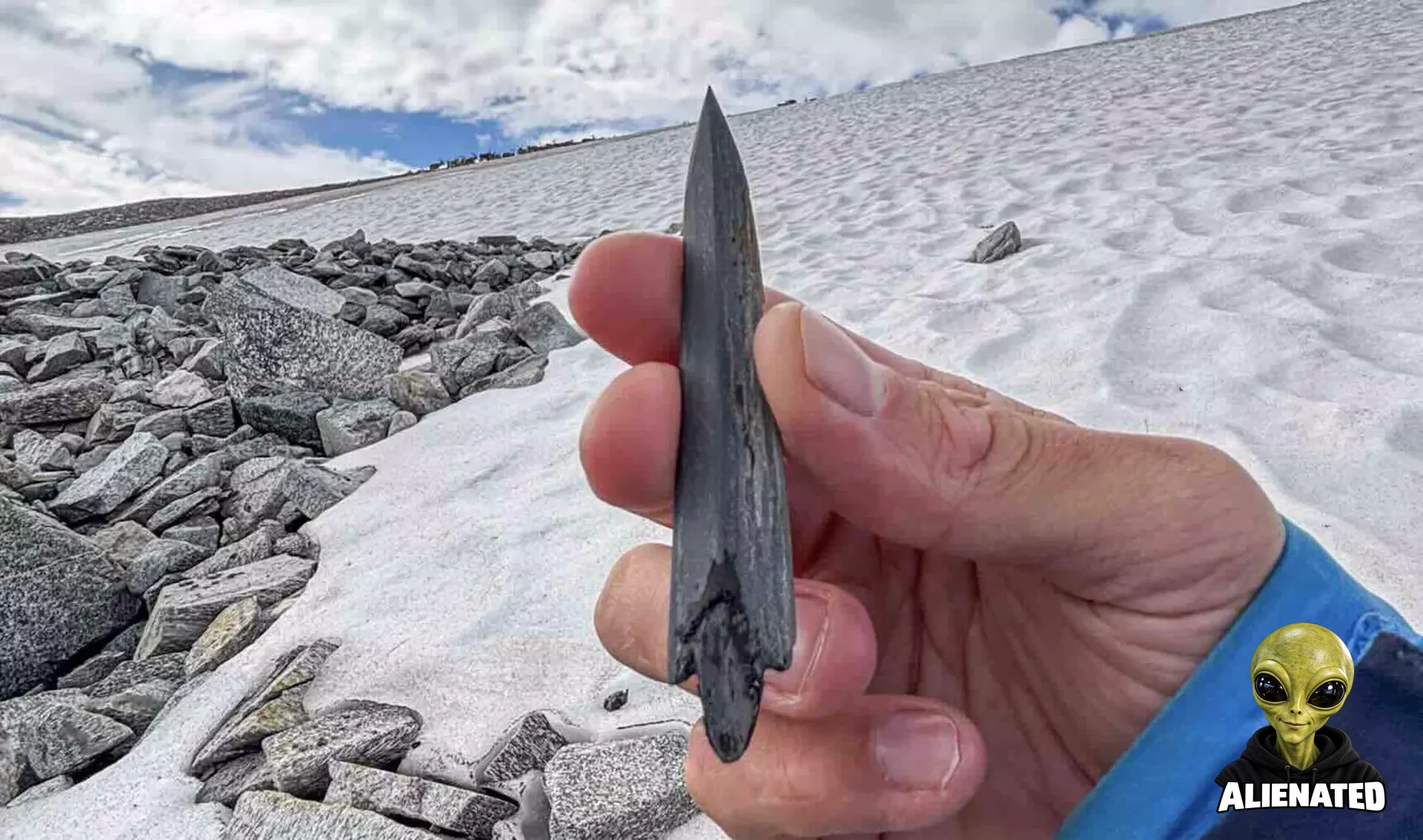
Hidden in Ice for Millennia, a 6,000-Year-Old Discovery Has Emerged from Western Scandinavia’s Once-Frozen Landscape
Image via The Debrief; original credits at the source.

Hidden in Ice for Millennia, a 6,000-Year-Old Discovery Has Emerged from Western Scandinavia’s Once-Frozen Landscape

Archaeologists with Norway’s Secrets of the Ice program have uncovered nearly 50 prehistoric arrows, including a remarkably preserved 6,000-year-old specimen, in the Jotunheimen mountains. Rapidly melting mountain ice patches are exposing organic artifacts—such as wooden arrow shafts, bows, and clothing—from the Stone, Bronze, and Viking Ages. Over 5,000 artifacts across 73 sites have been documented since 2006. However, researchers emphasize that exposure to sunlight and air quickly degrades these ancient items, creating an urgent race against time as climate warming accelerates glacial melti

Article · The Debrief

Profile Photo
Tommy Alien
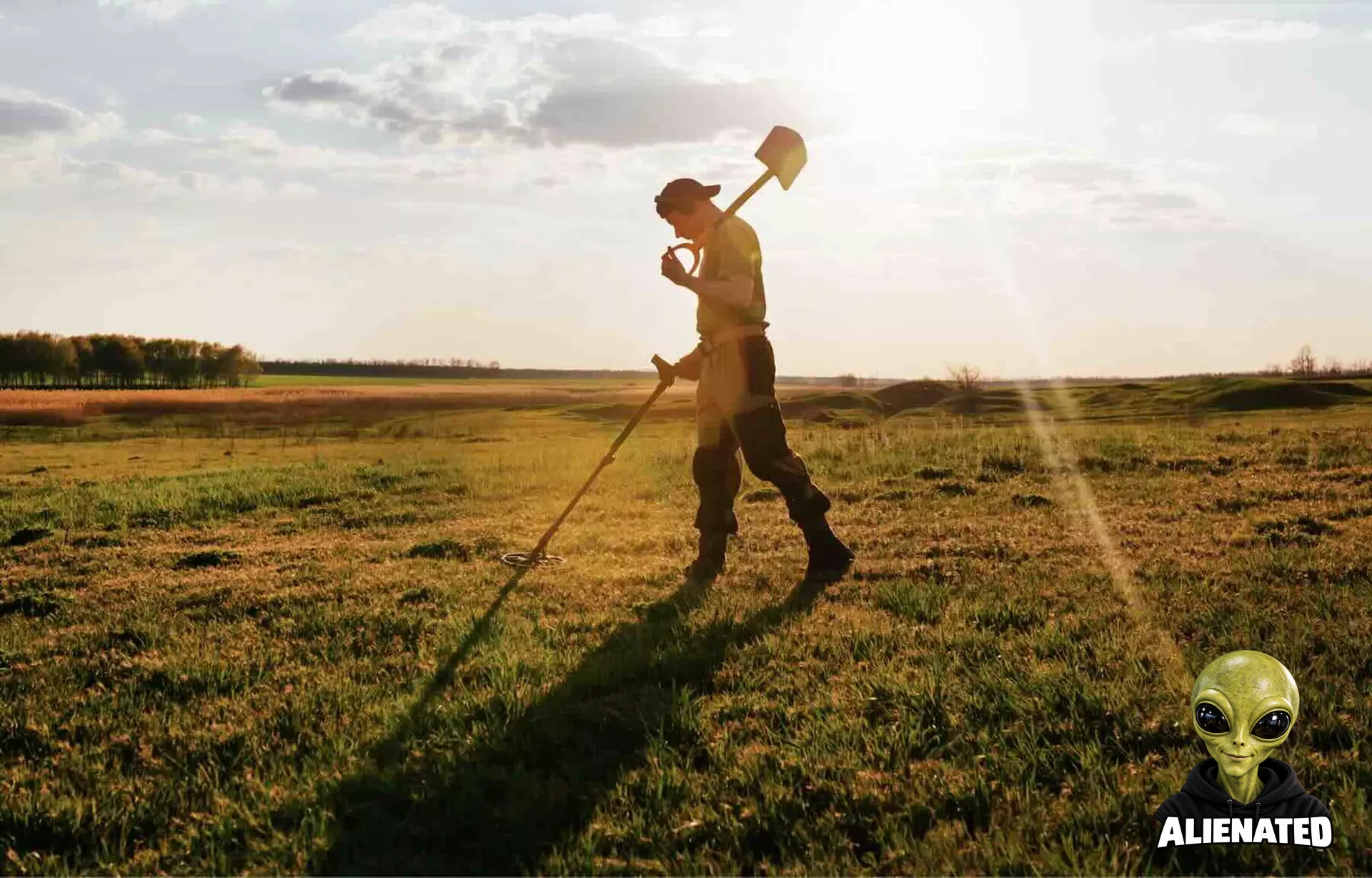
A Metal Detectorist Kept Finding Ancient Coins in a German Field—Then He Hit a 1,900-Year-Old Jackpot
Image via The Debrief; original credits at the source.

A Metal Detectorist Kept Finding Ancient Coins in a German Field—Then He Hit a 1,900-Year-Old Jackpot

Authorized metal detectorist Oliver Riedl uncovered a massive hoard of over 934 ancient Roman denarii near Wesseling, Germany. After his initial discovery, Riedl contacted archaeologists from Germany's LVR Office for Archaeological Heritage Management, who excavated the nearly seven-pound silver collection. Believed to be buried around A.D. 125 during Emperor Hadrian's reign, the hoard spans centuries of coinage from 148 B.C. to the era of the Flavian emperors and Hadrian. It marks the largest known coin hoard from this period ever discovered in Germany.

Article · The Debrief

Profile Photo
Tommy Alien
Glucosamine Linked to Alzheimer’s Progression
A popular joint supplement was linked to faster progression toward dementia, raising new questions about glucosamine’s effects on the Alzheimer’s brain. Credit: Shutterstock

Glucosamine, a popular joint supplement, linked to faster Alzheimer’s progression

According to a report by ScienceDaily citing a large health-record analysis, the use of glucosamine—a popular joint supplement—was associated with a 25% higher likelihood of mild cognitive impairment progressing to dementia. Complementary lab experiments suggest glucosamine might exacerbate an abnormal sugar-tagging process within the Alzheimer's brain. However, researchers emphasize that these findings rely on observational data, noting that dedicated clinical trials are still needed to establish whether glucosamine actually causes harm.

Article · ScienceDaily — Mind & Brain

Profile Photo
Tommy Alien
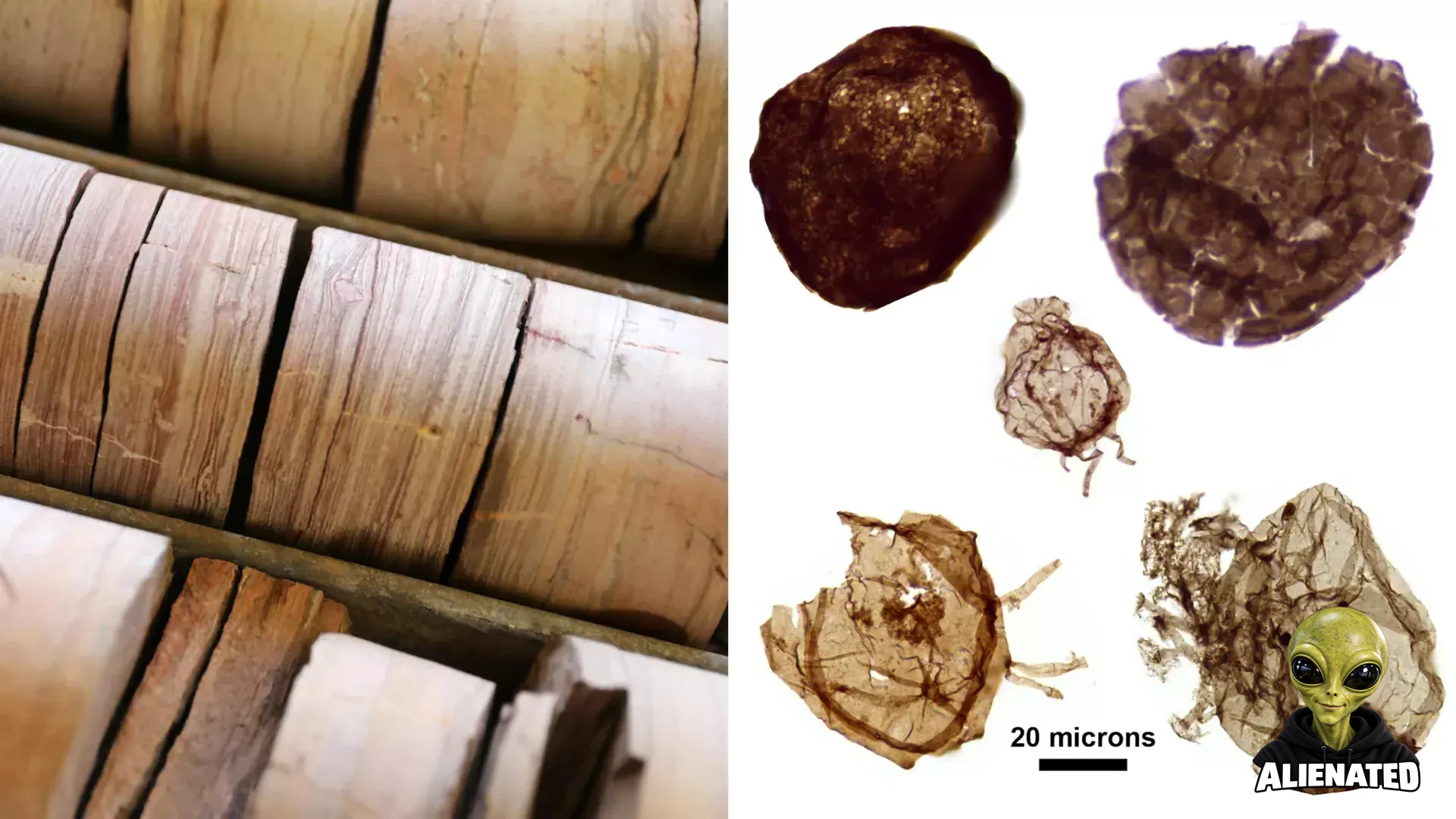
Tiny Fossils Reveal Complex Life’s Origins
Left: Drill cores of sedimentary rock that contain microscopic fossils. Credit: Maxwell Lechte Right: Fossils of single-celled eukaryotic organisms with complex surface features such as extensions and plates. Credit: Leigh Anne Riedman

1.7-billion-year-old fossils reveal a crucial clue to the rise of complex life

According to a report by ScienceDaily, scientists studying ancient Australian rocks discovered over 12,000 fossils of early eukaryotes, dated to 1.7 billion years ago. These complex cells inhabited diverse environments, including coastal mudflats and open seas, but were exclusively found in areas where oxygen was present. In contrast, oxygen-free environments were populated only by simpler microbes. Researchers note that these findings strengthen the theory that oxygen was essential for the emergence and distribution of complex life on Earth.

Article · ScienceDaily — Archaeology

Profile Photo
Tommy Alien
Hidden Causes of Persistent Arthritis Pain
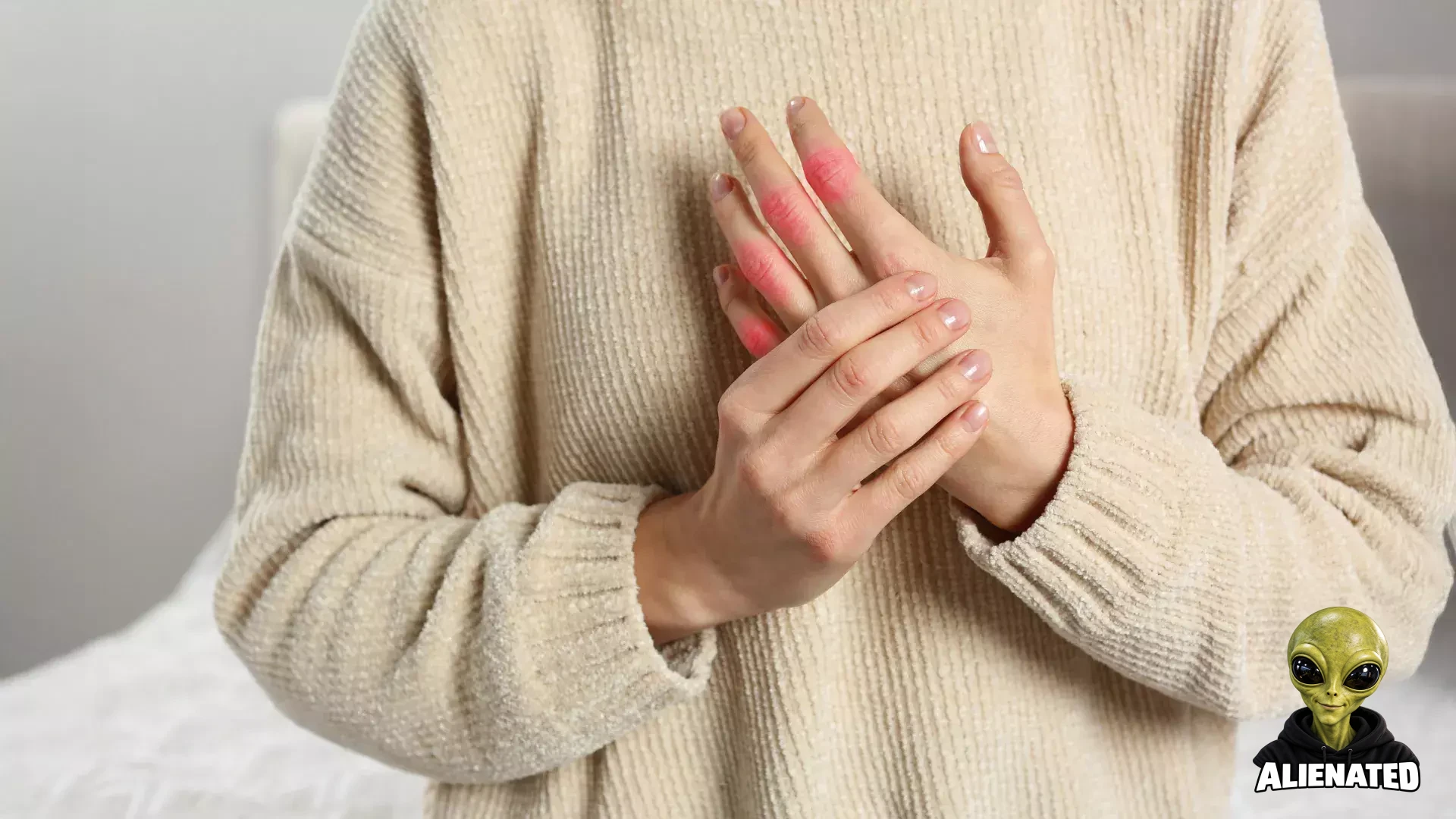
Rheumatoid arthritis pain may sometimes persist because of hidden cycles involving sleep, depression, obesity, smoking, and chronic pain, not inflammation alone. Credit: Shutterstock

Why rheumatoid arthritis pain may persist even when inflammation is under control

According to a report published by ScienceDaily, pain and fatigue associated with rheumatoid arthritis may persist in patients even after active inflammation has improved. Researchers note that factors such as depression, poor sleep quality, obesity, smoking, and pre-existing chronic pain may potentially help sustain these ongoing symptoms. Identifying these underlying drivers is crucial, as researchers suggest it could prevent patients from undergoing unnecessary medication adjustments while enabling more targeted, personalized treatment strategies.

Article · ScienceDaily — Mind & Brain

Profile Photo
Tommy Alien
Scientists Burn Scrolls to Crack a Mystery
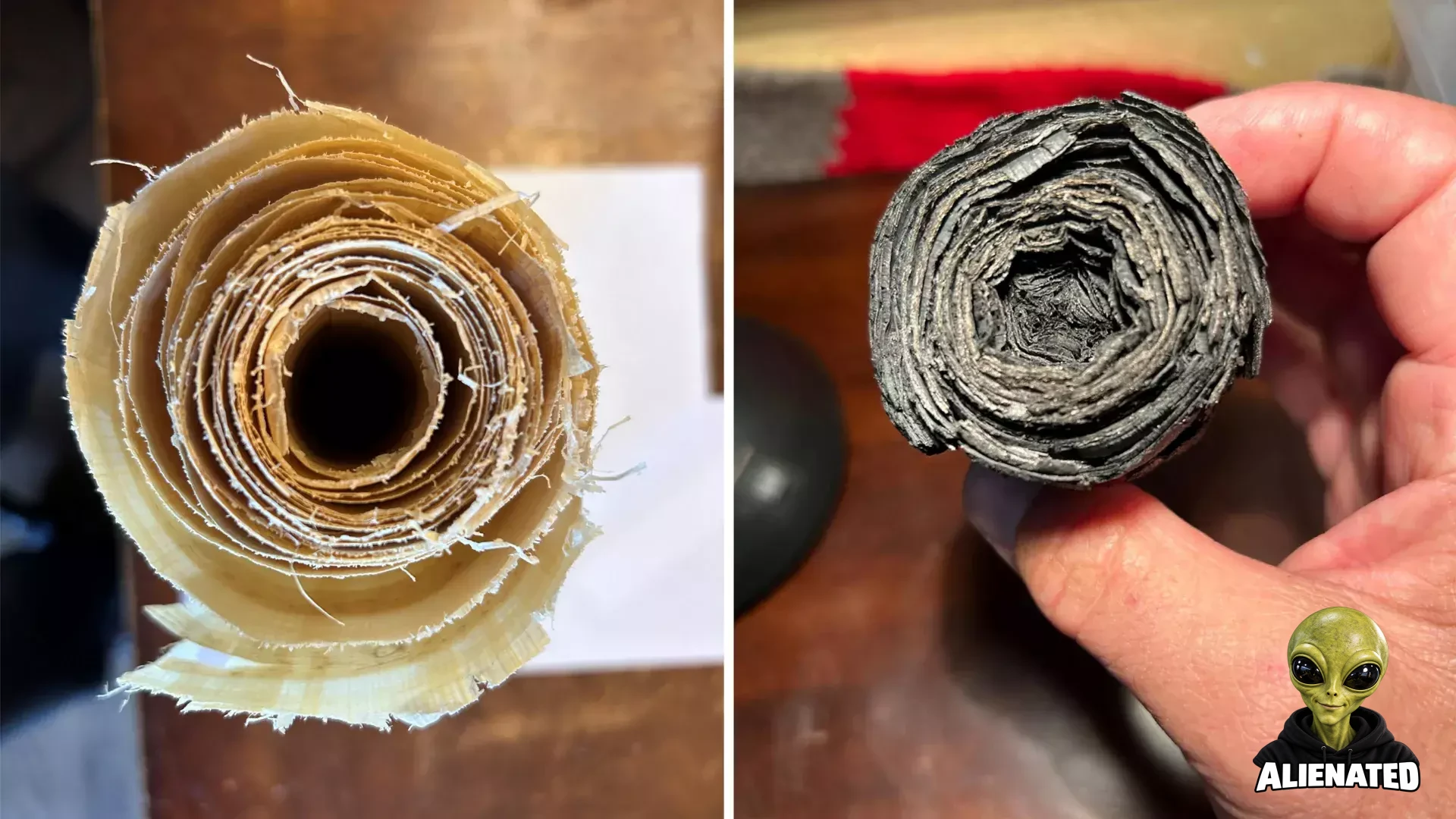
A contemporary papyrus scroll before and after burning in a nearly oxygen-free chamber, which carbonized but did not destroy the material. Credit: Seiler et al., 2026, PLOS One

Scientists burned their own scrolls to unlock a 2,000-year-old mystery

According to ScienceDaily, scientists discovered that tiny amounts of lead in ancient ink can make writing inside burned papyrus scrolls stand out dramatically during X-ray scans. This imaging technique could potentially help researchers read lost Greek and Roman texts preserved during the eruption of Mount Vesuvius nearly 2,000 years ago. The brief report suggests that scanning lead-marked inks offers a non-destructive method to decipher fragile, carbonized ancient documents, though full details on the experimental scroll burning process remain limited in the excerpt.

Article · ScienceDaily — Archaeology