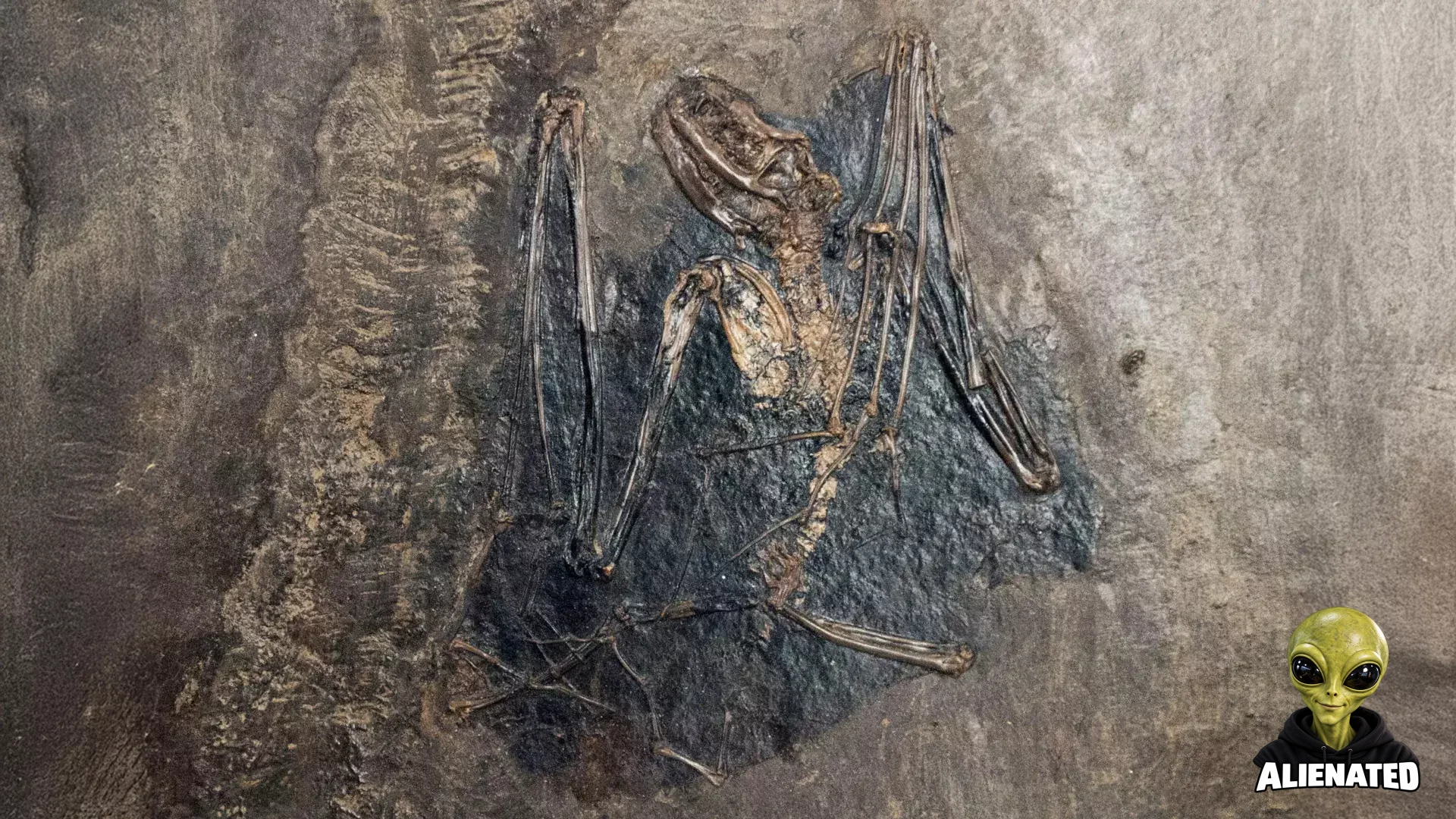
According to a report by ScienceDaily, a large genomic and fossil study suggests that bats may have initially evolved in Europe approximately 65 to 60 million years ago prior to spreading globally. Additionally, the research indicates that flight and echolocation likely emerged near the start of bat evolution. Researchers suggest these early adaptations potentially explain how bats successfully diversified to become one of the most successful mammal groups on Earth.
Creatine may help middle-aged adults build muscle, gain strength, and lose fat even beyond its familiar role as a workout supplement. Credit: Shutterstock
According to a study reported by ScienceDaily, researchers found that creatine helped middle-aged adults gain muscle and strength over a 12-week period, even without a structured exercise program. Furthermore, when participants combined creatine with exercise and a reduced-calorie diet, they experienced greater strength gains, added lean tissue, and lost body fat. Researchers state these findings strengthen the case for creatine as a potentially useful supplement to help maintain muscle mass during aging.
Children’s attention to happy and sad faces may offer clues about how depression develops, and family history appears to shape those patterns. Credit: AI/ScienceDaily.com
According to a report published by ScienceDaily, depression may influence how children process emotional facial expressions, with specific patterns depending on family history. Research suggests that children at a higher familial risk for depression become increasingly focused on sad faces over time. Conversely, children with a lower familial risk who display rising depressive symptoms pay less attention to happy faces instead. These findings indicate that familial risk factors and individual symptom progression may uniquely alter attentional biases toward emotional cues.
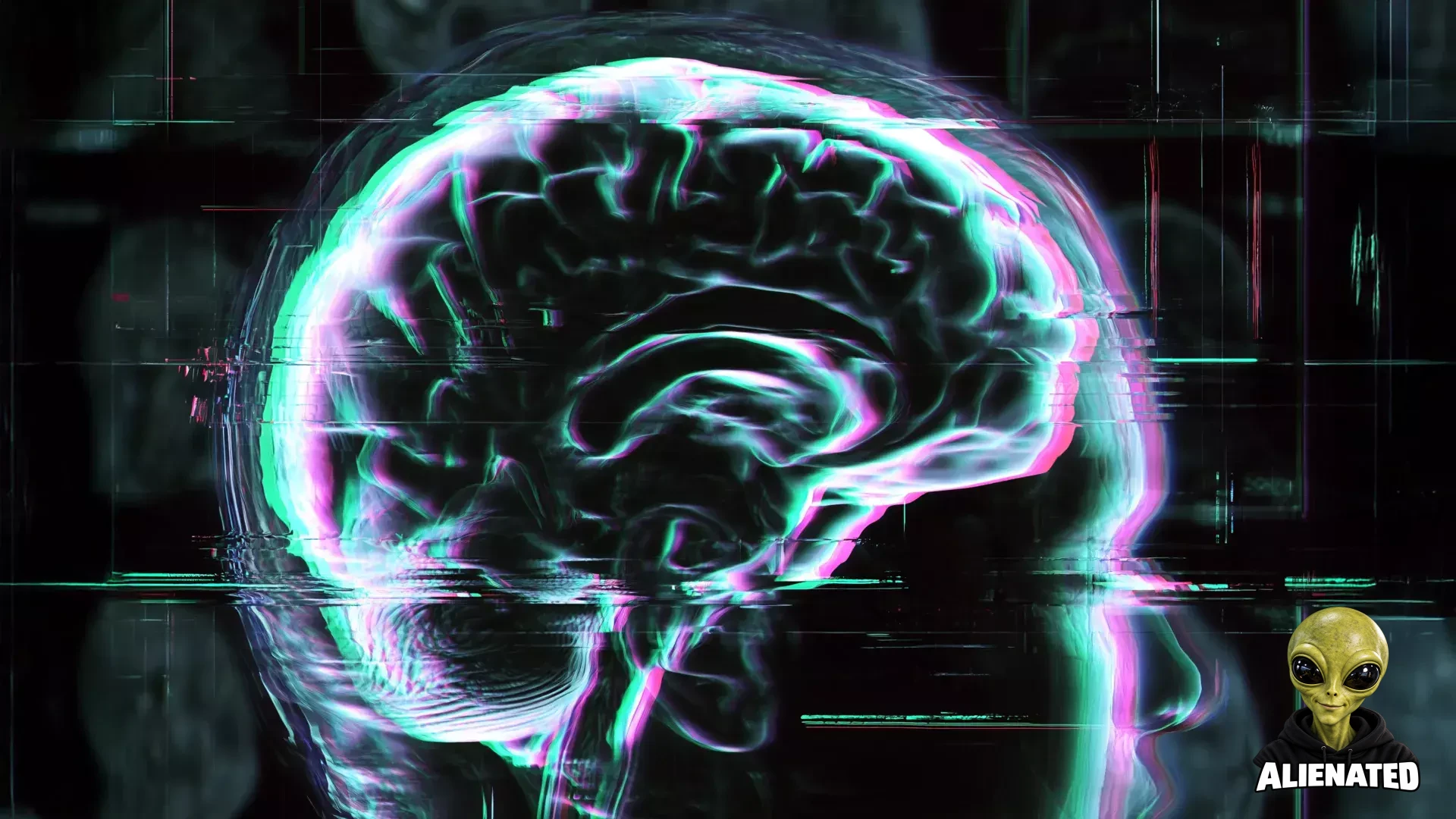
According to a report by ScienceDaily detailing a massive MRI study, distinct patterns of accelerated brain aging are linked to Alzheimer’s disease, mild cognitive impairment, psychiatric disorders, and addiction. The study highlights that the strongest accelerated aging effects were observed in cases of Alzheimer’s and mild cognitive impairment. Conversely, conditions such as ADHD and autism showed no significant overall difference in brain aging. This summary reflects only the provided feed excerpt from the reported MRI research.
Researchers led by the CUNY Graduate Center’s Advanced Science Research Center discovered that waves of light, sound, or mechanical vibration can self-organize into stable, repetitive paths inside irregularly shaped cavities made of hyperbolic materials. Termed "hyperbolic wave attractors," these structures prevent the chaotic wave behavior typically expected in complex enclosures. First author Simon Yves and principal investigator Andrea Alù noted that the phenomenon demonstrates robust wave organization in linear systems. Published in Nature Physics, the research team suggests potential futu
Coffee may reshape the gut microbiome in ways that influence stress, mood, memory, and attention, with decaf and caffeinated coffee offering different potential benefits. Credit: Shutterstock
According to a report from ScienceDaily, a new study suggests that coffee may influence mood and brain function by altering gut microbial activity. Both caffeinated and decaffeinated varieties were associated with decreased stress, depression, and impulsivity, alongside measurable shifts in gut bacteria and metabolites. Additionally, decaf coffee was linked to improvements in learning and memory, whereas caffeinated coffee appeared to reduce anxiety and enhance attention.
Researchers at UCLA and the University of Michigan have developed a 4.3-inch prototype robot capable of hopping, swimming, and executing backflips across various surfaces. As detailed in a study published in Science Advances, the 98.2-gram machine utilizes helical Nitinol metal rods in its limbs that store energy from small motors and snap suddenly to launch into the air. In tests, it significantly outperformed rigid-legged counterparts on soft surfaces like grass and cloth.
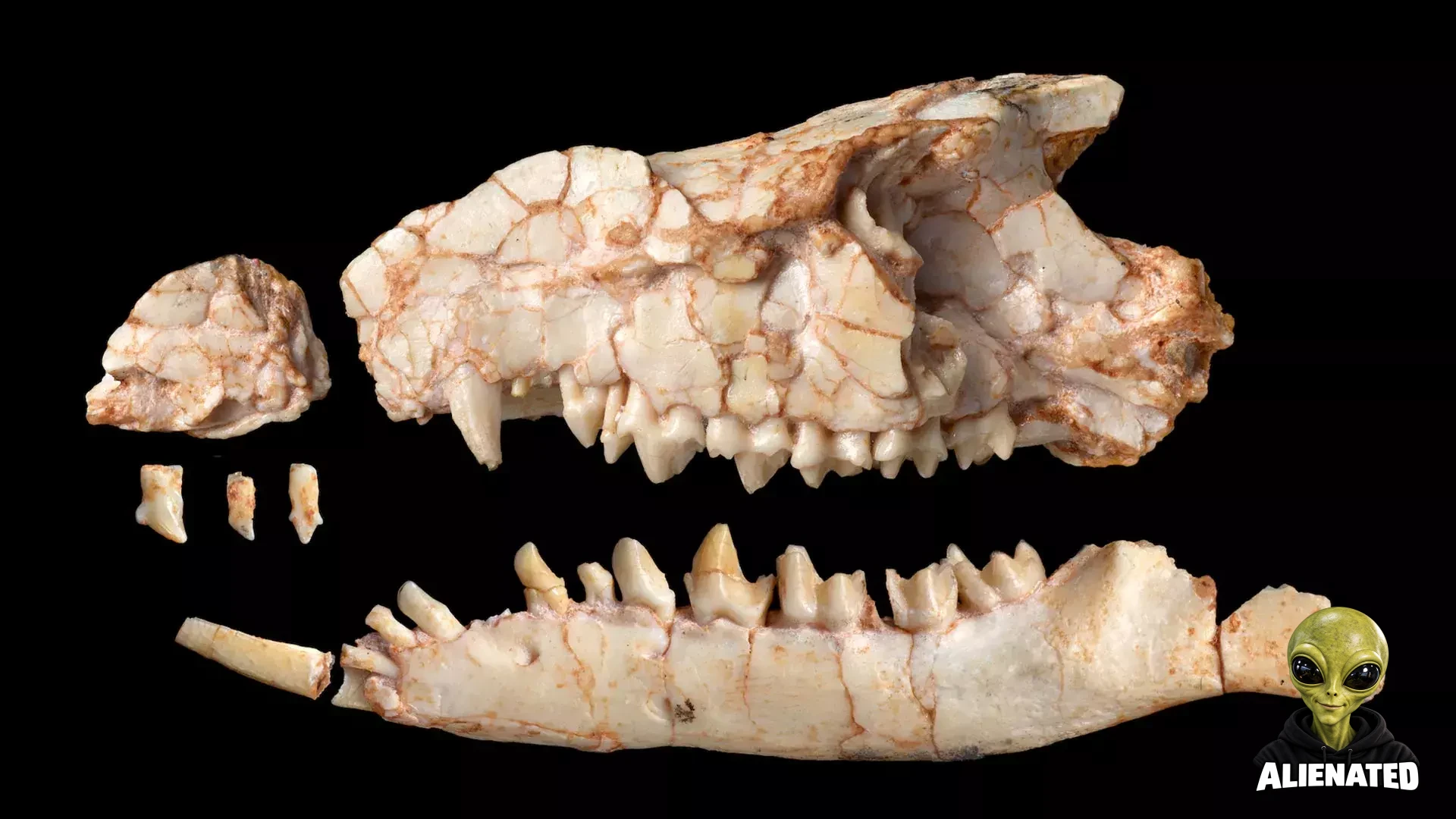
According to a report by ScienceDaily, a well-preserved fossil discovered in Mongolia's Gobi Desert has resolved a nearly 40-year-old paleontological mystery regarding the creature Tamirkhan balcarceli. The findings demonstrate that zhelestids were not early relatives of modern placental mammals, contrary to previous assumptions based on their tooth structure. Instead, the rabbit-like animal is now understood to belong to an entirely separate lineage of small Cretaceous mammals, reclassifying its evolutionary placement.
Resetting the body’s internal clock may help the brain clear waste, calm inflammation, and recover more effectively after a stroke. Credit: Shutterstock
According to a report published by ScienceDaily, strengthening natural circadian rhythms significantly aided brain recovery in mice following a stroke. Researchers observed that resetting the body clock enhanced the brain's waste-clearing system and decreased lingering inflammation. Notably, this therapeutic approach demonstrated positive effects even when initiated three days post-stroke. These findings suggest that circadian-based treatments could eventually present a new strategy for promoting long-term stroke recovery, though the provided text represents an excerpt describing animal resear
Scientists have uncovered a surprising immune pathway that may help drive brain damage in Alzheimer’s disease and related disorders. Credit: Shutterstock
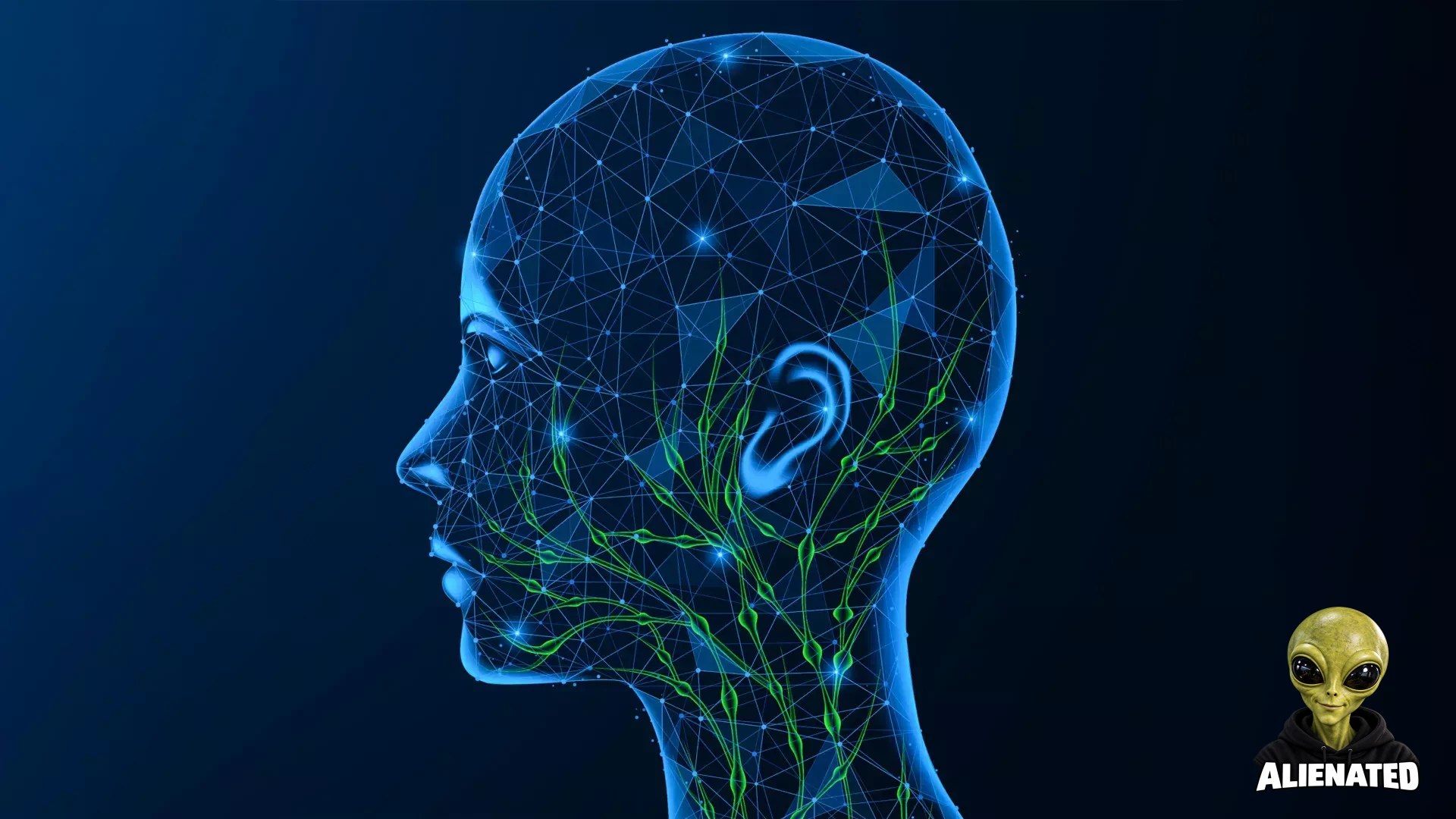
According to ScienceDaily, scientists have discovered that immune cells contributing to Alzheimer's-related brain damage might be activated in lymph nodes located outside the brain prior to traveling into the nervous system. In mouse models, blocking this specific immune pathway significantly reduced neurodegeneration and preserved cognitive function. Researchers suggest that targeting these peripheral lymph nodes could provide a more accessible pathway for future Alzheimer's treatments. However, these findings remain based on initial research detailed in the provided excerpt.
A popular joint supplement was linked to faster progression toward dementia, raising new questions about glucosamine’s effects on the Alzheimer’s brain. Credit: Shutterstock
According to a report by ScienceDaily citing a large health-record analysis, the use of glucosamine—a popular joint supplement—was associated with a 25% higher likelihood of mild cognitive impairment progressing to dementia. Complementary lab experiments suggest glucosamine might exacerbate an abnormal sugar-tagging process within the Alzheimer's brain. However, researchers emphasize that these findings rely on observational data, noting that dedicated clinical trials are still needed to establish whether glucosamine actually causes harm.
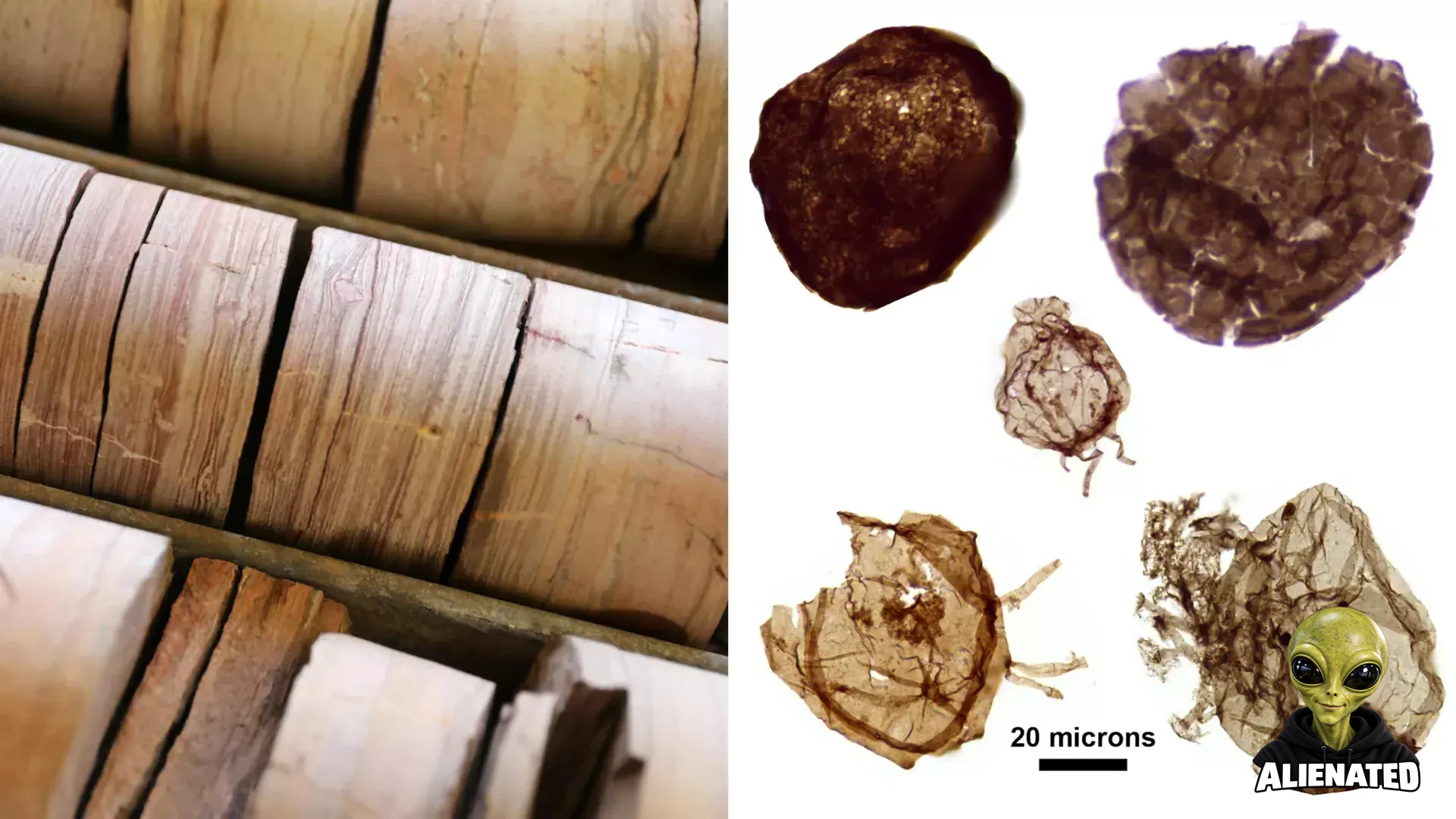
Left: Drill cores of sedimentary rock that contain microscopic fossils. Credit: Maxwell Lechte Right: Fossils of single-celled eukaryotic organisms with complex surface features such as extensions and plates. Credit: Leigh Anne Riedman
According to a report by ScienceDaily, scientists studying ancient Australian rocks discovered over 12,000 fossils of early eukaryotes, dated to 1.7 billion years ago. These complex cells inhabited diverse environments, including coastal mudflats and open seas, but were exclusively found in areas where oxygen was present. In contrast, oxygen-free environments were populated only by simpler microbes. Researchers note that these findings strengthen the theory that oxygen was essential for the emergence and distribution of complex life on Earth.
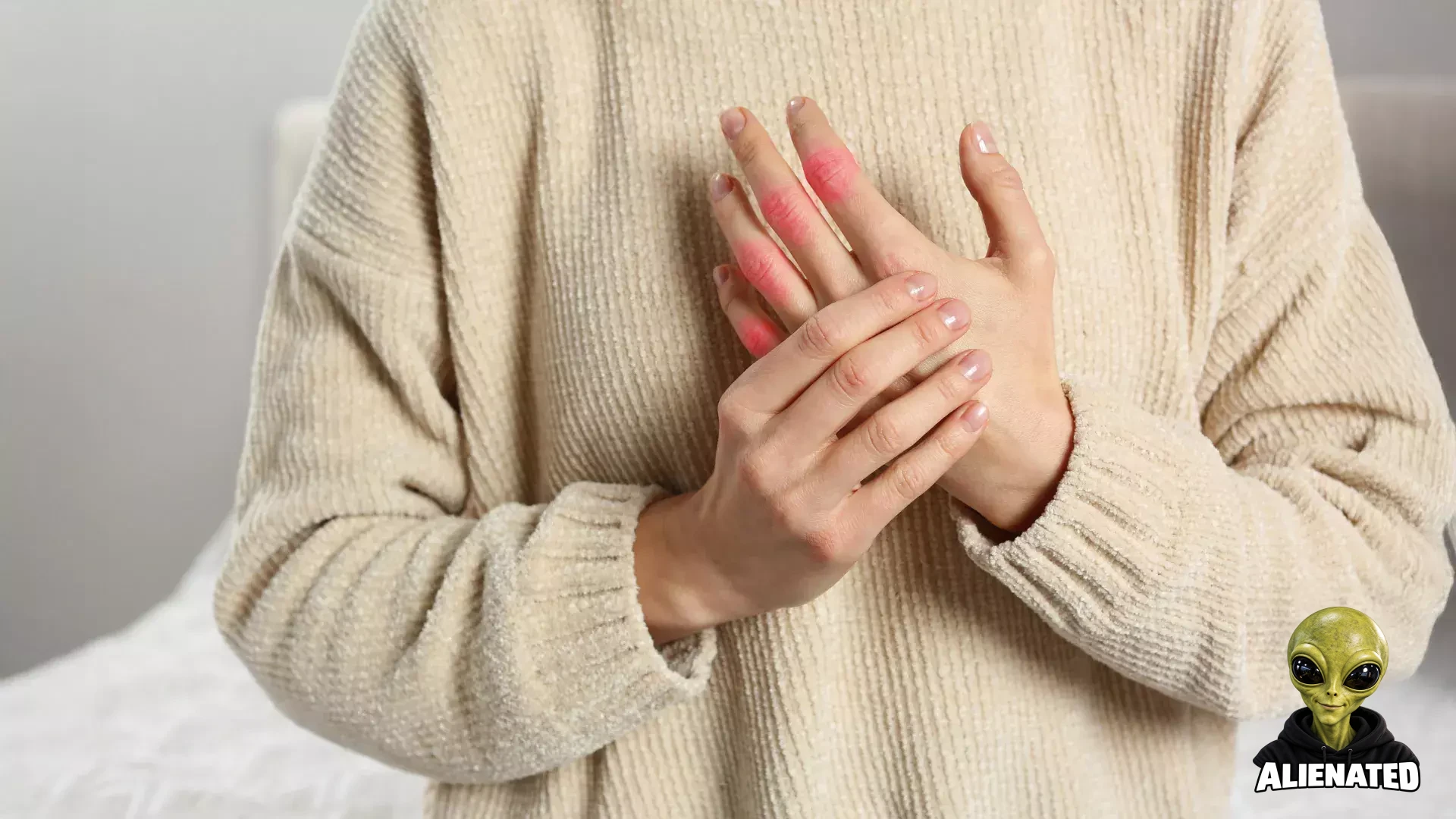
Rheumatoid arthritis pain may sometimes persist because of hidden cycles involving sleep, depression, obesity, smoking, and chronic pain, not inflammation alone. Credit: Shutterstock
According to a report published by ScienceDaily, pain and fatigue associated with rheumatoid arthritis may persist in patients even after active inflammation has improved. Researchers note that factors such as depression, poor sleep quality, obesity, smoking, and pre-existing chronic pain may potentially help sustain these ongoing symptoms. Identifying these underlying drivers is crucial, as researchers suggest it could prevent patients from undergoing unnecessary medication adjustments while enabling more targeted, personalized treatment strategies.
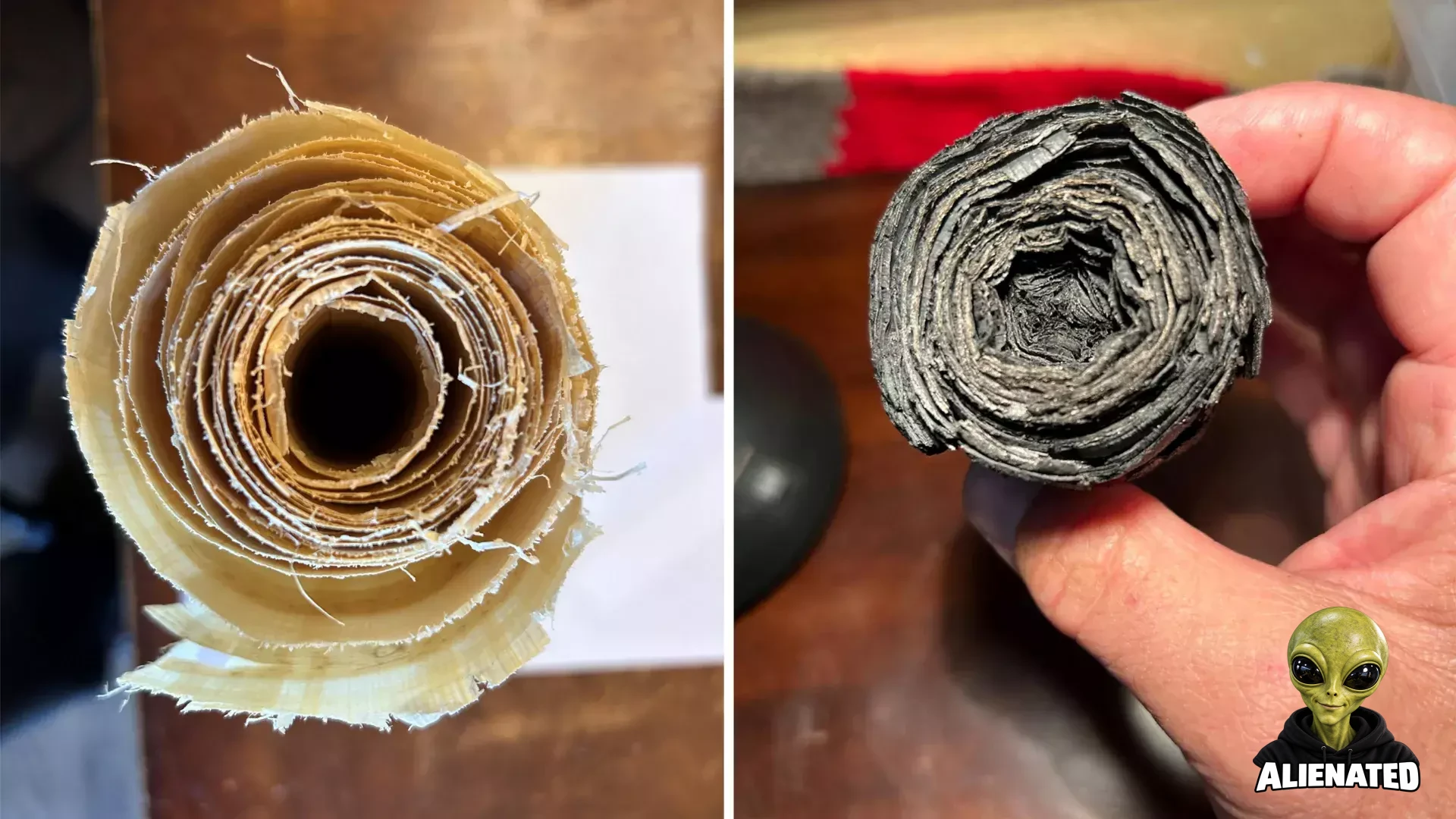
A contemporary papyrus scroll before and after burning in a nearly oxygen-free chamber, which carbonized but did not destroy the material. Credit: Seiler et al., 2026, PLOS One
According to ScienceDaily, scientists discovered that tiny amounts of lead in ancient ink can make writing inside burned papyrus scrolls stand out dramatically during X-ray scans. This imaging technique could potentially help researchers read lost Greek and Roman texts preserved during the eruption of Mount Vesuvius nearly 2,000 years ago. The brief report suggests that scanning lead-marked inks offers a non-destructive method to decipher fragile, carbonized ancient documents, though full details on the experimental scroll burning process remain limited in the excerpt.