According to a study published in Frontiers in Environmental Archaeology by Dr. Roselyn Campbell of Purdue University, re-examination of First Dynasty human remains from Abydos, Egypt, provides evidence supporting century-old suspicions of retainer sacrifice. Analyzing 46 preserved skulls originally excavated by Flinders Petrie in the 1920s, Campbell discovered linear and sharp-force trauma on nearly 39% of the crania. These findings suggest intentional violence rather than natural fractures, though incomplete post-skull skeletal data limits definitive conclusions.
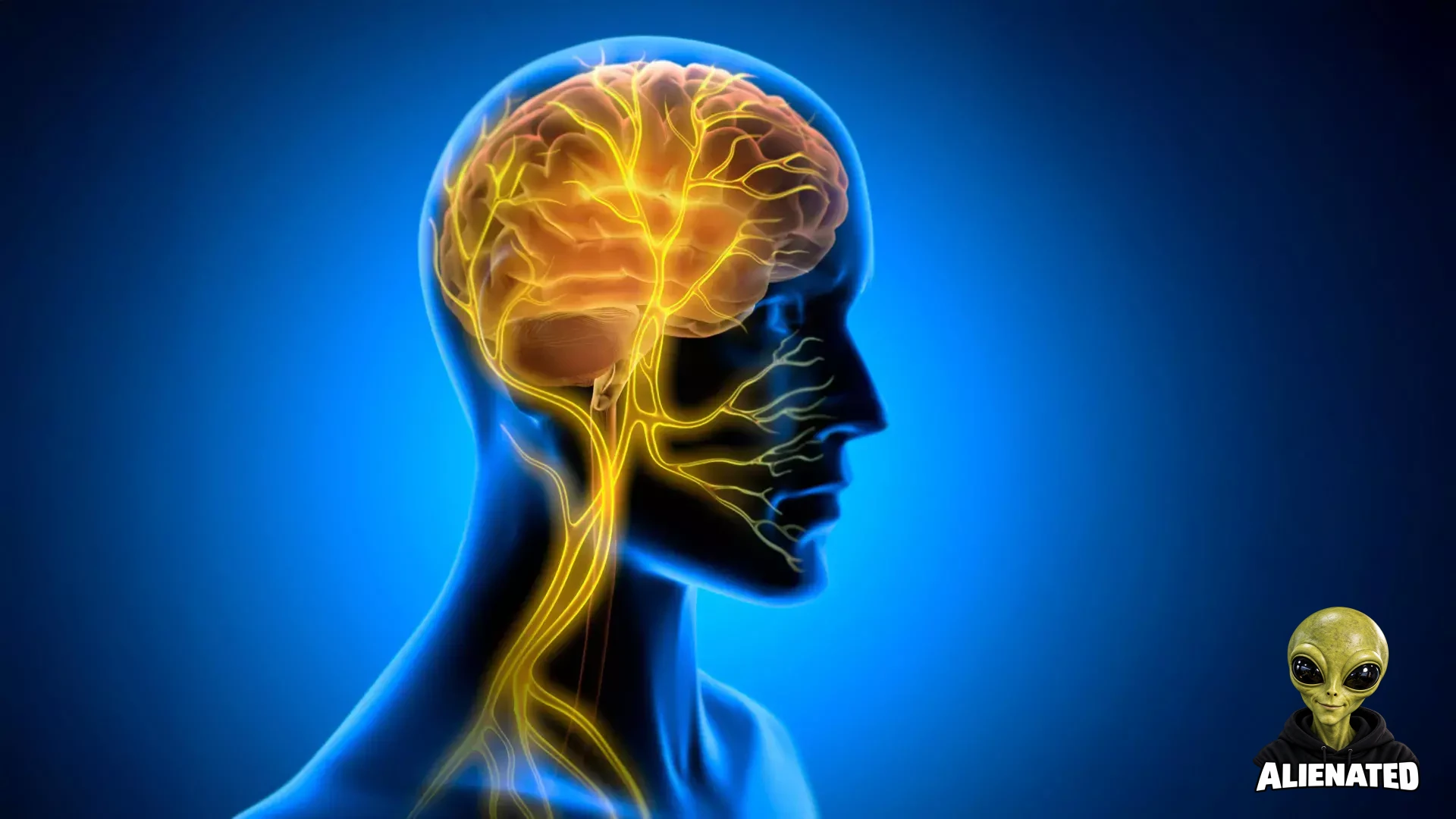
Researchers found that stimulating the vagus nerve after training helped mice retain a newly learned motor skill more strongly over time. Credit: Shutterstock
According to a report from ScienceDaily, stimulating the vagus nerve in mice after practice helped the animals develop stronger long-term motor learning. The research highlights a potentially important temporal window during which the brain consolidates new skills. This enhancement was associated with rhythmic changes in cerebral blood vessels, hinting that physiological body-to-brain signals may actively prepare the brain for enduring change. The findings offer insight into how post-practice neural processes lock in newly acquired physical abilities.
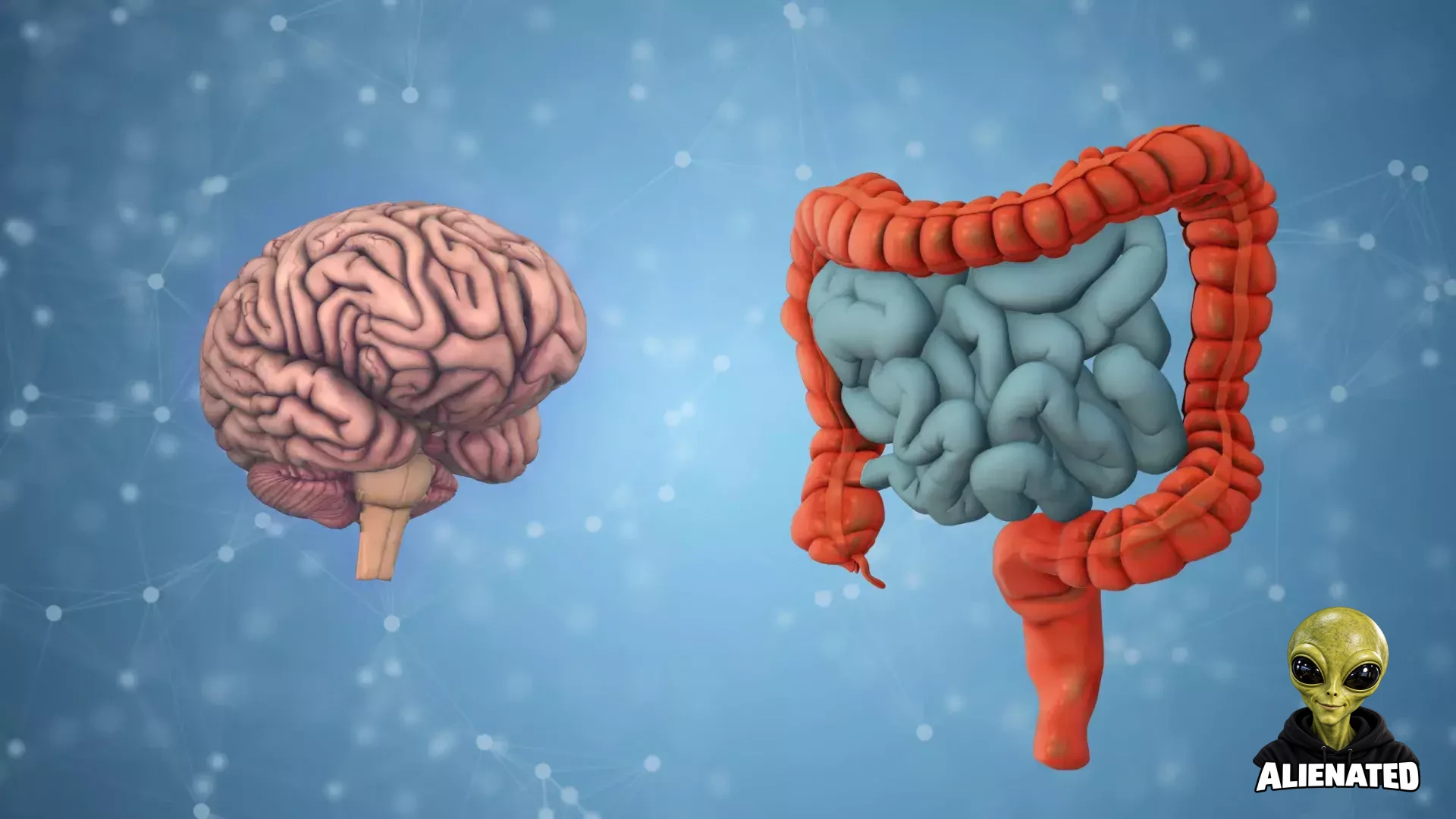
A UCLA study suggests that signs of faster brain aging may be connected to the bacteria and chemical compounds living in the gut, even in generally healthy adults. Credit: Shutterstock
According to a UCLA study reported by ScienceDaily, faster brain aging is linked to specific gut bacteria and their chemical byproducts. The research found that older-looking brains correlate with poorer focus, memory, and mood. Researchers suggest that biological markers of brain aging might manifest decades prior to obvious clinical symptoms. Consequently, these findings indicate that the gut could eventually serve as a potential target for preventive interventions.
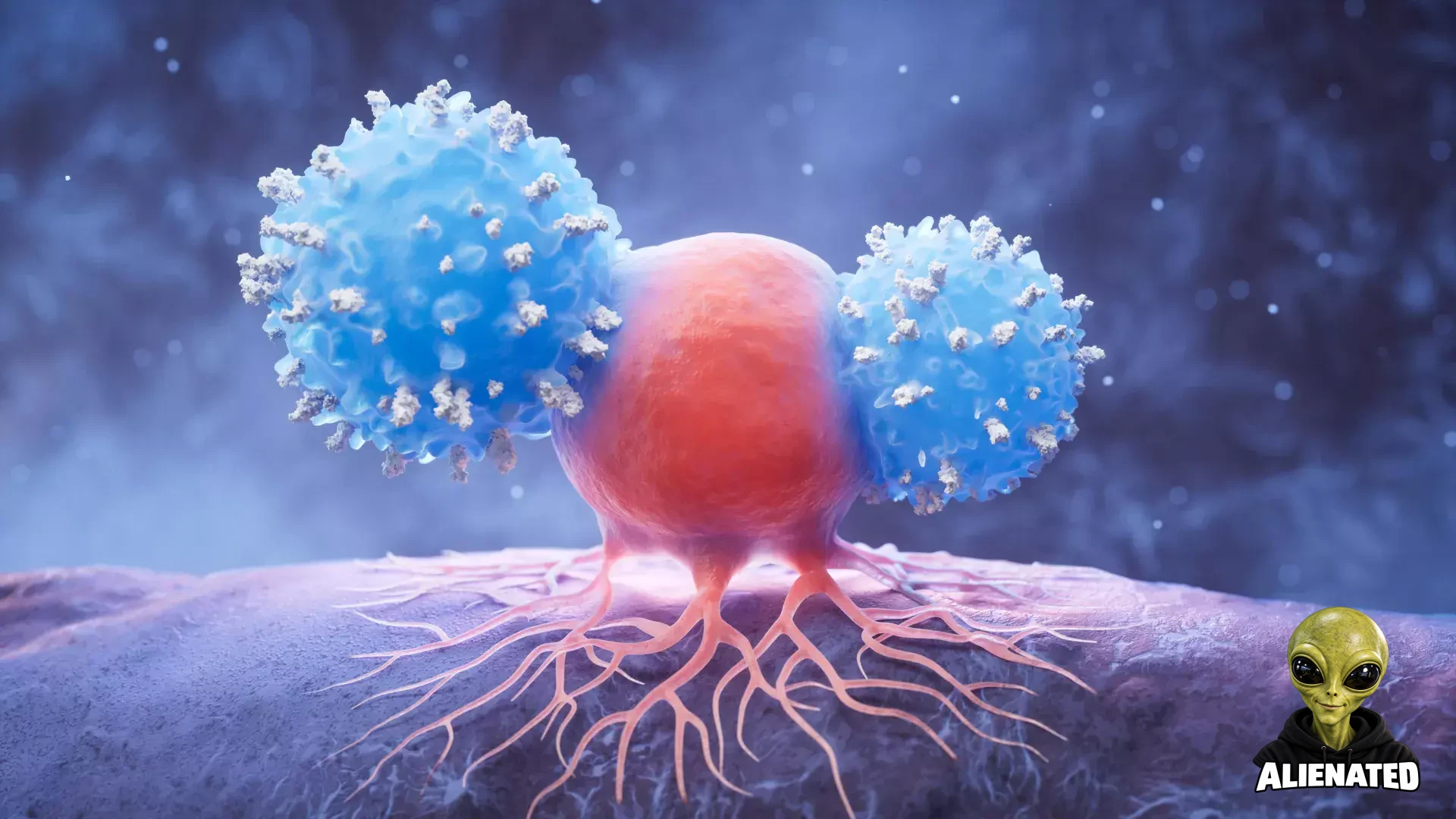
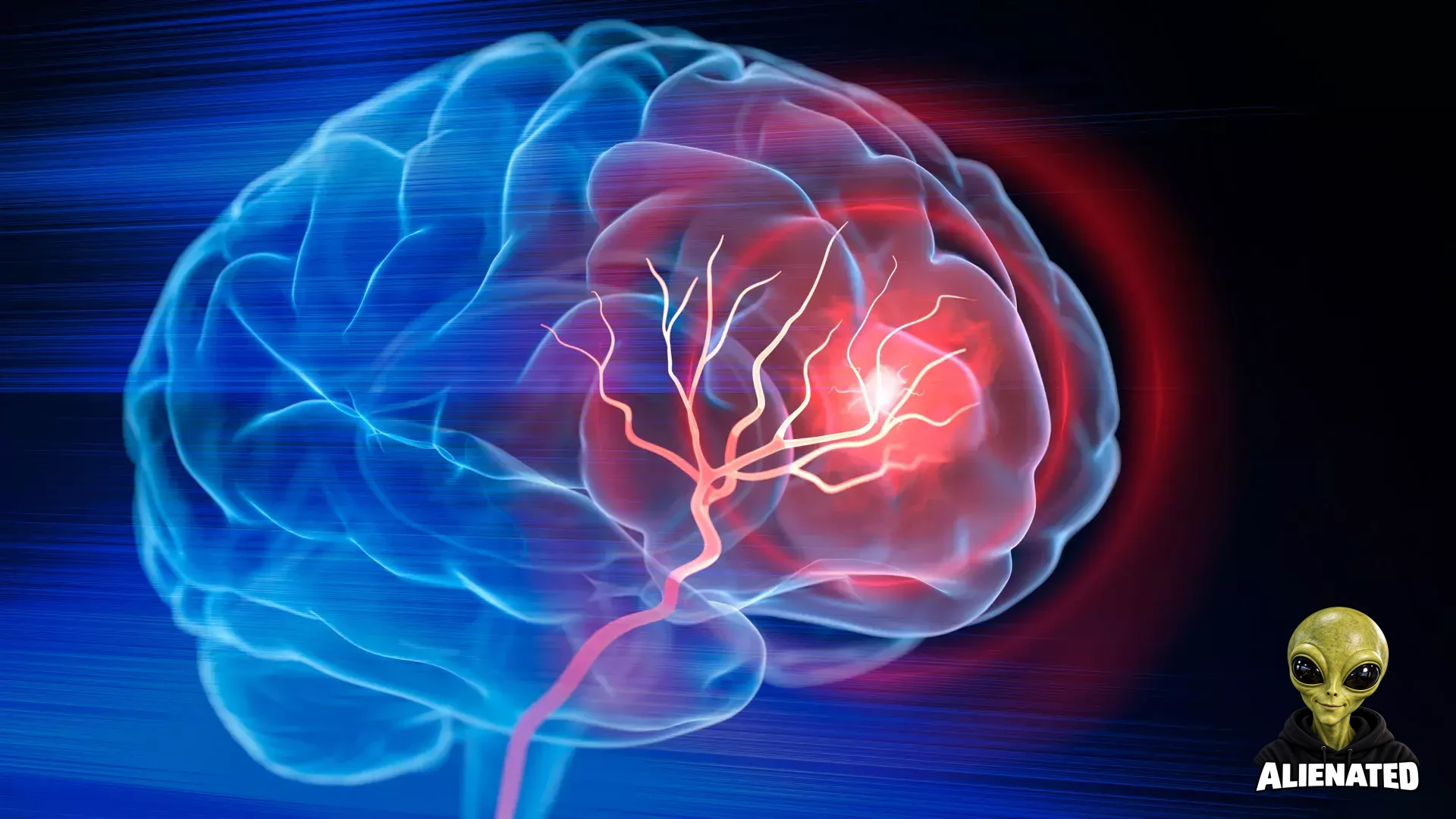
High-dose vitamin B3 may help the immune system fight deadly glioblastoma, with promising early results from a small clinical trial. Credit: Shutterstock
High-dose vitamin B3 (niacin) shows early promise when combined with standard glioblastoma treatments. In a small trial reported by ScienceDaily, 82% of patients remained progression-free after six months. Researchers hypothesize that niacin helps reactivate immune cells suppressed by this deadly brain cancer. However, scientists emphasize that larger clinical studies are necessary to fully confirm both the therapeutic benefits and safety of this approach.
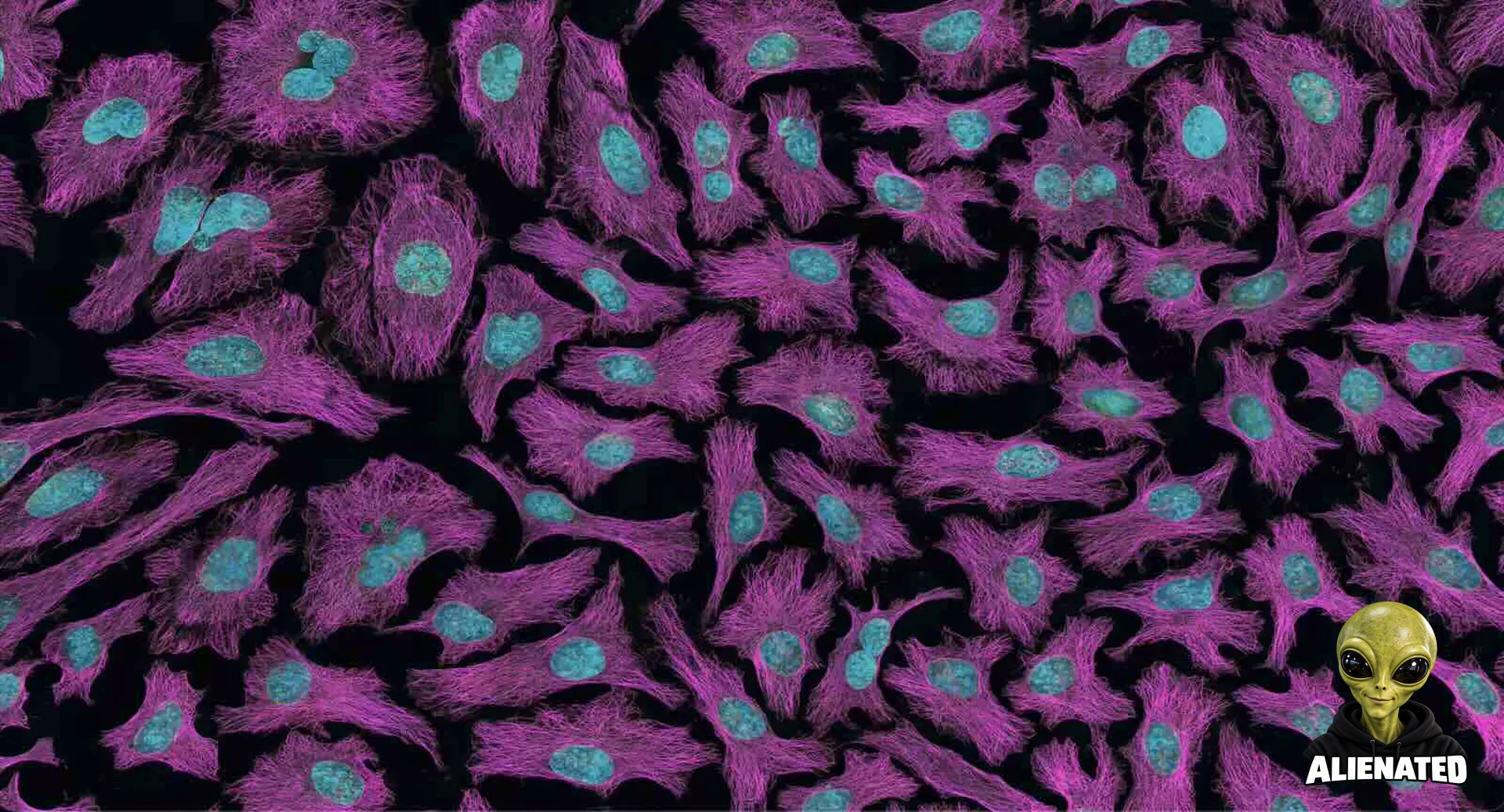
According to a study published in Nature by Memorial Sloan Kettering Cancer Center researchers, extrachromosomal DNA (ecDNA)—which drives growth in roughly one in six human cancers—possesses a built-in fragility at repetitive TA structures. The team observed that cancer cells rely on proteins FANCM and Polθ to repair these fragile points. Inhibiting Polθ with experimental drugs destabilized ecDNA across prostate, gastric, and colorectal cancer cell lines while sparing normal cells. Although Polθ inhibitors are in clinical development, researchers stress that further studies are necessary befor
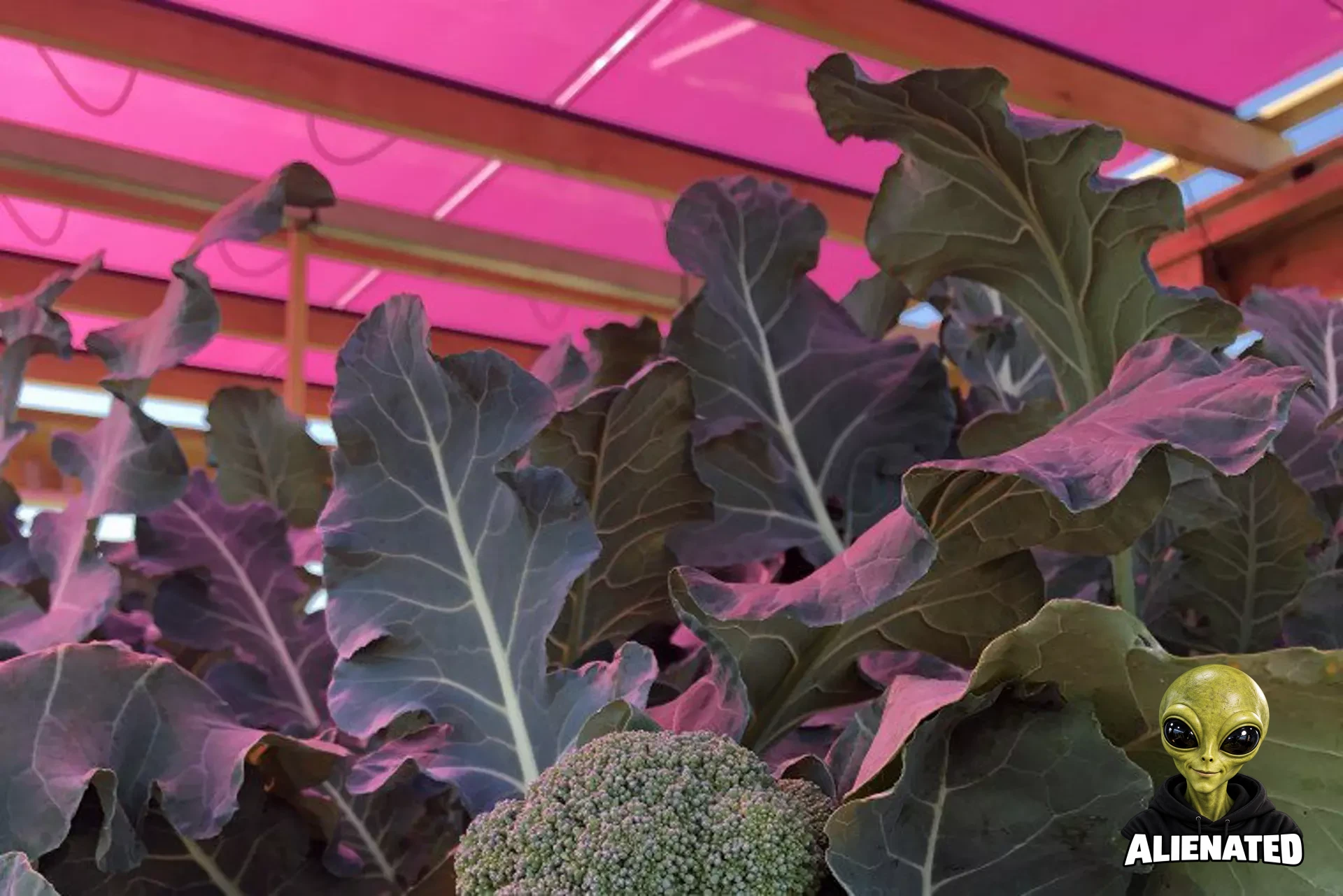
Researchers at Mälardalen University in Sweden tested semi-transparent magenta solar panels placed over broccoli crops to balance electricity generation with agricultural growth. According to lead author Silvia Ma Lu, the broccoli grown beneath the prototype panels demonstrated a 4.5-fold increase in light-use efficiency and produced crop yields similar in size to open-sunlight control plots. However, the covered plants required an additional 25 days to reach maturity. The team emphasized that these early findings reflect specific experimental conditions and require broader validation across d
Northwestern University researchers led by Dr. Sachin Patel identified specific brain neurons that escalate stress and anxiety following cannabis consumption, particularly during stressful events. In experiments with laboratory mice exposed to synthetic cannabinoids and a predator scent, researchers observed increased fear behaviors. Brain imaging revealed that cannabinoids weakened the natural brake on somatostatin neurons in the central amygdala, amplifying fear responses. The study provides a scientific mechanism for why cannabis can exacerbate anxiety in stressful conditions and suggests t
A compound made by gut bacteria may quietly raise Alzheimer’s risk and speed cognitive decline, giving scientists a promising new treatment target. Credit: Shutterstock
According to a report published by ScienceDaily, scientists have linked a gut bacterial compound known as ImP to an elevated risk of Alzheimer’s disease. The compound is associated with harmful protein buildup in the brain and faster cognitive decline. This finding highlights the potential that reducing blood levels of ImP could eventually help prevent or slow dementia progression. However, this relies on a brief excerpt, so further details regarding methodology, trial phases, and mechanisms remain unspecified.
According to NASA, the SpaceX Crew-12 mission is concluding in early October as astronauts Jessica Meir, Jack Hathaway, Sophie Adenot, and Andrey Fedyaev prepare to return from the International Space Station. During their mission, the international crew conducted microgravity research spanning pharmaceutical crystal growth, quantum science in the Cold Atom Lab, metal 3D printing, stem cell expansion, and bone regeneration studies. NASA reports these experiments aim to benefit terrestrial health therapies and support future deep space exploration, though this summary reflects selected mission
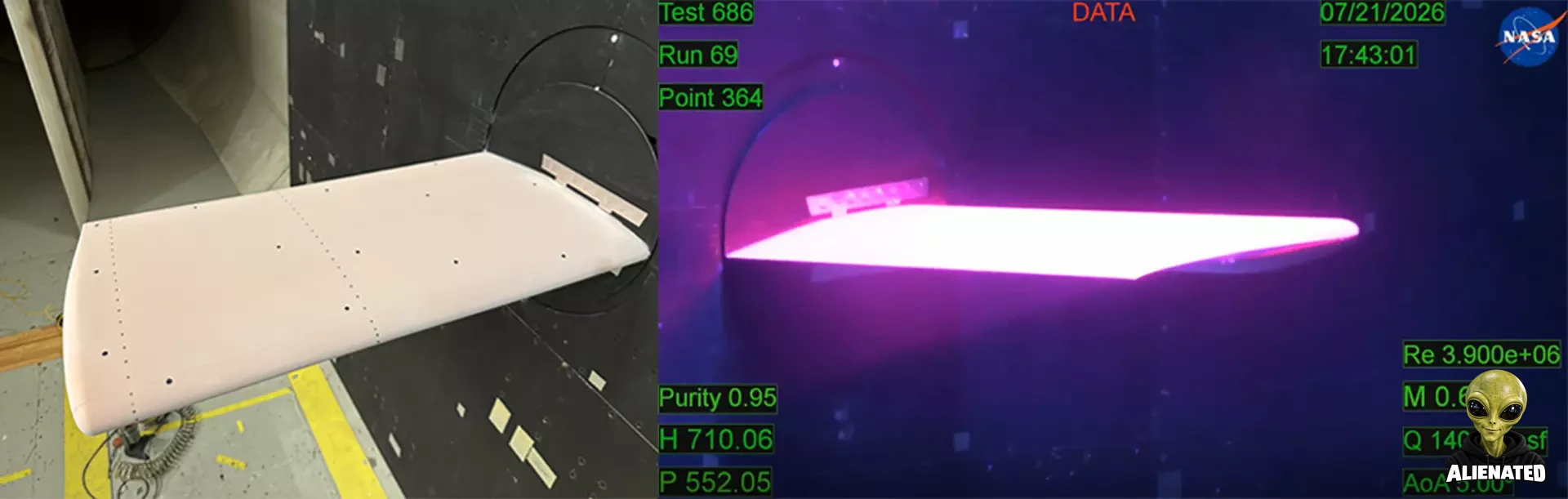
Researchers at NASA’s Langley Research Center conducted a first-of-its-kind wind tunnel test using unsteady Pressure Sensitive Paint on a Benchmark Supercritical Wing model. Tested inside the Transonic Dynamics Tunnel, the specialized coating glowed pink-purple under ultraviolet light, varying in brightness based on airflow pressure. High-speed cameras recorded these changes to enhance computer modeling for future aircraft designs. This milestone marked the technique's initial application on a large-scale, freely moving model within a low-oxygen environment, laying groundwork for testing flexi
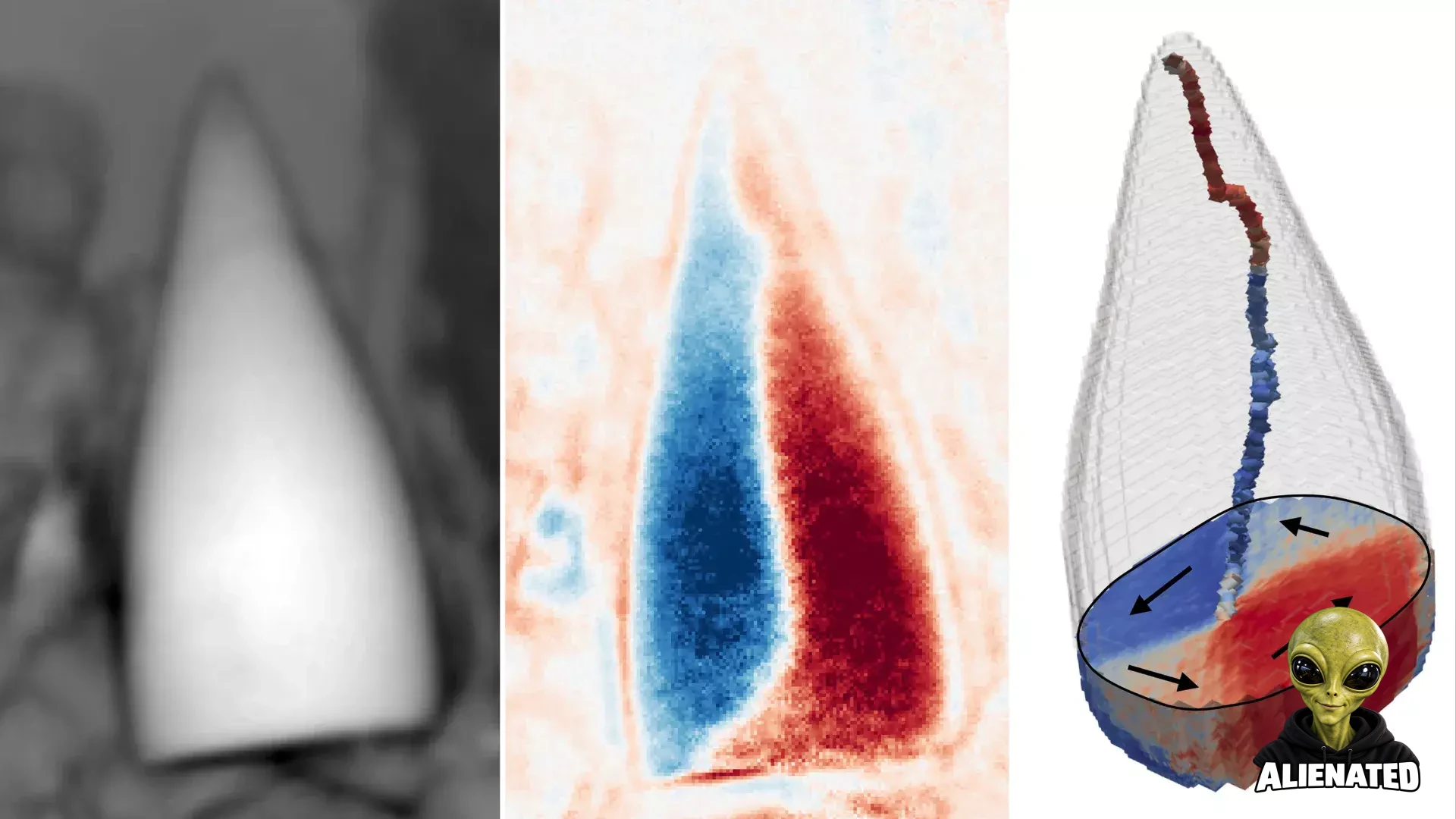
The earliest evidence of an internal ‘GPS’ system in an animal has been identified by researchers, which could help explain how modern birds and fish evolved the ability to use the Earth’s magnetic field to navigate long distances. Credit: Rich Harrison
According to a report from ScienceDaily, mysterious 97-million-year-old magnetic fossils may represent the earliest known evidence of an animal utilizing Earth's magnetic field as a natural navigation system. Researchers suggest that the sophisticated magnetic structure found in these fossils could have enabled an unidentified ocean creature to navigate thousands of kilometers with remarkable precision. However, details remain limited based on the feed excerpt alone, leaving the exact identity of the creature unconfirmed.
According to The Debrief, DARPA has released a solicitation for a self-contained radio-frequency sensing system capable of creating 3D subsurface images from aircraft flying at 40,000 feet and 460 mph. While DARPA states the program aims to detect critical minerals, the project's rapid timeline, modular design, and stand-off requirements suggest potential military reconnaissance applications. However, significant engineering challenges remain regarding high-power requirements and ground penetration, and DARPA declined to provide details beyond the public solicitation.
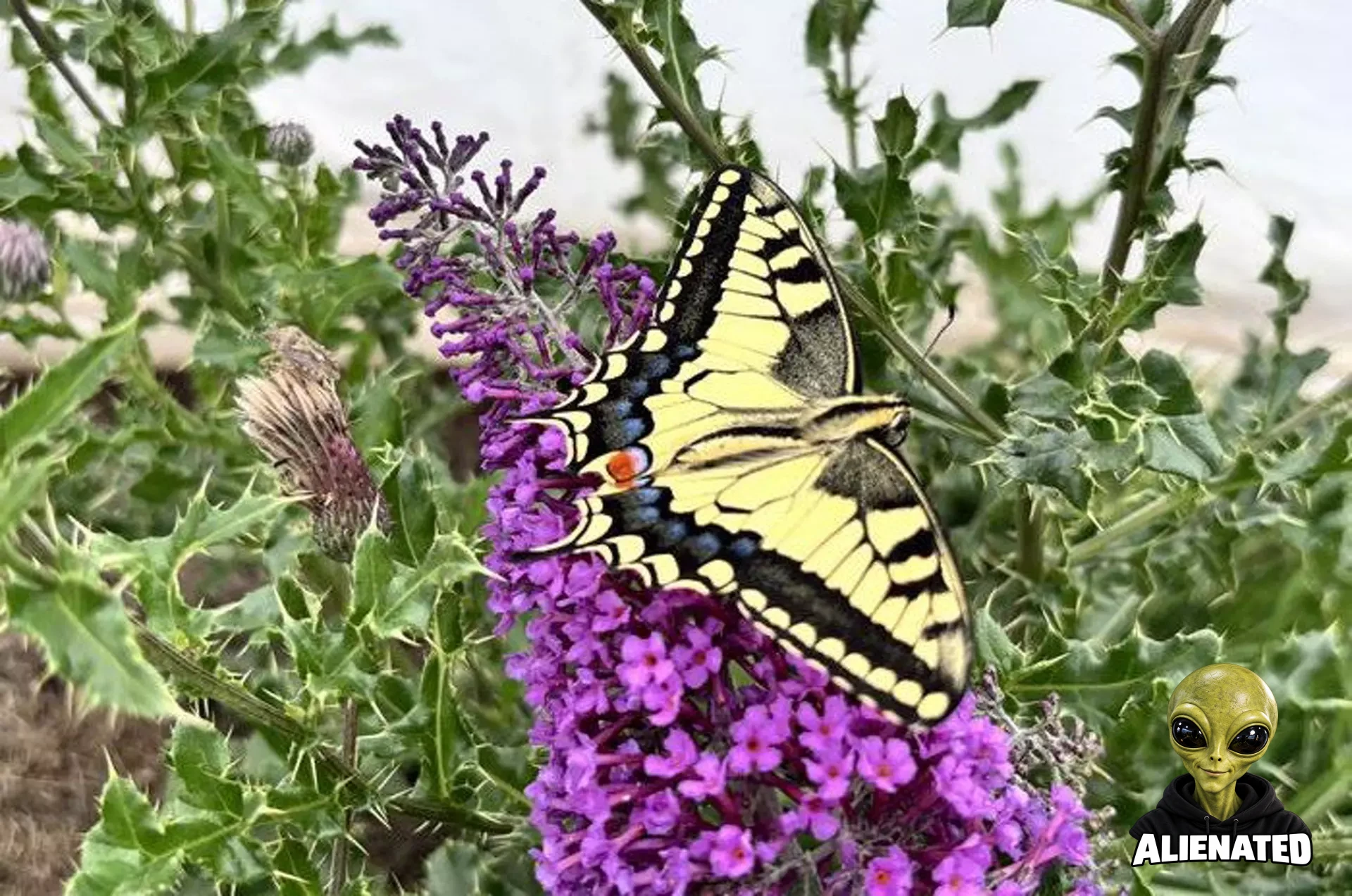
University of Exeter researchers, including Dr. Jolyon Troscianko and Dr. George Hancock, report that European butterflies use a 'barber pole' optical illusion to confuse avian predators. High-speed video combined with bird-vision computer modeling and touchscreen experiments revealed that wing deformations during flight create false motion cues, scrambling a predator's sense of direction and speed. Computer simulations evolving wing patterns converged on designs matching wild species, leading researchers to suggest motion confusion drives wing evolution. They noted similar visual mechanisms m
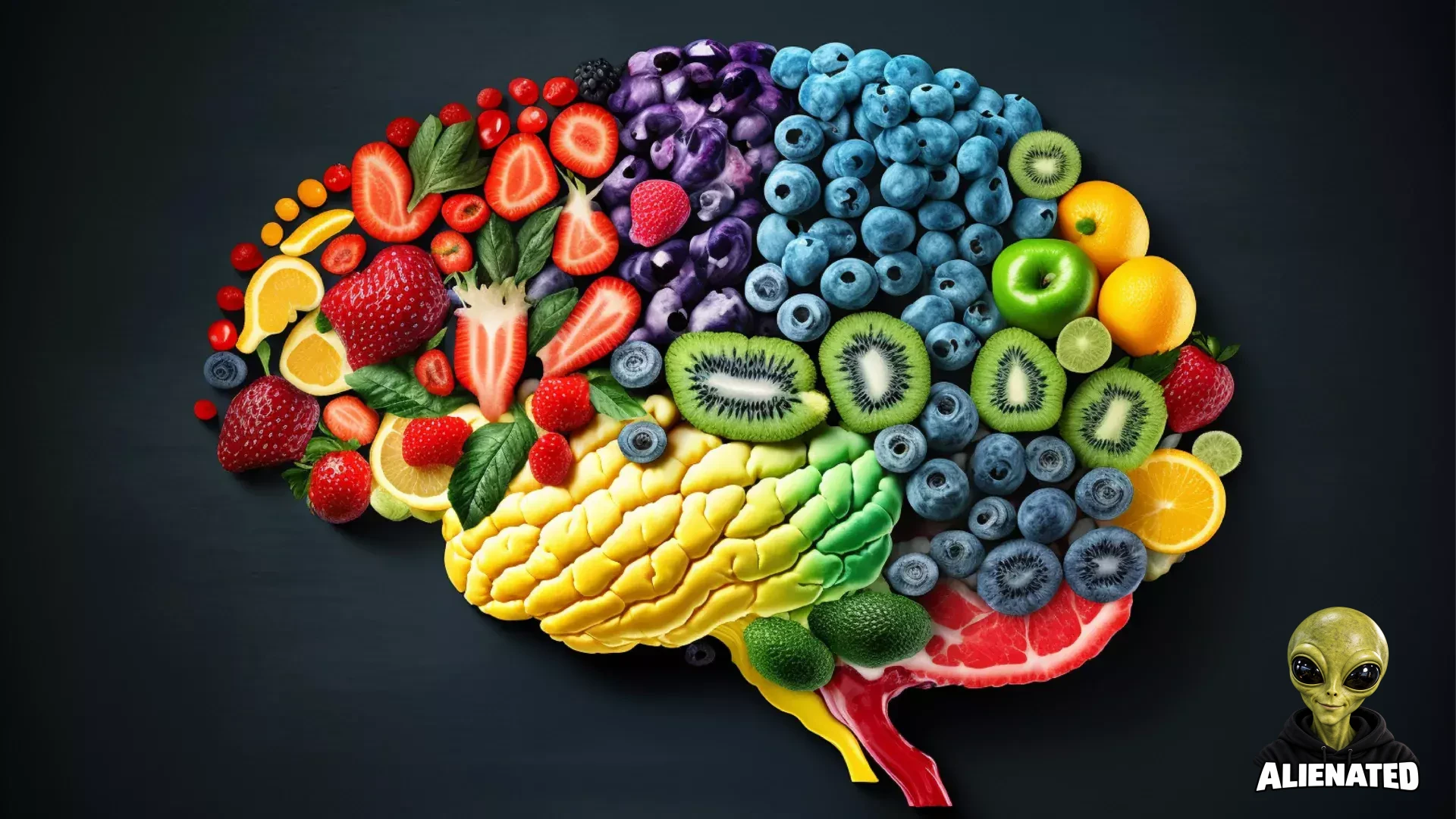
Following the MIND diet may help the brain age more slowly, according to a long-running study of more than 1,600 middle-aged and older adults. Credit: Shutterstock
According to a report published by ScienceDaily, following the MIND diet more closely was associated with slower brain shrinkage and reduced grey matter loss over time. The strongest observed differences were equivalent to delaying brain aging by approximately 2.5 years. Specific dietary components like berries and poultry were linked to healthier brain changes, whereas consuming sweets and fried fast foods correlated with greater brain tissue loss. This brief feed excerpt reflects preliminary findings and does not provide complete study methodology or prove direct causation.
A small study suggests that cutting ultra-processed foods could significantly improve depression symptoms, possibly through the gut-brain connection. Credit: Shutterstock
According to a report from ScienceDaily, a small preliminary study indicates that people with depression who dramatically cut ultra-processed foods out of their diets experienced notable improvements in their symptoms. Researchers suspect that healthier eating habits may benefit brain health partly by mitigating gut damage and reducing chronic inflammation. As this relies on a limited study and brief summary, further large-scale research is necessary to confirm these tentative findings.
According to a report from ScienceDaily, the Alzheimer's risk gene APOE4 may actively damage blood vessels in the brain and interfere with cellular systems responsible for clearing harmful proteins. In experimental settings, researchers successfully reversed some of these damaging effects. These findings highlight potential new therapeutic targets for treating neurodegenerative conditions, including Alzheimer's disease and Parkinson's disease. However, as these findings stem from initial experiments, further study is necessary to determine their efficacy in humans.
According to a review reported by ScienceDaily involving more than 265,000 individuals, cannabis use is associated with elevated rates of committing violent acts as well as becoming a victim of violence. The headline notes that cannabis users were twice as likely to commit violence. Crucially, the researchers emphasize that while the observed link between cannabis use and violent outcomes is statistically significant, the review does not prove that cannabis use directly causes violent behavior or victimization.
Researchers at Oregon State University, led by Kyriakos Stylianou, have developed a photocatalytic method using a metal-organic framework named BVR-19 to convert water into hydrogen using only sunlight. According to the team, this process operates without external power sources or expensive metallic catalysts, offering a potential clean-energy alternative to solar panels and industrial methane-steam reforming. Synthesized at room temperature in aqueous solutions, the material uses organic building blocks to capture light energy. Stylianou stated the approach provides a blueprint for designing
Researchers at The Ohio State University Comprehensive Cancer Center are conducting a clinical trial testing psilocybin-assisted therapy for depression in non-small cell lung cancer patients. The experimental intervention involves eight hours of preparatory therapy, a single controlled psilocybin dose, and integrative counseling. Although one participant reported positive preliminary improvements, full trial results are not yet available. Researchers emphasize that psilocybin treatment remains experimental and unapproved by regulators for general clinical use, requiring careful participant scr
According to a review in Frontiers in Astronomy and Space Sciences led by Jéssica Carneiro Oliveira, beneficial terrestrial fungi could help solve nutrient deficiencies in lunar and Martian regolith. The authors suggest that fungi such as Trichoderma and arbuscular mycorrhizal fungi could enhance crop growth by expanding plant root networks, mobilizing scarce nutrients, and mitigating environmental stress. However, these strategies remain theoretical and untested on actual extraterrestrial regolith, relying currently on synthetic substitutes. Future experiments using real lunar and Martian sam