An article published by Activist Post argues that a compounding series of crises—including fertilizer shortages, rising diesel costs, weather impacts from El Niño, and military conflicts in the Middle East and Black Sea regions—threatens severe global food insecurity through 2027. The piece aggregates data and statements from sources including survey platform CropGPT, the UN World Food Programme, Oxfam, USDA crop forecasts, and news reports. It projects widespread harvest reductions, rising supermarket prices, and severe agricultural distress affecting both subsistence and commercial farmers g
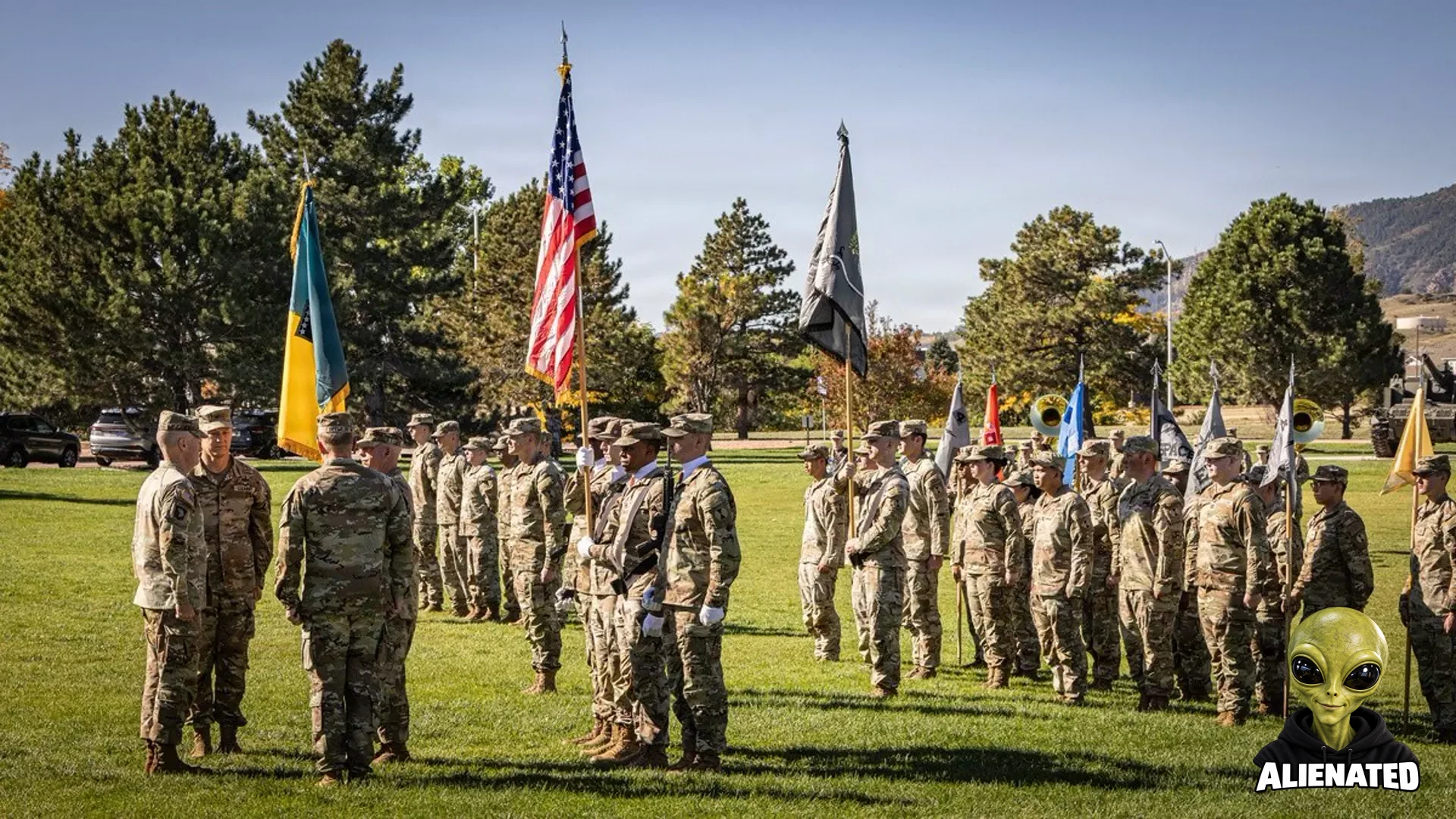
The Army stood up the 4th Multi-Domain Task Force at Fort Carson on Oct. 8, 2026. It is expected to grow to 2,100 soldiers. Army photo by Sgt. William Rogers. Army photo by Sgt. William Rogers.
The U.S. Army activated its fourth Multi-Domain Task Force at Fort Carson, Colorado, on October 8 as part of an ongoing force restructuring. Comprising 2,100 soldiers across four planned battalions, the unit integrates long-range precision fires—including hypersonic missiles and High Mobility Artillery Rocket Systems—with cyber warfare, signal intelligence, air defense, and sustainment capabilities. According to the Army, the unit is focused on the Pacific theater and will report to the 7th Infantry Division Multi-Domain Command – Pacific. A fifth task force is planned by 2028.
In an article by Stephen Silver, the author traces George Washington’s 1790 maxim on war preparation to Theodore Roosevelt’s July 1897 speech at the Naval War College, where Roosevelt adapted it to state that preparing for war guarantees peace. Silver highlights how Roosevelt advocated for a strong naval fleet over arbitration treaties, serving with the Rough Riders before becoming president in 1901. Citing sources including a Theodore Roosevelt Association biography, the text details Roosevelt's military, environmental, and diplomatic legacy.
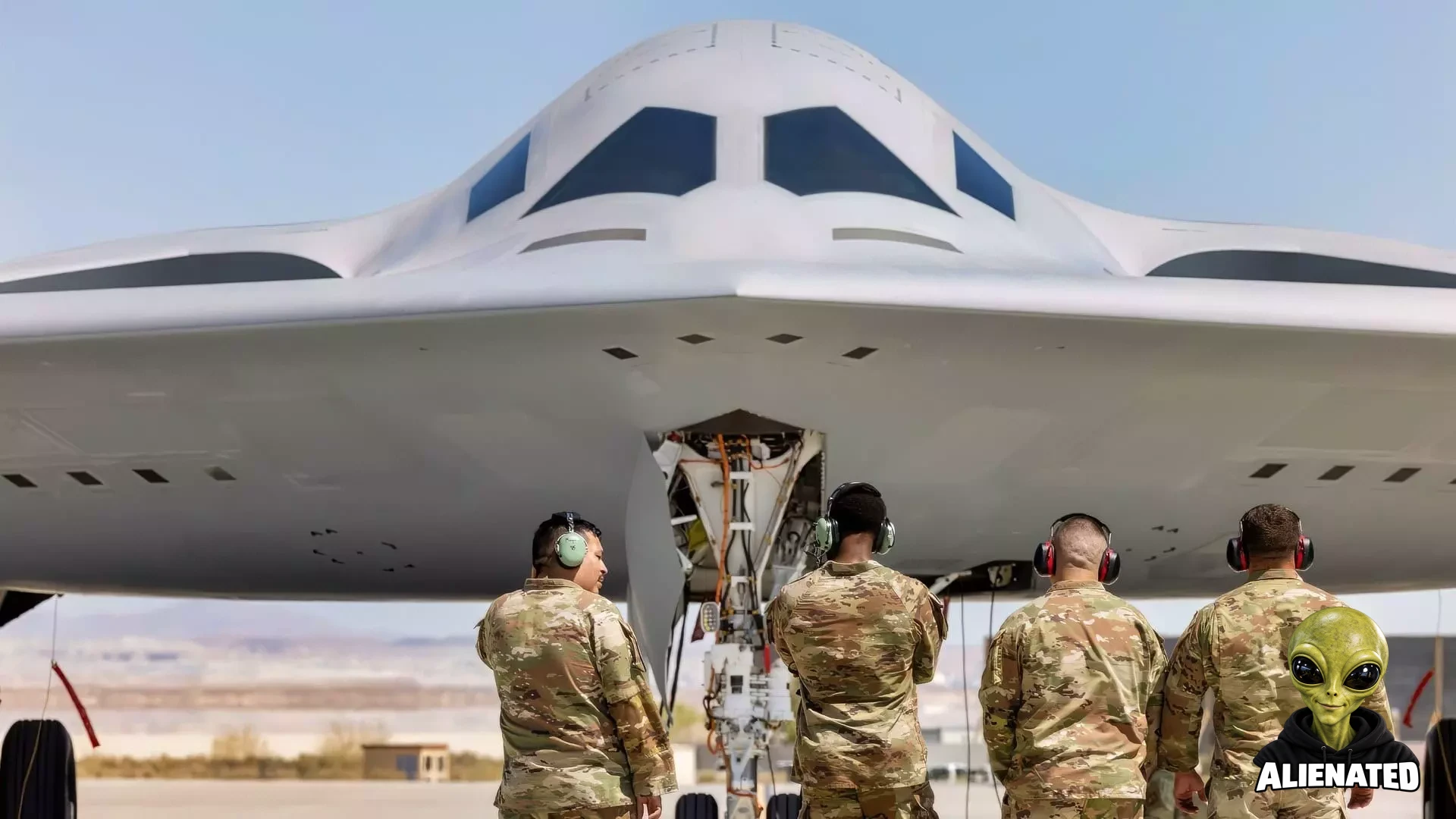
According to 19FortyFive, Northrop Grumman and the U.S. Air Force expanded the B-21 Raider production complex in California to accelerate manufacturing ahead of planned operational service in 2027. Backed by $7 billion in combined government funding and corporate investment, the program currently involves two flight-test aircraft in low-rate initial production. While the Air Force officially plans to procure 100 stealth bombers at roughly $700 million each to replace aging fleets, author Brandon J. Weichert highlights debate over whether a 300-aircraft fleet is necessary or cost-effective agai
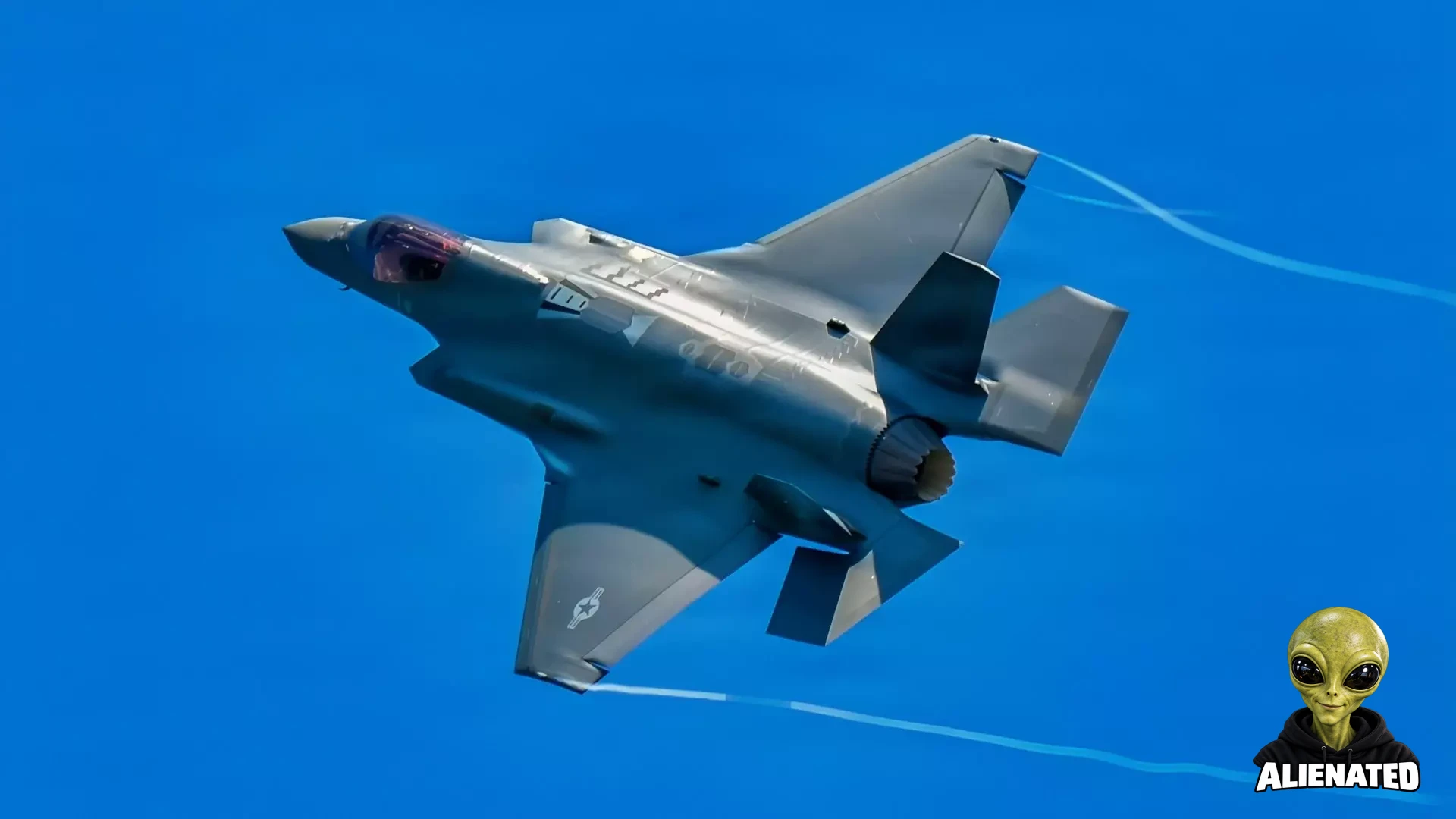
In an analysis for 19FortyFive, Harrison Kass examines a Red Flag 2017 air combat exercise where the F-35 stealth fighter achieved a reported 20-to-1 kill ratio. Despite this dominance in beyond-visual-range combat, aggressor F-16 pilots scored simulated kills by using numerical swarms and multi-axis attacks. This tactic forced the F-35 to exhaust its internal four-missile payload and engage in close-range dogfights where stealth advantages diminish. Kass notes these simulated engagements highlight the limitations of finite missile capacity against saturation tactics, supporting the developmen
Stephen Silver reviews General George Patton’s famous maxim, "A pint of sweat will save a gallon of blood," delivered to the Third Army prior to D-Day in 1944. Citing historians James Holland and Alex Kershaw, the article emphasizes Patton's focus on methodical operational planning and preparation, countering popular cinematic depictions of him as merely an impetuous hothead. Operations such as the capture of Metz and the relief of Bastogne during the Battle of the Bulge demonstrate how Patton's foresight and strategic discipline significantly contributed to Allied victories.
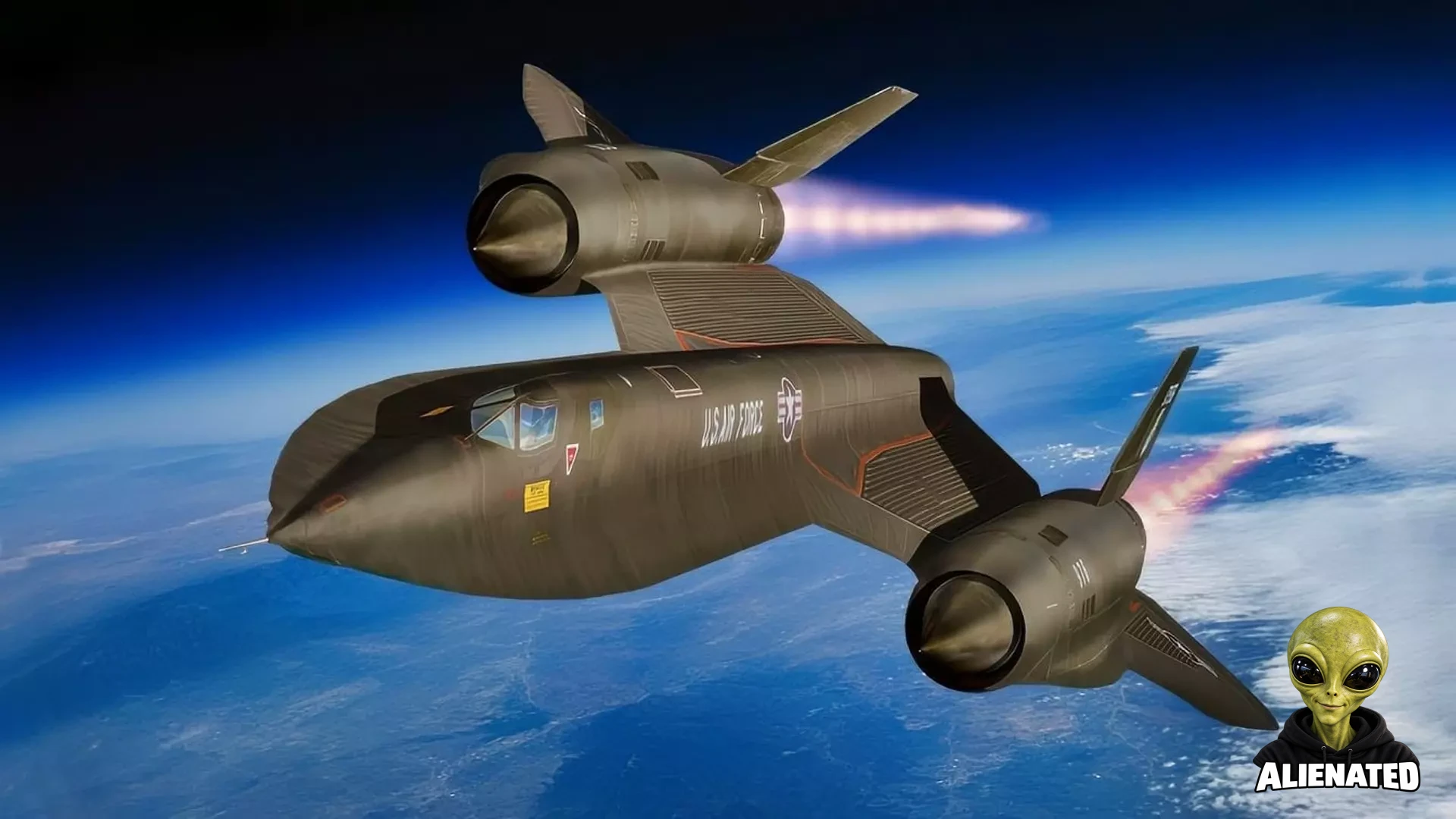
Expert Steve Balestrieri argues that the Pratt & Whitney J58 engine, rather than the airframe, made Lockheed's SR-71 Blackbird the fastest air-breathing manned jet. At Mach 3.2 cruise, approximately 80 percent of total thrust was generated by the movable inlet and ejector nozzle, with the engine functioning like a turbo-ramjet. The J58 continuously operated in full afterburner, consuming roughly 8,000 gallons of specialized JP-7 fuel hourly with exhaust temperatures reaching nearly 3,400°F. High maintenance demands and operational expenses, estimated at $200,000 per flight hour, led to the air
According to defense analyst Isaac Seitz writing for 19FortyFive, a Canadian Oberon-class diesel submarine successfully slipped past protective escorts to simulate a torpedo attack on the USS Dwight D. Eisenhower during NATO's 1981 Ocean Venture exercise. Operating silently on battery power, the submarine prompted a U.S. Navy umpire to declare the supercarrier "sunk." Seitz notes that around eight similar exercise sinkings took place between 1972 and 2005, illustrating that quiet diesel-electric submarines present a persistent tactical threat to carrier strike groups despite advancements in an
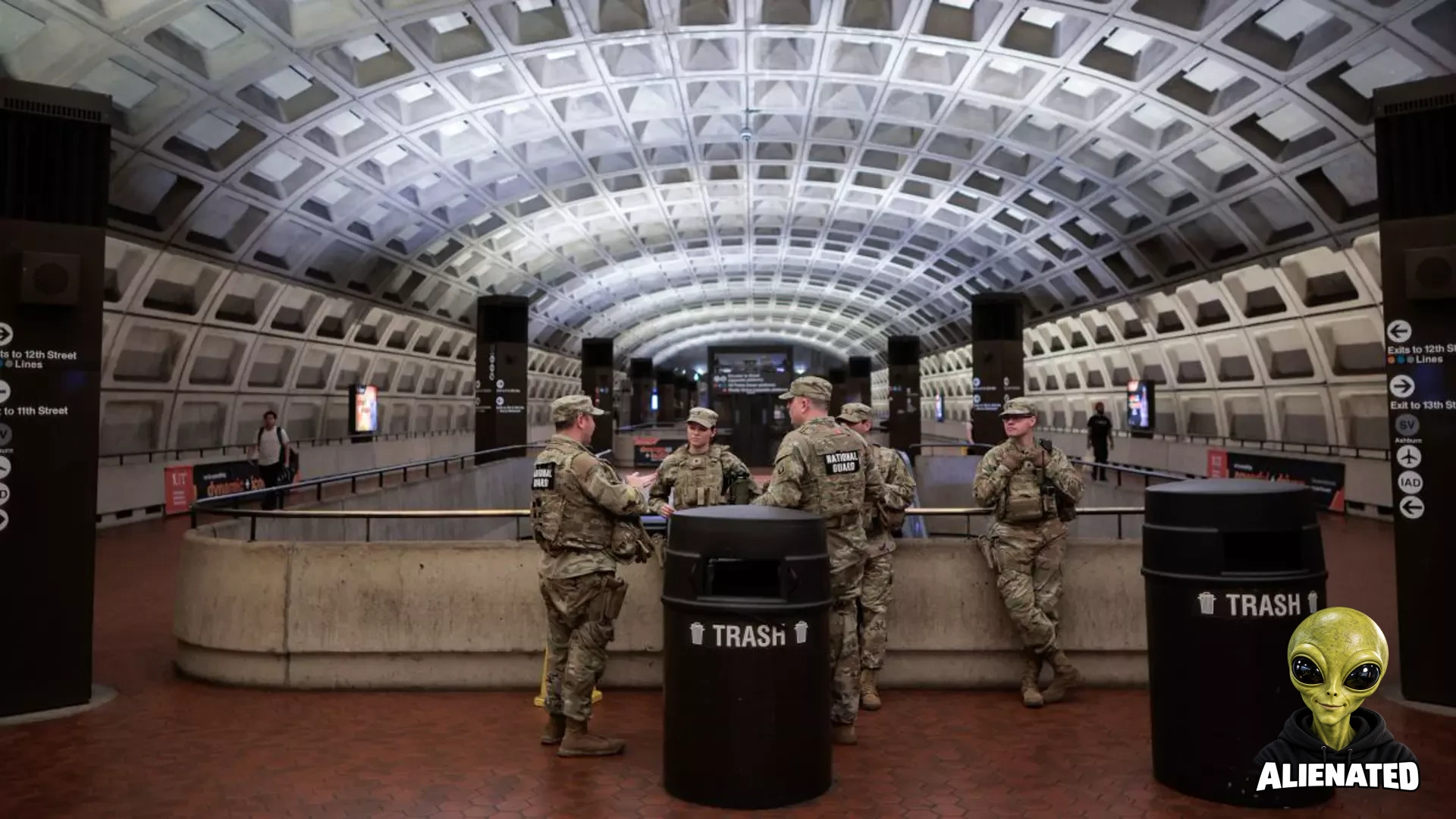
National Guard soldiers patrol a Metro station in Washington, D.C. on May 16, 2026. Photo by Chip Somodevilla via Getty Images. Photo by Chip Somodevilla via Getty Images.
The District of Columbia’s Board of Elections requested that the National Guard restrict service members from standing near voting locations after photos surfaced showing troops stationed near a Foggy Bottom ballot drop box. The Council of the District of Columbia called the troop presence unacceptable, noting federal law prohibits armed military or federal law enforcement at polling places. Joint Task Force-District of Columbia stated it is actively addressing the incident, clarifying that deployed personnel are explicitly directed not to monitor or secure polling sites while conducting their
According to Spaceflight Now, SpaceX is preparing for a rescheduled Falcon 9 launch from Vandenberg Space Force Base to deploy 21 Space Development Agency data satellites. The attempt follows an auto-abort 58 seconds before a previous launch window, after which the rocket was lowered for troubleshooting. Designated Tranche 1 Transport Layer A, the mission is part of the military’s Proliferated Warfighter Space Architecture constellation intended for missile tracking and secure communications. The Northrop Grumman-manufactured satellites are projected to begin operational service in 2027.
Newly released National Security Agency FOIA records obtained by The Black Vault detail a 1992 Pentagon effort to examine Cold War reconnaissance aircraft losses and 131 unaccounted-for servicemen. A June 1992 memorandum indicates officials questioned whether official U.S. explanations for certain losses differed from what actually occurred, aiming to deliver an accurate assessment regarding missing personnel who might have fallen into foreign custody. However, the released records do not prove servicemen survived in foreign custody or that official explanations were false. Certain portions of
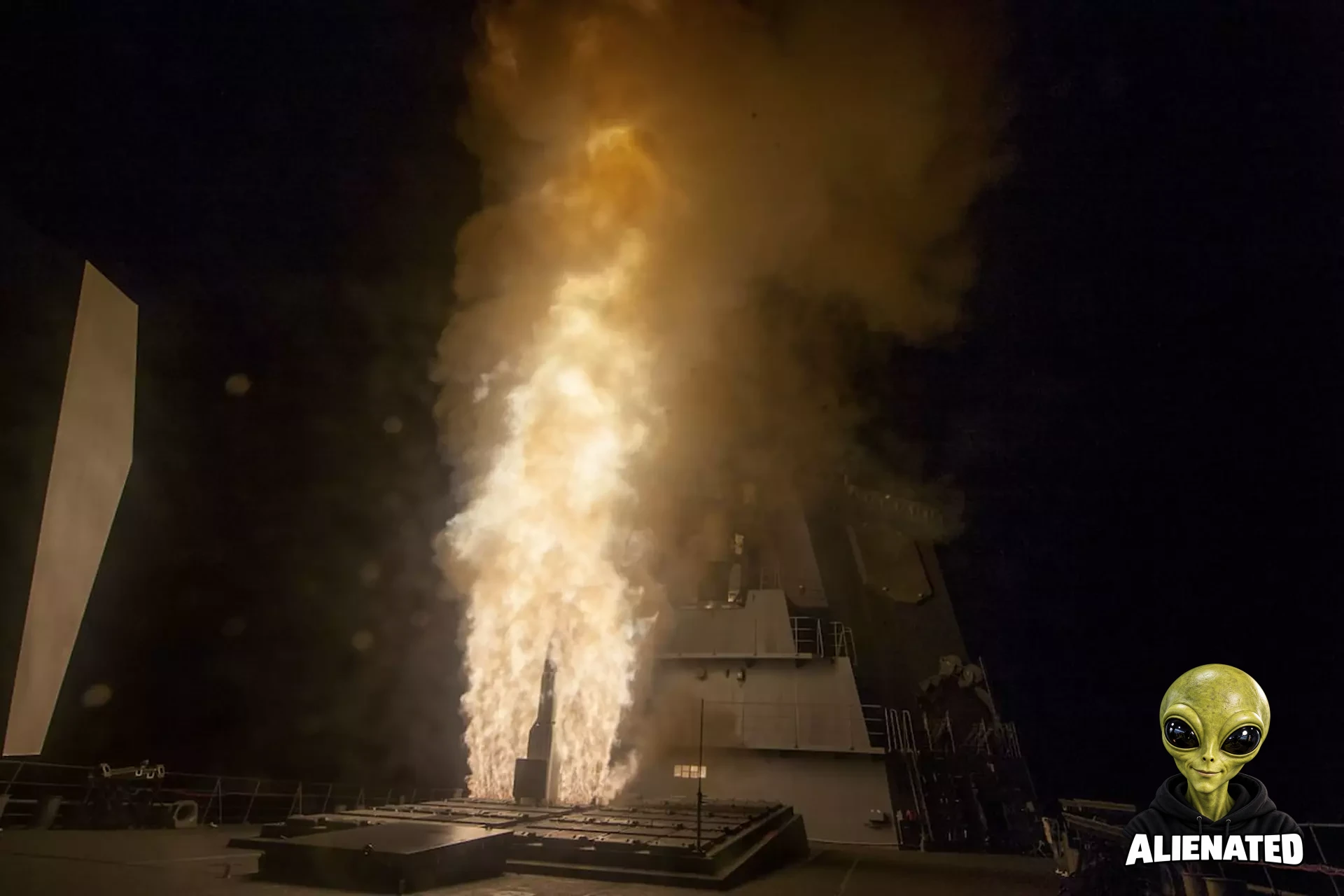
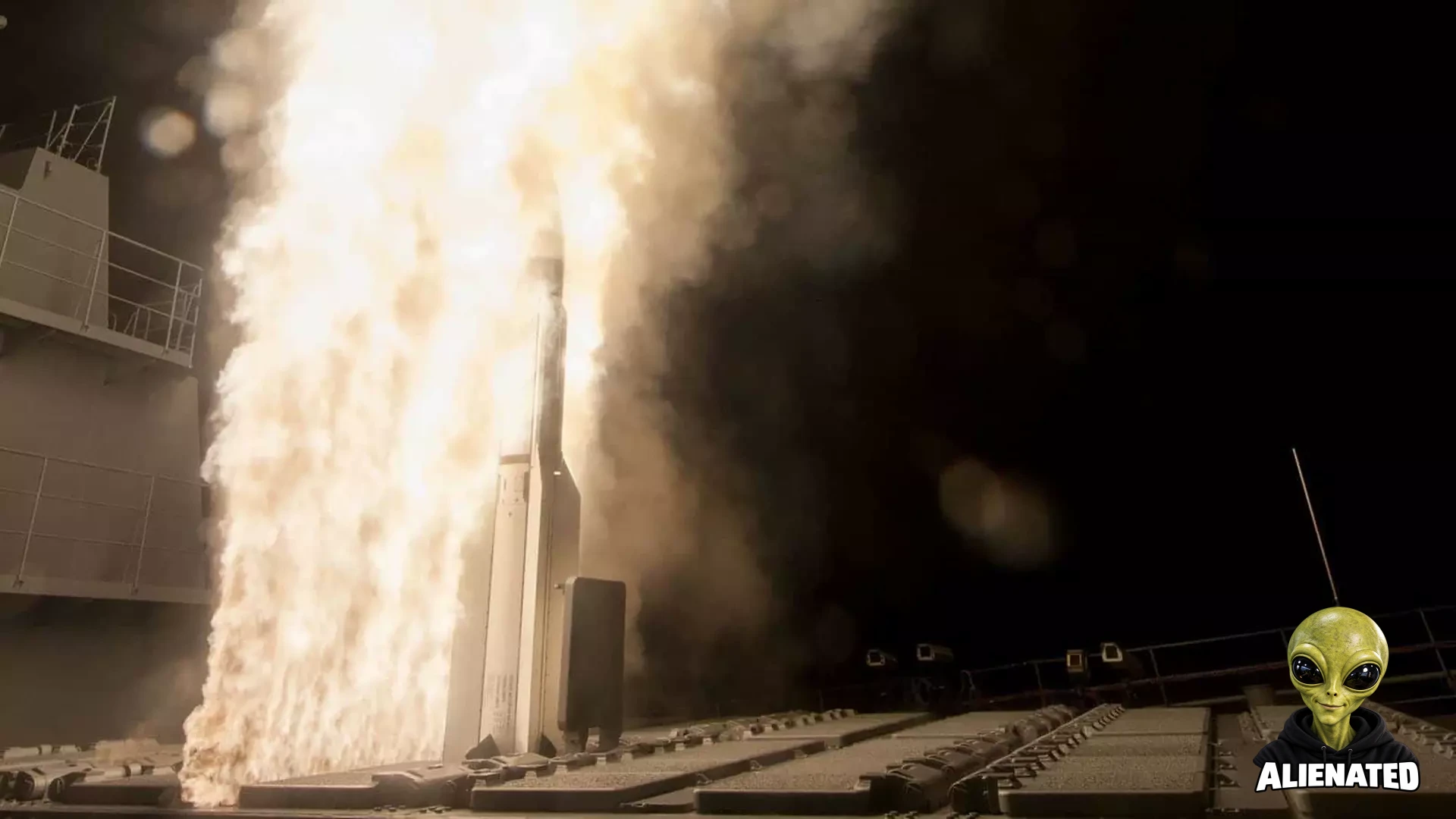
The Pentagon signed a five-year, $6.3 billion contract with Raytheon to produce Standard Missile-3 (SM-3) Block IB interceptors, including options for two additional years. According to Raytheon, the deal aims to replenish military stockpiles following the weapon's initial combat use in 2024 against Iranian missiles. The SM-3 Block IB uses kinetic force rather than explosives to neutralize short- and intermediate-range ballistic missiles. Reports from the Center for Strategic and International Studies and defense analysts warned that high usage rates during recent conflicts pose ongoing strate
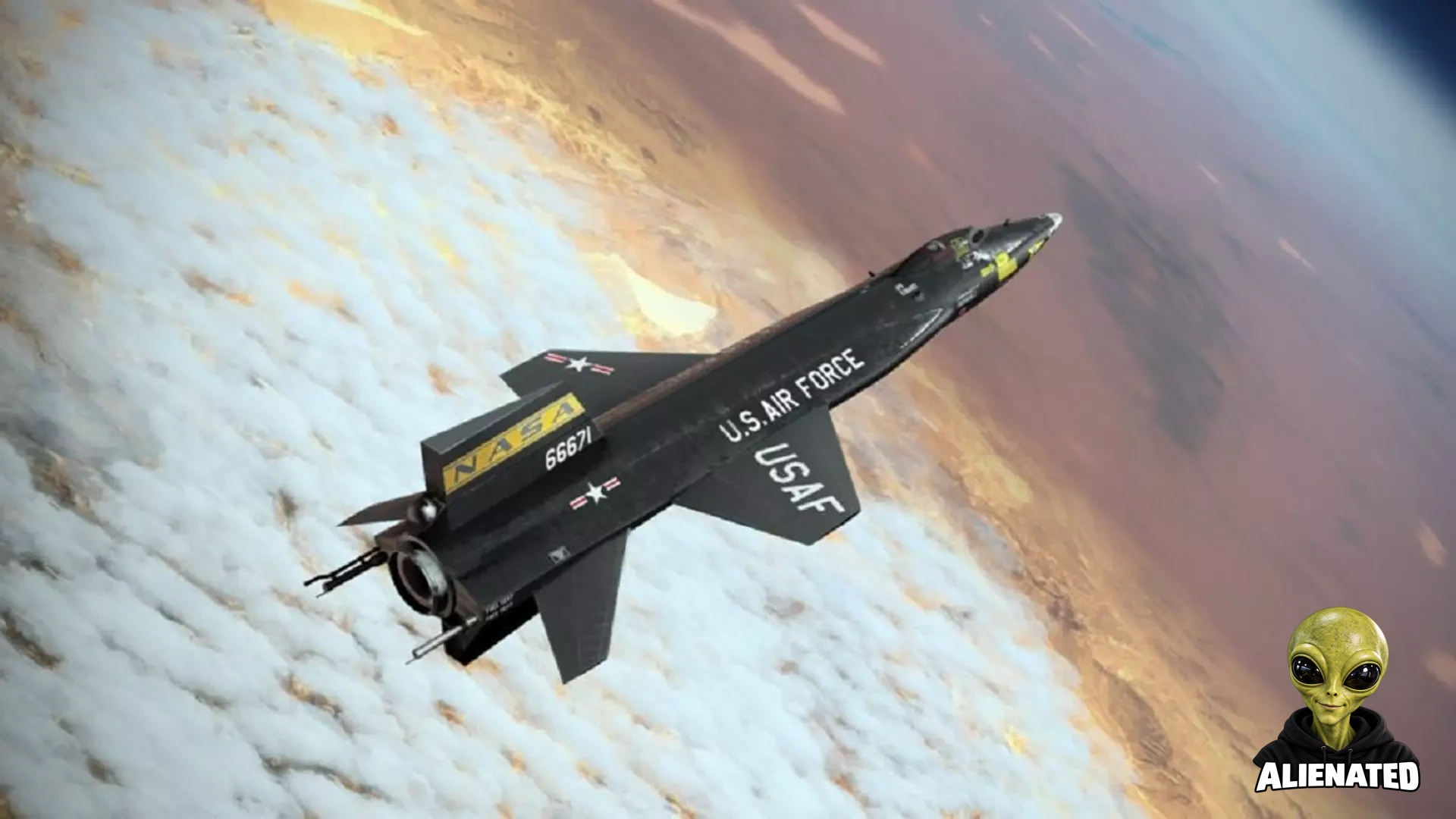
On October 3, 1967, U.S. Air Force test pilot Pete Knight piloted the rocket-powered X-15A2 to Mach 6.7 (4,520 mph) at an altitude of 102,000 feet, setting a record for the fastest manned winged aircraft flight. Released from a B-52 over California, the flight tested hypersonic aerodynamics and heat-resistant materials. During the mission, extreme shockwaves melted an attached dummy ramjet, and a system malfunction forced Knight to land heavily loaded with volatile propellant. The aircraft now resides in the National Museum of the U.S. Air Force.
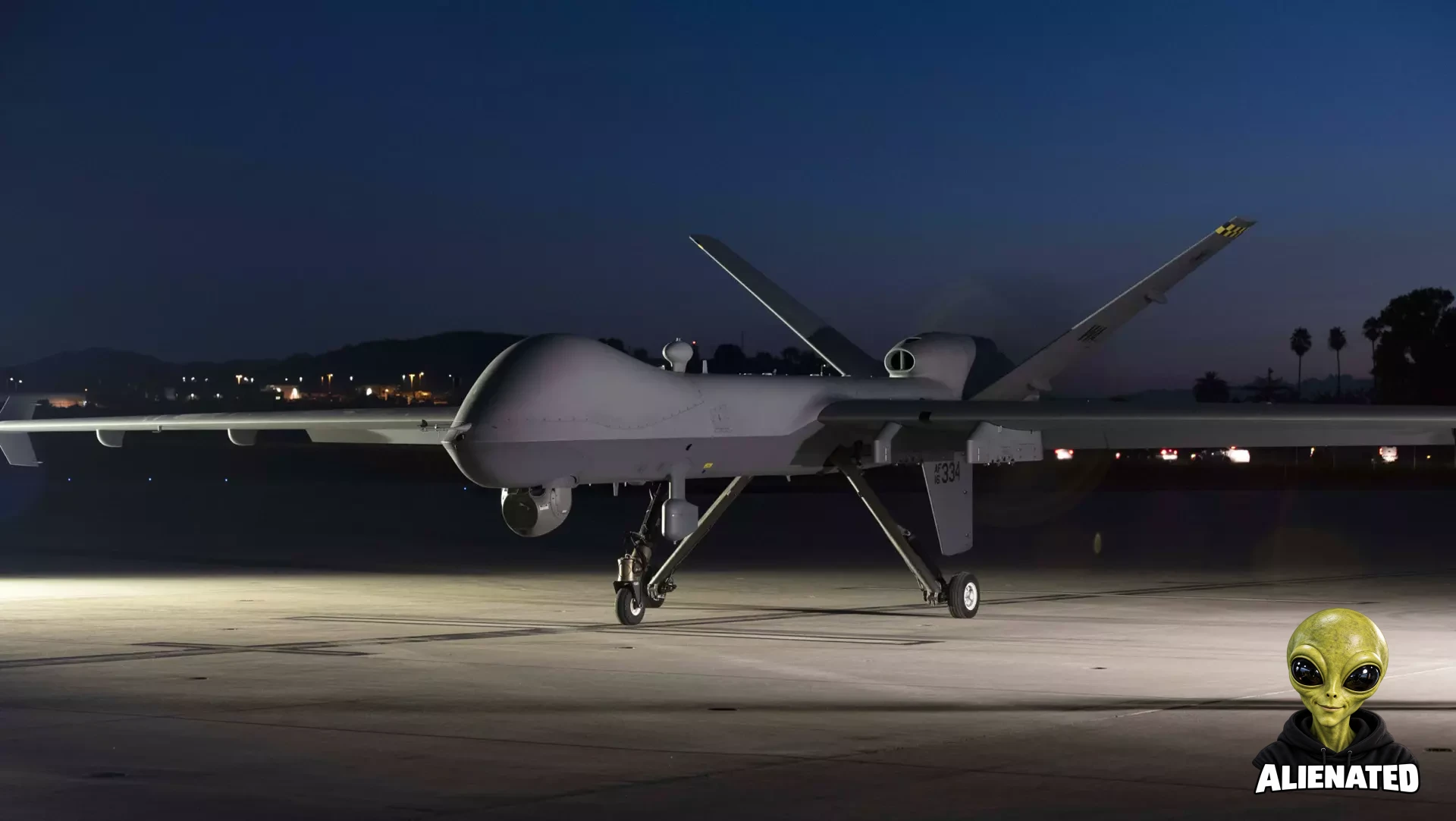
The U.S. Coast Guard announced the purchase of four MQ-9B long-range unmanned aircraft systems, ground control stations and supporting equipment through a U.S. Customs and Border Protection contract. (Coast Guard)
According to Breaking Defense, the U.S. Coast Guard has placed a $248 million order for its first MQ-9B drones. A senior official stated that these unarmed drones are intended to provide Coast Guard crews with an expanded, longer-range view of the maritime domain. The brief report highlights this procurement aimed at enhancing maritime surveillance capabilities. However, specific operational timelines, deployment strategies, and the exact quantity of drone units ordered remain unstated in the provided excerpt.
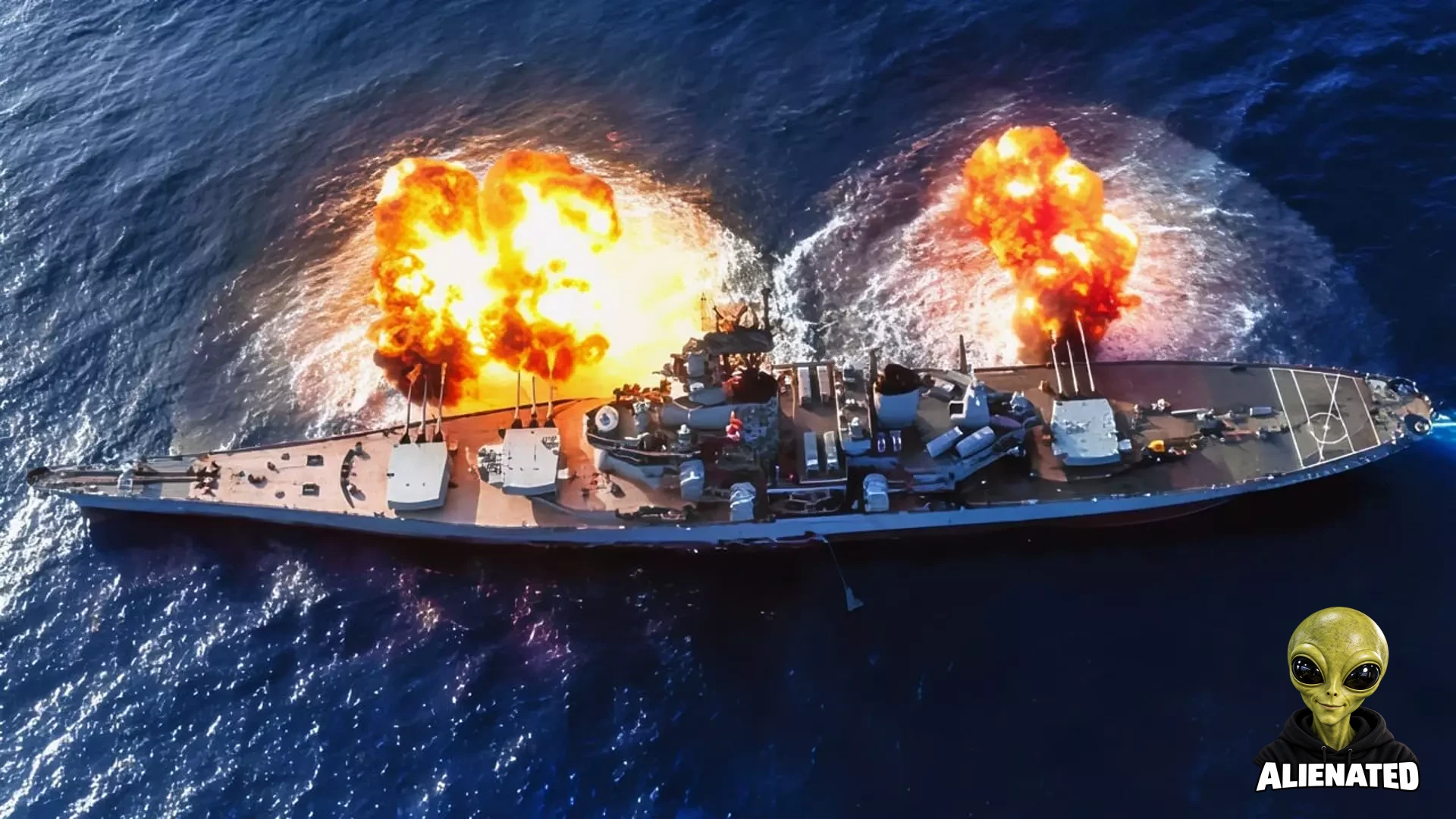
According to Senior Defense Editor Christian D. Orr writing for 19FortyFive, the U.S. Navy modernized its 57,500-ton Iowa-class battleships during the 1980s with advanced modern weaponry. Upgrades included four Phalanx Close-In Weapon Systems, 16 RGM-84 Harpoon anti-ship missiles, and 32 BGM-109 Tomahawk land-attack cruise missiles. During Operation Desert Storm in 1991, the USS Missouri and USS Wisconsin launched a combined 52 Tomahawks alongside their 16-inch guns against Iraqi forces, marking the final instances of battleships firing in combat before transitioning to floating museums.
In an analysis for 19FortyFive, expert Harry J. Kazianis applies Lanchester’s 1916 square law to argue that China’s rapid production of J-20 and J-35A stealth fighters poses a major challenge to the U.S. military. While U.S. aircraft like the F-22 and F-35 maintain superior technology, open-source estimates suggest China’s Chengdu plant could produce 100 to 120 J-20s annually, projecting a 1,000-jet stealth fleet by 2030. Analysts emphasize that Chinese output capacity remains unverified, but growing production physical footprints suggest numerical mass could counter qualitative advantages.
Officials at Fort Bragg and privatized housing company Corvias have completed renovations on the first of 21 historic homes, built between 1928 and 1939, for military families. Fort Bragg contains 230 pre-1940 historic homes, while the U.S. Army manages over 30,000 historic residences nationwide under the National Historic Preservation Act. According to officials, maintaining these aging residences involves higher costs and challenges such as lead paint and asbestos remediation. Preparing historic homes between occupants averages $4,342 and 18 days.
In an article by journalist Caleb Larson, the Royal Australian Navy's Collins-class diesel-electric submarine HMAS Waller successfully penetrated protective screens and photographed the aircraft carrier USS Abraham Lincoln within simulated torpedo range during early-2000s naval exercises. The submarine evaded forces from six nations under controlled exercise conditions, though naval sources cautioned that simulated successes do not reliably predict real-world combat performance. Australia subsequently canceled a submarine contract with France to pursue nuclear-powered submarines under the AUKU
To survive friction heat exceeding 500 degrees Fahrenheit at Mach 3.2, the USAF SR-71 Blackbird required an airframe composed of 85 to 90 percent B-120 beta titanium alloy. Lacking sufficient domestic high-grade ore, the CIA covertly procured raw Soviet titanium—much of it originating in Soviet Ukraine—using front companies in neutral countries. The ore was refined in the United States by Titanium Metals Corporation. Lockheed's Skunk Works overcame complex metallurgical hurdles to build 32 jets costing $34 million each, before high operational expenses eventually drove the fleet's retirement.
According to a press release reported by Naval News, Raytheon has been awarded a multi-year contract valued at up to $6.3 billion for the production and sustainment of Standard Missile-3 Block IB (SM-3 IB) interceptors. The five-year agreement, which includes two option years, aims to replenish missile defense inventories following recent combat use. Raytheon President Phil Jasper emphasized increasing production capabilities, with manufacturing primarily set for Tucson, Arizona, and Huntsville, Alabama.