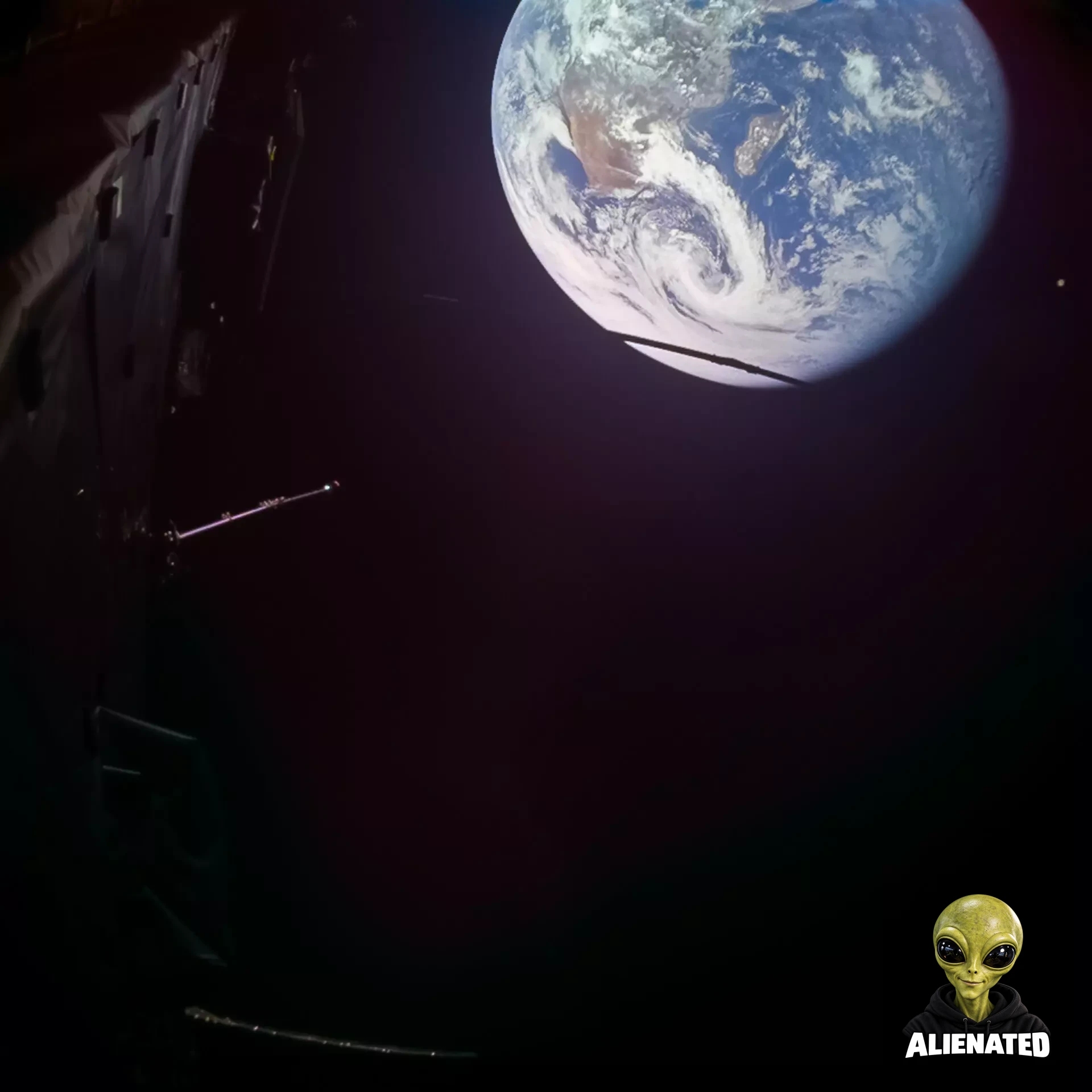
NASA is promoting its free, on-demand streaming platform, NASA+, which offers documentaries, live launch coverage, original series, and educational content without requiring a subscription. The platform highlights several featured titles focused on space exploration and Earth science, including documentary series like "Cosmic Dawn," "Planetary Defenders," "Other Worlds: Europa," and "Our Alien Earth." Additionally, NASA features content produced by the Jet Propulsion Laboratory and the Scientific Visualization Studio, which utilizes agency data to create animations, images, and visualizations
According to The Debrief, China plans to complete an AI-powered geological map of Mars by 2028 to support its Tianwen-3 robotic sample-return mission. Project chief scientist Hou Zengqian stated the mapping effort is essential for the mission, which aims to launch in 2028 and deliver Martian soil to Earth by 2031. The project relies on China's Tianwen-1 data alongside U.S. and European datasets. If successful on this timetable, China could become the first nation to return Mars samples, while NASA's parallel efforts face delays and redesigns.
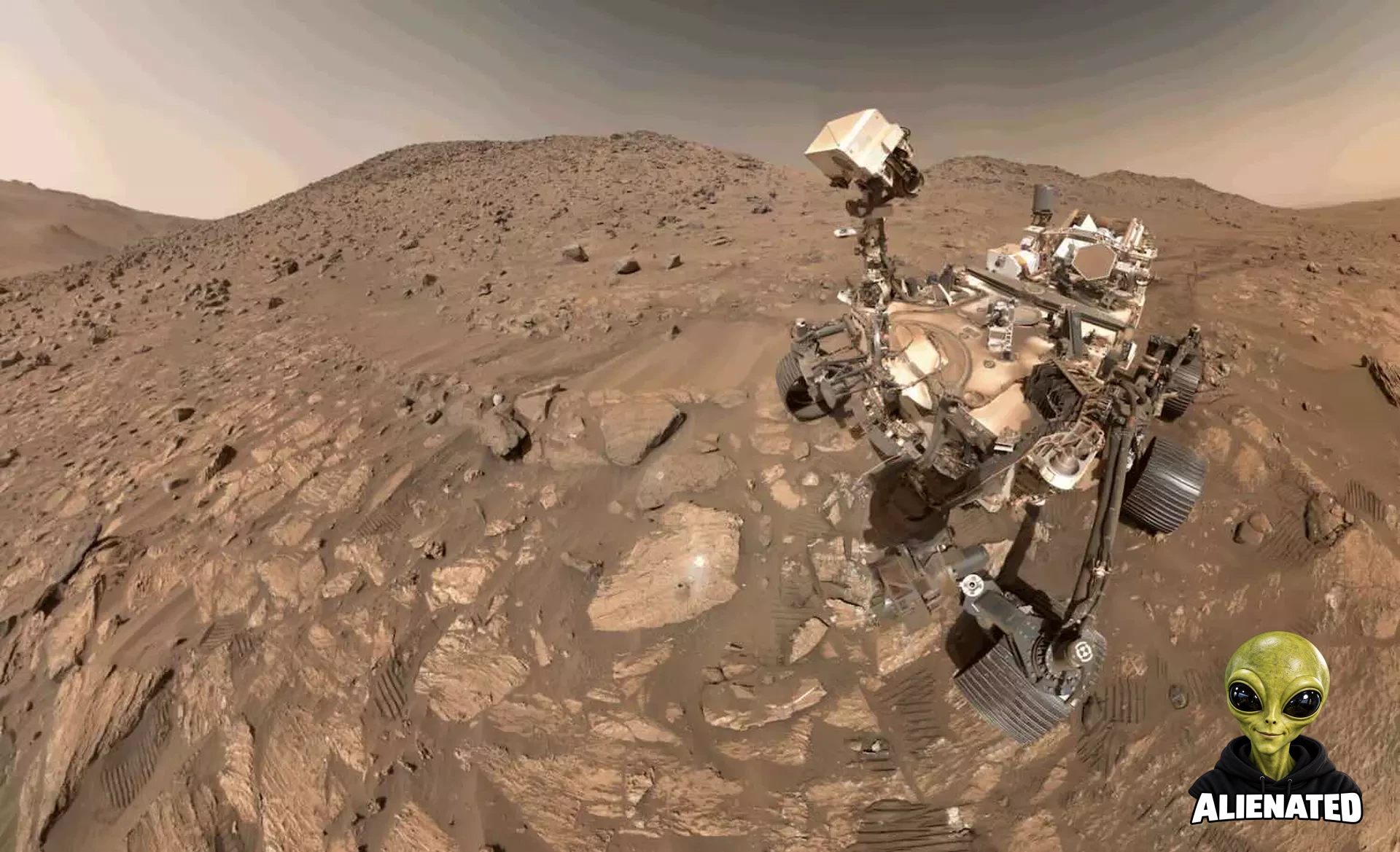
According to a study published in Communications Earth & Environment, NASA’s Perseverance rover has uncovered evidence of complex ancient water systems in Mars’s Jezero Crater. Lead author Candice Bedford of Purdue University reported that exploration of the Margin Unit revealed igneous rocks altered by multiple water interactions, including groundwater, lake activity, and hydrothermal fluids, rather than expected sedimentary lake deposits. Analysis of 185 bedrock targets using Perseverance's SuperCam showed fractured olivine-rich rock containing silica, carbonate, fluorite, and calcium sulfat
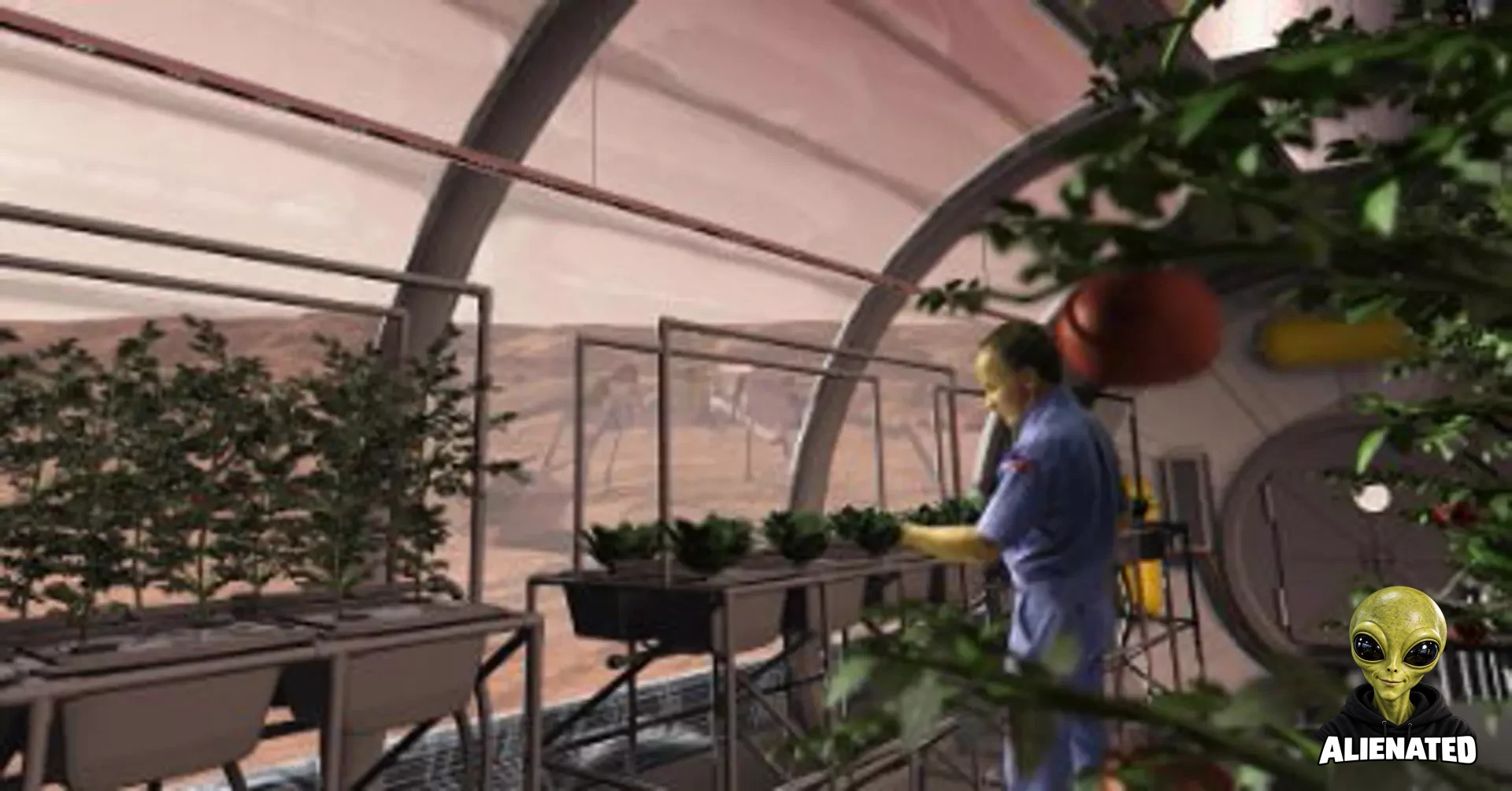
According to a review in Frontiers in Astronomy and Space Sciences led by Jéssica Carneiro Oliveira, beneficial terrestrial fungi could help solve nutrient deficiencies in lunar and Martian regolith. The authors suggest that fungi such as Trichoderma and arbuscular mycorrhizal fungi could enhance crop growth by expanding plant root networks, mobilizing scarce nutrients, and mitigating environmental stress. However, these strategies remain theoretical and untested on actual extraterrestrial regolith, relying currently on synthetic substitutes. Future experiments using real lunar and Martian sam
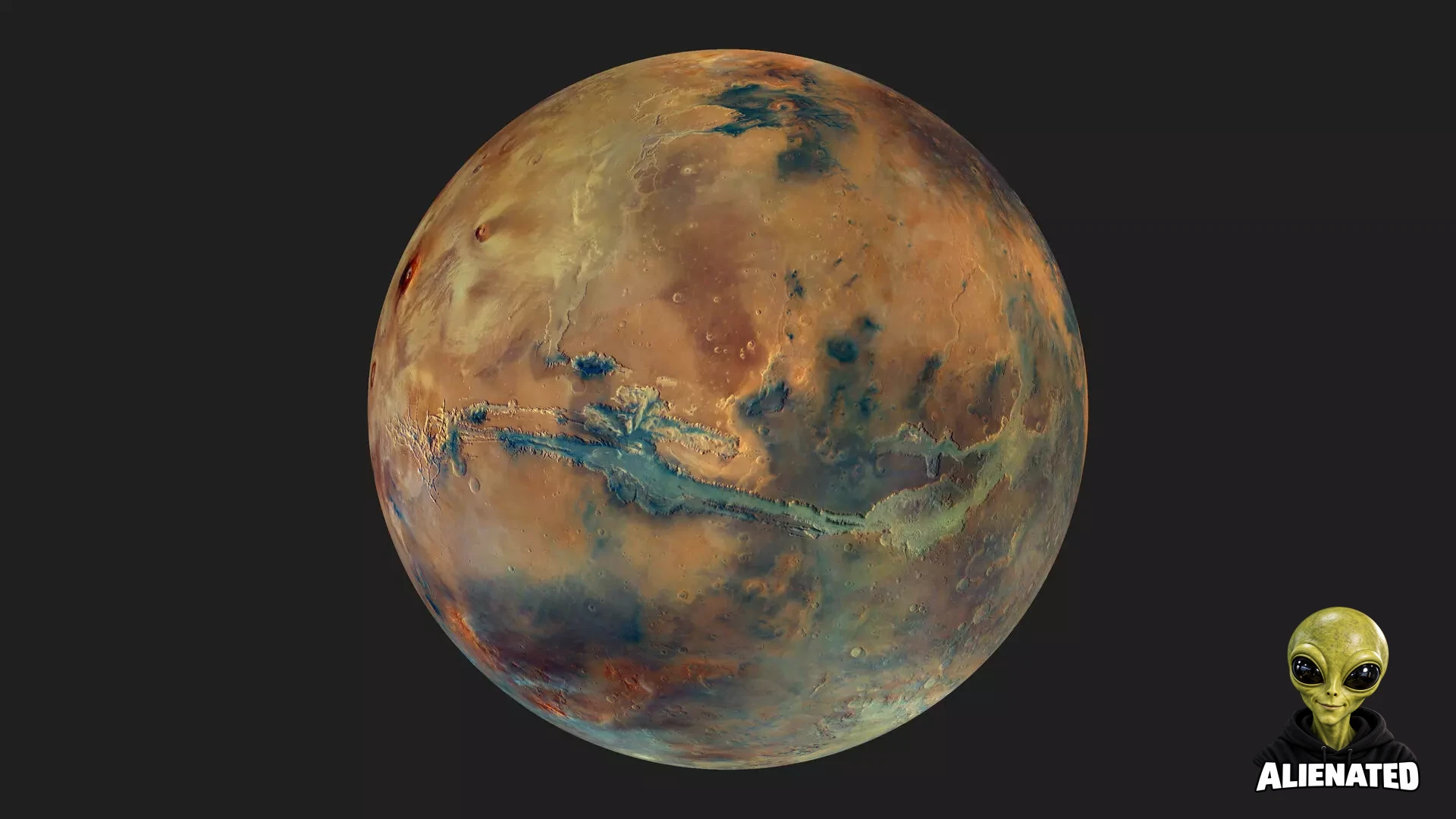
According to a brief announcement from the European Space Agency, September 30, 2026, marks the beginning of a new Martian year. The agency notes that Mars officially commences its new orbit around the Sun at precisely 10:16 CEST (08:16 UTC) on Earth. Because Martian years are tracked based on the planet's solar orbit, this astronomical milestone signifies the completion of one full trip around the Sun for the Red Planet.
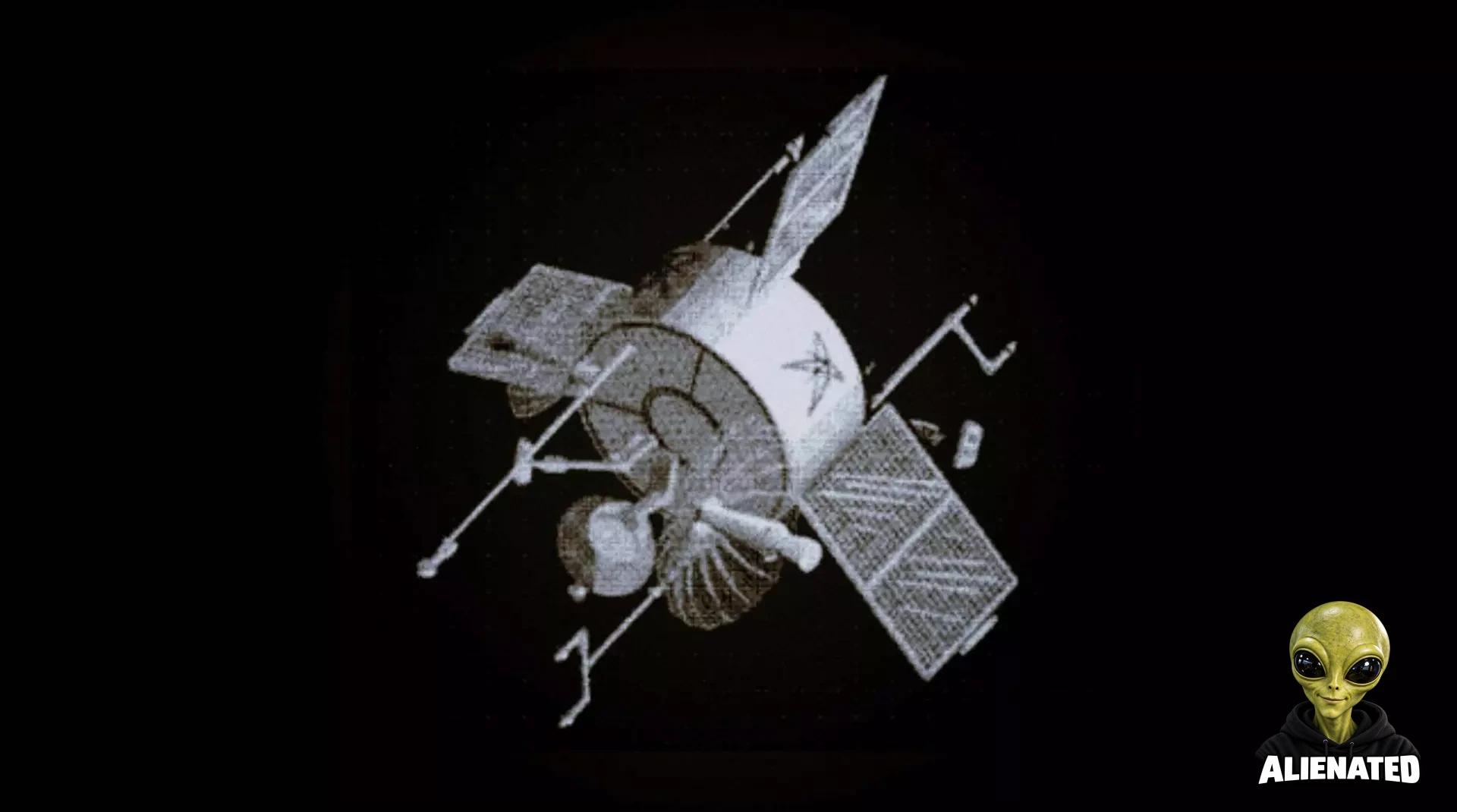
According to a report by The Debrief, U.S. Space Forces-Space (S4S) confirmed that USA 32, a decades-old U.S. signals intelligence satellite operated by the National Reconnaissance Office, broke apart in low-Earth orbit on September 13. Space-Track and the KeepTrack Operations Center reported the event, which generated tracked orbital debris. S4S stated that no immediate threats to active spacecraft have been identified, though routine conjunction screenings and tracking remain ongoing to evaluate potential risks. Official sources have not yet announced a cause for the spacecraft's breakup.
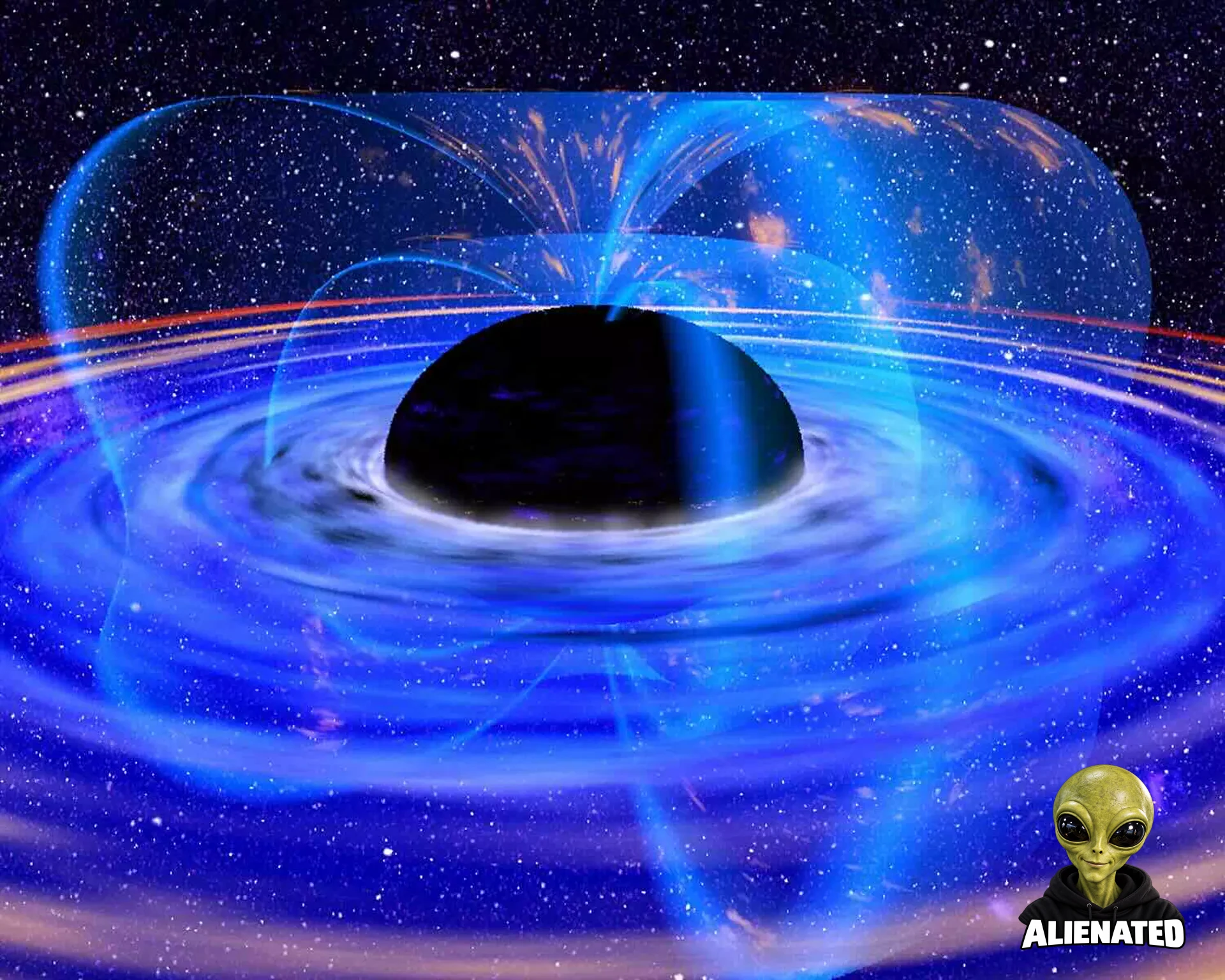
Physicist Felipe Asenjo discussed research co-authored with Luca Comisso on extracting rotational energy from rotating black holes. Building on Roger Penrose’s 1969 theory, their study demonstrates that magnetic reconnection within a black hole's ergosphere can split plasma into two jets. One jet with negative energy falls past the event horizon, while the other escapes carrying stolen rotational energy, slowing the black hole down. Asenjo notes that while no fundamental scientific laws prevent an advanced civilization from harnessing these high-energy plasma flows, the practical technology re
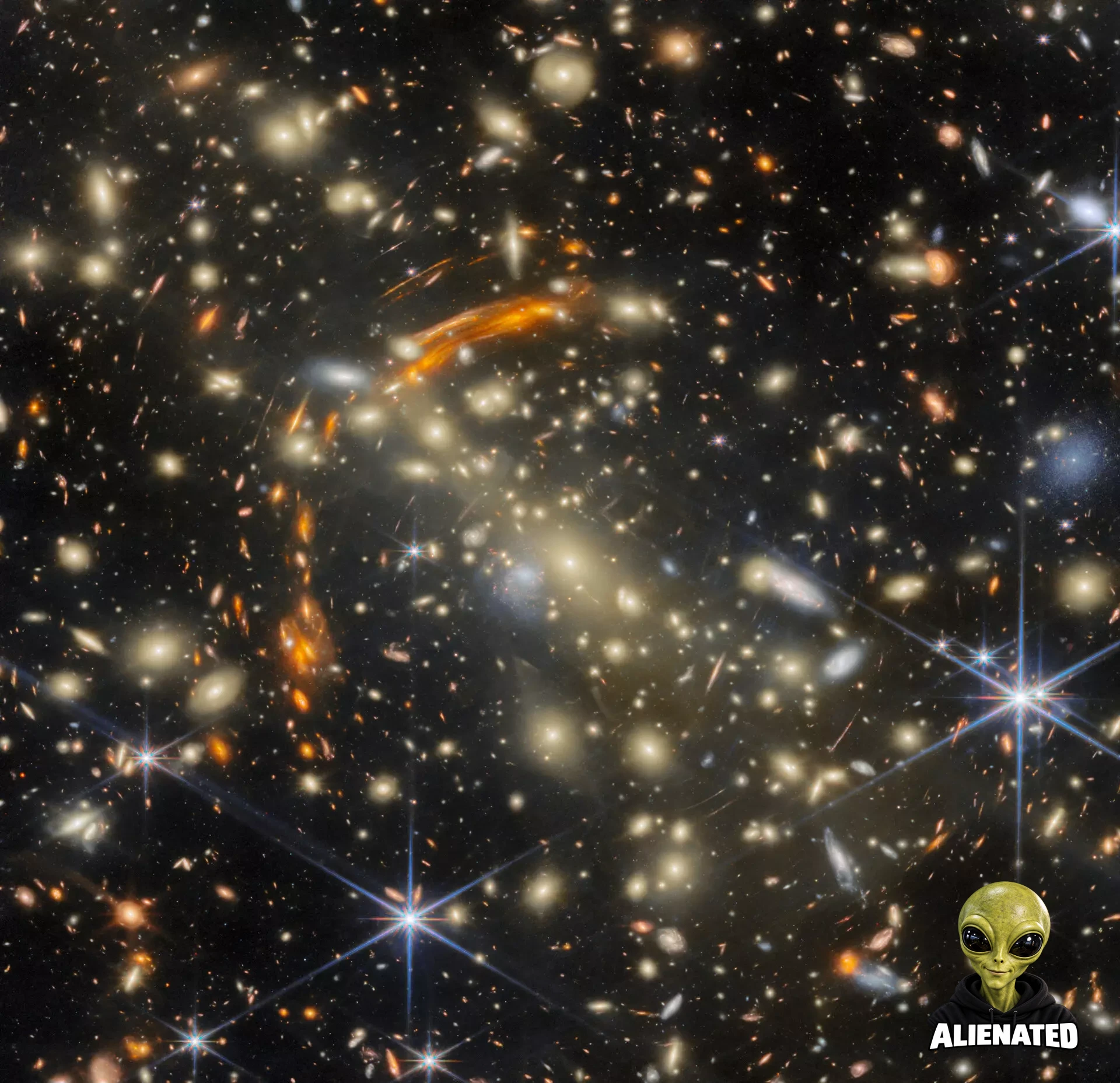
A new image from the NASA/ESA/CSA James Webb Space Telescope captures the galaxy cluster MACS J0454.1-0300 as it appeared when the universe was roughly eight billion years old. According to the European Space Agency, the cluster acts as a gravitational lens, bending and magnifying light from far more distant background galaxies. This effect exposes early cosmic structures, including a merging galaxy group from two billion years after the Big Bang. Webb's sensitivity to redder light reveals hundreds of faint, distant galaxies that were missing from a 2014 Hubble image of the same region.
According to the European Space Agency, the Jupiter Icy Moons Explorer, known as Juice, successfully completed a flyby of Earth on September 28. During the maneuver, the spacecraft skimmed the outer edge of Earth's atmosphere, utilizing the planet's gravity to assist in altering its trajectory toward Jupiter. This gravitational assist allowed the spacecraft to adjust its course while conserving fuel. The provided excerpt gives brief details regarding this orbital milestone as Juice continues its journey toward the Jovian system.
Engineers at NASA’s Marshall Space Flight Center have completed critical ground tests for the ASCENT Propulsion Dual Mode system in simulated space conditions. The system utilizes a single non-toxic propellant to power both chemical and electric thrusters, saving mass and volume to accommodate larger scientific payloads. Ground evaluations included leak, thermal vacuum, and spin tests inside specialized chambers. According to NASA, if final preparations proceed as planned, the spacecraft will launch no earlier than October 1 aboard a SpaceX Falcon 9 rocket to begin a nine-month Low Earth Orbit