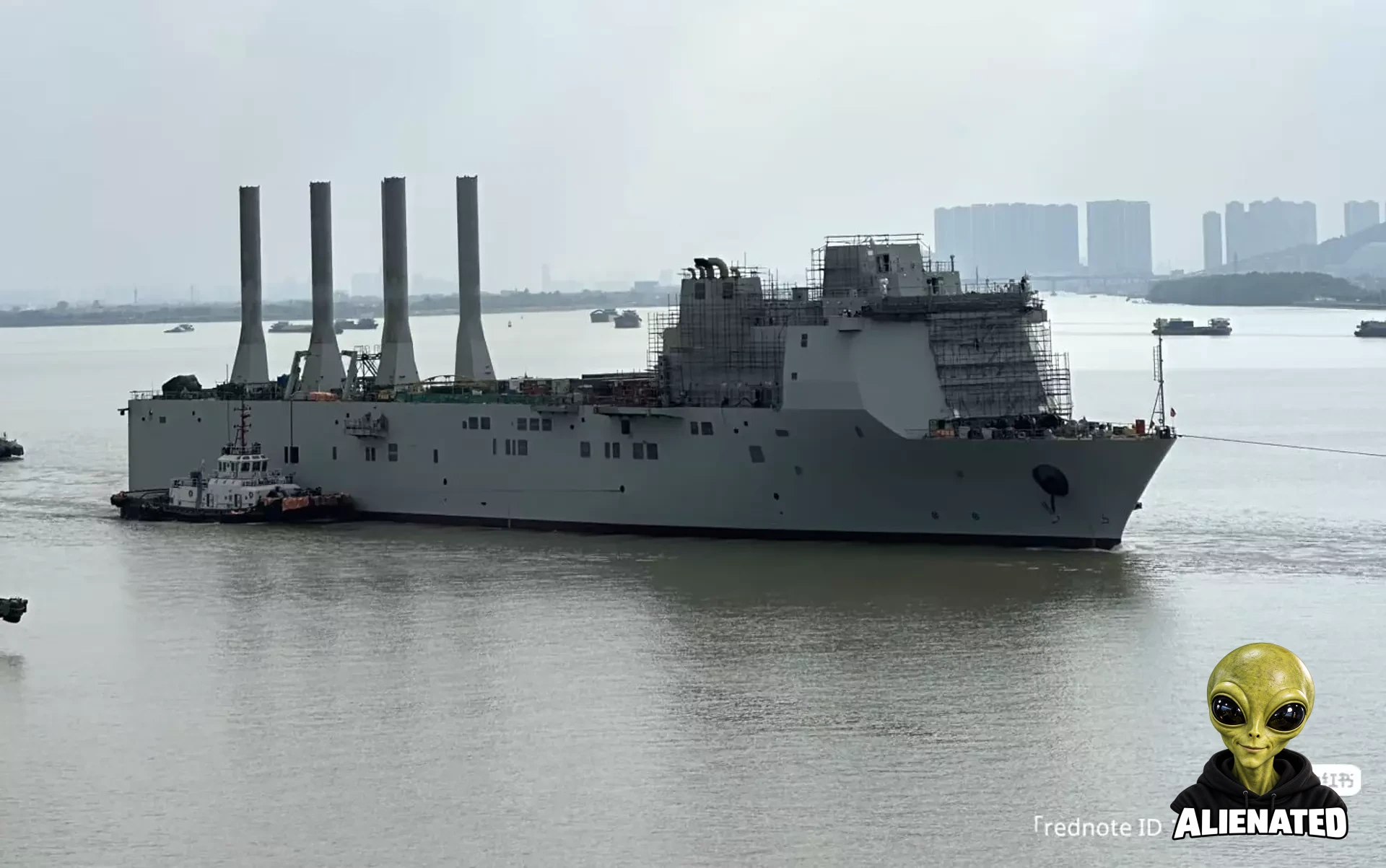
Naval News reports that social media footage shows a second potential Chinese Navy auxiliary vessel on the Pearl River in Guangzhou, which observers speculate may function as an unmanned underwater vehicle (UUV) mothership. The ship features six stern masts and an estimated length near 150 meters, making it smaller than a previously reported 200-meter design in Shanghai. Naval News notes that the authenticity of the social media reels remains unconfirmed, and exact details regarding the builder, fitting-out location, and vessel purpose await further verification due to limited official disclos
In an article on 19FortyFive, Harrison Kass examines Theodore Roosevelt's military philosophy regarding naval power, highlighted by his quote, "A good navy is not a provocation to war. It is the surest guarantee of peace." Influenced by strategist Alfred Thayer Mahan, Roosevelt expanded the U.S. battle fleet, emphasized preparedness, and dispatched the Great White Fleet on a 43,000-nautical-mile voyage from 1907 to 1909 to demonstrate global reach, particularly toward emerging naval powers like Japan.
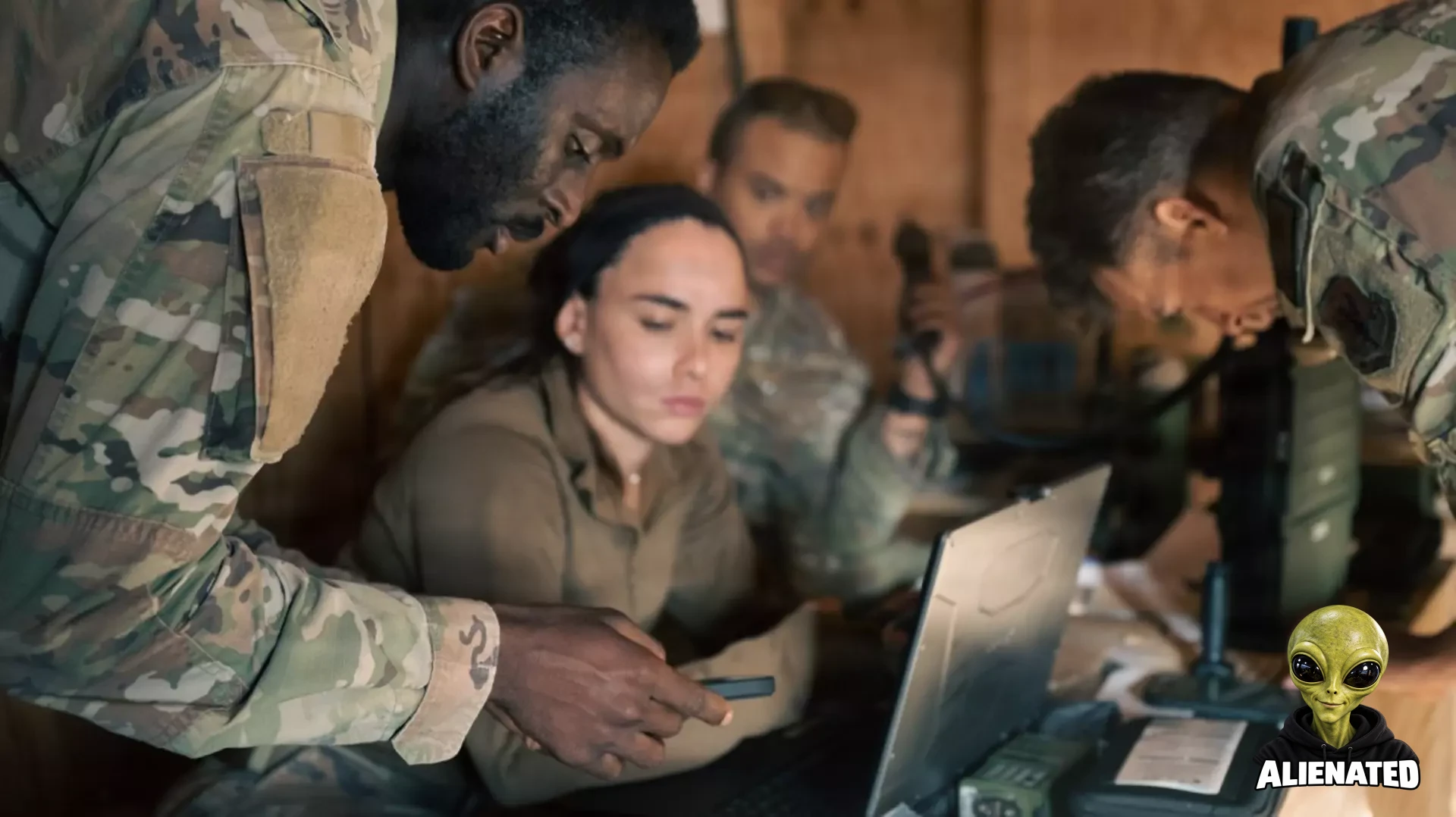
Communications data, such as location specifics, were left open to being found in military devices, the Pentagon’s watchdog found. Air National Guard photo by Airman 1st Class Joshua Adamy. Air National Guard photo by Airman 1st Class Joshua Adamy.
A Department of Defense Office of Inspector General report revealed that the Pentagon failed to fully secure unclassified wireless communications, exposing metadata such as troop locations and command facilities. Initiated following warnings from lawmakers, the investigation focused on the Spiral 4 wireless contract serving over 568,000 lines. The watchdog found that while voice and email were secured, SMS text messages were left unencrypted, and mobile carrier security measures were unvetted. The Inspector General noted that its security recommendations currently remain unresolved.
An commentary article published by Activist Post asserts that geopolitical conflict in West Asia is poised to escalate dramatically between late September and November. The piece claims U.S. leadership rejected diplomatic proposals from China and Iran regarding naval blockades and nuclear negotiations. It alleges that Iran burned 19 tankers in the Strait of Hormuz and outlines potential Iranian and Yemeni military measures against U.S. and regional forces. The text further speculates on secret diplomatic interventions by Pakistan and broader regional strategy involving China, Saudi Arabia, and
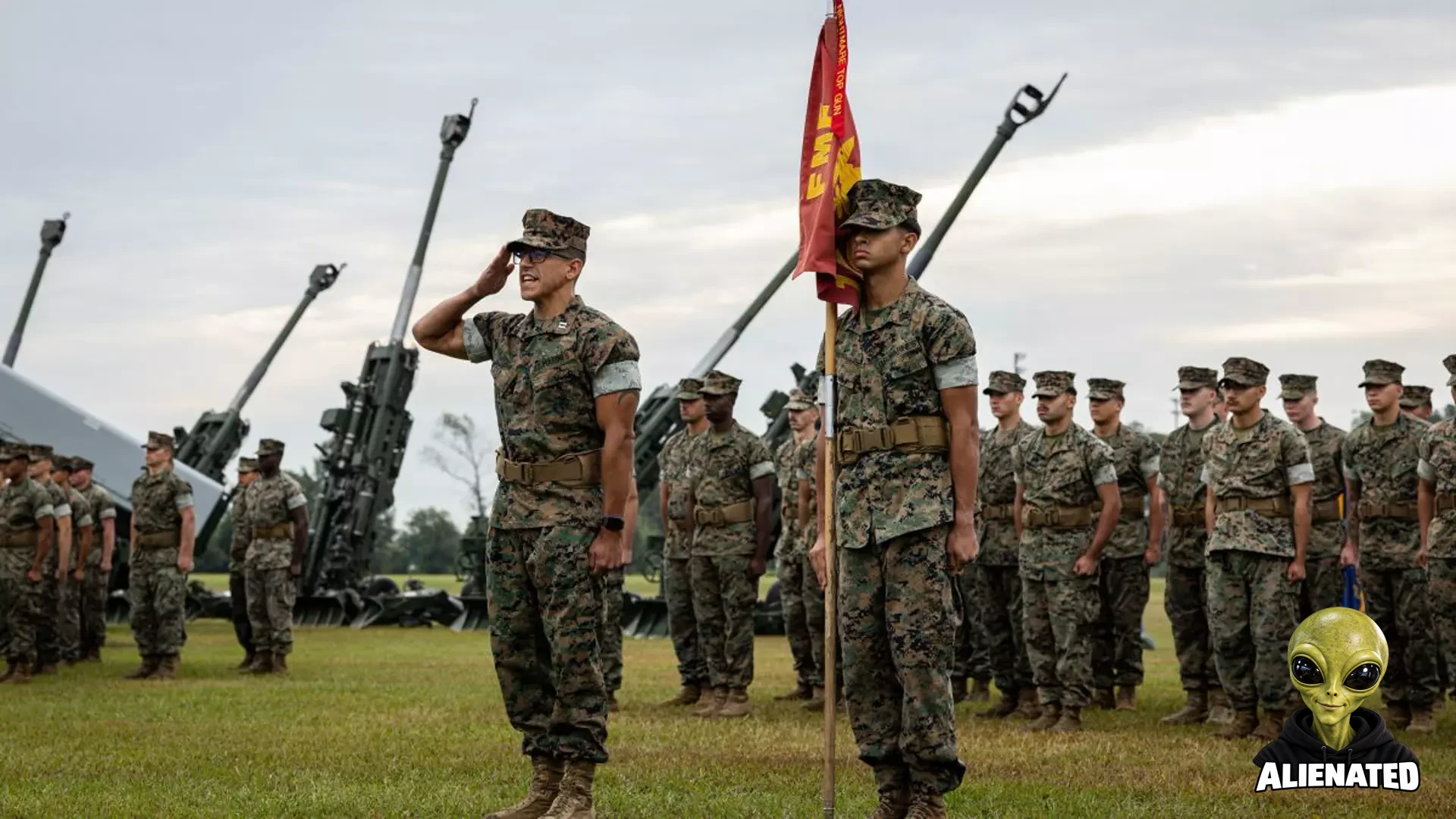
Marines with 1st Battalion, 10th Marine Regiment, 2nd Marine Division formally redesignated into a medium-range missile battalion on Oct. 9, 2026 at Camp Lejeune, North Carolina. Marine Corps photo by Sgt. Alexis French. Marine Corps photo by Sgt. Alexis French.
The U.S. Marine Corps officially redesignated the 1st Battalion, 10th Marine Regiment into its first dedicated medium-range missile battalion at Camp Lejeune, North Carolina. As detailed in a Marine Corps announcement, the unit will utilize the Navy-Marine Expeditionary Ship Interdiction System (NMESIS), a remotely operated anti-ship platform capable of launching Naval Strike Missiles over 100 miles. Commanding Officer Lt. Col. Joseph Mozzi emphasized the unit's role in providing land-based sea denial capabilities. The restructuring reflects broader force modernization under the Marine Corps F
South Carolina author Brandy Woods Snow, a military spouse of 24 years, has published a young adult novel titled "For Now," according to a report by We Are The Mighty. The book explores combat-related post-traumatic stress disorder (PTSD) and its generational trauma on military families through fictional characters Dacus and Charleigh. Snow describes the novel as an effort to help teenagers recognize their experiences and spark difficult family conversations. The excerpt notes a publication date of September 2026 for the novel, emphasizing that trauma affects spouses and children alongside vet
In an essay for 19FortyFive, U.S. Navy veteran Sean Spoonts details the physical and psychological toll of extended military deployments, highlighting the 10-month voyage of the aircraft carrier USS Abraham Lincoln. Operating 12-hour workdays in combat zones severely degrades morale, contributing to reported self-harm attempts within the strike group. Spoonts describes the profound social isolation at sea and the disorienting readjustment period sailors face when returning home, including sensory overload, losing "sea legs," and adapting to newfound personal freedom after months of rigid milit
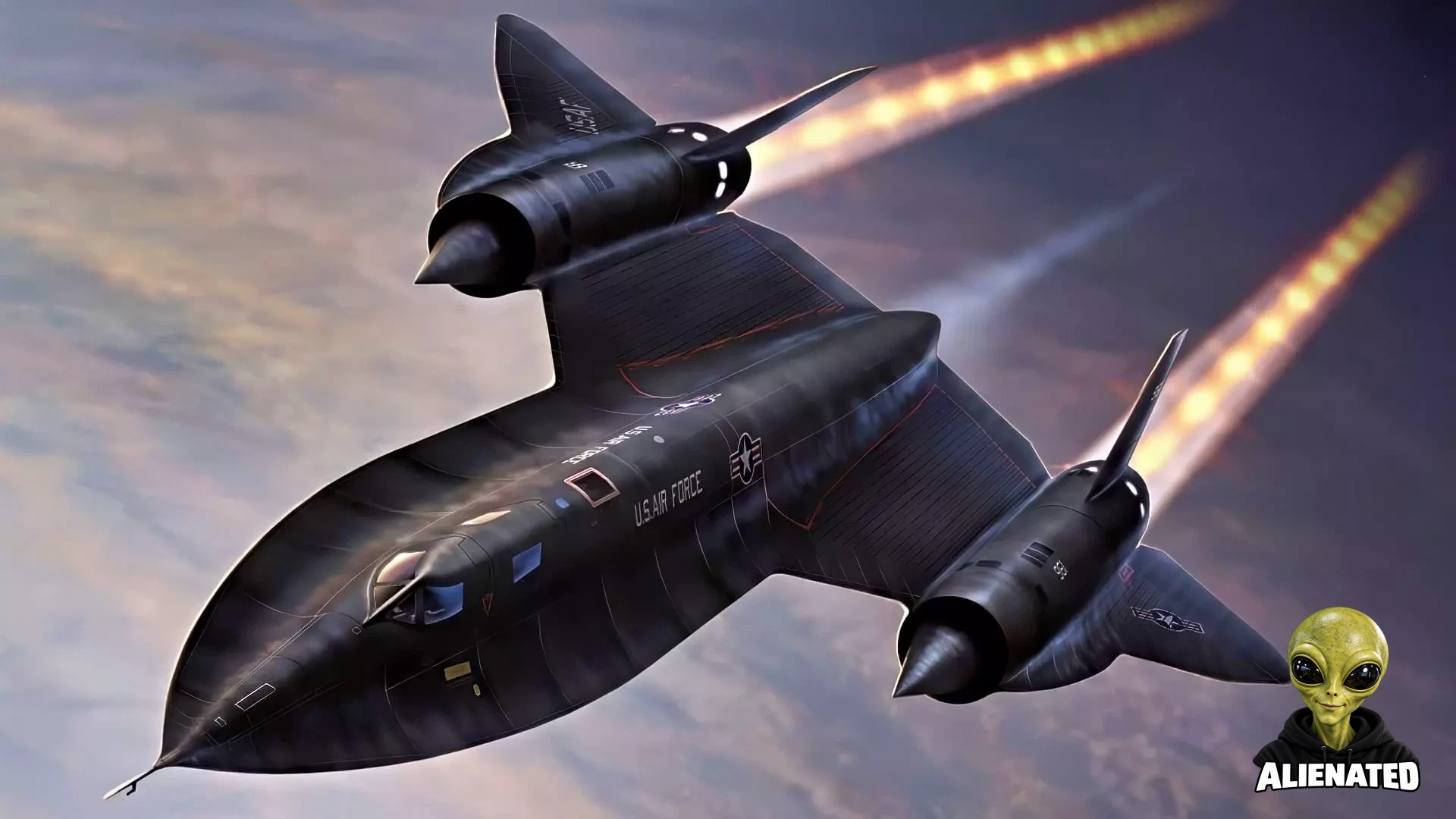
According to 19FortyFive, the SR-71 Blackbird played a key Cold War reconnaissance role by operating at speeds above Mach 3 and altitudes exceeding 80,000 feet, allowing it to evade Soviet air defenses. On July 28, 1976, aircraft 61-7962 set an official altitude record of 85,068.997 feet. Flying at extreme altitudes posed severe risks because thin air reduced lift margins, where a single incorrect pitch move could cause an uncontrolled stall and aircraft breakup. Out of the fleet built, 12 were lost in accidents, but only one crew member died in flight.
In an article for 19FortyFive, national security columnist Steve Balestrieri examines Dwight D. Eisenhower’s military career and presidential philosophy, centered on his quote, "The only way to win World War III is to prevent it." Despite never firing a shot in combat, Eisenhower commanded Allied forces during World War II, led NATO, and served two terms as U.S. president. Balestrieri highlights Eisenhower's focus on organization, ending the Korean War, establishing the Interstate Highway System, and issuing his famous farewell warning regarding the military-industrial complex.
An excerpt from 19FortyFive details the life and career of former British Prime Minister Winston Churchill, highlighting his military experiences, political leadership, and personal life. The text recounts his escape as a prisoner during the Boer War, his command on the Western Front following the Gallipoli campaign, his warnings regarding Nazi rearmament, and his 1946 "Iron Curtain" speech. It also notes his affinity for animals, specifically referencing a famous quote regarding pigs attributed to him around 1952 by his private secretary, Sir Anthony Montague Browne.
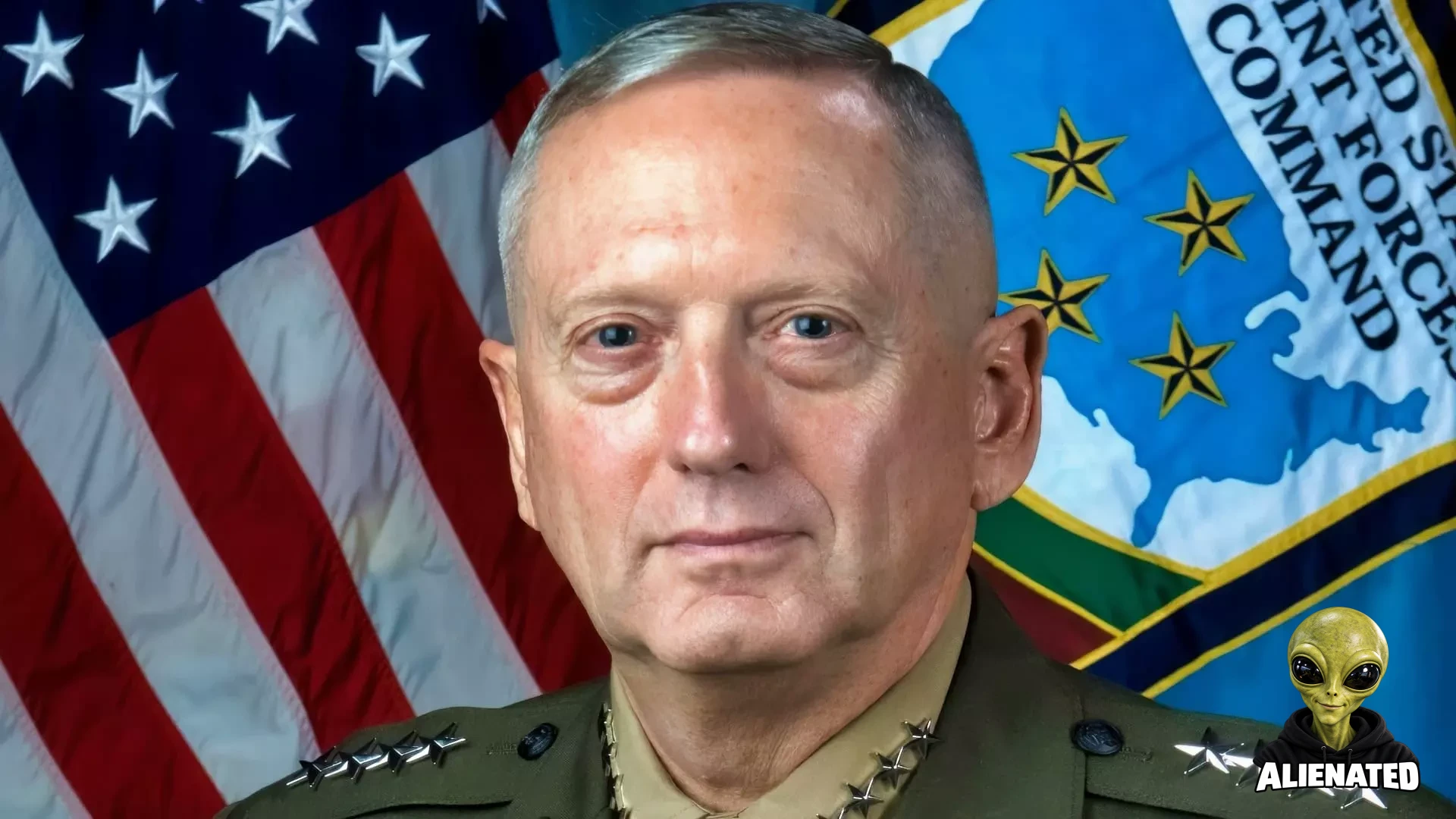
This overview details the military career and leadership philosophy of retired Marine Corps General and former U.S. Secretary of Defense James Mattis. Spanning over four decades, Mattis's service included commanding troops during the Gulf War, post-9/11 operations in Afghanistan, and the 2003 Iraq War. Known as "Mad Dog" and "Warrior Monk," Mattis emphasized historical study, personal discipline, and counterinsurgency strategy. He later served as Secretary of Defense from 2017 to 2019, resigning over foreign policy disagreements with President Donald Trump regarding troop withdrawals and inter
A Green Beret with 10th Special Forces Group trains for a night raid in Greece in March 2024. Army photo by Staff Sgt. Nathan Baker. Army photo by Staff Sgt. Nathan Baker.
U.S. Army Special Operations Command (USASOC) leaders, Lt. Gen. Lawrence Ferguson and Brig. Gen. Joseph Wortham, discussed how special operations forces would adapt to potential large-scale conflicts against major powers like China or Russia. While small-team tactics defined recent wars in Iraq and Afghanistan, commanders emphasized that in large conventional warfare, USASOC units would likely serve as reconnaissance sensors, execute psychological operations, handle Civil Affairs tasks, and leverage long-standing allied relationships to assist conventional division commanders.
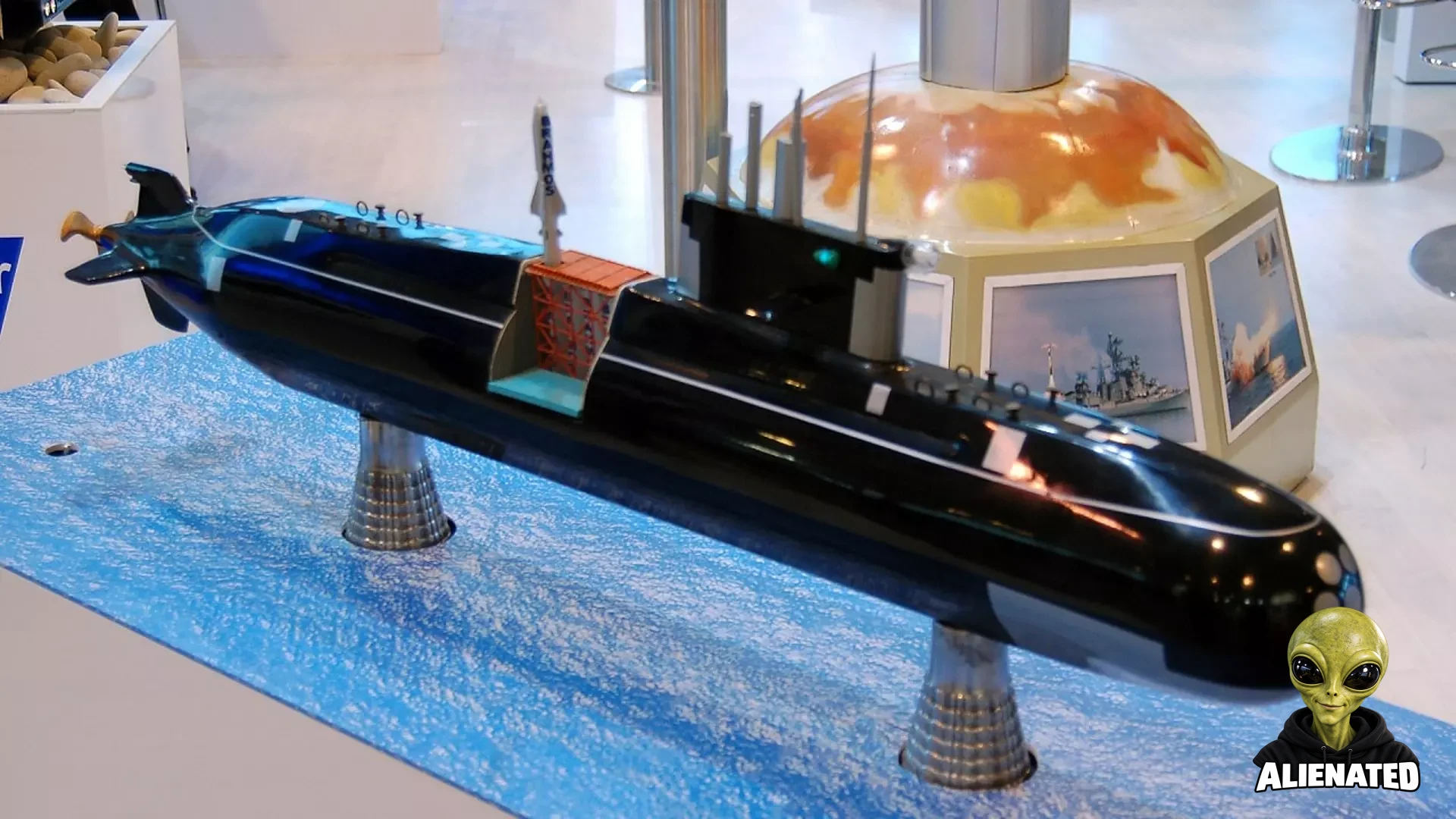
According to analysis by 19FortyFive's Sean Spoonts, Russia’s Project 677 Lada-class submarine encountered severe design and technical failures, leading the Russian Navy to abandon its intended Air-Independent Propulsion (AIP) drive in favor of traditional diesel-electric propulsion. Intended partly for export, the submarine suffered from systemic issues, including unreliable backup generators, sonar integration problems, and hull constraints. Spoonts characterizes this project as part of a broader pattern within Russian military procurement, where complex defense systems frequently experience
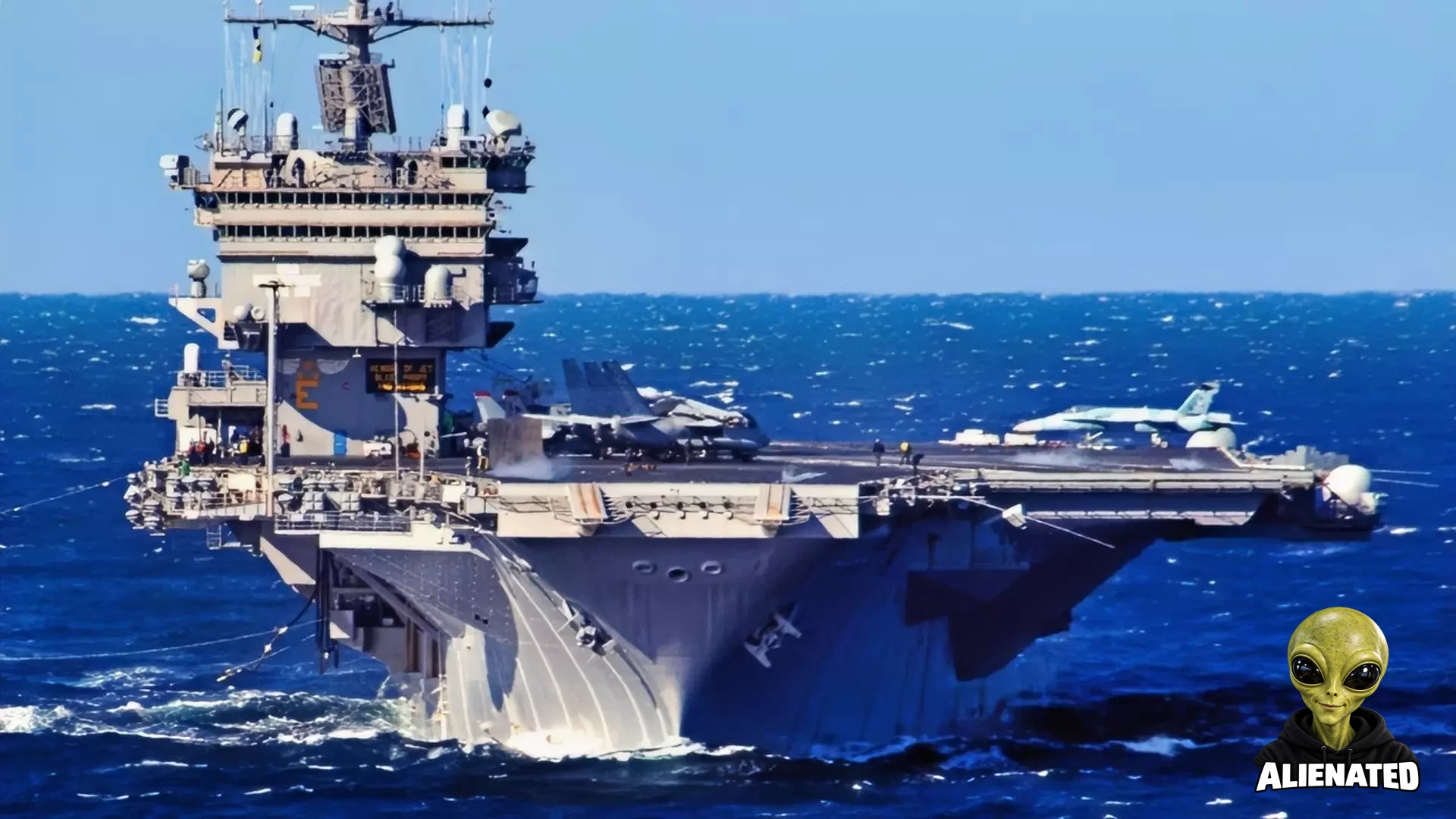
The United States Navy faces unprecedented logistical and regulatory challenges in dismantling retired nuclear-powered aircraft carriers, beginning with the historic USS Enterprise (CVN 65). Unlike submarines, which feature simpler reactor removal processes, the Enterprise possesses eight distinct nuclear reactors. According to Hudson Institute fellow Bryan Clark, the Navy has struggled to establish an effective dismantling framework for the ship, a problem expected to recur with Nimitz-class carriers. Furthermore, a Government Accountability Office report noted that jurisdictional disputes re
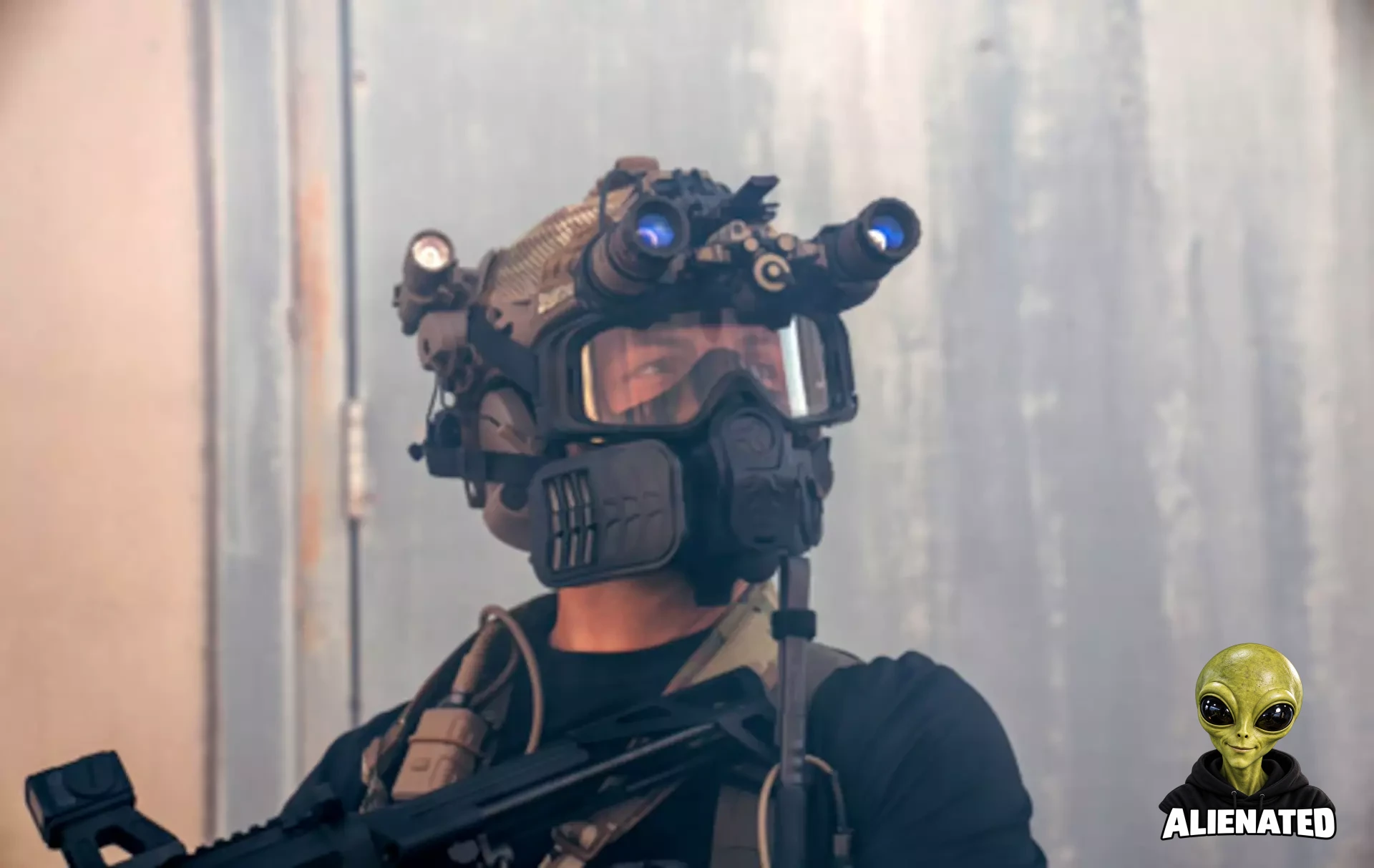
U.S. Special Operations forces are adopting the MITR half-mask and goggle system following a contract announcement with Avon Protection. According to Casey Galligan, Avon’s senior director, the lightweight split system protects operators from hazards such as lead powder, biological weapons, and precursor drug chemicals without requiring heavy full-face respirators. The equipment features positive pressure-sealed, fog-resistant goggles. Galligan stated that elite U.S. units, Canada, and another Five Eyes partner are acquiring the system. The decision follows a study citing higher cancer risks f
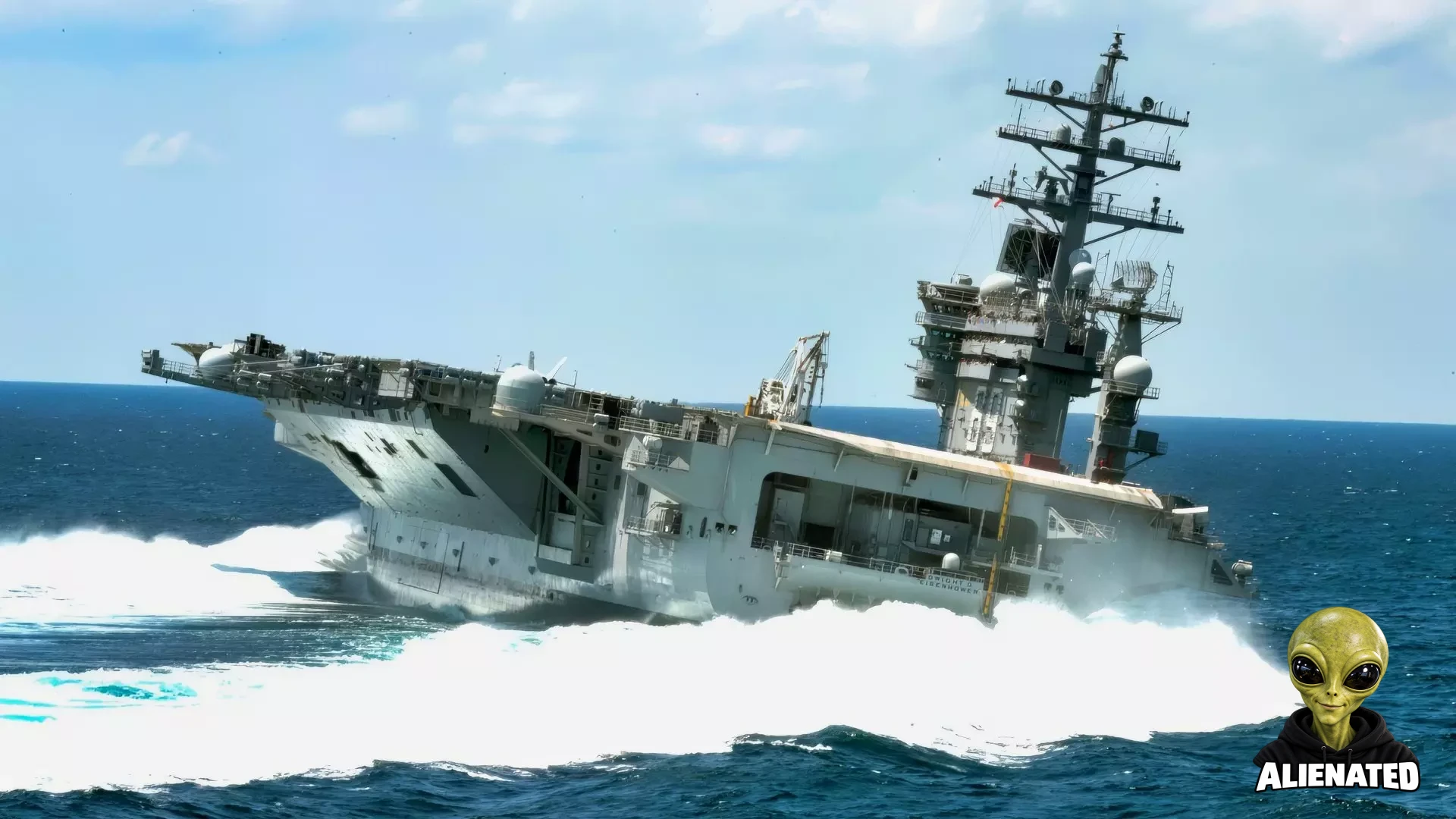
The U.S. Navy has extended the service life of the USS Nimitz to March 2027 to maintain the congressionally mandated fleet of 11 operational aircraft carriers. According to 19FortyFive, the extension stems from industrial delays with its replacement, the USS John F. Kennedy, whose delivery was pushed back by technical issues. Operating the aging Nimitz presents challenges, as the ship nears the end of its intended design lifespan and creates maintenance bottlenecks in already strained shipyards, raising concerns about operational readiness.
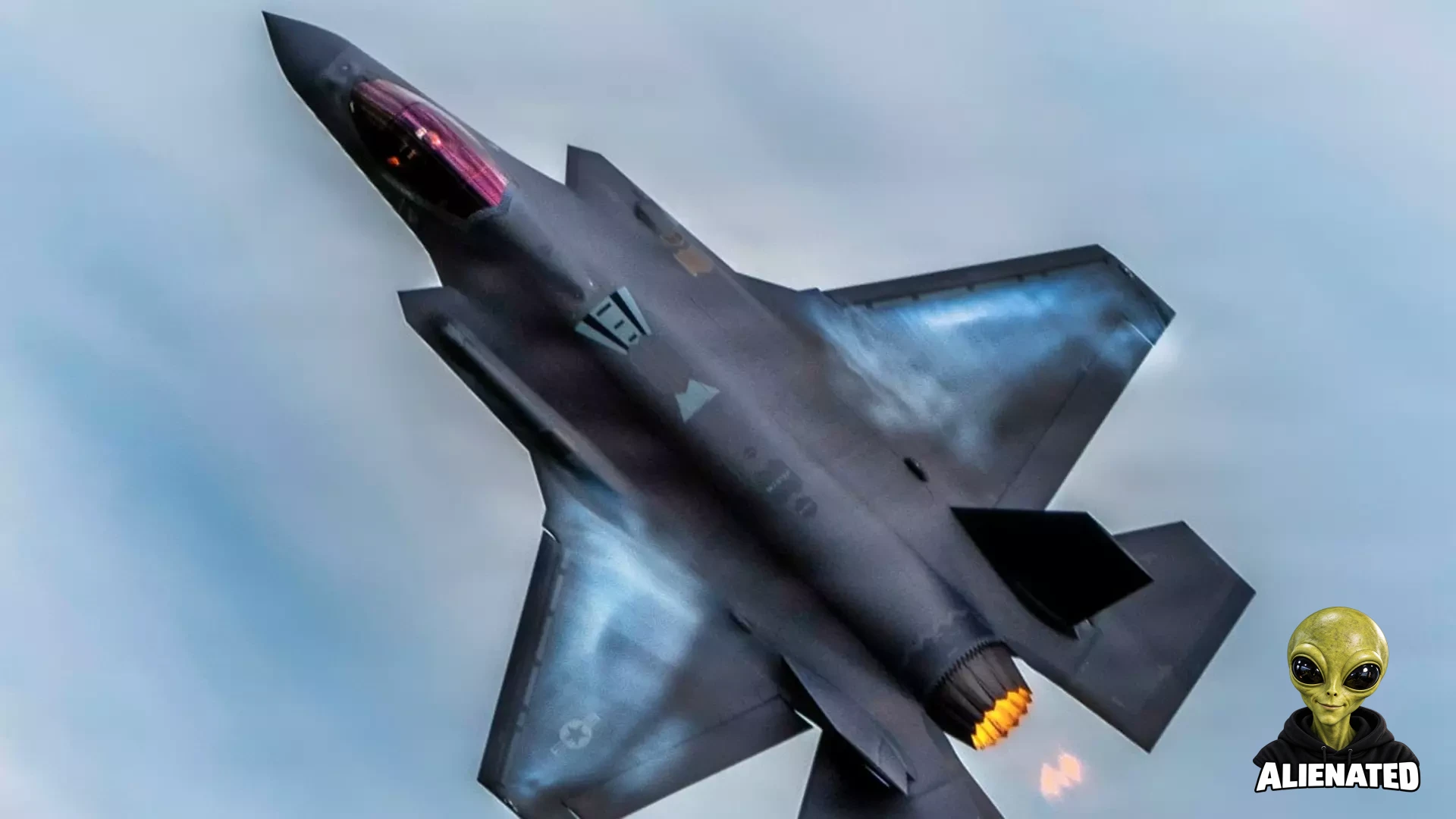
Retired Lt. Gen. Alain Pelletier, former NORAD deputy commander, warned that the Royal Canadian Air Force lacks the pilots and technicians to simultaneously operate a mixed fleet of Lockheed Martin F-35s and Saab JAS 39 Gripens. While Ottawa reviews its fighter procurement plan, RCAF fighter personnel strength sits at roughly two-thirds capacity, with reported maintenance challenges. Former defense officials argue running two separate fighter conversion pipelines would strain existing manpower and infrastructure, raising concerns about operational readiness for NORAD defense obligations.
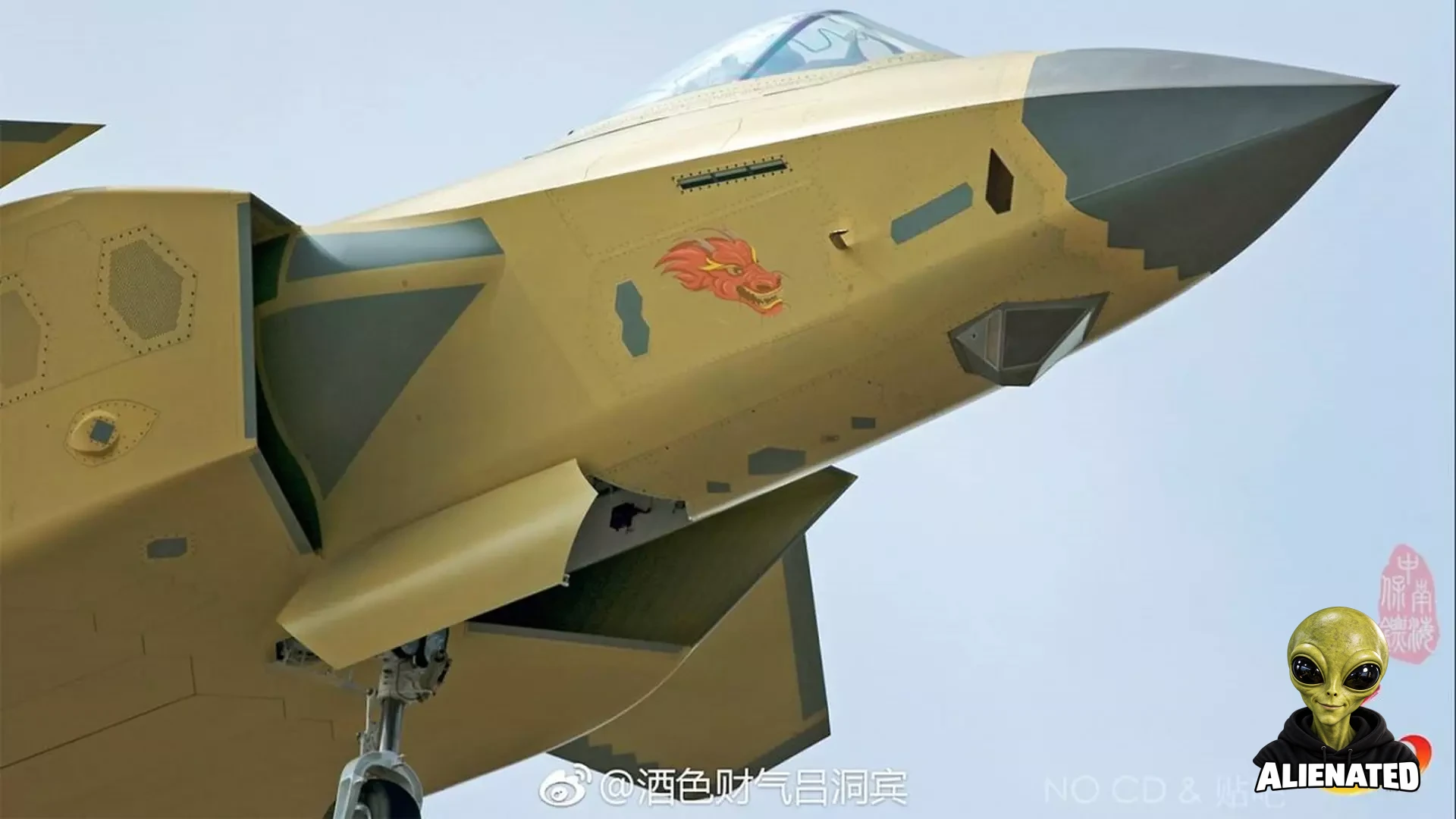
According to expert Harrison Kass, Chinese state media reported that China's two-seat J-20S Mighty Dragon stealth fighter variant is designed for maritime precision strikes, electronic warfare, and manned-unmanned teaming. However, these claims remain unverified by independent sources. USNI News noted that China has not publicly identified any specific anti-ship missile for the aircraft or demonstrated whether such weapons fit inside internal weapons bays without compromising stealth. If operational, the variant could enhance China's anti-access/area-denial capabilities, but its actual combat
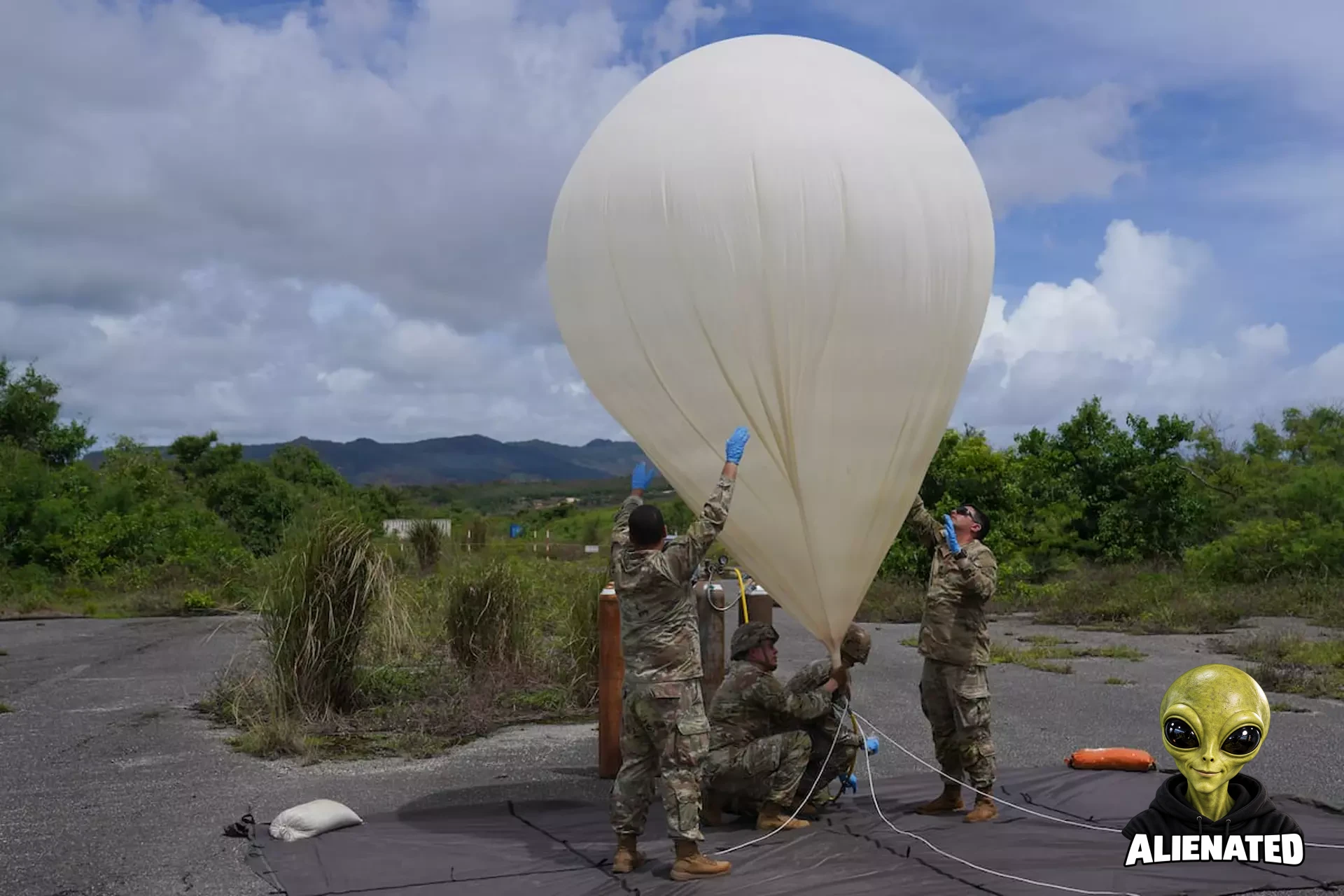
According to U.S. Army officials, the service is expanding tests of high-altitude balloons operating in the stratosphere between 60,000 and 100,000 feet. Col. Joseph Mroszczyk stated the Army is seeking a family of stratospheric systems to deliver space-like capabilities for sensing, communications, and potentially kinetic missions. Testing has already been conducted in Europe, the Pacific, and the Middle East. Military commanders report exploring concepts ranging from high-end payload platforms to large swarms of inexpensive, expendable balloons over the coming year.
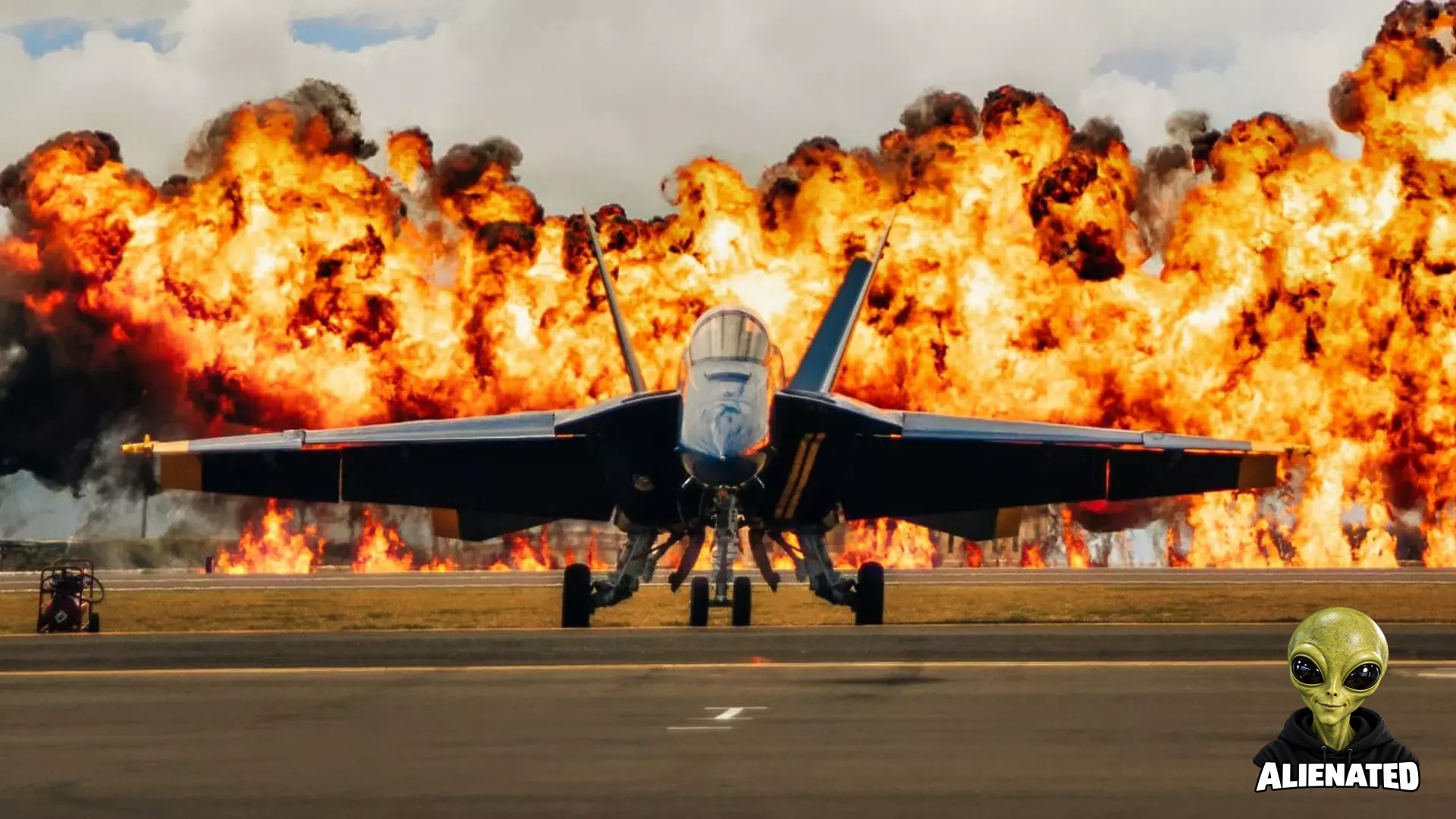
The U.S. Navy Flight Demonstration Squadron, known as the Blue Angels, operates Boeing F/A-18E/F Super Hornets with a highly selective team of 17 commissioned officers and approximately 100 enlisted support personnel. Selecting only three new tactical jet pilots annually, aviators undergo 18 months to three years of intensive training split between NAS Pensacola and NAF El Centro. Operational routines and flight maneuvers—classified into High, Low, and Flat Shows—require precise aerial coordination as detailed in the squadron's official maneuvers manual.